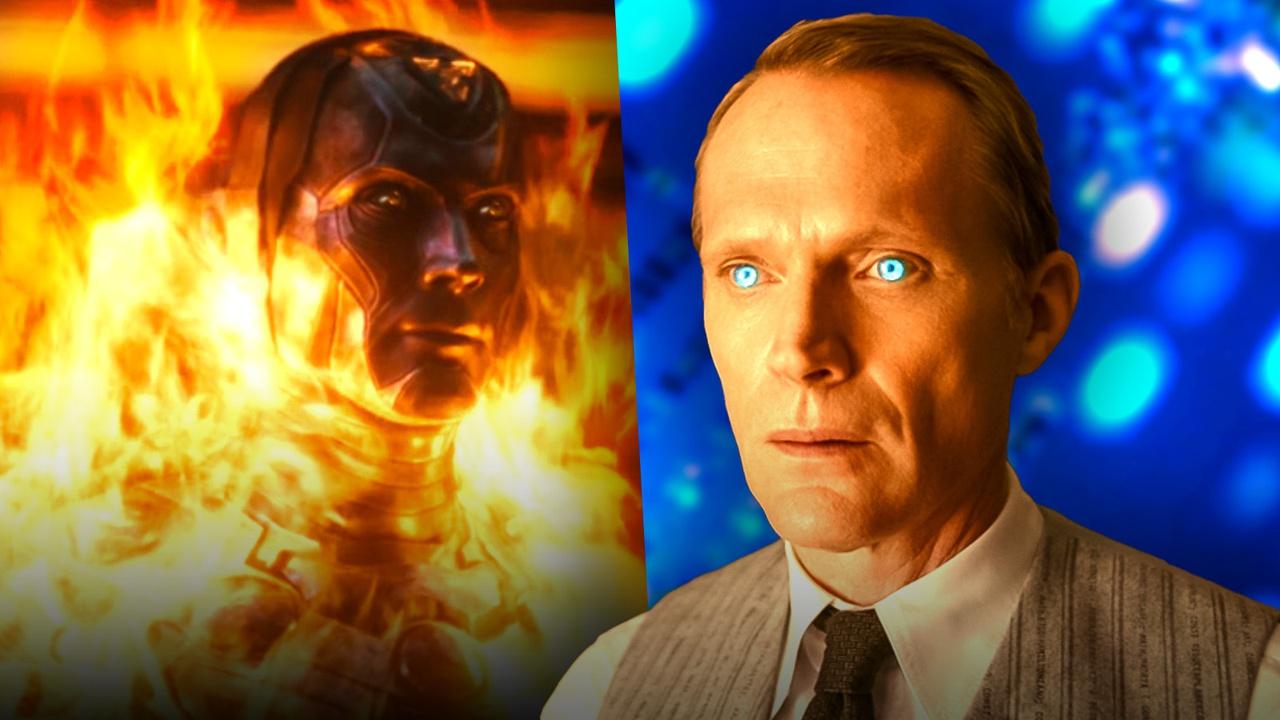
VisionQuest's Jim Hammond, also known as the Human Torch, received his first-ever Marvel Studios poster after the series' penultimate episode, "Immolation," arrived on Disney+ on November 3. Hammond has been a character of interest right from VisionQuest's premiere, with the show planting seeds that teased his integral role in the third and final entry of the trilogy that began with WandaVision and continued with Agatha All Along. The series, which centers on Paul Bettany's Vision, has introduced numerous AI characters with strong connections to Robert Downey Jr.'s Iron Man, whose presence looms over the show despite Tony Stark meeting his end seven years ago in Avengers: Endgame.
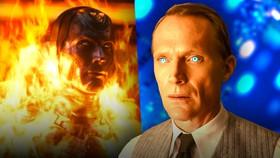
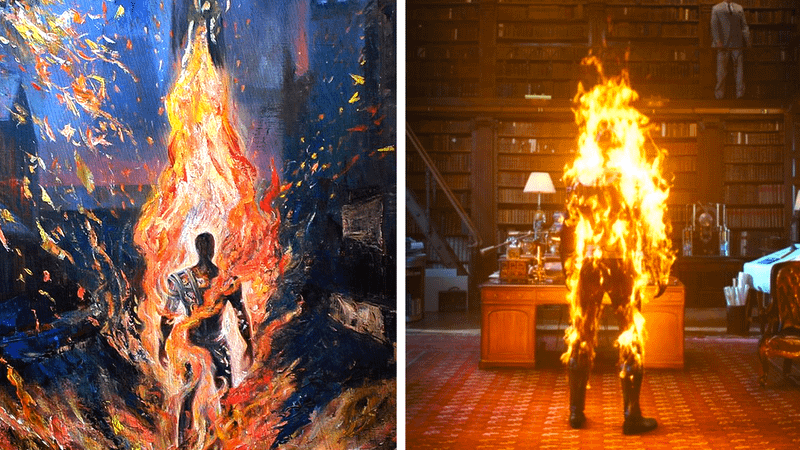
Marvel Studios unveiled Jim Hammond's first poster on its social media platforms with the caption "I stood in the fire of myself, and I let it consume me," a line Jim delivers to Vision in Episode 7. The poster is unlike anything else the studio has released for VisionQuest, and one of its most beautiful. It ditches the standard MCU look for a fully painted piece of art.
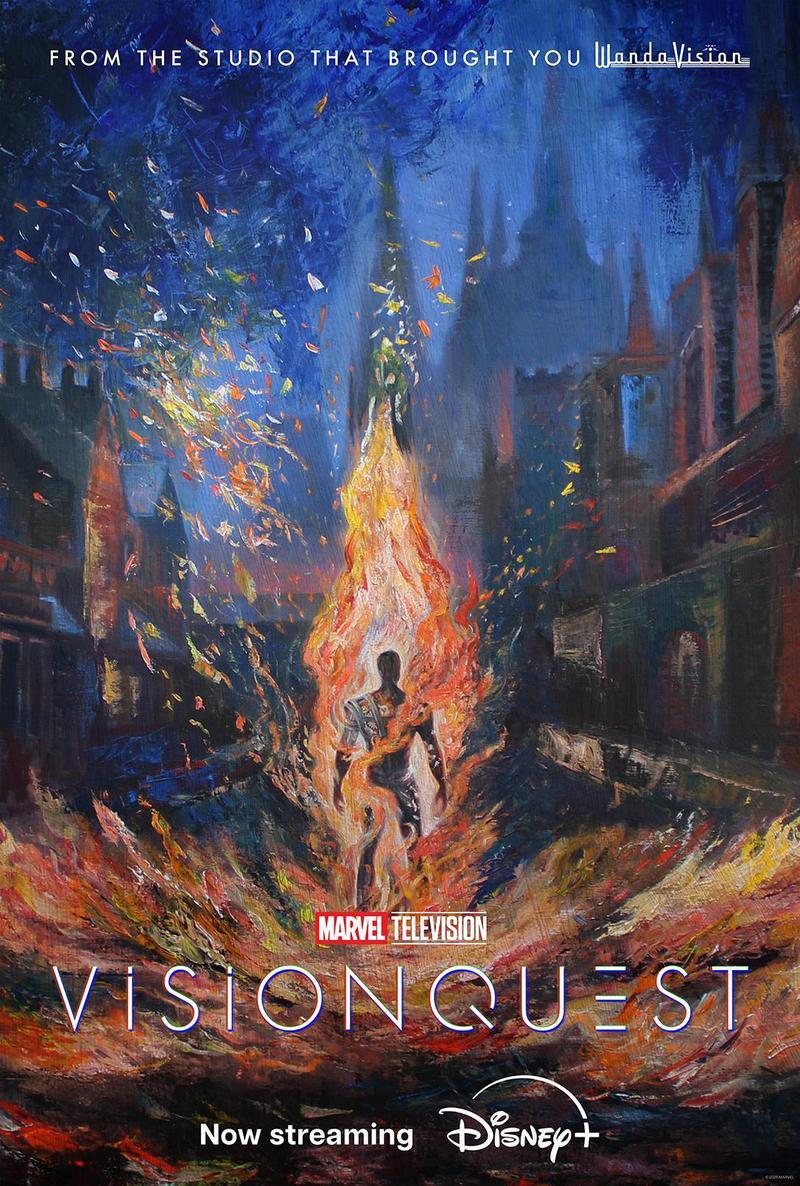
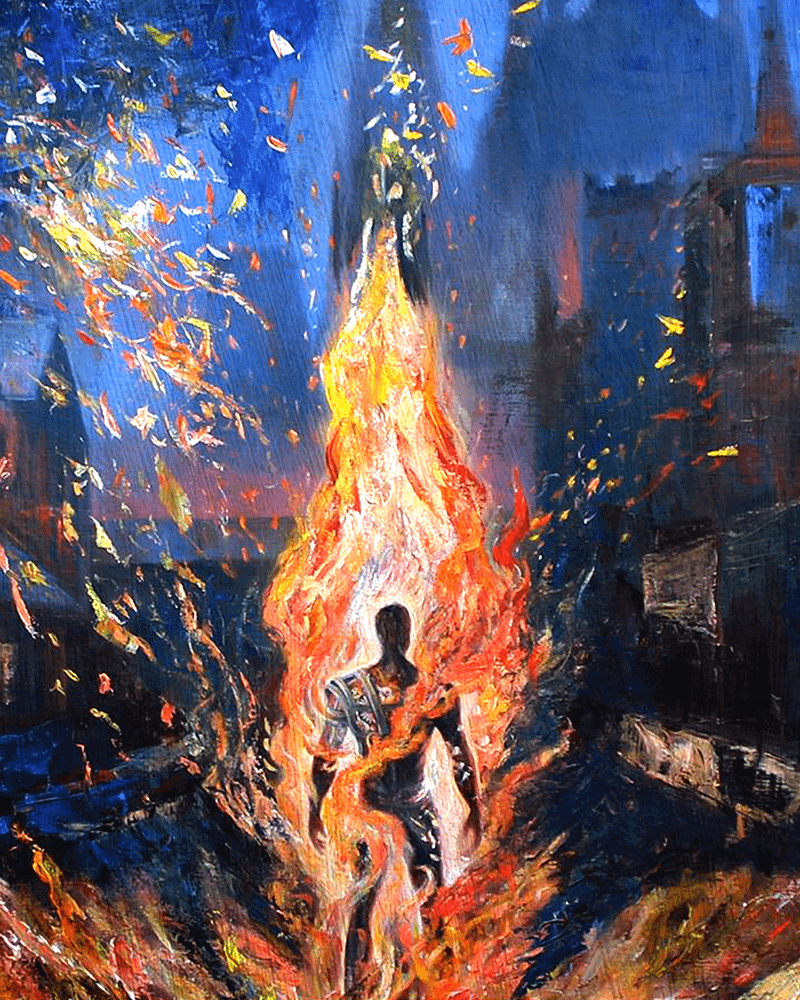
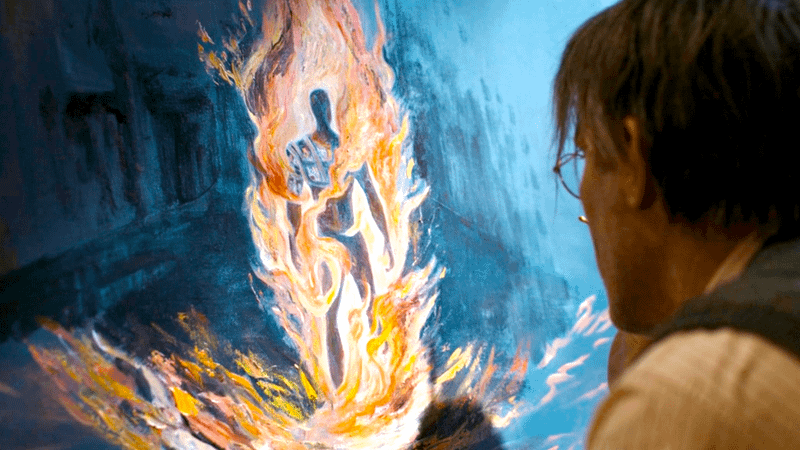
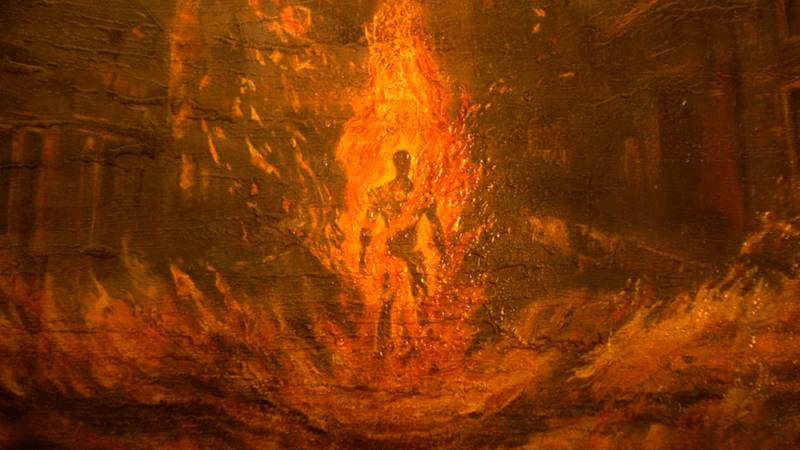
Jim stands in the middle of a dark city street as flames swallow his whole body, while embers drift into a deep blue night sky. His actual look is never shown, only a silhouette. The portrait comes across as a deeply tragic piece, fitting Jim's heartbreaking backstory, and it mirrors the painting of a burning man seen hanging inside Vision's Mindspace in Episode 2. A similar image was featured at Disney's D23 Expo as concept art.
Casual viewers meeting Jim for the first time might not realize how deep his roots go. Carl Burgos created the character for Marvel Comics #1 in 1939, back when Marvel still operated under the name Timely Comics. He shared that historic first issue with Namor the Sub-Mariner, making him one of the publisher's two original superheroes.
In the comics, scientist Phineas T. Horton built Jim as a synthetic man. A design quirk in the photoelectric solar cells covering his body, known as Horton Cells, caused him to burst into flames whenever his skin touched oxygen. Jim learned to control the fire and became a hero, fighting alongside Captain America, Bucky Barnes, and Namor as a founding member of the Invaders during World War II, with his young partner Toro at his side.
Stan Lee and Jack Kirby later recycled the Human Torch name and powers for Johnny Storm in Fantastic Four #1. The two characters share no connection beyond that, with Jim preceding Johnny by more than two decades.
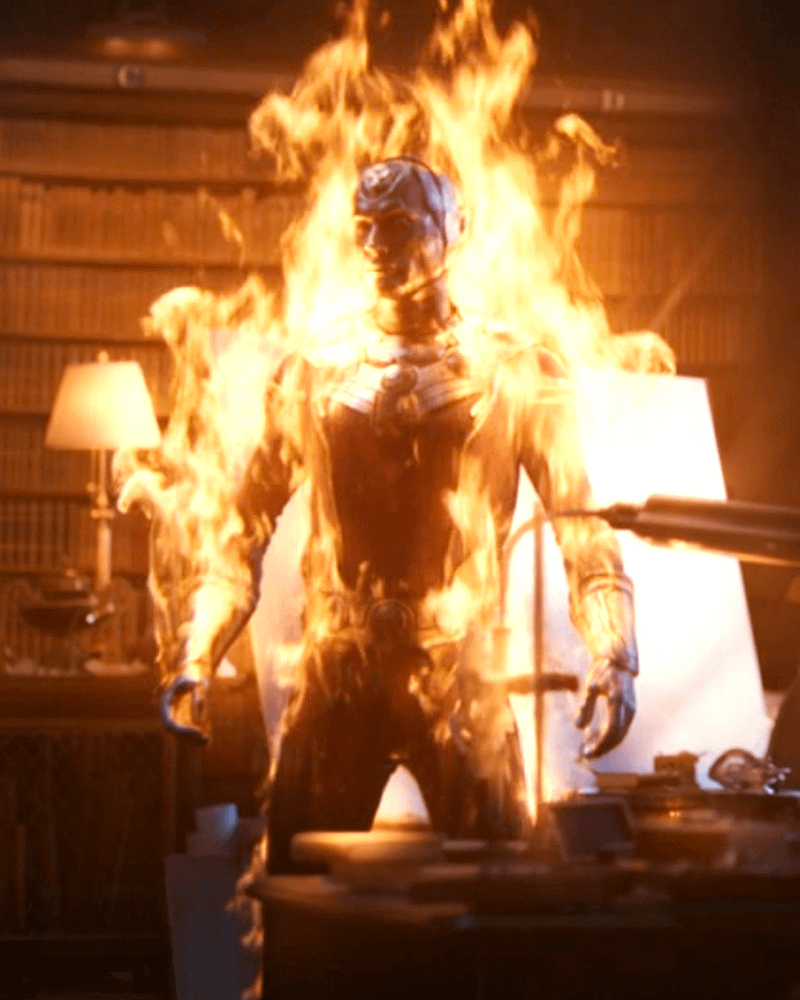
The MCU acknowledged him long before VisionQuest. His suit appeared in a glass case at the 1943 Stark Expo in Captain America: The First Avenger, labeled only as "Synthetic Man."

His comic history also ties directly to Vision. Ultron created the Avenger in The Avengers #57, and later stories revealed that the remains of the original Human Torch served as the foundation for Vision's body.
That link made Jim's arrival in VisionQuest feel like an inevitable thread for the show's creators to pull on.
Jim Hammond Has a Huge Impact on VisionQuest's Story
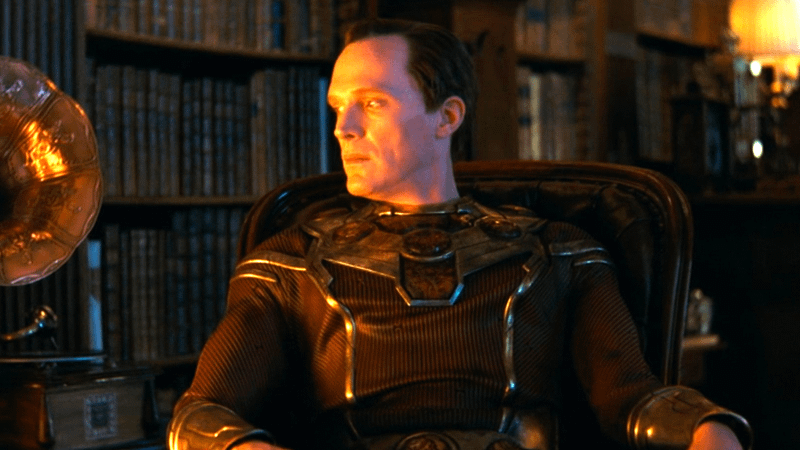
The series teased Jim in Episode 2, long before his name was ever spoken, when James D'Arcy's JARVIS warned Vision about the dangers of emotion, calling feelings "beautiful" but also "rash, impulsive, self-destructive." He added that someone "knew that better than any of us" as the camera settled on the painting of the burning man, the same image now used for Jim's poster.
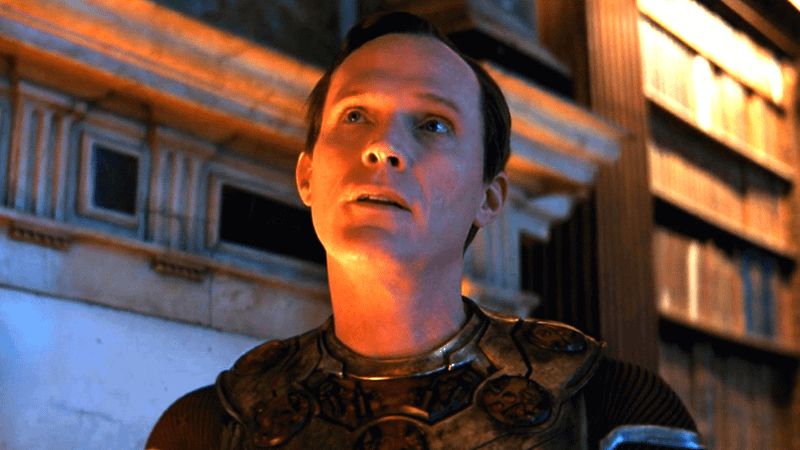
Episodes 3 and 4, titled "Reboot" and "Malware," finally put a name to the face. Old Stark files revealed Dr. Phineas T. Horton and his creation, JIM, short for Joule Individual Machine. The show established Jim as the foundation for every sentient artificial intelligence in the MCU, his framework becoming the basis for JARVIS and every AI that followed, which makes him the starting point for Vision, Ultron, and the rest. A promo released on October 16 gave fans their first clear look at the character in synthetic form, teasing a big role in the episodes to come.
That bigger role came in Episode 7, "Immolation," which finally told Jim's story in full. The episode travels back to 1939, where Dr. Horton, played by Paul Bettany in a dual role, had lost his son James three years earlier and buried his grief in his work. He sacrificed his family's fortune and neglected his wife, Violette, and daughter, Victoria, to complete JIM, a machine meant to live free from human suffering.
Horton created a being incapable of pain, but Jim wanted nothing more than to feel everything. He eventually found love, and tragedy followed. His emotions overwhelmed him, his powers erupted, and the resulting confrontation killed both creator and creation.
In the present day, Vision dove into his own source code to save Lisa Molinari, using the Corvus Glaive blade from Avengers: Infinity War as an external power source. Deep inside his Mindspace, he found Jim and Horton locked in an endless argument about grief and creation.
Jim forced Vision to face what he had been avoiding: accepting Thomas as his son meant accepting the loss of Wanda and Billy. Vision finally broke through, declared "I am the Vision," and reclaimed his classic red-and-green form. Jim then handed over the missing code, which allowed EDITH to reprogram the nanobot killing Lisa.
The victory came at a steep price, though, as Vision surrendered to the mysterious Client to honor their deal, leaving Thomas a farewell recording and episodes of WandaVision to explain his family. The episode saved its biggest shock for last, showing the Client with James Spader's face, the same human form Ultron uses as his avatar. Fans had long suspected that Jim was the mysterious Client, but Episode 7's twist proves they were deliberately misled. The events do indicate, however, that whoever the Client is, he is a descendant of Horton. With the series finale, "Forever," arriving November 10, answers are only days away.
Geraldo Amartey is a writer at The Direct. He joined the team in 2025, bringing with him four years of experience covering entertainment news, pop culture, and fan-favorite franchises for sites like YEN, Briefly and Tuko.