Marvel Studios president Kevin Feige has revealed an unsurprising list of Marvel's most important franchises. The Marvel brand has always left a lasting impression on popular culture through its characters, but some have made a bigger mark than others. In the '90s and 2000s, Spider-Man, Hulk, and Wolverine were the undisputed faces of the brand. As Marvel evolved to unprecedented heights with the launch of the MCU in 2008, the hierarchy of power changed.
Speaking with Entertainment Weekly in an exclusive cover story promoting Avengers: Doomsday, Kevin Feige highlighted the franchise's most important brands, spotlighting the X-Men, a property Marvel was unable to touch for more than a decade. He made clear that the mutants are so crucial that an "almost limitless" number of stories could be told with them in the MCU:
"The X-Men are extremely important. You can't underestimate it. When you look at the comics, other than Avengers and Spider-Man, there's almost nothing more important. We talk about it in terms of sagas, because there's so many amazing sagas within the X-Men comics over the past 60 years. The potential to continue our film series is almost limitless now that we have access to the X-Men."
Feige's list isn't exactly surprising, but it does show how far the Avengers have come as a property. In the '90s and 2000s, the Hulk was arguably a bigger brand across all Marvel media, from comics to animation to film. His slide down the pecking order is largely due to the complex rights deal Marvel struck with Universal years ago, which has prevented the green giant from getting a solo film in the MCU.
Marvel's Three Most Important Brands and Why They're So Crucial
The Avengers
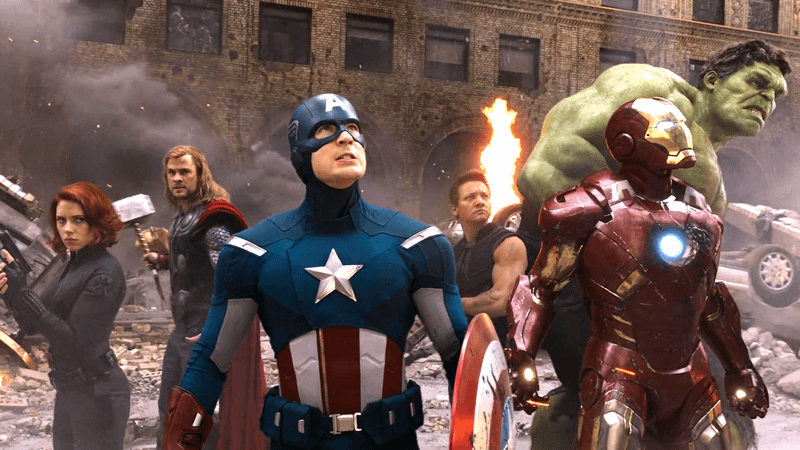
The Avengers have always been important, but their popularity has multiplied several-fold over the last decade. The brand is neck and neck with Spider-Man as Marvel's biggest at the moment, thanks to the Avengers movies. When the MCU commenced in 2008, Marvel meticulously introduced individual members of the team to general audiences through solo films, notably Iron Man, Thor, and Captain America: The First Avenger. Then, in 2012, under director Joss Whedon, those characters assembled to fight a world-ending threat in Loki.
The film grossed $1.52 billion at the box office, and no Avengers movie has earned less than a billion since, an unprecedented run for a franchise now four films in, with the fifth, Avengers: Doomsday, arriving December 18. The series has even evolved into a $2 billion property since Avengers: Infinity War, and Doomsday could take things a step further if it manages to hit the $3 billion threshold.
A franchise this big opens the door to even more revenue through merchandising. Disney revealed in its November earnings report that the Avengers brand generates over $1 billion in global retail sales every year, a steady stream on top of the films' grosses, which encapsulates why it ranks among Marvel's three most important franchises.
Spider-Man
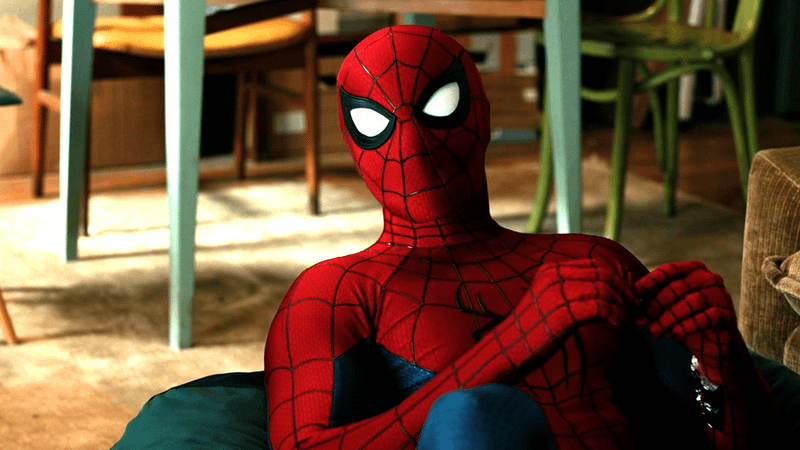
Spider-Man has been a superstar from day one, since Stan Lee and Steve Ditko brought him to life in 1962. The web-slinger's fame has never waned, growing in popularity and importance over the years. Tobey Maguire made the character even more beloved when he embodied the web-head in Sam Raimi's Spider-Man trilogy in the early 2000s. Marvel shares the rights to Spider-Man with Sony, and together the two studios have made him one of the most profitable brands in entertainment history.
Spider-Man officially entered the MCU in 2016's Captain America: Civil War, and the brand became a billion-dollar film property with Spider-Man: Far From Home and Spider-Man: No Way Home, both of which crossed the milestone at the global box office.
This summer's Spider-Man: Brand New Day did even bigger numbers, grossing $2.52 billion worldwide to become only the third film in history to cross $2.5 billion, behind Avatar and Avengers: Endgame. Like the Avengers, Spidey generates over a billion dollars in merchandise sales every year.
The X-Men
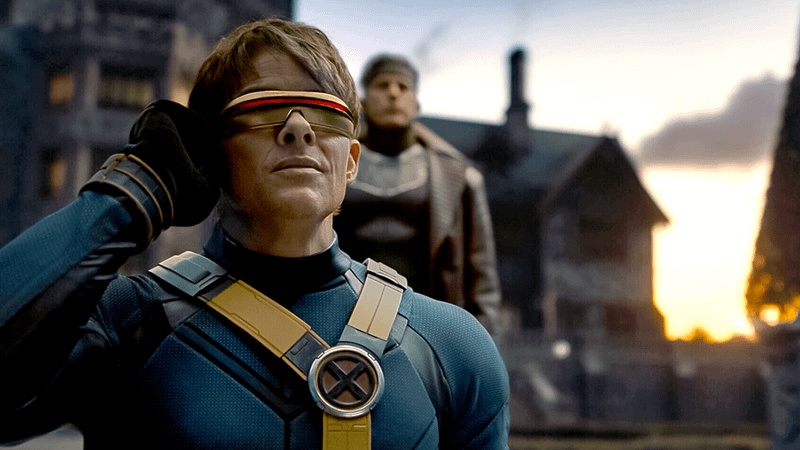
Stan Lee and Jack Kirby introduced the X-Men in 1963, and like Spider-Man, they were an instant hit. What made the X-Men so popular was their relatability. Their stories border on real-life human experience, touching on themes of prejudice, found family, and survival. As a brand, they're significant not only because of the money they rake in for Marvel and Disney, but because they give voice to the injustices that happen in society, especially against marginalized groups. The mutants are so popular that individual characters are mega-brands on their own, notably Wolverine, whose solo movies were just as big as the team-up X-Men films of the 2000s.
20th Century Fox held the rights to the X-Men for decades until Disney acquired the studio in 2019, bringing the mutants back into Marvel's custody. Marvel has been slowly incorporating them into the MCU ever since. Patrick Stewart appeared as a variant of Charles Xavier in Doctor Strange in the Multiverse of Madness. Kelsey Grammer returned as Beast in The Marvels.
Deadpool & Wolverine brought even more fan-favorite mutants into the spotlight. Avengers: Doomsday will take this further by bringing back familiar Fox-era faces, including Ian McKellen's Magneto, Alan Cumming's Nightcrawler, and James Marsden's Cyclops, among others.
The X-Men will then be relaunched after Avengers: Secret Wars, with the MCU's first X-Men film kicking off Marvel's 2028 slate in May of that year under Thunderbolts director Jake Schreier. A new cast has already been assembled, with Sadie Sink as Jean Grey, Kit Connor as Cyclops, Maya Boyd as Storm, and Samara Weaving as Emma Frost, with Adam Driver playing the villainous Mister Sinister.
The brand could grow even bigger under Feige's stewardship. He got his start in the superhero business as an associate producer on the Fox-era X-Men films, and he told EW that regaining the characters was "the most important aspect" of the entire Disney-Fox deal.
Geraldo Amartey is a writer at The Direct. He joined the team in 2025, bringing with him four years of experience covering entertainment news, pop culture, and fan-favorite franchises for sites like YEN, Briefly and Tuko.