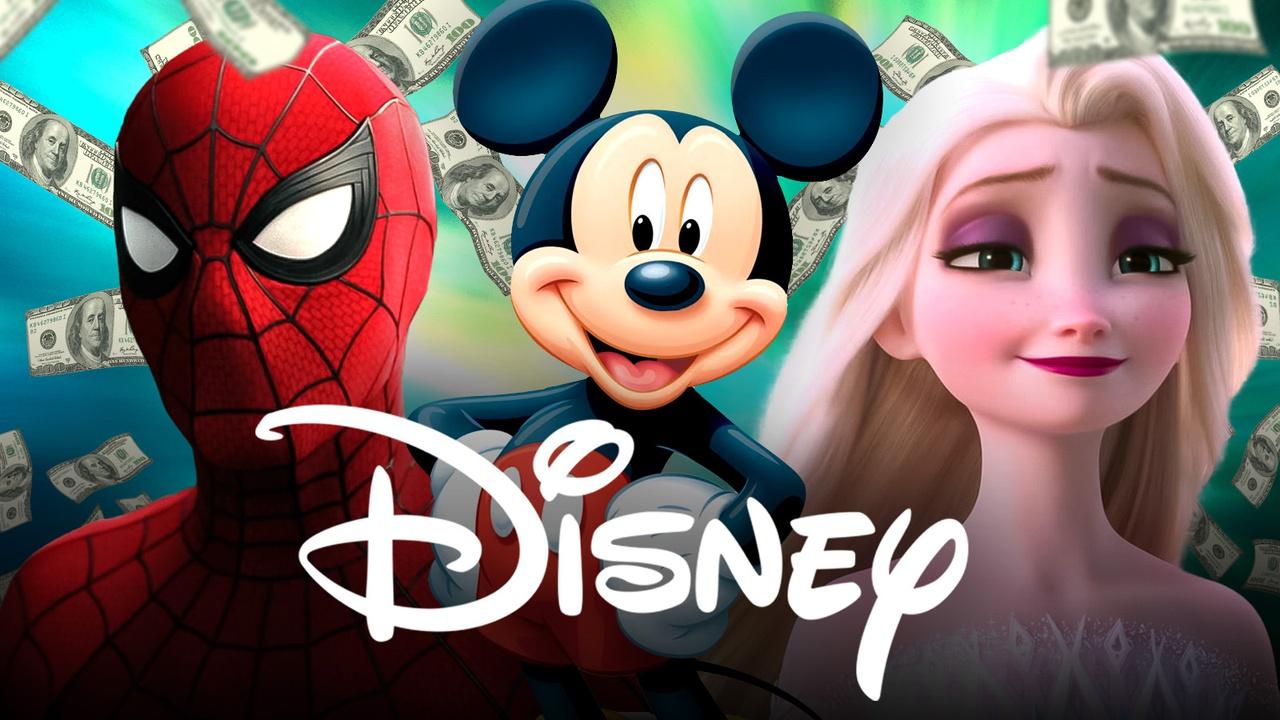
The Walt Disney Company has revealed its 12 major franchises that each earn more than $1 billion a year, highlighting their enduring appeal across the globe. Since it was founded in 1923, Disney made its mark on the world when it introduced its flagship character, Mickey Mouse, who became a commercial success after the 1928 animated short Steamboat Willie. Since then, the company has introduced more characters that have gone on to become even more popular than Mickey Mouse.
During its fourth-quarter earnings call on Tuesday, November 17, Disney unveiled a graphic naming the 12 franchises that generate more than $1 billion each in global retail sales, based on fiscal 2025, covering everything from toys and clothing to home goods. Among the franchises listed, two come from the Marvel Cinematic Universe, which highlights how much of a juggernaut Marvel's shared universe has become for its parent company over the years.
The earnings report showed Consumer Products revenue jumping 12% in the quarter, led by games and licensing, which Disney credited to its franchise investments and growing anticipation for Avengers: Doomsday, a further indication of how important the MCU is to revenue generation at Disney. It is worth noting that the retail sales for these franchises do not even include what they generate at the box office or their contribution to Disney's Experiences division, the company's biggest source of operating income.
Disney Reveals Its 12 Billion-Dollar Franchises
Avengers
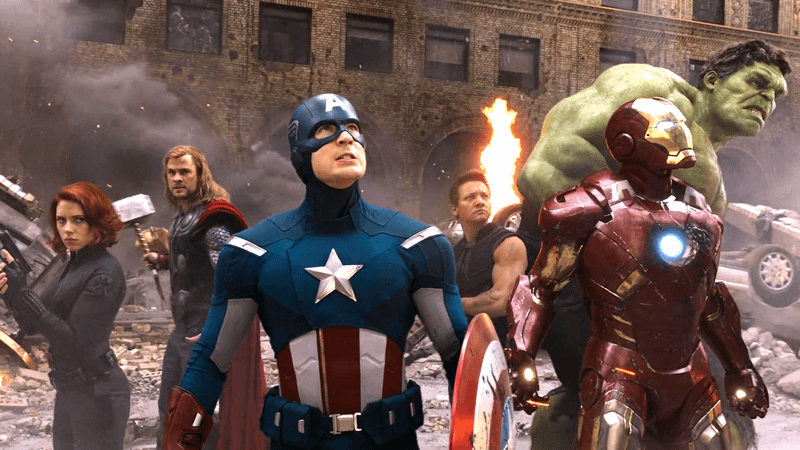
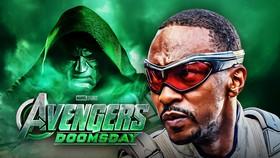
Unsurprisingly, the Avengers franchise made the list, with the Earth's Mightiest Heroes serving as Marvel's biggest retail machine. The Avengers have been big for decades thanks to Marvel comics and animated TV shows. However, the MCU propelled the franchise to unprecedented levels with the team's first movie in 2012, which generated $1.5 billion at the box office.
This naturally had an impact on retail sales, with action figures of characters like Iron Man, Captain America, and Hulk surging like never before. Toy partners like Hasbro generate millions of dollars for Disney every year, and that legacy has endured as the MCU produces even bigger Avengers movies, with Doomsday set to be its biggest yet.
Disney also revealed that August was the biggest month ever for Marvel content on Disney+, fueled by Brand New Day's summer run and the debut of the Doomsday trailer. As far back as 2013, with the Avengers among its top brands, Disney set a licensing record with more than $40 billion in retail sales of licensed merchandise.
Disney Jr.
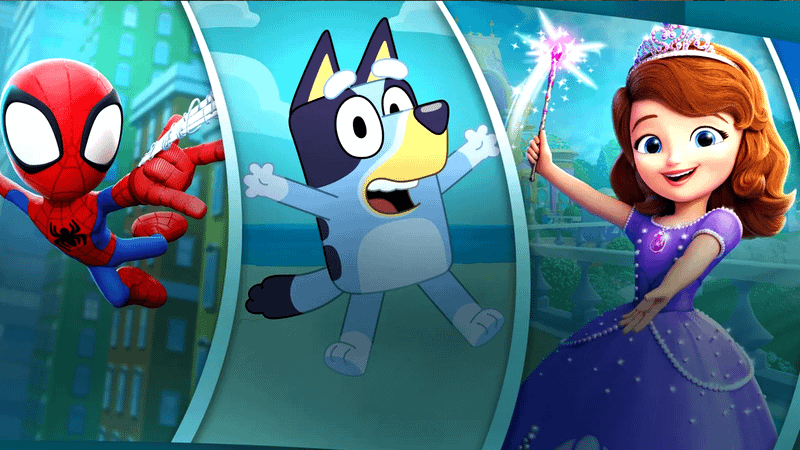
Disney Jr. is the company's preschool arm, home to series like Mickey Mouse Clubhouse, its revival Mickey Mouse Clubhouse+, and Marvel's Spidey and His Amazing Friends. Preschool brands move serious product since young kids are obsessed with them and want items with their favorite characters' faces printed on them. Toys, bedding, apparel, and books aimed at the youngest fans make this a bigger giant than most people would imagine.
The channel rebranded from Disney Junior in 2024 and keeps adding new characters to the licensing pipeline. Kids will always love their preschool characters, so this franchise is sure to keep the revenue flowing for Disney for a very long time.
Frozen
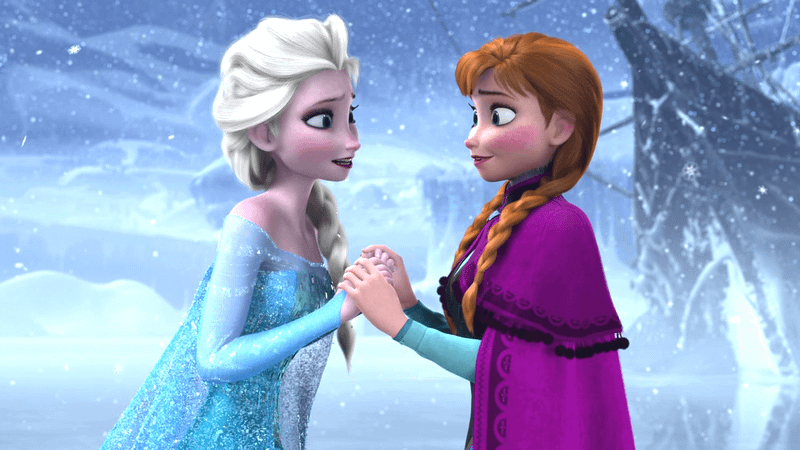
Arendelle remains a retail kingdom in Disney's world. Frozen and Frozen II earned a combined $2.7 billion at the box office, but the real magic happened in stores. In 2014 alone, Frozen merchandise sales hit an estimated $1 billion in the United States, with the Elsa doll even outselling Barbie that year.
Disney is known for doubling down on its most lucrative franchises, and naturally a third and fourth movie are in the works. Frozen 3 arrives November 24, 2027, with Jennifer Lee, the Oscar-winning filmmaker behind the first two films, back as writer and director.
Frozen 4 is also in development, likely to arrive around 2030. World of Frozen lands are also now open at both Hong Kong Disneyland and Disneyland Paris. With a third movie arriving soon, Frozen merchandise is expected to print even more money than it did for Disney in fiscal 2025.
Lion King
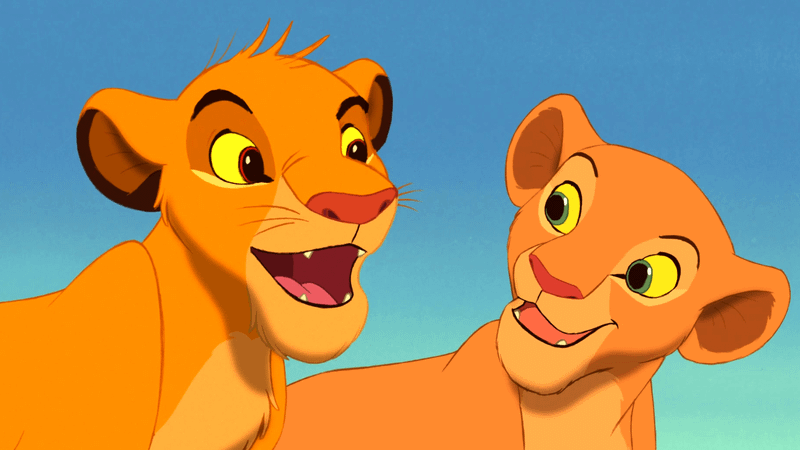
The Lion King has been one of Disney's most profitable franchises for decades, and that has not changed. The original animated classic earned just under $1 billion worldwide, while the 2019 remake grossed $1.66 billion, and Mufasa: The Lion King added another $722 million in 2024.
On stage, The Lion King musical is the highest-grossing entertainment title in history, a Guinness World Record holder with more than $9 billion earned worldwide and more than 100 million tickets sold. Nostalgia tied to the original film has driven revenue for Disney on the merchandise side, with adults who grew up on the movie rushing to stores to grab Lion King-themed goods when the 2019 film hit theaters. A Lion King-themed area is also on the way to Disneyland Paris, which will make the franchise even more lucrative.
Mickey Mouse
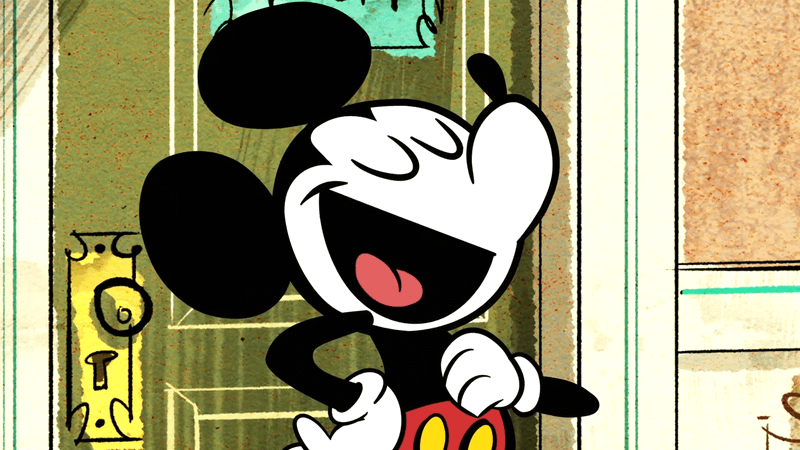
The mouse that started it all still moves mountains of merchandise. Mickey debuted in Steamboat Willie on November 18, 1928, which means this earnings reveal came a day before his 98th birthday. Retail estimates for Mickey and his friends peaked at an estimated $9 billion in 2010 and have stayed in the billions for decades.
Mickey is a huge part of everything from fashion collaborations to home goods. His silhouette remains the most recognized symbol in entertainment, and the mouse still dominates the retail space.
Minnie Mouse
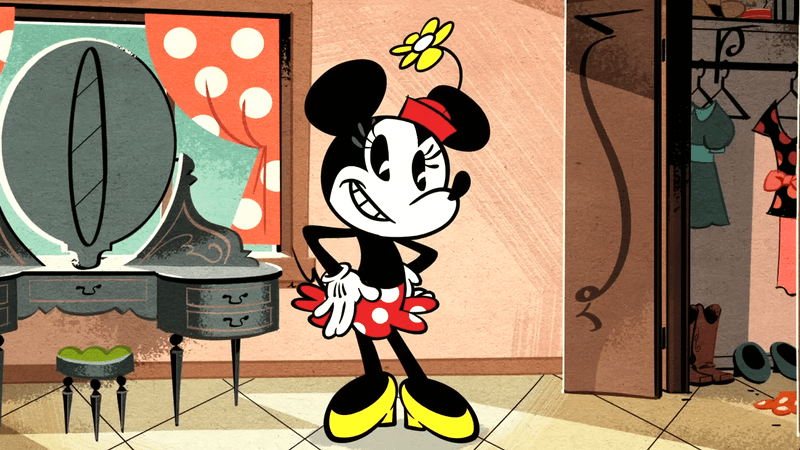
Minnie debuted alongside Mickey in 1928 and built a retail identity all her own. Her polka-dot bow anchors a fashion empire that includes kids' clothing to designer collections. Minnie even received her star on the Hollywood Walk of Fame in 2018. Mickey's love interest is almost as big as he is, and the duo rake in billions for Disney.
Disney Princess
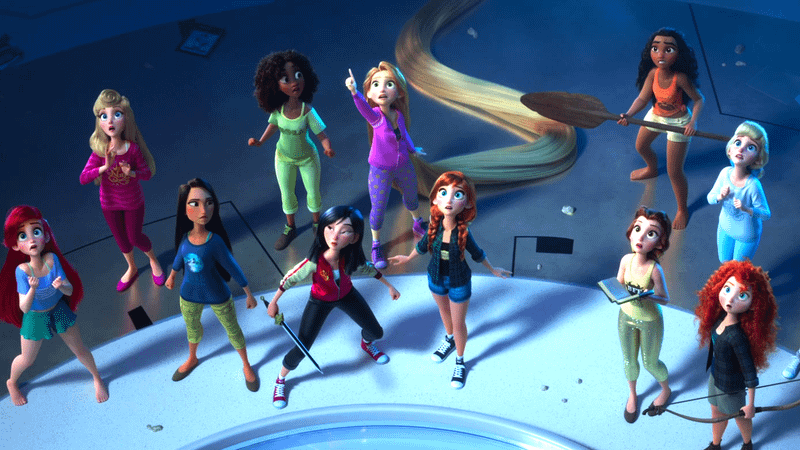
Disney created the Princess brand in 2000 by grouping its heroines under one marketing umbrella, and it was a lucrative decision. Sales exploded from $300 million to $3 billion within five years, turning it into the largest girls' brand in the world. The lineup now features 13 princesses, including Snow White, Moana, and Raya.
The brand keeps growing thanks to its on-screen releases. Moana 2 crossed $1 billion at the box office in 2024, and live-action remakes like The Little Mermaid, Snow White, and Moana have kept the princesses in the headlines in recent years.
Spider-Man
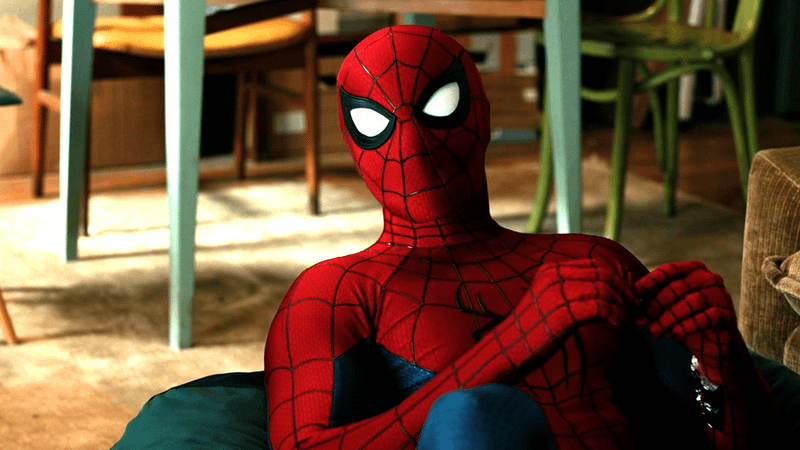
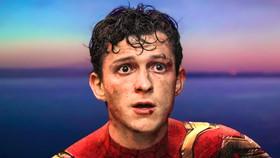
Spider-Man might be the hardest-working hero in retail. Disney controls the character's merchandising rights, while Sony distributes his solo MCU films. That arrangement paid off again this summer when Spider-Man: Brand New Day grossed $2.52 billion worldwide, the biggest haul ever for a Spider-Man movie.
The web-slinger's lifetime merchandise sales are in the tens of billions of dollars. A first-of-its-kind Spider-Man coaster is also set to feature at a new themed land at Shanghai Disneyland, pushing Stan Lee and Steve Ditko's creation to even greater heights of popularity.
Star Wars
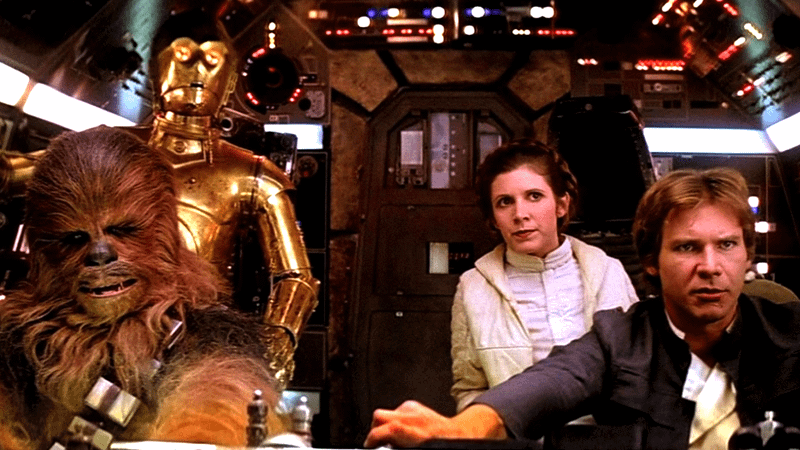
Disney paid $4.05 billion for Lucasfilm in 2012, and the merchandise alone justified the price. Star Wars products have generated tens of billions in retail sales since 1977, with recent annual estimates coming in between $2 billion and $3 billion.
Disney+'s The Mandalorian turned Grogu into a toy-aisle phenomenon thanks to his tiny green frame and adorable baby eyes. The LEGO Star Wars toy line is also one of the most lucrative licensing partnerships in history and a major contributor to the franchise's merchandising success.
Stitch 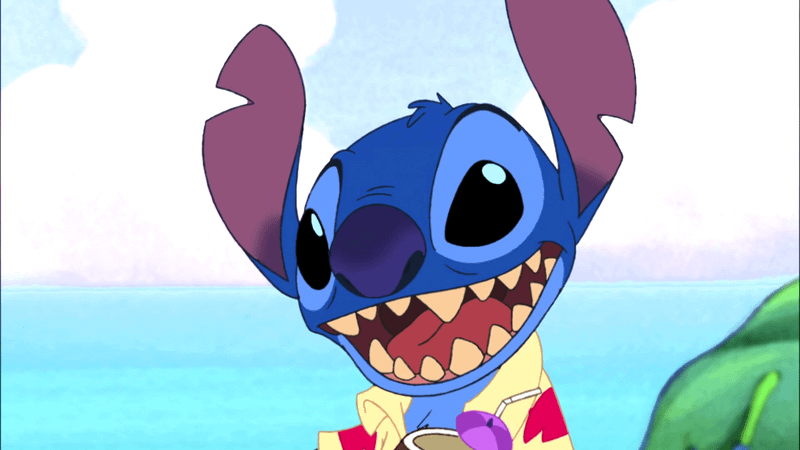
The live-action Lilo & Stitch crossed $1 billion at the global box office in 2025, with the blue alien's plush toys selling out worldwide, especially in Asia.
Lilo & Stitch 2 is on the way for May 26, 2028, with Stitch's love interest Angel set to appear, and Disney named it one of its next billion-dollar franchise chapters in the earnings release. If the movie proves successful, Angel is likely to become another merchandising juggernaut for Disney given her cute pink design, which is sure to entice kids.
Toy Story
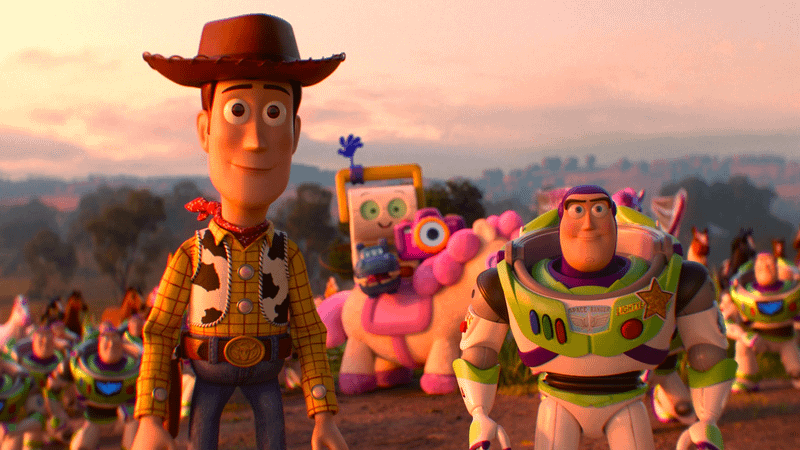
Pixar's flagship franchise, Toy Story, has been a money-maker since 1995. Toy Story 3 and Toy Story 4 both crossed $1 billion, and Toy Story 5 continued the franchise's lucrative run this summer with $1.15 billion worldwide, making it the highest-grossing film of 2026.
The five films have now earned more than $4 billion combined. Toy Story also earns more than $1 billion annually in worldwide retail sales. Woody and Buzz have been in demand on toy shelves for three decades, which is fitting for a franchise about toys.
Winnie the Pooh
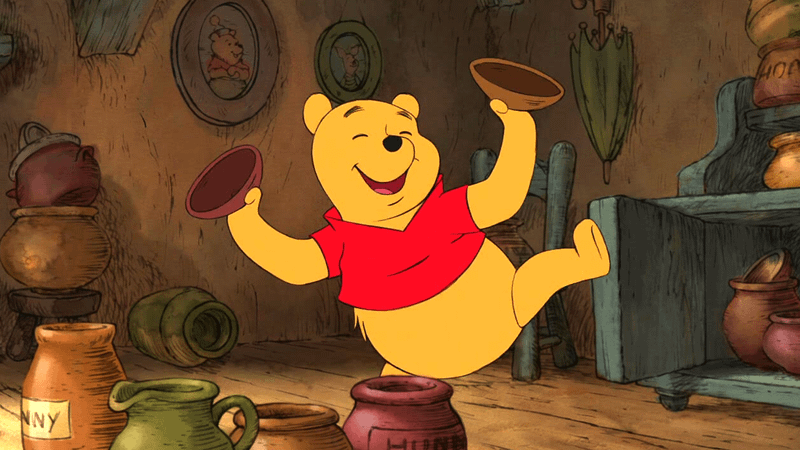
The bear of very little brain rakes in very big sales. Disney licensed A.A. Milne's characters in 1961, and Pooh became one of the best-selling franchises ever, with lifetime retail estimates reaching $50 billion. That is remarkable for a property with no blockbuster film pipeline backing it.
Pooh is able to sell on nostalgia alone, which is why he remains a billion-dollar property. Plush, nursery decor, and apparel keep the Hundred Acre Wood on shelves all year. Winnie is the type of character who remains evergreen regardless of changing entertainment trends and audience tastes, about as close to a perpetual money machine as a character can get.
Geraldo Amartey is a writer at The Direct. He joined the team in 2025, bringing with him four years of experience covering entertainment news, pop culture, and fan-favorite franchises for sites like YEN, Briefly and Tuko.
 B Every Year" style="width:100%;height:auto;" loading="lazy">