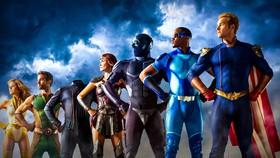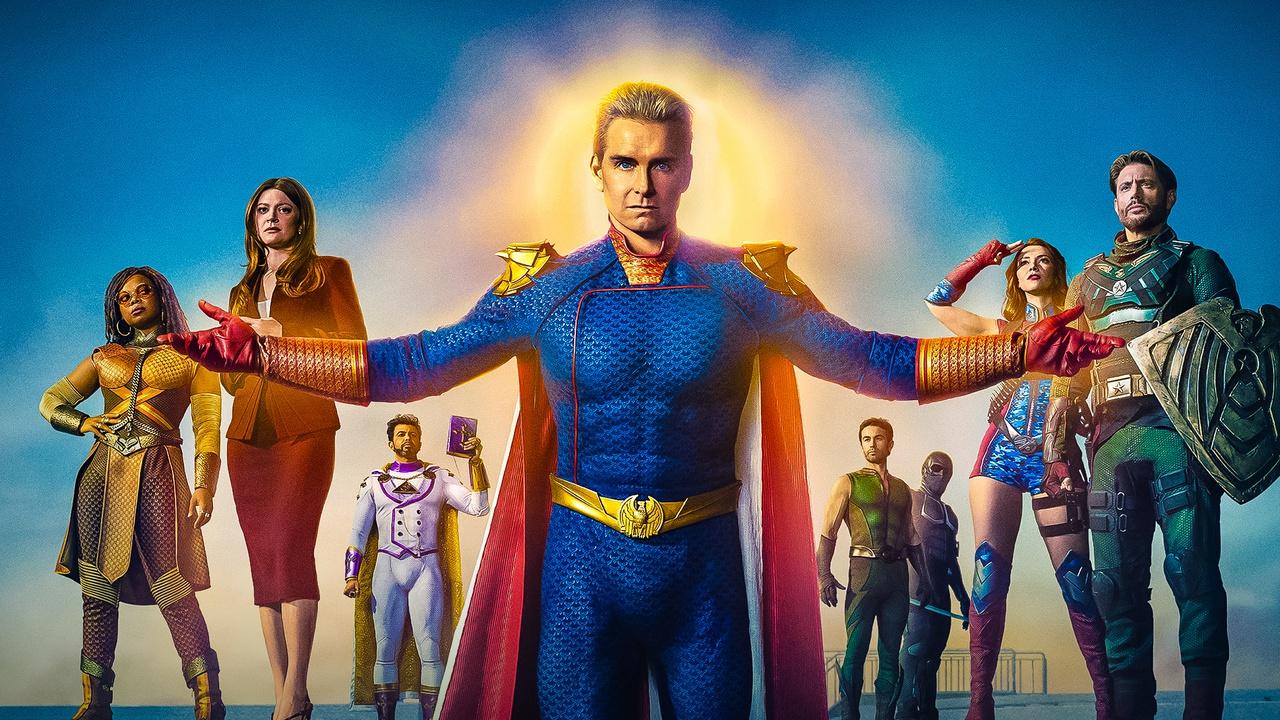
As The Boys heads into its explosive final chapter, Season 5 is shaping up to deliver a brutal wave of character deaths. Premiering April 8 with its first two episodes, the final season is expected to raise the stakes immediately, potentially having major fatalities in Episode 1. Given the show's history and its roots in the original comics, several of these shocking moments may not come as a surprise.
Season 5 of The Boys brings back its core ensemble, including a few Marvel alums like Karl Urban, Jack Quaid, Erin Moriarty, and many more, for one last chaotic ride. The final season also directly follows the fallout of Gen V Season 2, continuing the shared universe storyline as the ultimate battle between Bill Butcher (Urban) and Homelander (Antony Starr) reaches its climax.
One wild re-addition to Season 5 will be Soldier Boy, played by Jensen Ackles, seen working alongside Homelander in the season's trailer. This (technically) father-son duo will be able to rain down hellfire on most of what stands in their way with their collective superpowers. That line of thinking also leads to Cameron Crovetti's Ryan, who will likely now have advanced powers that could be used against Homelander.
With the story barreling toward its conclusion, all signs point to a blood-soaked finale where numerous characters won't make it out alive, especially if the show leans into its comic book roots.
Possible Deaths in The Boys Season 5
A-Train
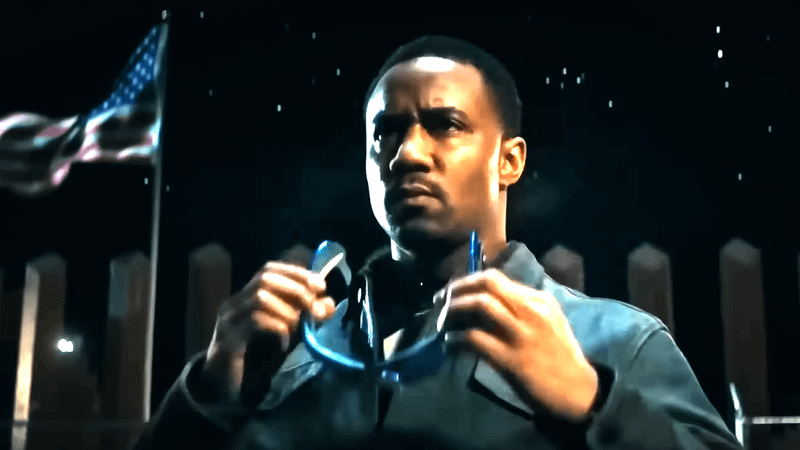
In the comics, it's Hughie who kills A-Train, kicking his head clean off his shoulders after Butcher engineers a confrontation and forces the speedster to admit on tape that he never felt a moment's remorse for killing Robin.
The Amazon Prime version of A-Train (Jessie T. Usher) has taken a different route, undergoing a genuine redemption arc across four seasons and ending Season 4 as a secret informant who helped The Boys escape.
That transformation makes his potential death on the show far more likely to come as a hero, killed by an old friend and a new enemy like Homelander.
Homelander
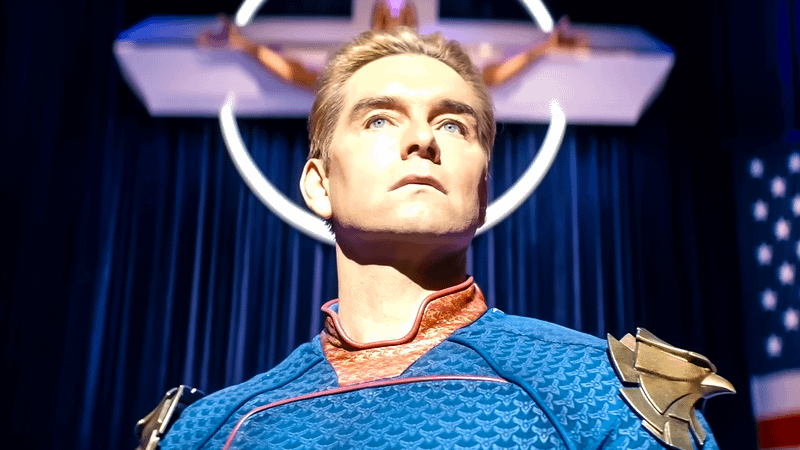
Homelander's comic book death arrives almost as an afterthought: Black Noir, a secret clone engineered to kill him if he ever went rogue, tears him apart.
The show dismantled that twist entirely by having Homelander kill the original Black Noir in Season 3.
Season 5 opens with Homelander in near-total control of America, backed by a newly elected sympathetic president and commanding a supe army from the Oval Office.
A Ryan-kills-his-father ending remains the most compelling and emotionally resonant theory the show has built toward, but Butcher will certainly also want his chance to take down the super villain.
Black Noir
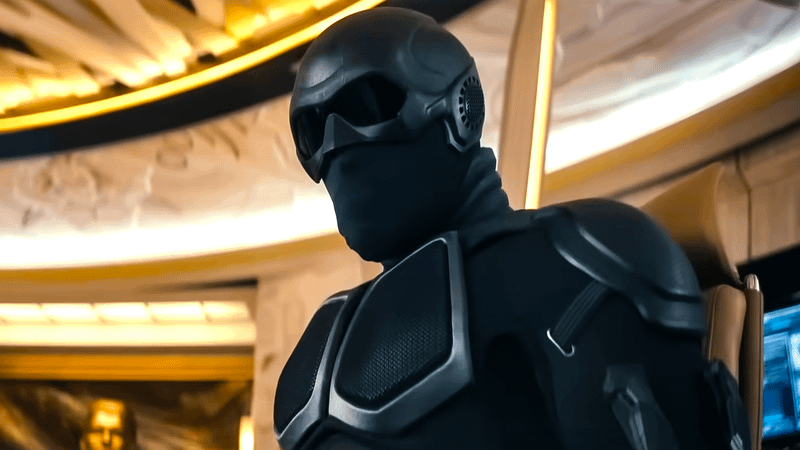
The Boys TV series gutted the comics storyline when it killed the original Noir in Season 3, replacing him with a new, largely undefined character who exists mostly as a visual placeholder.
Without the foundation of the clone twist, the weight and tragedy of his comic book death simply cannot be replicated on screen. Black Noir II could easily die in Season 5 as part of the general carnage, especially given the on-page and on-screen history that whoever wears that all-black suit won't last long.
Love Sausage
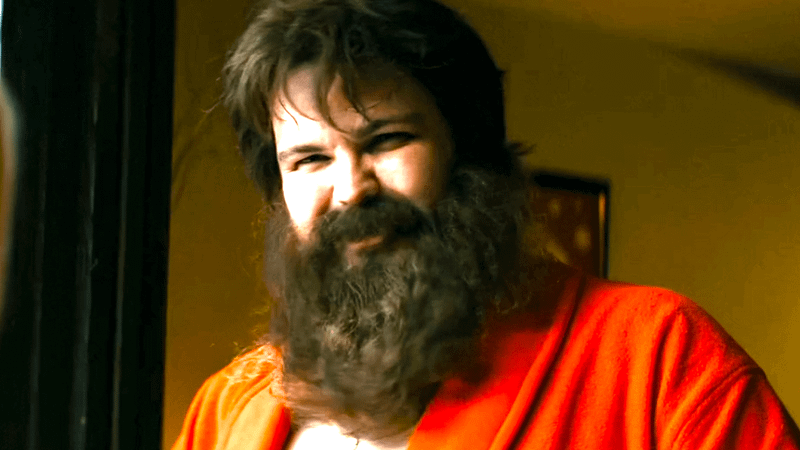
In the comics, Love Sausage is one of the rare genuinely good Supes, a loyal ally to The Boys who is ultimately killed by Butcher's purge simply for having Compound V in his veins. He has a radically different role in the TV series.
Intriguingly, Season 5's first episode is titled "Fifteen Inches of Sheer Dynamite," a direct nod to a specific Love Sausage-centric comic issue. this strongly suggests he'll have a more prominent role in the final season.
Mother's Milk
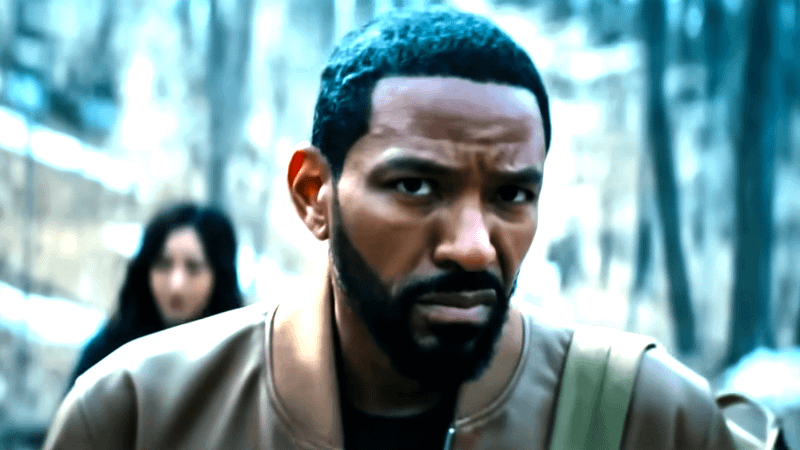
Mother Milk's (MM) comic death is among the most deliberately cruel in the entire final arc: Butcher detonates a grenade in his face and then smothers him, killing the most morally grounded member of The Boys just because he stood in the way of his genocidal endgame.
The show has deepened MM far beyond his comic-book counterpart, giving Laz Alonso a fully developed family life and a recurring emotional arc that makes the prospect of his death hit even harder.
Whether the show has the nerve to go through with it as darkly as the comics did remains genuinely uncertain, but the groundwork is thoroughly laid.
Frenchie
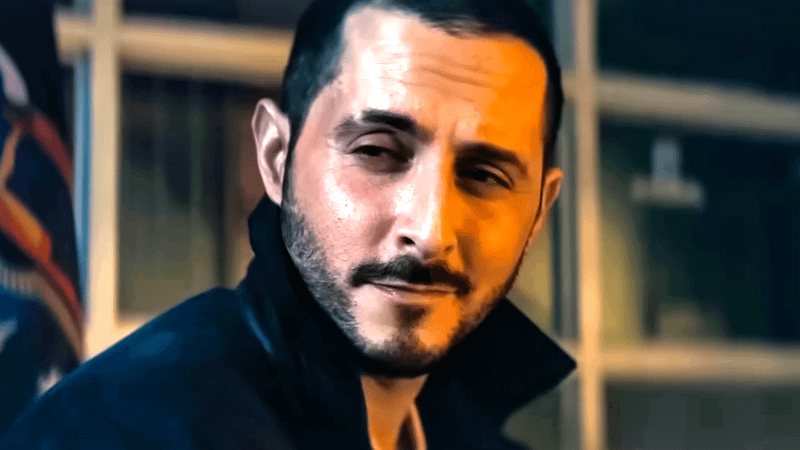
In the comics, Butcher plants explosives at The Boys' headquarters and leaves before Frenchie and Kimiko arrive. This gives Frenchie only enough time to lift a curtain, see the detonator, and confess his love to Kimiko before the building comes down around them both.
The TV series has already pre-empted that final confession by putting Frenchie and Kimiko in a romantic relationship, which means the show would need to find a different emotional ending. Given the expectation of many deaths this season, it seems like Frenchie could be a prime candidate.
Kimiko
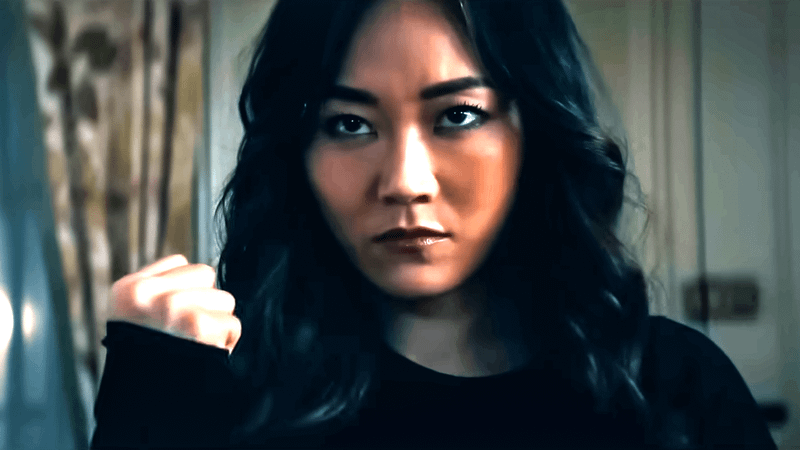
Kimiko dies alongside Frenchie in the comics, which the series may try to recreate in some way.
Season 5's promotional material suggests Kimiko can now speak, a new dimension added right at the end of the series. In The Boys Season 4's finale, Kimiko regained her voice in a trauma-fueled moment as Frenchie was taken away, "No!" breaking her long-standing silence and carrying into Season 5.
Kimiko would be a brutal loss for many fans of The Boys, but the character has flirted with death a few times before, so her time may have finally run out.
Butcher
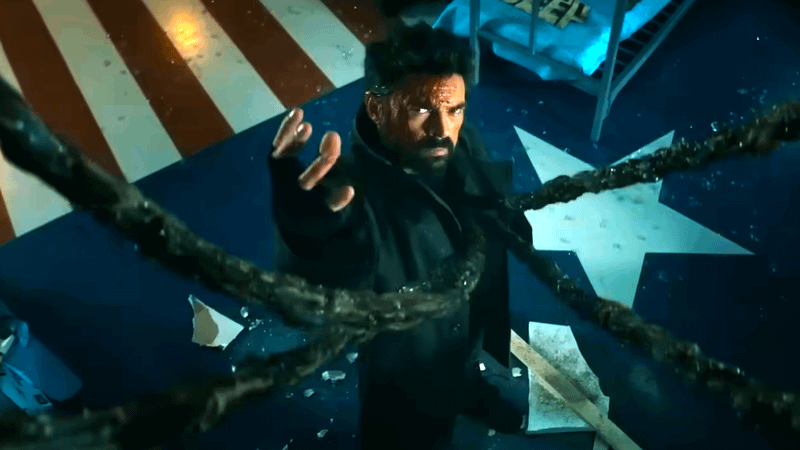
Oi, comic book Butcher is the villain of the story: after killing Homelander, he begins murdering every Supe on earth, including his own team, before setting up his own death by provoking Hughie into stabbing him through the chest.
Karl Urban's Butcher is a bit more humane figure than his comics counterpart, a man with love for characters like Hughie and Ryan, but Season 4 ended with him murdering Victoria Neuman against his team's wishes and surrendering to the darkest version of himself while a Supe-killing virus mutates inside his body.
The structural parallel to the comics is impossible to ignore, and Butcher might be the one that's most likely to die. It's hard to see The Boys Season 5 ending with Butcher or Homelander still standing; the rest of the characters are up in the air.