
When Eve Ridley's Ruthye asked Milly Alcock's Kara whether she was anything like her cousin Superman in Craig Gillespie's Supergirl, she refuted the suggestion, saying how he saw the good in everyone, while she saw the truth. On the surface, this is a fair enough reading of both characters by writer Ana Nogueira, showcasing Kara's jaded worldview and Clark's optimism. But she has Kara cross a line she should never have crossed in this movie, while also giving her unintentionally skewed morals.
In the comics, both Superman and Supergirl oppose killing, but depending on the continuity, Kara seesawed between it being a deeply held belief like her cousin and a matter of obligation, struggling with the temptation to end villains out of necessity or for their irredeemable crimes. Tom King's Supergirl: Woman of Tomorrow, which the 2026 movie was heavily based on, revolved around the nature of revenge and Kara's beliefs about the sanctity of life as she attempted to convince a young girl to stay her blade.
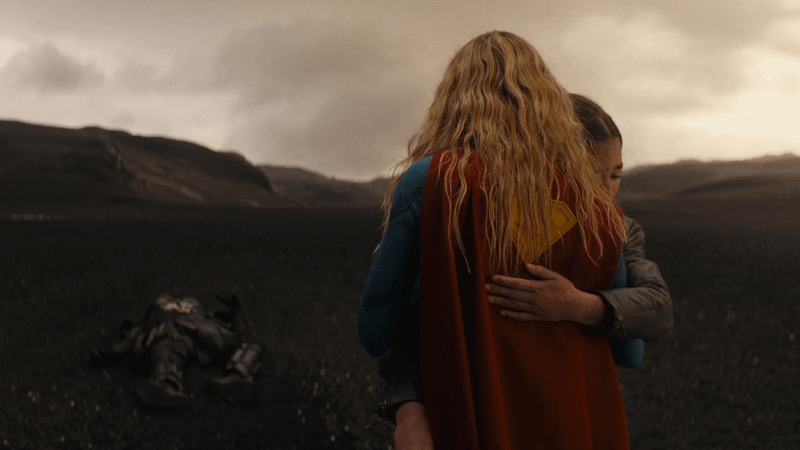
While Alcock's Supergirl does spend the majority of this adaptation steering Ruthye away from the path of vengeance, all of that is thrown away when Kara kills Krem in the climax of the movie anyway, unlike the comic, where she lets Krem live and traps him in the Phantom Zone to repent. It not only contradicts all of Kara's moralizing up to that point, but Krem's death indirectly brings Kara a sense of closure and peace, the exact opposite of what she said it would do for Ruthye.
Revenge Is Super Fufilling, Actually
In an interview with Variety, writer Ana Nogueira spoke about the controversial ending, explaining that Kara killing Krem was the Kryptonian's way of "preserving Ruthye's innocence" and "[doing] it without burdening this child." One would think this would mean Kara would take on Ruthye's burden by compromising her morals, but she ultimately doesn't compromise anything.
When Kara prevents Ruthye from killing Krem on Bilquis, the planet where the Brigands operate, she's furious and demands why he deserves to live. Kara finally tells her it's because "...it will mess you up" and that "It will haunt you for the rest of your life!" This doesn't satisfy Ruthye, who points out that despite Kara living by that creed, she still leaves Earth "to drink [herself] into a stupor" so that she "never [has] to feel anything."
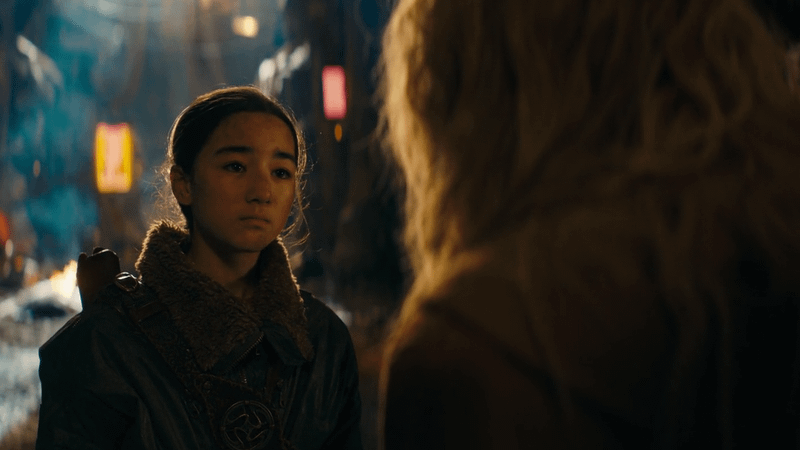
When Ruthye finally has a blade to Krem's throat in the climax, Kara tells her that "...it won't take your pain away. You'll have to carry him with you for the rest of your life," and that her heart "...is still good and open." Despite nothing having fundamentally changed between them since the last time she made this same argument on Bilquis, Ruthye accepts Kara's words anyway and spares Krem.
When Kara hugs her and takes Ruthye's family sword, she kills Krem herself. One would think that after all this, she would be haunted or, again, burdened by it in some way that would end Kara's arc on a bittersweet note. But Kara wasn't burdened by killing Krem whatsoever, and why would she? He had been nothing but an irredeemable monster, to the point that they made him look like one.
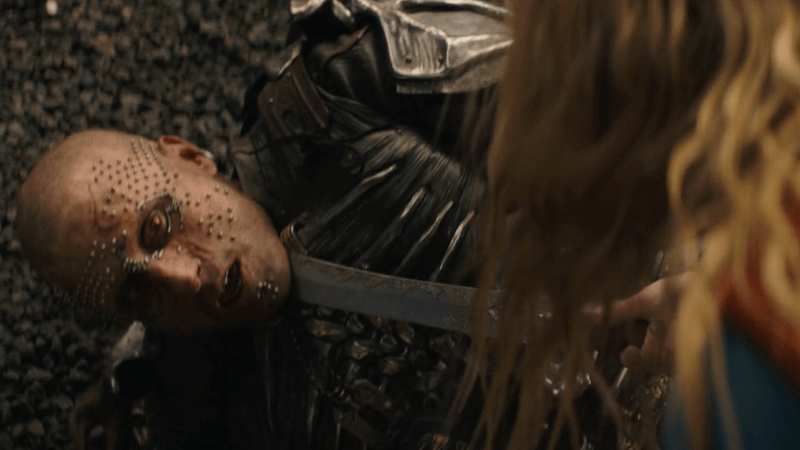
Instead of a quick, clean kill, Kara vindictively jams the blade into his gut, declaring, "That's for my dog," and then drives it into his throat, "And this is for what you did to that little girl." It's a satisfying death by design, as Nogueira admitted, in the same Variety interview, that she crafted this version of Krem to be "a total POS" that audiences would love nothing more than to see dead.
"And we also had to see that Krem is just like a total POS; that this guy is somebody that we are going to want to see meet a certain end."
Krem and the Brigands already committed planetary genocides in the original comic, but Nogueira went above and beyond by writing them to also be sex traffickers to make them all the more deplorable to the audience and "specifically put our girls in jeopardy." After all, it's hard to argue against killing a literal race of child rapists, especially their leader.
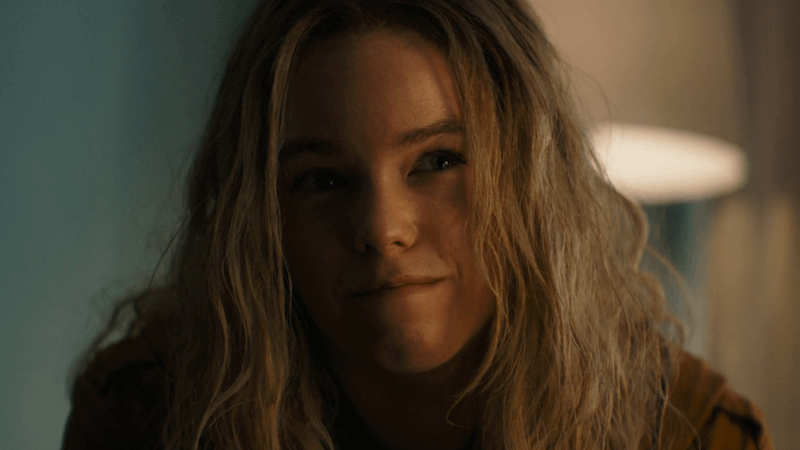
At the end of the movie, Kara becomes more unburdened than anything, happily spending more time with Ruthye before returning to Earth and actually opening up with her cousin. Kara even finally calls Earth her home, signifying that she's finally moving forward after being sent away from her father and the only home she knew.
How Man of Steel Does It (Slightly) Better
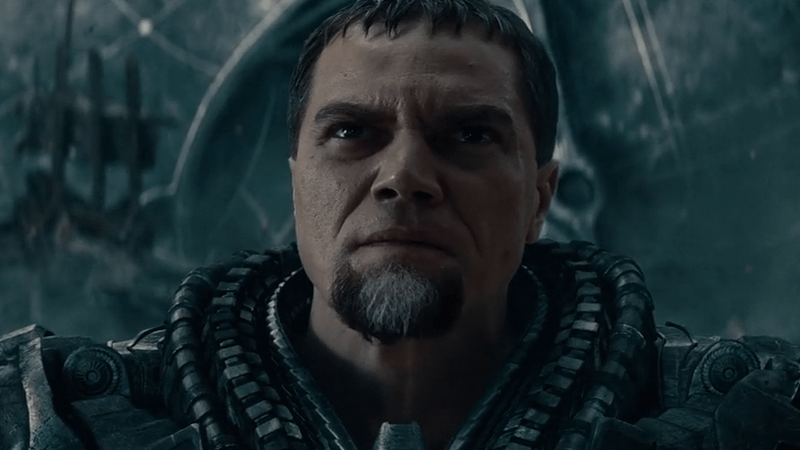
It was already controversial when Henry Cavill's Superman killed Zod in Man of Steel. At least then, the Kryptonian general was in the middle of trying to incinerate people with his newfound heat vision, forcing Superman to kill him. Even after he snapped his neck, Kal-El was immensely and immediately regretful of the act, literally collapsing to his knees and wailing in anguish at killing a man and truly becoming the last of his people.

In contrast, Kara, rather casually and with absolute zero regrets, kills a completely helpless and prone Krem in the climax of Supergirl. It only makes sense, given that Nogueira said, "...we wanted to craft a villain who would deserve this." The movie strips out any moral ambiguity or question about Kara killing him—of course he deserved it.
At least with Zod, there was a sense of tragedy to the character, despite being a genocidal zealot. Bred specifically to ensure the longevity of Krypton, his one purpose was taken from him, leading him to essentially commit suicide by Superman. In earlier test screenings of Supergirl, Krem's entire backstory and what little depth he had were removed.
He would have explained to Ruthye how his abusive upbringing among the Brigands shaped him into who he was, and that he would do the same to her, perpetuating the cycle. Not to say the original Krem had any real depth in the original Woman of Tomorrow either, but at least he was merely a wicked and opportunistic man, not the pirate captain of planet Epstein.
Even the circumstances surrounding Zod's death, while slightly contrived, made sense within the narrative, with his soldiers, including Faora, being sucked into the Phantom Zone—meaning there were no more prisons left that could hold him. However, that wasn't always the case for Krem in Supergirl, as a deleted scene showed that the Phantom Zone originally existed at one point. Kara even proposed to Ruthye that after they found Krem, they could "call the Vanguard, and he gets sent to the Phantom Zone for life."

It's no wonder this scene was cut; if it had stayed, it would only have made Kara's decision to murder Krem all the more inexcusable in the narrative and highlighted her hypocrisy. Although that might have been the intention, considering the movie went out of its way to show that Lobo, of all people, a man who killed his entire race, witnessed Kara killing Krem and smiled in approval.
Perhaps Kara might face consequences for this act of murder down the line, maybe even in Man of Tomorrow, but again, it's hard to tell if anyone would even begrudge her, considering it feels like she did the universe a favor more than anything—an oddly conflicting message coming from a character who argued against killing and revenge the whole movie.