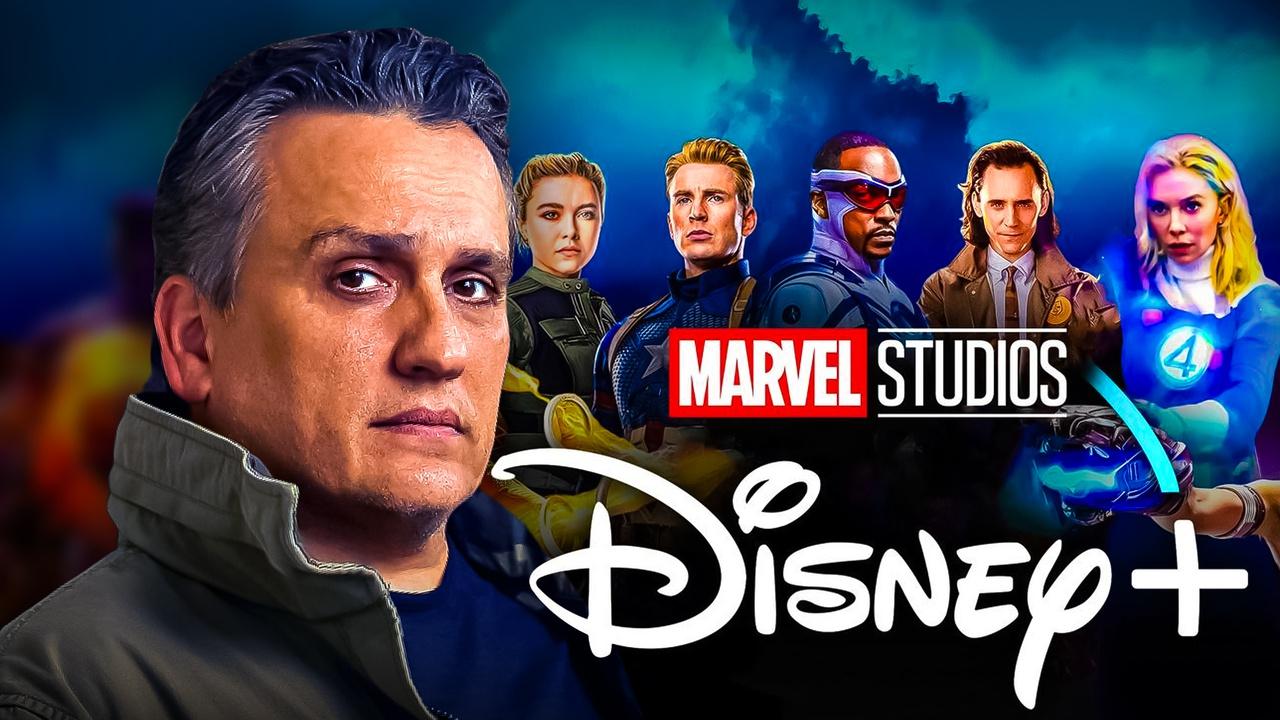
The directors behind Marvel's biggest successes have diagnosed the MCU's core problem, and whether they meant to say it or not, they're pointing directly at Disney+. In an interview with The Times, directors Anthony and Joe Russo acknowledged what fans have been screaming into the void for years: the MCU has lost its narrative focus. Anthony Russo admitted, "Yes, the MCU has got quite large, that's for sure. I mean, frankly, we struggle with that same issue." His solution? Bringing back a "focused narrative" for Avengers: Doomsday and Secret Wars, the same disciplined storytelling approach that made Infinity War and Endgame cultural phenomena.
But while the Russos diplomatically call for refocusing, they're dancing around the elephant in the room. The real culprit behind the MCU's scattered storytelling isn't the multiverse concept or superhero fatigue. It's Disney+'s aggressive content strategy that transformed Marvel's carefully constructed cinematic universe into a sprawling homework assignment that even die-hard fans struggle to complete.
How Disney+ Broke What Phases 1-3 Built

The Infinity Saga succeeded because of its disciplined approach to world-building. From Iron Man through Endgame, Marvel Studios operated with surgical precision: theatrical films drove the main narrative while everything else remained supplementary. Agents of S.H.I.E.L.D. and the Netflix shows existed in the MCU's orbit, but you never needed to watch them to understand what happened in The Avengers or Civil War.
This hierarchy was intentional and brilliant. Marvel Studios President Kevin Feige understood that the MCU's strength lay in its accessibility. Anyone could walk into a theater, watch a Marvel movie, and feel satisfied without having consumed dozens of hours of prerequisite content. The films referenced each other, certainly, but each entry worked as a complete story while building toward something larger.
Then Disney+ launched, and Marvel's content philosophy underwent a seismic shift.

Suddenly, the MCU wasn't just films anymore. Phase 4 alone delivered six Disney+ series in 2021, each running between six and nine episodes.
- WandaVision wasn't just a fun spin-off; it was required viewing to understand Wanda's motivation in Doctor Strange in the Multiverse of Madness.
- Loki introduced the multiverse concept and set up Kang as the next Thanos-level threat.
- The Falcon and the Winter Soldier explained Sam Wilson's journey to becoming Captain America, making it an essential context for future appearances rather than just a subplot.
The problem wasn't quality. WandaVision, Loki, and What If...? offered some of Marvel's most creative storytelling. The problem was structure. Disney+ series weren't designed as optional expansions; they became mandatory chapters in an increasingly fragmented narrative. The supplementary content had become the main course, and the main course was now impossible to digest without doing your homework first.
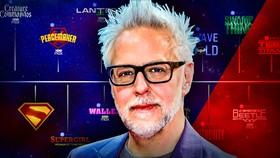
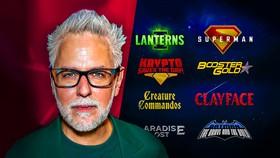
Consider the contrast with competitor universes. DC's approach to streaming keeps film and television largely separate. Even when James Gunn integrates Peacemaker and other HBO Max shows into his DCU plans, he's designing them to enhance rather than gate-keep the theatrical experience.
The MCU did the opposite, creating a universe where casual fans who made Marvel a cultural phenomenon suddenly felt lost.
The MCU's Homework Problem: When Expanded Universe Becomes a Burden

Let's quantify what Disney+ did to the MCU's viewing requirements. During the Infinity Saga's 11-year run from 2008 to 2019, Marvel released 23 films totaling roughly 50 hours of content. To fully understand the narrative arc from Iron Man to Endgame, you needed to watch those films. That was it.
In just Phases 4 and 5 combined (2021-2024), Marvel released nearly half as many films and more than 10 Disney+ series. The series' alone added roughly 50 hours of content, not counting animated shows and specials. Suddenly, keeping up with the MCU required the commitment of a part-time job.
This content deluge alienated the casual fans who powered Marvel's box office dominance. The Marvels became a cautionary tale: a film that required audiences to have watched WandaVision, Ms. Marvel, and Secret Invasion to fully grasp character relationships and plot points. For a general audience member who loved Captain Marvel in 2019, there are three separate Disney+ shows they need to catch up on before buying a ticket. Is it any wonder the film underperformed?

Ant-Man and the Wasp: Quantumania faced similar challenges. The film introduced Kang the Conqueror as the MCU's next big villain (read more on what could have happened to Kang). However, audiences who hadn't watched Loki Season 1 missed crucial context about multiversal variants and the character's significance.
The box office numbers tell the story. The Marvels earned $206 million globally, making it the lowest-grossing MCU film ever. Quantumania, despite introducing a supposedly Thanos-level threat, earned $476 million—respectable but far below expectations for an Avengers-adjacent storyline.
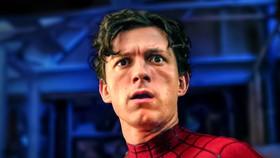
Compare this to Guardians of the Galaxy Vol. 3 (which left Chris Pratt's Star-Lord's fate ambiguous), which required minimal homework and earned $845 million, or Spider-Man: No Way Home's $1.9 billion, which succeeded partly by being accessible to Spider-Man fans of any generation.
The data reveals a troubling pattern: MCU films that require extensive Disney+ homework struggle while those that remain relatively standalone succeed. Marvel created a system that punishes casual engagement, the very audience segment that made them a cultural juggernaut in the first place.
Why This Matters for Avengers: Doomsday
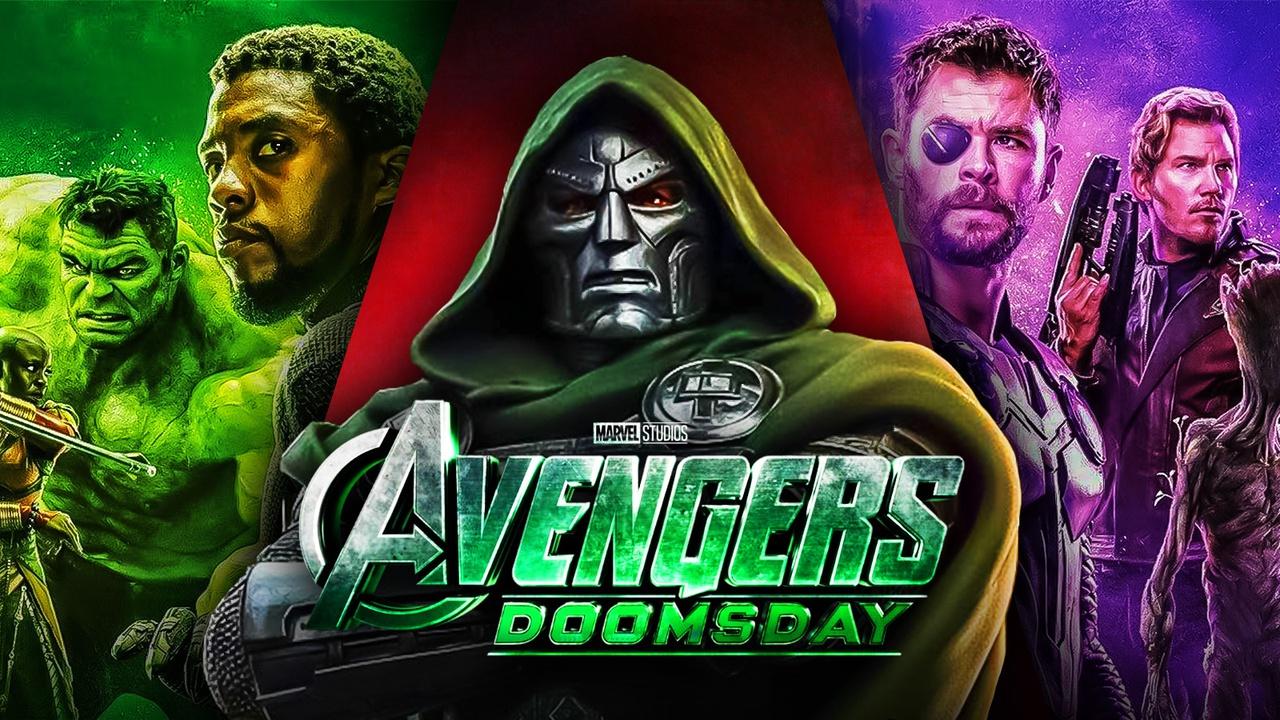
The Russo Brothers' return for Avengers: Doomsday and Secret Wars represents Marvel's best opportunity for course correction since Endgame. Their track record speaks for itself: Captain America: The Winter Soldier reinvented the franchise's tone, Civil War balanced a dozen characters without losing narrative focus, and Infinity War/Endgame stuck the landing on an eleven-year story arc.
When Anthony Russo says they want to "bring the focused narrative back," he's acknowledging what made their Avengers films work: they trusted audiences to show up without requiring extensive homework. Sure, Infinity War rewarded fans who'd followed every film, but someone who'd only seen a handful of MCU entries could still follow the story. Thanos had a clear goal, the stakes were comprehensible, and the emotional beats landed regardless of your MCU knowledge depth.
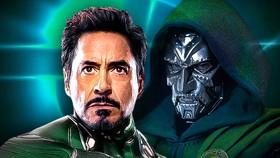
Doomsday faces a significantly more challenging task. After years of scattered storytelling across multiple Disney+ shows and films, the Russos must gather these narrative threads and refocus them into something coherent. They need to make audiences care about Doctor Doom as a villain despite having virtually no setup for this character shift. Most critically, they need to make the film accessible to viewers who tapped out during Phase 4's content overload.
The case for making Disney+ supplementary rather than mandatory isn't about reducing content but respecting the audience's time and the theatrical experience's primacy.
Disney+ shows should deepen our understanding of characters and expand the universe's corners, but they shouldn't gate-keep the main narrative. This is the lesson Phases 1-3 taught us, and it's the lesson Marvel forgot.
The Creative Freedom Counterpoint

To be fair, Disney+ gave Marvel creative freedom that theatrical releases couldn't match. WandaVision's sitcom pastiche and exploration of grief through television meta-commentary wouldn't work as a two-hour film. Loki's time-travel shenanigans and philosophical musings about free will benefited from episodic pacing. What If...? allowed experimentation with alternate universes without affecting the main timeline.
These shows pushed boundaries and took risks that made them compelling television. The problem isn't their existence; it's their positioning within the broader MCU architecture. When Loki Season 1 ended with He Who Remains introducing the Multiverse concept, it created essential context for every subsequent Phase 4 project. That's a structural issue, not a quality issue.
The "just don't watch it" crowd argues that audiences can skip the shows and enjoy the films. This technically true statement misses the emotional and narrative reality. Marvel built its empire on the promise of interconnected storytelling where everything matters. Telling fans they can skip major chunks of content contradicts that promise and creates a tiered system where some fans are "in" on references and character development while others feel perpetually behind.
The solution is to restructure how that content relates to theatrical releases. Shows should enhance the theatrical experience for devoted fans without being prerequisites for casual ones. That's a delicate balance, but it's the same balance Marvel mastered during the Infinity Saga when Agents of S.H.I.E.L.D. existed without being mandatory.
The Path Forward for Marvel Studios

The Russo Brothers' diagnosis of the MCU's narrative sprawl matters because it comes from filmmakers who proved they can handle massive, interconnected stories. Their return signals that Marvel Studios recognizes the problem, even if they haven't fully articulated the solution.
But recognizing Disney+'s role in fragmenting the MCU's focus is step one. Step two is restructuring the relationship between streaming and theatrical content. Step three is trusting that audiences will engage with supplementary content because it's good, not because they have to to understand the next Avengers film.
If Avengers: Doomsday succeeds in refocusing the MCU's narrative, it won't be by pretending Disney+ doesn't exist. It'll be by remembering what made the Infinity Saga work: respecting the audience's time, trusting in clear storytelling, and letting theatrical films be the main event rather than the culmination of a semester's worth of streaming assignments.
The Russos are right. The MCU needs a focused narrative. But that focus can only return when Marvel Studios acknowledges that Disney+'s expansion strategy, however well-intentioned, fractured the very thing that made the MCU special: the promise that anyone could walk into a theater and experience something extraordinary without needing a syllabus.