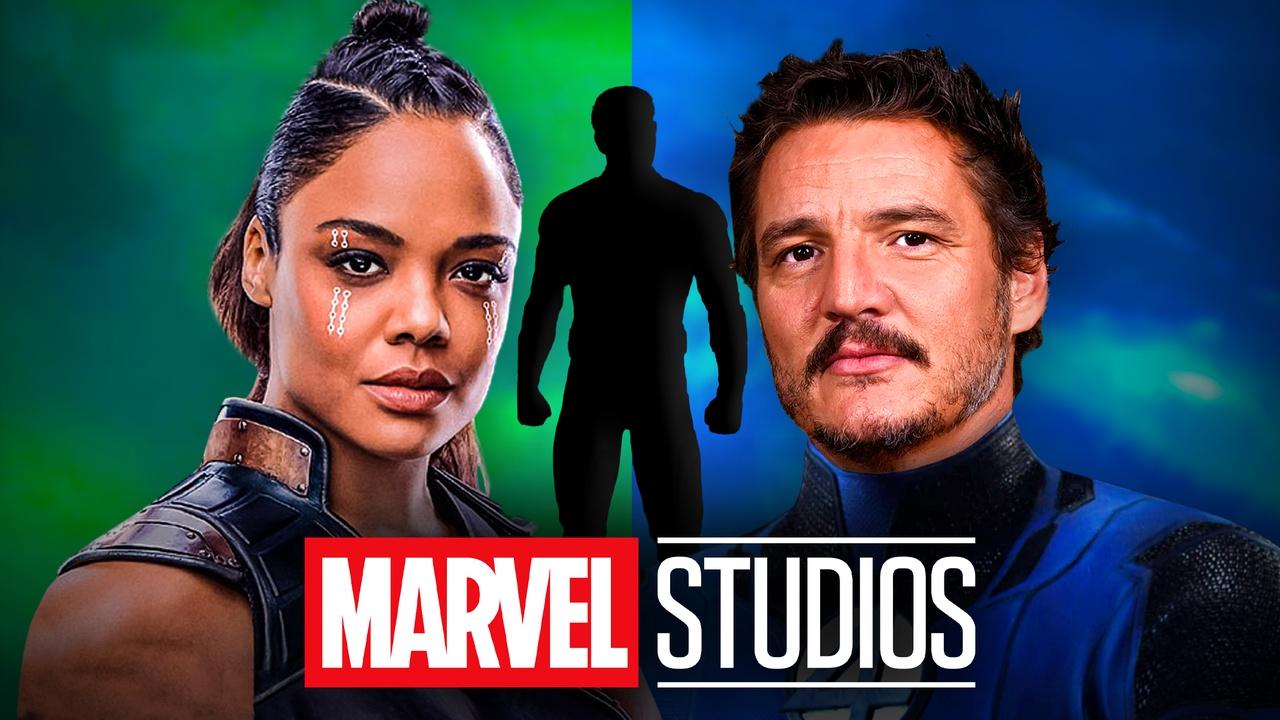
The Marvel Cinematic Universe has cast a huge number of actors in superhero roles over the years. Marvel Studios has often been criticized for being "woke" due to its gender or race-swapped characters, but the studio has always been willing to overlook a character's traditional ethnicity if it means casting the right actor in the role.
The MCU is continuing that philosophy in 2026, with Disney+'s latest Marvel show featuring another race-swap of a lead hero from the comics.
The MCU's Race-Swapped Lead Heroes
Wanda Maximoff
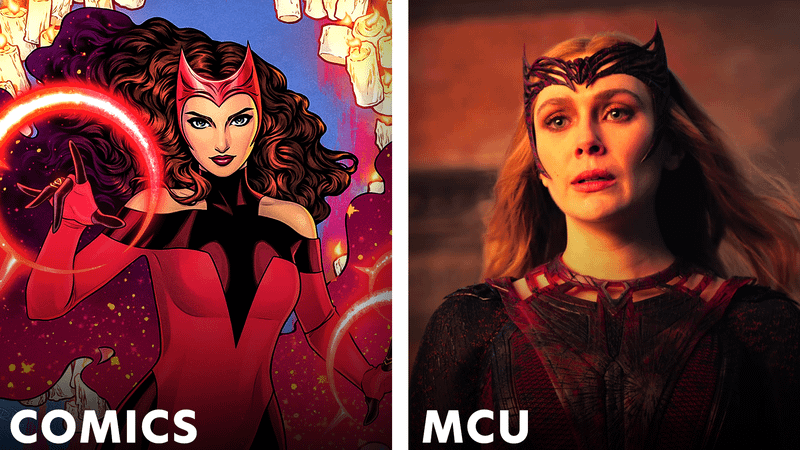
Elizabeth Olsen has become beloved in the MCU for her portrayal of Wanda Maximoff, aka the Scarlet Witch. Following her debut in Avengers: Age of Ultron, Wanda became a staple of many MCU projects, and Olsen eventually led her own series on Disney+.
Marvel Studios changed the heritage of Wanda and her brother Pietro for their introduction in the MCU. Rather than hailing from a Romani bloodline as in the comics, Marvel shifted Wanda's origin to the fictional European country of Sokovia, giving her a direct connection to Ultron and his plans in the second Avengers film.
Reed Richards
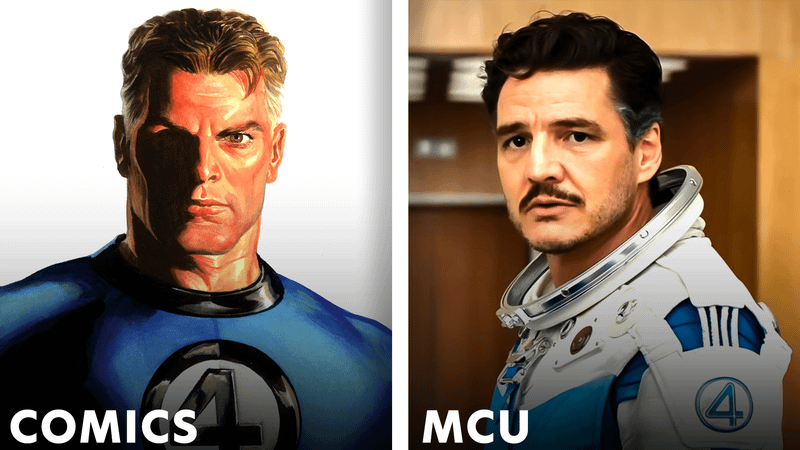
The brilliant scientist and inventor, not to mention leader, of the Fantastic Four, Reed Richards, has typically been depicted as white in Marvel Comics over the years. However, Marvel found its perfect leading man in Chilean-American star Pedro Pascal, leading to a Latino Mister Fantastic for the first time on-screen in The Fantastic Four: First Steps.
Kingo
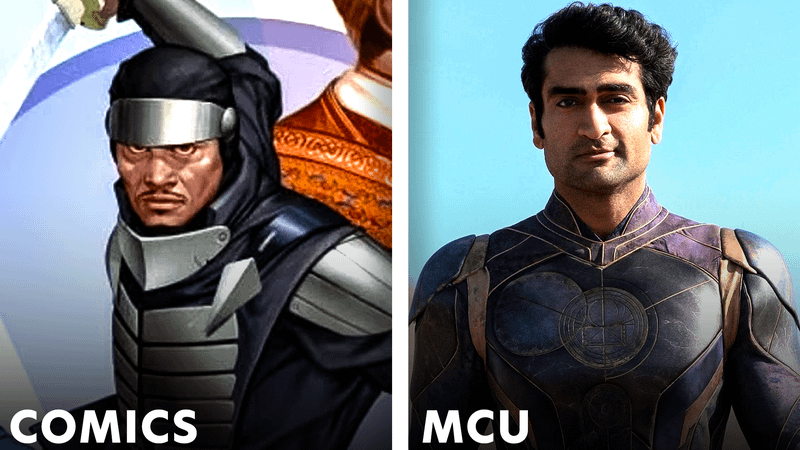
2021's Eternals marked the arrival of one of the MCU's most diverse superhero teams. Along with one of the first openly gay characters in the MCU, Eternals swapped several of its heroes' ethnicities from the comics.
Kumail Nanjiani's casting as Kingo was one example of this, as the character has traditionally been depicted as Japanese and hailing from a Japanese settlement. In Eternals, Kingo was portrayed as South Asian, reflecting Nanjiani's Pakistani roots.
Makkari
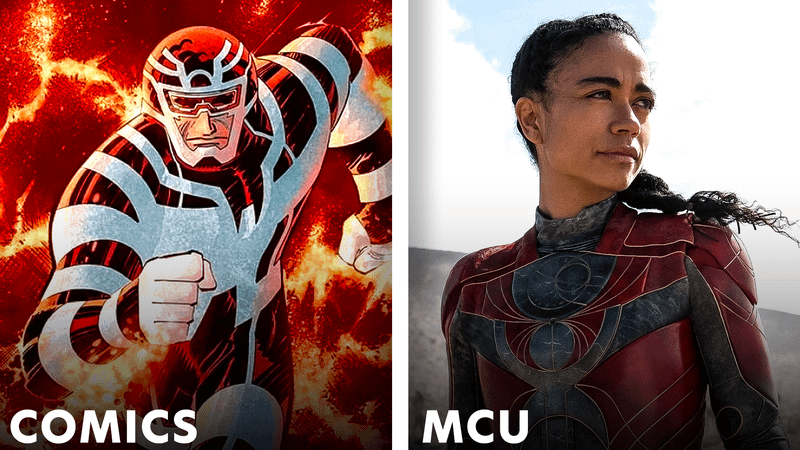
Makkari is an instance of both race and gender-swapping a character in the MCU. In the comics, the Eternals character has traditionally been a man hailing from Olympia, but for the 2021 film, Marvel cast Lauren Ridloff, a deaf woman of Mexican and African-American descent, making Makkari the MCU's first deaf superhero.
Ajak
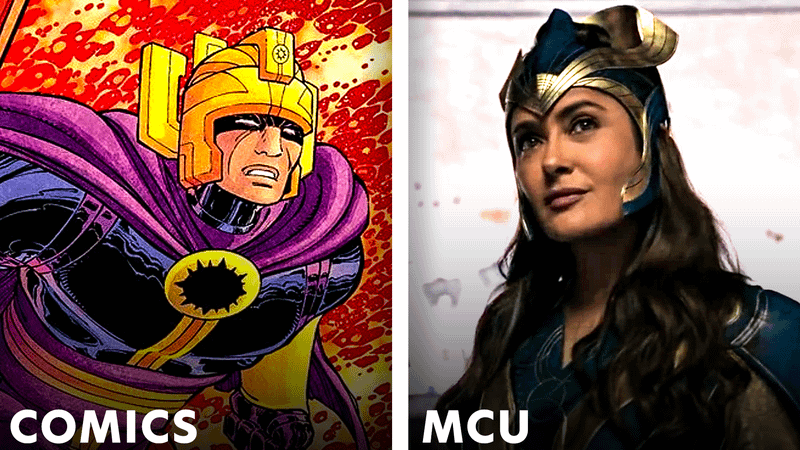
Salma Hayek's Eternals character, Ajak, is another example of race- and gender-swapping in the 2021 MCU film. The team's leader has always been depicted as male, typically Russian, but for the film adaptation, Hayek's character became the matriarch of the group and adopted her Latina heritage.
Gilgamesh
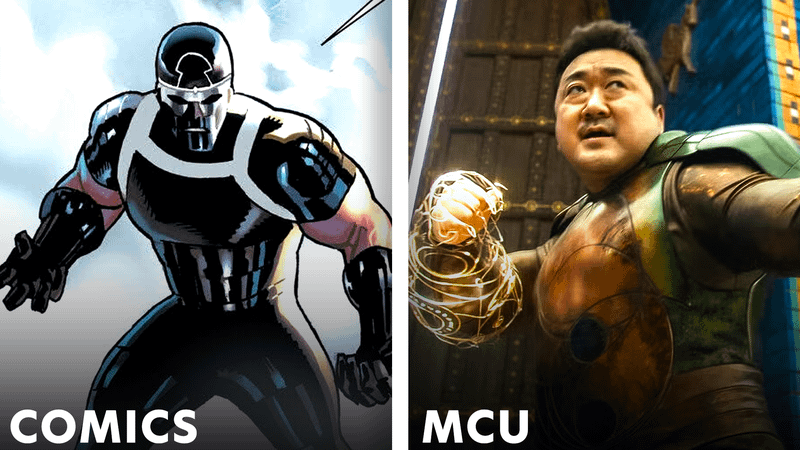
The masked Eternal, Gilgamesh, has often been portrayed as Middle Eastern in Marvel Comics, but the casting of Don Lee in the role in 2021's Eternals meant the character became Korean.
Wonder Man
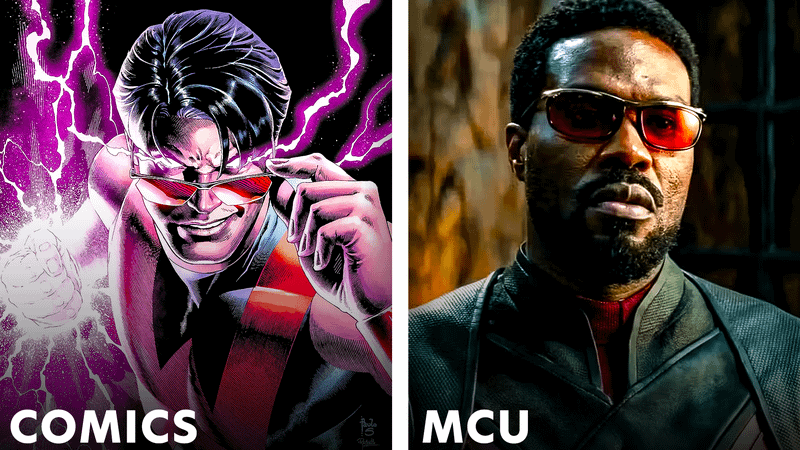
The latest and newest race-swapped hero in the MCU is Yahya Abdul-Mateen II's Simon Williams, aka Wonder Man, who leads the MCU's first Disney+ show of 2026.
In the comics, Wonder Man is typically a Caucasian man, but Marvel Studios cast him as a Haitian-American in the series. Williams' family is seen on-screen in the series, and their cultural traditions inform aspects of the plot, making Wonder Man's race-swapping an important part of the character.
Wonder Man also tackles the topic of color-blind casting head-on, with the Wonder Man from the original film being portrayed as Caucasian. When the movie is rebooted by Von Kovak, various actors of differing ethnicities are being eyed for the lead role.
Many have wondered whether Simon Williams may be a mutant in the MCU, based on the vague backstory behind his powers. Marvel Studios has not confirmed or denied that this is the case, though making Wonder Man a hero adjacent to the X-Men could add even more layers to the character's identity and intersectionality.
Bonus: Heimdall
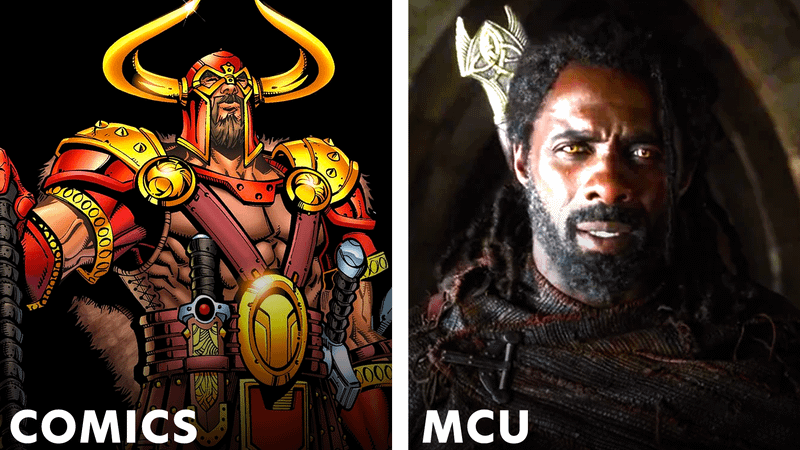
Marvel Studios also has several instances of race-swapping characters who aren't necessarily leading heroes in their own projects, such as Idris Elba's Heimdall in the Thor franchise.
Heimdall is a god in both the comics and the MCU, but his depiction in the comics has traditionally been as a Scandinavian man, playing into the character's Norse mythology, whereas Elba's character in the MCU is distinctly Black.
Bonus: Quicksilver
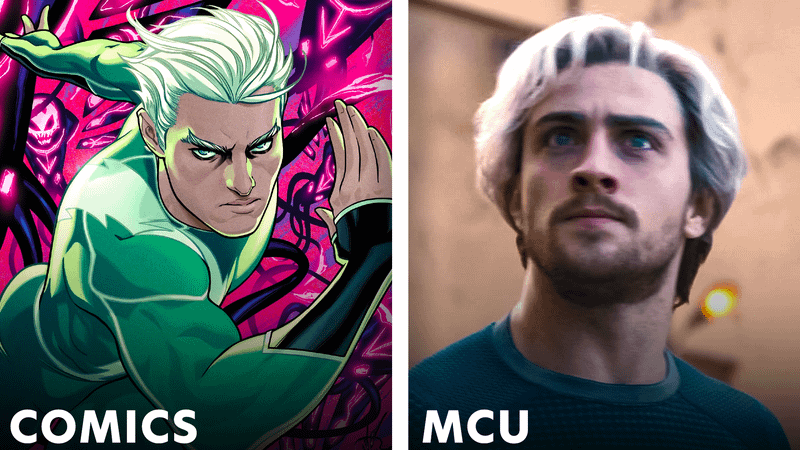
Race-swapping Wanda Maximoff from Romani to Sokovian also impacted her twin brother, Pietro, aka Quicksilver. Portrayed by Aaron Taylor-Johnson in Avengers: Age of Ultron, both actors behind the Maximoff siblings adopted a fictional hybrid accent to portray their Sokovian characters in the MCU.
Bonus: Valkyrie
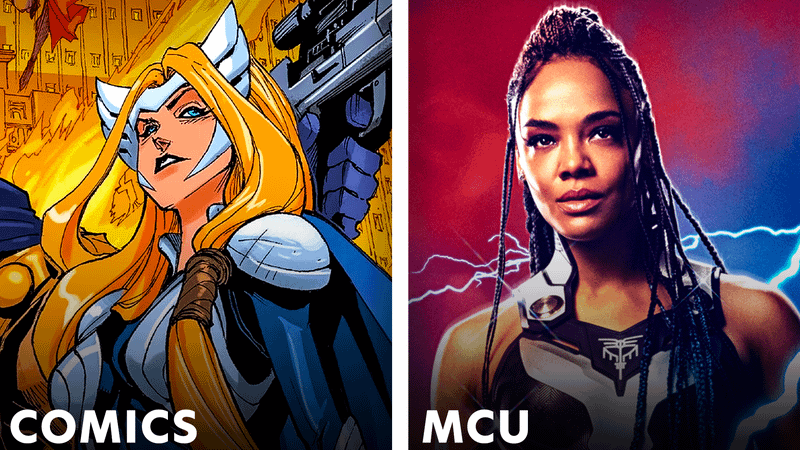
Another instance of race-swapping in Marvel's Thor franchise occurred with Tessa Thompson's Valkyrie. A regular in Thor: Ragnarok, Thor: Love and Thunder, and the latter Avengers films, the character was typically depicted as a white Viking woman in the comics but became mixed-race in the MCU with Thompson's casting.
Bonus: Namor
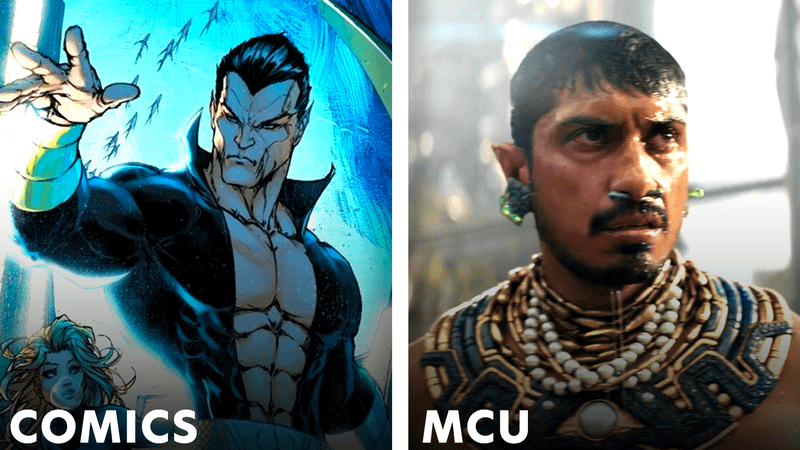
Namor hails from the fictional underwater nation of Talokan in Black Panther: Wakanda Forever and is played by Mexico's Tenoch Huerta in the MCU (who will appear next in Avengers: Doomsday). Like the Eternals, the Atlanteans are a fictional race in Marvel comics, so Namor's ethnicity has never been fully determined, though he was often depicted as a white man.
Bonus: The Ancient One
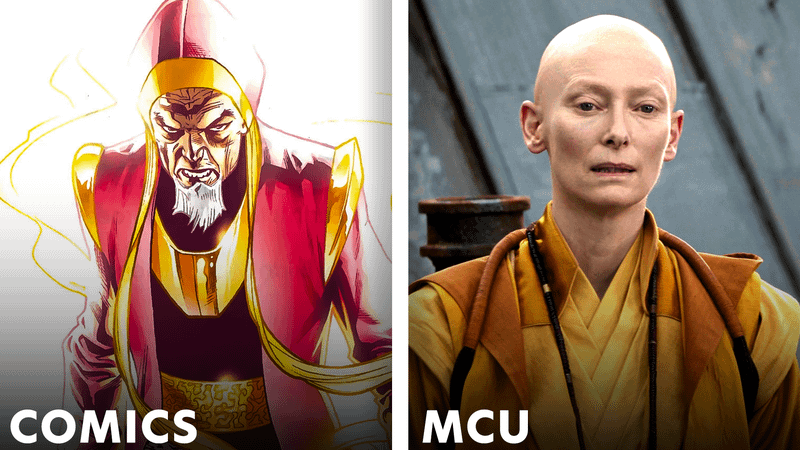
The gender and race-swapping of Marvel's the Ancient One drew a lot of backlash when it was revealed that Tilda Swinton would play the character in Doctor Strange. The Ancient One was often known as a Tibetan man in Marvel Comics, but became a white woman in the MCU, with many accusing Marvel Studios of whitewashing with this decision.