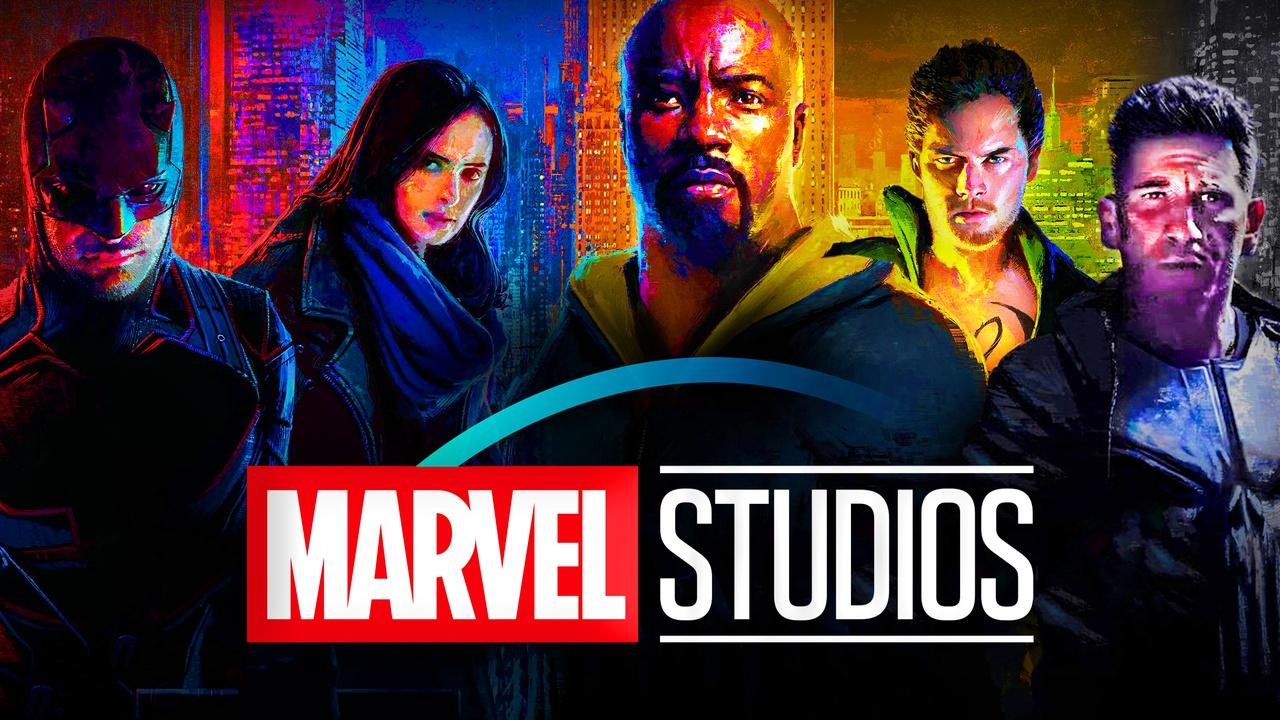
The Hand, the mystical ninja organization that plagued Matt Murdock throughout the Netflix Daredevil series, may not be finished with the Man Without Fear. The villain group played a major role in Daredevil Season 2 and The Defenders, introducing mystical concepts that divided fans.
Reports suggest The Hand will return in Daredevil: Born Again Season 3. According to insider Daniel Richtman, the organization will play a role when the series returns in March 2027. This development opens the door to fixing one of the biggest flaws from the Netflix Daredevil era: Elektra’s mishandled storyline. Elodie Yung’s Elektra Natchios appeared in Daredevil Season 2 and The Defenders, but her arc suffered from vague mystical concepts that never landed with viewers.
Elektra’s return feels almost inevitable. Her story always tied deeply to The Hand, and reintroducing the villain group without her would feel incomplete. More importantly, it gives Marvel Studios a second chance to address long-standing criticism from Daredevil Season 2, which premiered 10 years ago in March 2016.
What Went Wrong With Elektra in Daredevil Season 2?

Daredevil Season 2 is often remembered as two different shows. The Punisher arc in the first half earned widespread praise for its grounded, character-driven approach. Jon Bernthal’s Frank Castle became an instant fan favorite, and his moral conflict with Matt Murdock generated some of the series’ best episodes.
The second half focused on The Hand and the Black Sky, introducing Elektra as Matt’s former lover and a trained assassin mentored by Stick. While Yung delivered a strong performance, the plot surrounding her felt weaker and less focused than the Punisher storyline.
The series spent significant time building Elektra as the Black Sky, a powerful weapon for The Hand, but never clearly explained what that truly meant or why it mattered. The show established that The Hand worshipped the Black Sky as both a leader and a weapon, yet viewers never understood the mechanics of this power.
Elektra herself wasn’t the problem. Yung brought charisma, danger, and emotional depth to the role. Her chemistry with Charlie Cox created compelling romantic tension. Her fight scenes showcased excellent choreography. The issue stemmed from how the narrative treated her.
The series repeatedly sidelined Elektra’s agency in favor of vague mystical ideas. Characters debated whether she would fulfill her destiny as the Black Sky, without explaining what that meant. The Hand wanted to corrupt her, Stick wanted to kill her, and Matt wanted to save her. Yet Elektra’s own desires and motivations became secondary to what others wanted from her.
The Black Sky concept originated in Daredevil Season 1, when Stick killed a child being transported by The Hand. The show never properly defined what the Black Sky represented, creating confusion that persisted through Season 2 and The Defenders.
Daredevil Season 2 revealed Elektra as the Black Sky, suggesting she possessed some inherent power or destiny. The Hand wanted to corrupt her into their leader. Stick trained her to fight against this destiny. The season ended with Elektra dying in battle against Nobu and The Hand loading her body into a strange sarcophagus.
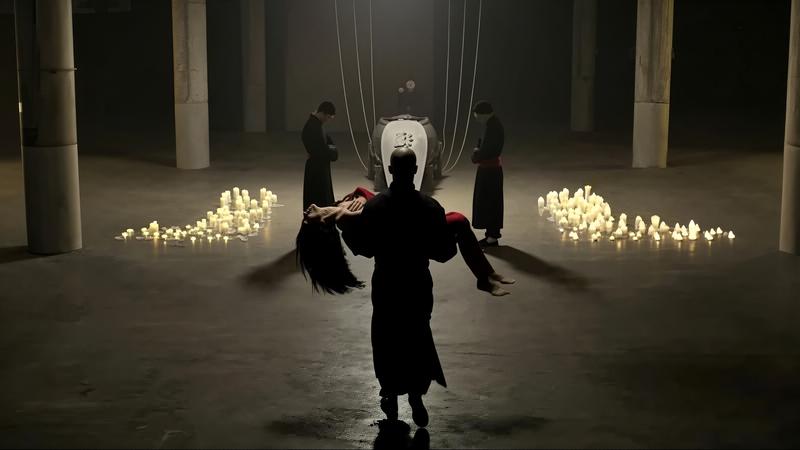
The Defenders continued the story. The Hand resurrected Elektra as their weapon, removing her memories and serving under Sigourney Weaver’s Alexandra. The miniseries portrayed her as super-strong, fast, and resilient, capable of beating all four Defenders in combat.
However, The Defenders never clarified what made Elektra special beyond her enhanced physical abilities. Alexandra treated her as a prophesied weapon, calling her a vessel, but never explained what this vessel contained. The show hinted at demonic forces or mystical powers without committing to any concrete explanation.
This ambiguity frustrated viewers seeking clear answers about Elektra’s powers and significance. The Hand treated the Black Sky as crucial to their plans, yet the actual capabilities remained vague throughout both Daredevil Season 2 and The Defenders. The mystical elements felt underdeveloped compared to the grounded street-level crime stories that made Daredevil successful.
Elektra Deserves Better in the MCU
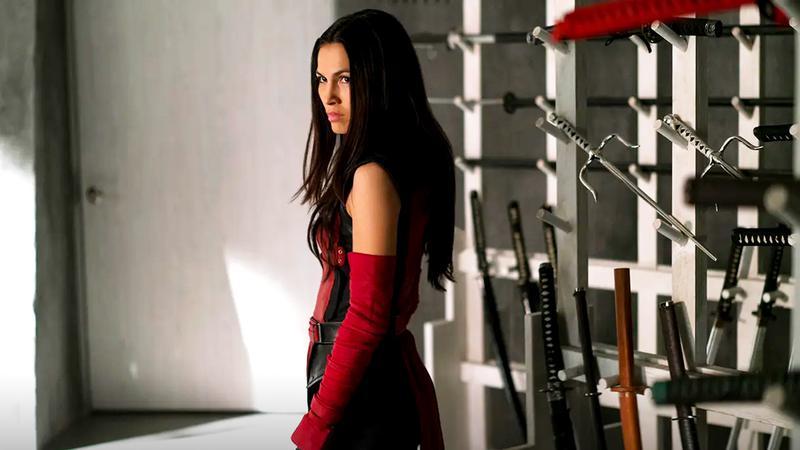
Elektra Natchios ranks among Marvel’s most complex characters. Frank Miller created her in 1981 as Daredevil’s morally ambiguous ex-girlfriend. She operates as an assassin, love interest, and sometimes heroic ally, depending on the story.
The Netflix series captured her moral ambiguity well. Elektra enjoyed killing, struggled with her violent impulses, and walked a line between hero and villain. Yung portrayed her as dangerous yet sympathetic, someone shaped by trauma and training who couldn’t escape her nature.
However, reducing her to a weapon for The Hand diminished what made the character interesting. Elektra works best when making her own choices, even terrible ones. The Black Sky storyline stripped her of that agency, turning her into a vessel for mystical forces beyond her control.
The Defenders attempted to restore her agency in its final episodes. Elektra gradually regained her memories and sense of self, rejecting both Alexandra and Stick to forge her own path. She killed Alexandra and temporarily allied with Matt before the series ended with her and Matt buried beneath a collapsing building.
This arc showed promise but felt rushed. The Defenders only lasted eight episodes, leaving little room to develop Elektra’s journey from mindless weapon to independent agent. The series ended before properly exploring who Elektra became after breaking free from Alexandra’s control.
How Daredevil: Born Again Can Fix Elektra
Bringing The Hand back in Daredevil: Born Again Season 3 gives Marvel Studios the chance to redefine Elektra’s role and powers. The MCU can now approach her story with clearer direction and a better budget for visual effects.
First, Marvel Studios should clearly define what the Black Sky means. Whether it’s a demonic possession, enhanced abilities, or mystical destiny, viewers need concrete answers. Vague mythology worked against the Netflix shows. The MCU can fix this by establishing rules and limits.
Second, restore Elektra’s agency. The character works best when making her own choices rather than serving as someone else’s weapon. Born Again could show Elektra deliberately using her Black Sky powers, controlling them rather than being controlled by them.
Third, explore her relationship with Matt Murdock in the present day. Daredevil Season 3 revealed Matt survived the events of The Defenders. Elektra could have survived as well, spending years rebuilding herself. Their reunion would carry weight after both characters experienced death and resurrection.
Fourth, give her clear motivations beyond Matt. Elektra needs her own goals, conflicts, and character arc. She could be hunting The Hand’s remaining leaders, trying to prevent them from resurrecting more Black Skies, or working as an independent agent with her own moral code.
Born Again already demonstrated a willingness to improve on Netflix's mistakes. Season 1 better integrated Wilson Fisk into the MCU while maintaining what worked from the Netflix series. Season 2 brings back Jessica Jones and potentially other Defenders. Season 3 could complete the Netflix integration by properly redeeming Elektra.


Geraldo Amartey is a writer at The Direct. He joined the team in 2025, bringing with him four years of experience covering entertainment news, pop culture, and fan-favorite franchises for sites like YEN, Briefly and Tuko.