Ahsoka Season 2 will be breaking a longstanding Star Wars rule that has never been broken in the franchise's 49-year history, and it may be surprising to some fans. Ahsoka Season 2 is taking longer to be released than many fans hoped for. Season 1 debuted in 2023, and many have been under the impression that the show's sophomore season would be coming sometime in 2026. However, the upcoming installment was surprisingly left off Disney's 2026 slate, so nothing is known for sure anymore.
Star Wars recently confirmed exactly when Ahsoka Season 2 will take place within the franchise's timeline, and it sits in an interesting spot, because it will do something that no live-action project has ever done before. Season 2 will essentially begin right where Season 1 left off.
According to Star Wars' official magazine, Star Wars Insider, Ahsoka Season 2 will largely take place in two different locations: Peridea, which is where Ahsoka, Sabine, Baylan Skoll (who will now be played by a different actor), and Shin Hati still are, and the original Star Wars galaxy, where Thrawn and Ezra traveled back to at the end of Season 1.
The magazine also revealed that Season 2 will "pick up not long after the end of Season One," confirming that it will break a Star Wars record that has stood for 49 years since the franchise first began:
"The second season of 'Ahsoka' wrapped principal photography at the start of October, which means we are drawing ever closer to learning where the epic story will take us in Season Two. The series picks up not long after the end of Season One, with Ahsoka, Sabine, Huyang, Shin, and Baylan stranded on Peridea, while Thrawn and Ezra have returned to the known galaxy."
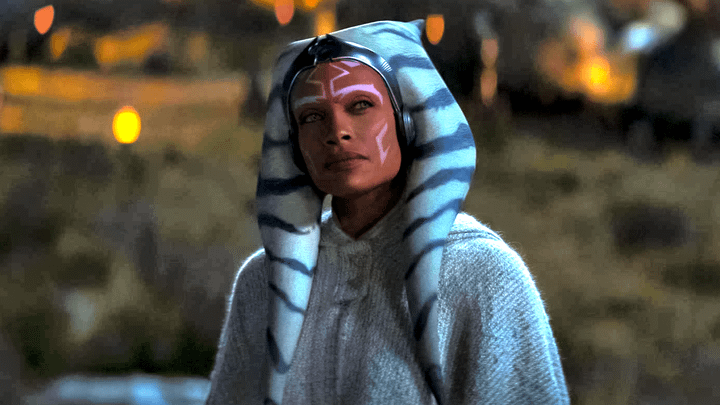
Notably, no Star Wars sequel in live action has ever taken place directly after the events of its predecessor. Some projects come quite close, but Star Wars Insider suggests that Ahsoka Season 2 will quite literally begin around the same time Season 1 ended. It could be only a few hours later, or perhaps even on the same night that Anakin's Force ghost showed up. The important thing, though, is that it will be the only live-action project in Star Wars history to have that short of an off-screen gap.
For instance, The Empire Strikes Back did not take place directly after A New Hope. It has long been established that Empire was set around three years after A New Hope, meaning it would have taken place in 3 ABY (After the Battle of Yavin), while A New Hope was in 0 BBY (Before the Battle of Yavin), and briefly in 0 ABY.
Return of the Jedi was the same way, taking place multiple years after The Empire Strikes Back. The prequels had even larger gaps between them, with notable time jumps between each movie.
It is worth noting that a lot of animated content runs more closely together. For example, some seasons of The Clone Wars pick up extremely closely to where previous seasons left off. However, Ahsoka's case only applies to live-action. As mentioned, though, there are still some projects that were close together, just not coming directly after their predecessors.
Live-Action Star Wars Projects That Are Close Together in the Timeline
Rogue One
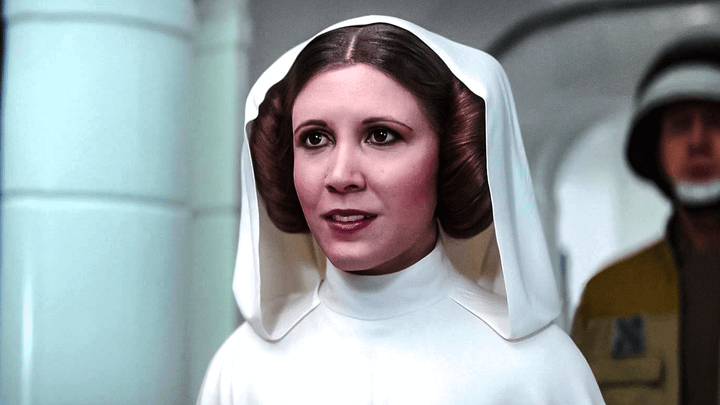
Rogue One begins with a flashback to when Jyn Erso was a little girl. After that scene, the movie flashes forward and takes place just a few days after the ending of Andor Season 2. Andor was crafted to lead right into Rogue One, and it did exactly that as the series showed Cassian Andor heading to the Ring of Kafrene, where, in Rogue One, he meets Tivik.
The show does not explain exactly how long it will take Cassian to get there, or how long he will be at the Ring before meeting Tivik, but the ending of Andor and the beginning of Rogue One have to be pretty close.
It is also worth noting that Rogue One also leads into A New Hope, with the end of that movie showcasing Darth Vader chasing down the Death Star plans just as the Tantive IV is escaping his grasp. Fans know that, after the Tantive IV gets away, Vader and the Star Destroyer he is on will follow the ship to the space above Tatooine, which is where A New Hope begins.
The Bad Batch
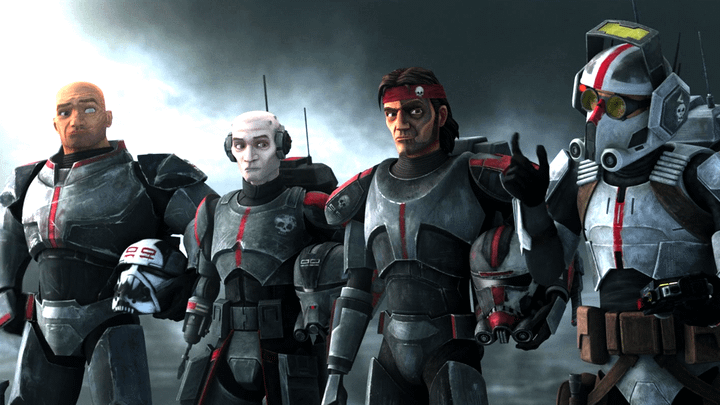
The Bad Batch essentially overlaps with the ending of The Clone Wars, as both projects showcase Order 66. So, in a way, those two shows (along with Revenge of the Sith) are the most closely related projects in the Star Wars universe in terms of when they take place on the timeline.
However, it is worth noting that the episodes of The Clone Wars Season 7 that feature The Bad Batch don't lead right into The Bad Batch's premiere. There is some time that passes between the last time fans see Clone Force 99 in The Clone Wars and when they catch up with the team at the beginning of The Bad Batch.
Still, the ending of one project is the same point in time as the beginning of the other, but they are animated series, unlike Ahsoka.
The Last Jedi
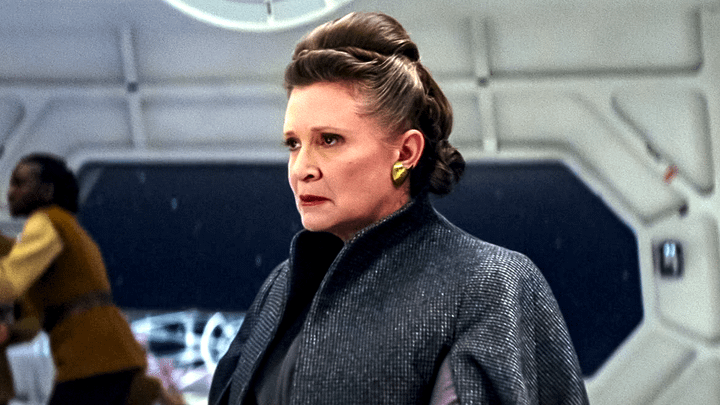
The Last Jedi essentially picks up just a bit after where The Force Awakens ends. Many fans will likely remember the excitement they felt in the theater in 2015 when Luke Skywalker himself was featured on-screen at the end of The Force Awakens. In 2017, when The Last Jedi came out, Luke and Rey's meeting was picked up, and viewers were able to see Luke's full reaction to receiving his father's blue lightsaber.
Notably, The Last Jedi is the only film in the Skywalker Saga to pick up close to where its predecessor left off. Every other movie has a decent time jump between it and the one that came before it.
The Mandalorian Seasons 1 and 2
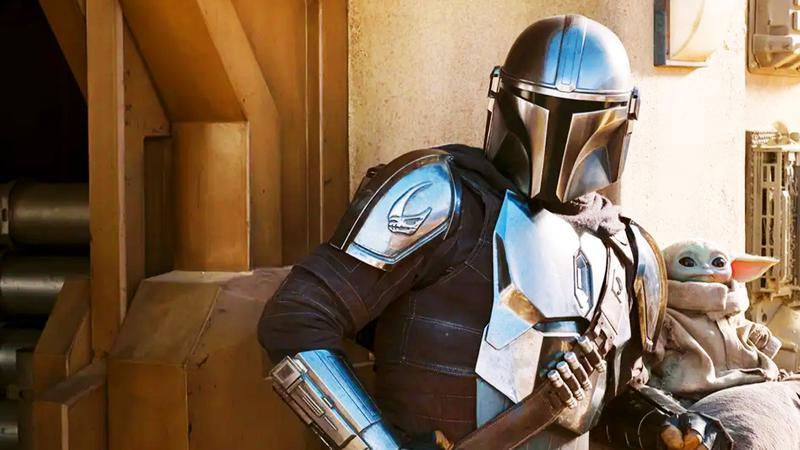
The Mandalorian does not specify exactly how much time passes between Seasons 1 and 2, but they take place fairly close together. Season 1 ends with Din Djarin committed to finding Grogu's home, or at least someone who can help him, and Season 2 picks up not long after that.
Notably, there is a larger gap between Seasons 2 and 3, largely because The Book of Boba Fett also takes place between those two installments, but the first two seasons of Disney+'s first original series are set around the same time period in the galaxy far, far away.