It was announced in July that not only would Marvel Comics be moving from its almost 90-year home in New York City to Burbank, California, but the publisher had also brought in former editor Stephen Wacker as its new editor-in-chief, following C.B. Cebulski's nearly decade-long tenure in the role (via The Hollywood Reporter). At this year's New York Comic Con, Wacker addressed comic retailers about the publisher's plans moving forward, including its relationship with Marvel Studios and its president, Kevin Feige.
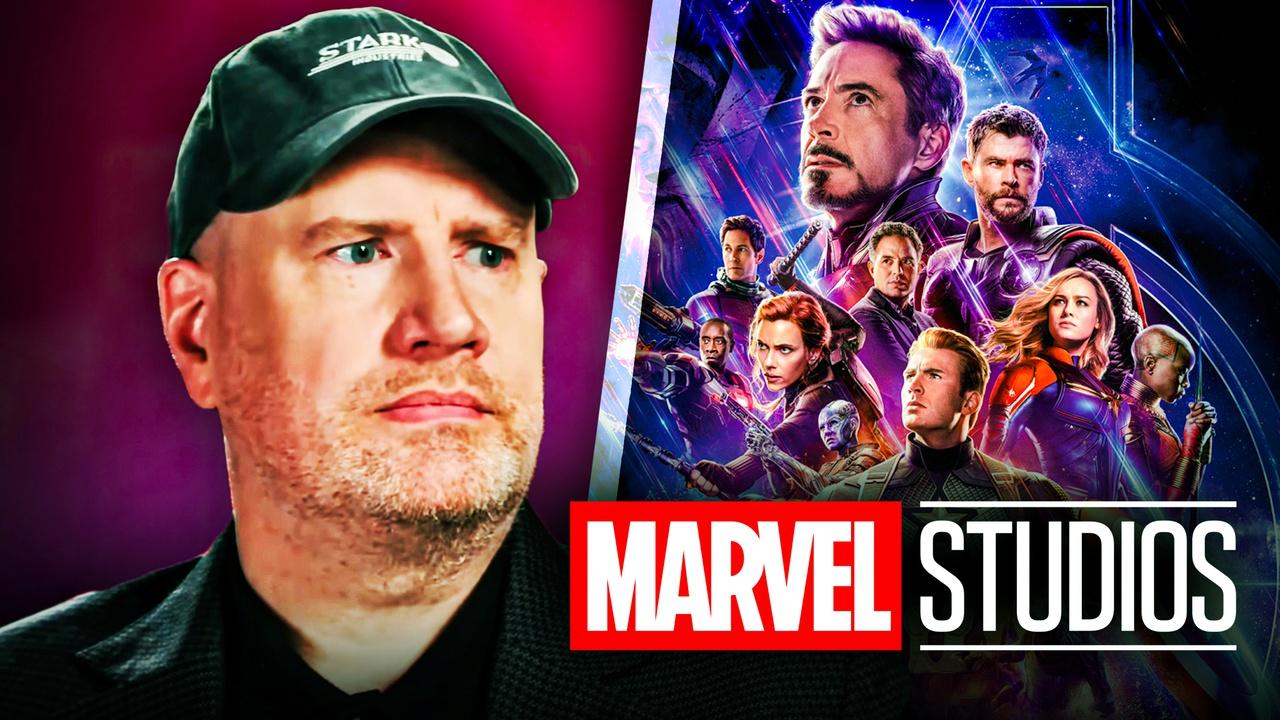
At New York Comic Con's third annual Retailer Day, Marvel Comics Editor-in-Chief Stephen Wacker addressed grievances from comic retailers regarding the publisher's performance over the last three years (via AIPT), such as the overabundance of new books on shelves, the overuse of variant covers, its tepid relationship with creators, and its distribution of physical comics compared to its competitors. However, Wacker also talked about meeting with Kevin Feige and the publisher's perceived dependence on the Marvel Cinematic Universe.
Wacker told professional attendees at the panel that, due to the success of the movies, there was an implicit assumption that synergy between them and the comics could lead to similar success, but he declared, "That is backwards."
In Wacker's first meeting with Kevin Feige, the new editor-in-chief was told directly that the comics shouldn't follow the movies. Feige even attended the publisher's latest Marvel Summit, a gathering similar to Marvel Studios' creative retreat, and reiterated that Marvel Comics' job was to be 15 years ahead of Marvel Studios.
Wacker stated that the comics are better when they lead the cinematic universe rather than follow it. A stark contrast to the last decade of Marvel Comics and its many attempts to leech off the MCU, or its earlier attempts to spite its competitors through its former CEO.
History of Marvel Comics Following Not Leading
From 2013 to 2018, former Marvel CEO Ike Perlmutter pushed a mandate at Marvel Comics that deliberately sidelined the X-Men and the Fantastic Four, purely because Fox owned the movie rights to those characters. It was why the Inhumans were so heavily promoted during this period, leading to the creation of characters like Kamala Khan's Ms. Marvel and even forcing Marvel Studios to announce a movie based on Black Bolt and the royal family.
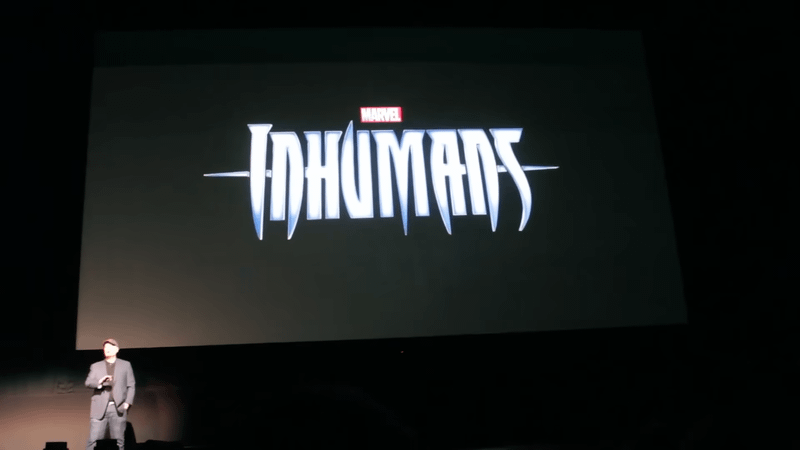
Ironically, for a time, Marvel Comics had some indirect influence on Marvel Studios through Perlmutter, which caused a lot of friction between him and Feige. However, after Disney acquired Fox in 2019, Kevin Feige was made Chief Creative Officer of Marvel, putting the publisher under his leadership before Perlmutter was eventually ousted altogether in 2023.
While the ridiculous mandate for the X-Men and Fantastic Four ended, it didn't mean the end of the publisher's attempts to synergize with Marvel Studios to attract new readers. It came to a point that Marvel Comics even changed its logo in 2024 to align with Marvel Studios.
The closest Kevin Feige has come to personally imposing similar mandates at Marvel Comics has been to turn Ms. Marvel into a mutant, but even that has been disputed (via Gizmodo). Otherwise, most of the changes and choices Marvel Comics has made to reflect the MCU in its comics seem to have been made independently of Kevin Feige and pushed primarily by higher-ups at the publisher.
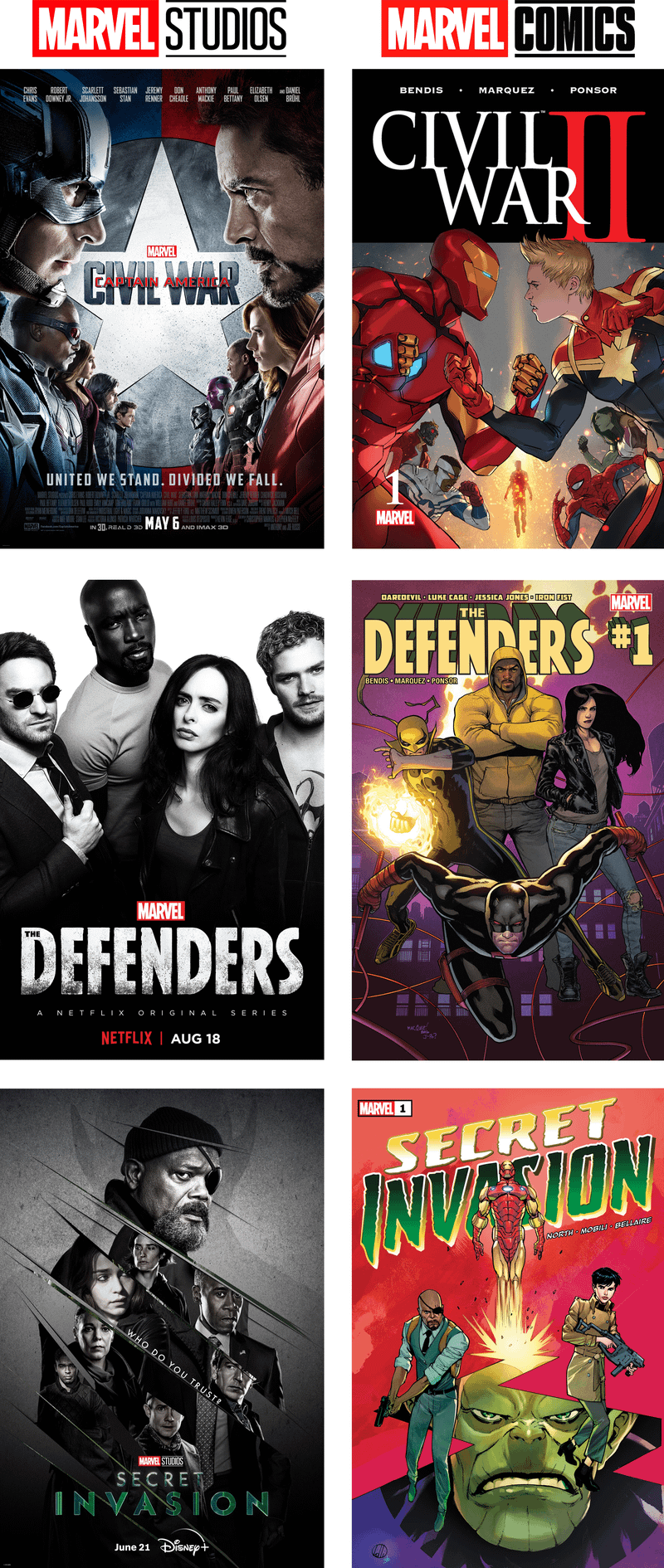
In 2016, Marvel's then Editor-in-Chief Axel Alonso admitted that the now much-derided Civil War II was fast-tracked solely to capitalize on Captain America: Civil War, which even went so far as to incorrectly predict James Rhodey's death. The year after that, Marvel Comics released a new iteration of The Defenders that mimicked Netflix's team-up series. Even more recently, in 2022, a Secret Invasion sequel starring Nick Fury and Maria Hill was released to coincide with the 2023 Disney+ series.
That's not even mentioning the drastic changes made to the personalities and designs of dozens of prominent characters to match their MCU counterparts, like Peter Quill, Nick Fury, Shuri, and even an aged-down Agatha Harkness, despite the witch getting grey hair as a ghost at the end of Agatha All Along. It's no wonder the new editor-in-chief wants to move away from such erroneous attempts at synergy, seeing it as an act of self-sabotage.
It's counterproductive for Marvel Studios in the long run, too, since Marvel Comics will eventually become cluttered with derivative stories based on the studio's own movies and shows, leaving it with fewer comics to adapt. The focus on more original material is beneficial for everyone. Thankfully, there's still plenty of stories left for Marvel Studios to mine for ideas, such as the Avengers, X-Men, and Eternals crossover event comic A.X.E.: Judgment Day.
Although, on reflection, this messaging is rather conflicting, since Marvel Studios alum Brad Winderbaum was recently given the additional role of Head of Marvel Comics & Franchise, replacing Dan Buckley's 30-year stint in the position. While this leadership transition won't be complete until mid-2027, Winderbaum will hopefully maintain this mandate by then and prevent further synergy.