Disney's 2025 box office landscape took a turn, as the studio's high-grossing Marvel Studios release of the year was outpaced instantly by Zootopia 2. Despite Marvel lining up three major films expected to deliver strong theatrical returns, the animated sequel shattered those earnings in its opening weekend alone. With other Disney titles, such as Lilo & Stitch and 20th Century Studios' upcoming Avatar: Fire and Ash, also being major box office draws, Marvel is no longer the company's most dominant big-screen force in 2025.
The Fantastic Four: First Steps ended its run with a respectable, yet underwhelming $521 million worldwide, but that total was instantly eclipsed when Zootopia 2 opened to a staggering $556 million, surpassing Marvel's most successful film haul in a single weekend. Zootopia 2 has since climbed to $662 million globally and is on track to cross the $1 billion mark by next week (December 8, 2025), fueled by its historic performance in China.
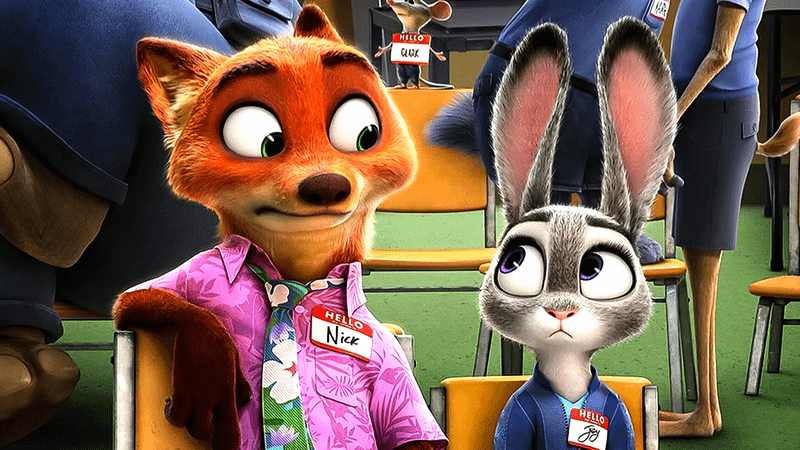
In China, the film delivered the biggest opening weekend ever for a Hollywood release, earning over $217 million in its first three days and ultimately reaching $271.8 million in five days, a figure topped only by Avengers: Endgame.
With the strongest global animated debut in history and rapidly accumulating records across international markets, Zootopia 2 showed unprecedented box office strength at a time when Marvel's 2025 titles struggled to gain traction, especially in China, where The Fantastic Four: First Steps managed just $5.5 million.
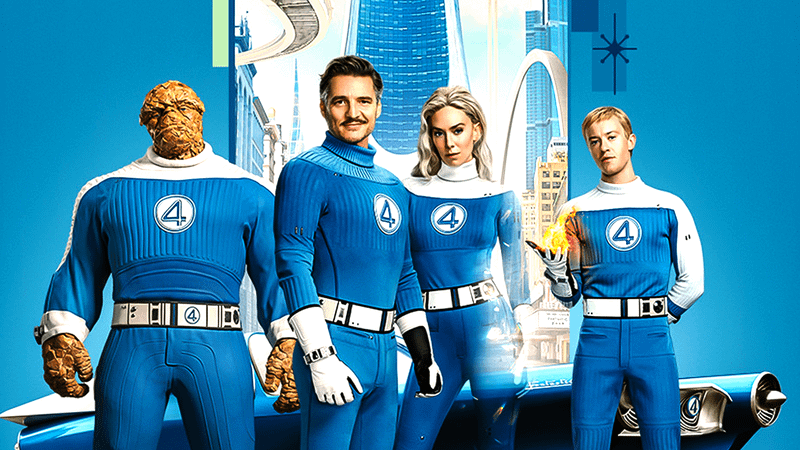
In fairness, Zootopia 2 outgrossing the new Fantastic Four isn't a shock, as The Direct predicted; it's how quickly it was able to do so.
It's essential to give credit where credit is due, acknowledging that the new Zootopia is a box office behemoth. However, the other side of this story is the MCU's 2025 box office, which hasn't done much to discredit the superhero fatigue truthers.
This year's MCU box office slate presented a confusing picture, marked by disappointing financial returns that didn't always align with the quality of the films themselves.
Captain America: Brave New World led off the year with a shaky $415.1 million global total, a stumble made worse by a poor reception tied to reshoots and fading post-Deadpool & Wolverine's 1.3 billion worth of momentum from 2024.
Then came Thunderbolts* in May 2025, a critically acclaimed hit with an 88% Rotten Tomatoes score and unexpectedly weak $382.4 million global run, becoming one of Marvel's lowest earners despite being well-reviewed.
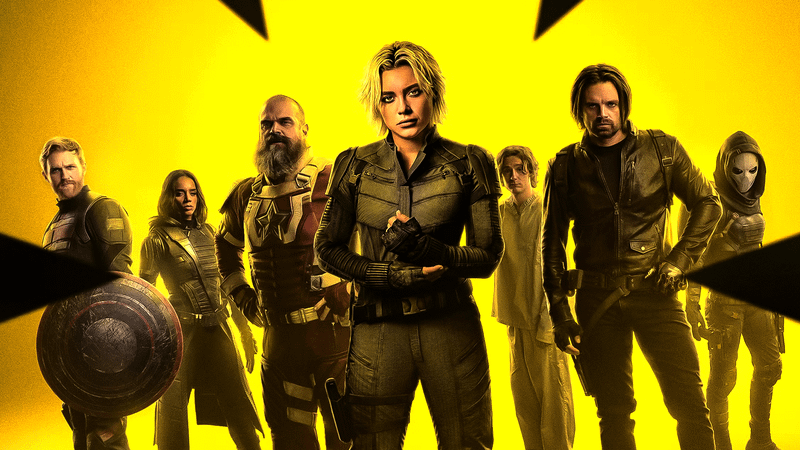
Both films underperformed prior to the comparatively stronger Fantastic Four: First Steps, which, in its own right, didn't meet commercial expectations. First Steps notably lost the franchise fight of July 2025, taken down by Jurassic World: Rebirth ($868.9 million) and Superman ($616.6 million).
Disney is now in a position where it needs to look inward and conduct some soul-searching regarding the future of Marvel in theaters, especially with brands outside of sure-fire hits like Spider-Man, Deadpool, or The Avengers.
How the MCU Can Fix Its Box Office
Marvel's 2025 slump was the result of three films underperforming for different reasons, each exposing a weak point in the MCU's current structure. Captain America: Brave New World struggled, with the absence of Chris Evans contributing to that lack of interest, and although the film still outgrossed The First Avenger unadjusted for inflation, it proved that brand recognition alone cannot carry an MCU movie anymore.
Thunderbolts* experienced almost the opposite problem. Critics and fans praised the film, but it lacked a built-in audience due to the relatively low recognizability of the characters and team name. Its story also relied heavily on Disney+ shows like The Falcon and the Winter Soldier and on Black Widow, which debuted in the middle of pandemic-era distribution complications.
Finally, The Fantastic Four: First Steps performed the best of the three but still encountered hurdles. The film entered a packed summer season, faced positive-to-mixed reactions, and carried the burden of past failed Fantastic Four outings.
Despite a star-studded cast, audiences were clearly not convinced that this reboot was essential viewing, and the movie ultimately earned less than several disliked MCU entries like Thor: The Dark World, Iron Man 2, and Ant-Man and the Wasp.
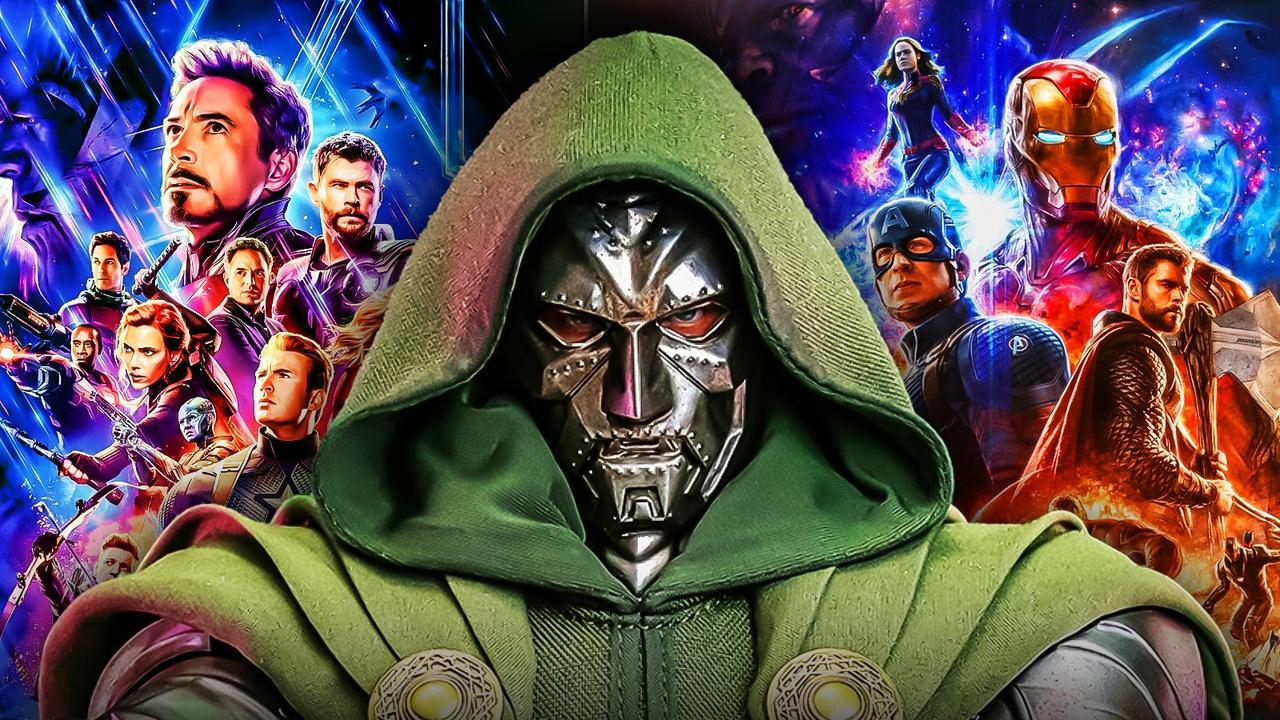
The good news is that Marvel Studios and President Kevin Feige understand the root of these issues and are already reshaping the franchise for the future. One of the clearest lessons from 2025 is that the Disney+ model, once intended to integrate seamlessly with the MCU, has not translated into box office success.
Marvel is reducing its streaming output and creating more separation between TV storylines and theatrical arcs to eliminate the homework problem that hampered films like Thunderbolts*.
The studio is also making a calculated reset by clearing almost all of its 2026 and 2027 theatrical slate except for Spider-Man Brand New Day, Avengers: Doomsday, and Secret Wars. Avengers: Secret Wars is positioned as a "reset" and a chance to streamline continuity, reintroduce major characters, and offer casual viewers a clean new entry point, much like the first Avengers film unified the early MCU.
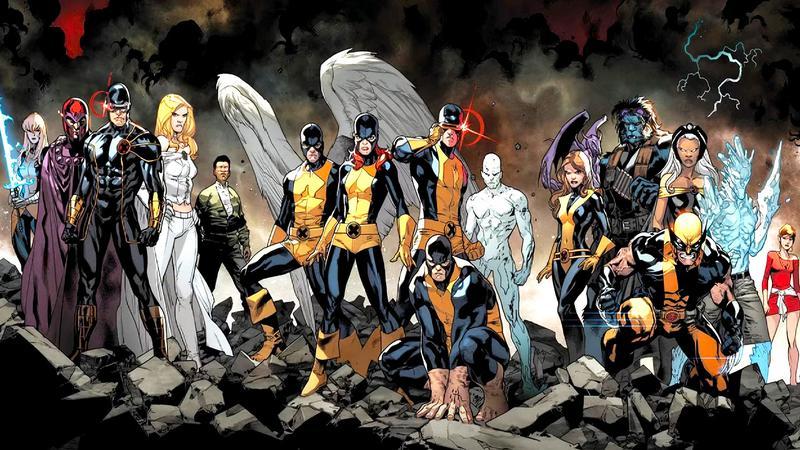
Marvel's next major test arrives with the upcoming X-Men reboot directed by Jake Schreier, which is expected to release in 2028. This move highlights an intention to prioritize strong creative leadership rather than relying on name recognition.
Fans may feel discouraged that projects like Blade, Shang-Chi 2, or Doctor Strange 3 are not currently moving forward, but this temporary pause could pay off.
If Marvel maintains this approach, it could emerge from this transition with renewed momentum and a more focused strategy, setting the stage for a stronger era leading up to the 2030s and the next major Saga.