Marvel Studios officially revealed an updated MCU timeline, including VisionQuest, and the show's placement within it shed some light on its connection to Avengers: Doomsday. The Infinity Saga (Phases 1 to 3) largely followed a straightforward chronological progression from Captain America: The First Avenger through Avengers: Endgame. The five-year in-universe time jump in Endgame marked a natural break, after which the Multiverse Saga introduced far greater complexity. Multiversal branching (through Loki), time-displaced stories, parallel narratives, and a rapidly expanding slate of Disney+ series, many of which take place between or alongside the films, made the overall chronology harder to track.
Notable examples of this more layered placement include the street-level entries Daredevil: Born Again Season 1 and Season 2, along with The Punisher: One Last Kill, which occupy the 2026-2027 period in the MCU and overlap with or follow the broader Phase 5 and early Phase 6 stories set in New York. Larger-scale Phase 6 projects, such as Thunderbolts* and The Fantastic Four: First Steps, are positioned further along the timeline, closer to the events leading up to Avengers: Doomsday.
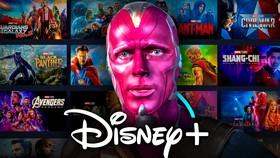
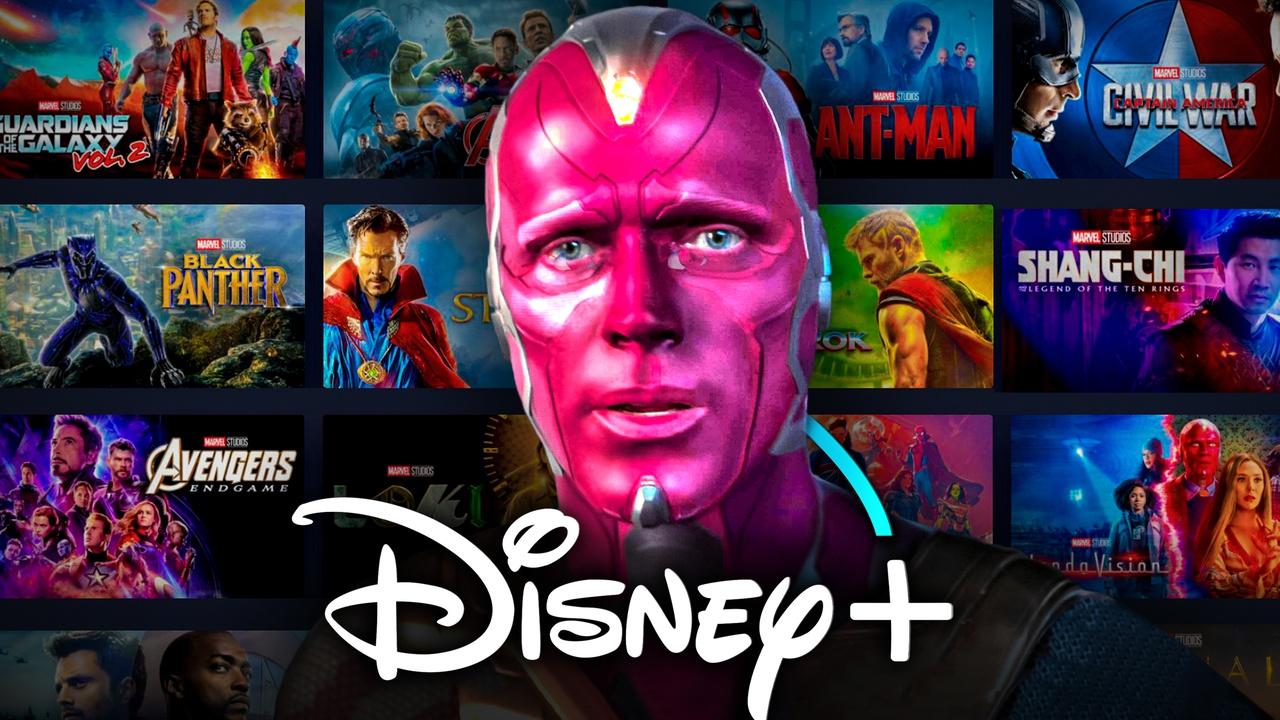
As the most recent in-universe entry, VisionQuest received an exciting confirmation of its place in the vast MCU timeline. Marvel Studios placed the Paul Bettany-led series at the tail end of the timeline, with its events happening after The Punisher: One Last Kill and Wonder Man.
VisionQuest's timeline placement makes a lot of sense, especially considering the comments from its creator Terry Matalas. In September 2026, Matalas confirmed that the WandaVision trilogy closer happens in the same year as Spider-Man: Brand New Day, meaning it sits near the events of Avengers: Doomsday:
"Years have passed since 'WandaVision.' I would say we're about current with 'Spider-Man: Brand New Day.'"
VisionQuest currently marks the furthest point on the main timeline. It is set years after WandaVision (which concluded around 2023) and after Agatha All Along (Fall 2026), placing it roughly in the present day of the MCU.
It is unknown yet if VisionQuest's ending will directly connect to Doctor Doom's exploits in Avengers: Doomsday, but Episode 2 already hid a minor Doom connection tied to Ultron that could hint at what's to come for the MCU's future.
Moreover, VisionQuest Episode 3 introduced another potential Avengers: Doomsday connection when Vision told Tommy they couldn't ask Bruce Banner for help because he was "unavailable."
Tommy: "Where do we go to fix you? Apple Store? TV repair shop?"
Vision: "There are only two people who could possibly repair me. One of them died saving the universe, the other is Dr. Banner."
Tommy: "Yeah, but the last time he worked on robots, he cooked up a genocidal sociopath, didn't he?
Ultron: "The name is Ultron, but you can call me Mr. Ultron."
Vision: "It's a moot point, Thomas. Dr. Banner is unavailable; I'm on my own."
Vision's remark is quite notable because he is alluding to what happened to Bruce during the events of Brand New Day, where he was taken away to a joint military base complex after his rampage at the Department of Damage Control headquarters.
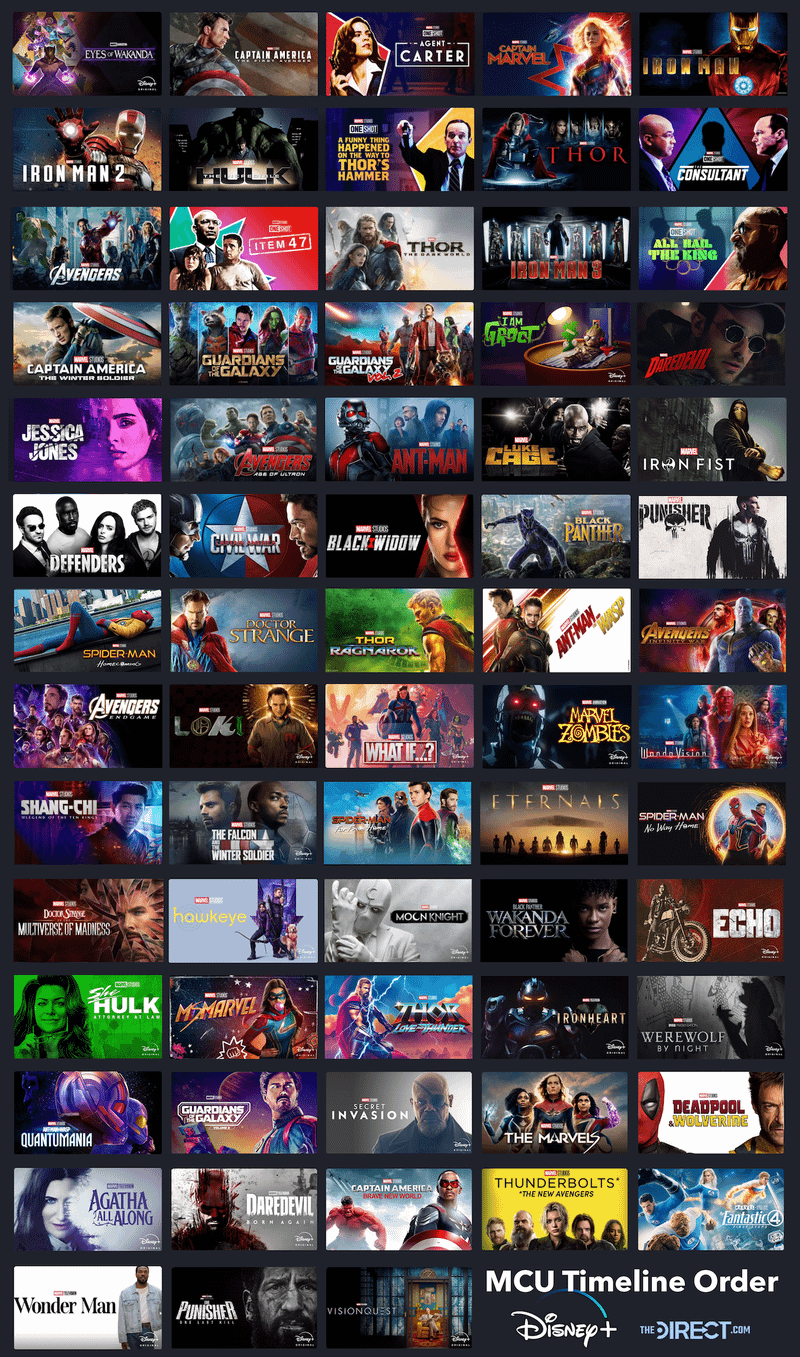
After the addition of VisionQuest, the updated chronological order on Disney+ is as follows:
- Eyes of Wakanda
- Captain America: The First Avenger
- One Shot - Agent Carter
- Captain Marvel
- Iron Man
- Iron Man 2
- The Incredible Hulk
- One Shot - A Funny Thing That Happened on the Way to Thor's Hammer
- Thor
- One Shot - The Consultant
- The Avengers
- One Shot - Item 47
- Thor: The Dark World
- Iron Man 3
- One Shot - All Hail the King
- Captain America: The Winter Soldier
- Guardians of the Galaxy
- Guardians of the Galaxy Vol. 2
- I Am Groot
- Daredevil
- Jessica Jones
- Avengers: Age of Ultron
- Ant-Man
- Luke Cage
- Iron Fist
- The Defenders
- Captain America: Civil War
- Black Widow
- Black Panther
- The Punisher
- Spider-Man: Homecoming
- Doctor Strange
- Thor: Ragnarok
- Ant-Man and the Wasp
- Avengers: Infinity War
- Avengers: Endgame
- Loki
- What If...?
- Marvel Zombies
- WandaVision
- Shang-Chi and the Legend of the Ten Rings
- The Falcon and the Winter Soldier
- Spider-Man: Far From Home
- Eternals
- Spider-Man: No Way Home
- Doctor Strange in the Multiverse of Madness
- Hawkeye
- Moon Knight
- Black Panther: Wakanda Forever
- Echo
- She-Hulk: Attorney at Law
- Ms. Marvel
- Thor: Love and Thunder
- Ironheart
- Werewolf by Night
- The Guardians of the Galaxy Holiday Special
- Ant-Man and The Wasp: Quantumania
- Guardians of the Galaxy Vol. 3
- Secret Invasion
- The Marvels
- Deadpool & Wolverine
- Agatha All Along
- Daredevil: Born Again
- Captain America: Brave New World
- Thunderbolts*
- The Fantastic Four: First Steps
- Wonder Man
- Punisher: One Last Kill
- VisionQuest
Why VisionQuest's MCU Timeline Placement Is More Important Than Fans Think
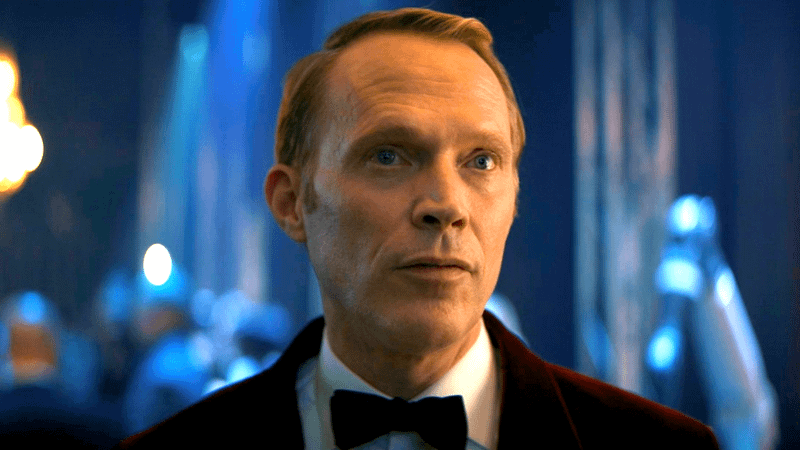
VisionQuest's MCU timeline placement has a deeper meaning because it provides fans with a clear overview of what's happening in the broader MCU right before the arrival of the Fantastic Four and the incursions threaten Earth-616. This is crucial because it gives fans a sense of where Vision stands when the Avengers and the New Avengers bicker over who should rightfully be called the Avengers of the main Earth.
Elsewhere, the multi-year gap between VisionQuest and WandaVision also makes sense because it gives White Vision time to live in isolation after regaining his memories. Based on Agatha All Along's ending, it gives Billy Maximoff (and Ghost Agatha) time to search for Tommy. It also lets the story move fully past Doctor Strange in the Multiverse of Madness and the immediate aftermath of what transpired in Westview.
VisionQuest's in-universe reference to Wanda Maximoff being crushed under a mountain and the fact that the events of Sokovia in Age of Ultron occurring over a decade reinforce the idea that this project is in the latter part of the Multiverse Saga.
VisionQuest's finale will premiere on November 10 on Disney+, which is just weeks before Avengers: Doomsday on December 18. It is unknown how the final episode will serve as a springboard for Vision's MCU future, but the themes of AI and identity are positioned to echo into the larger Multiverse Saga climax.