Disney+ and Marvel quietly crossed an unfortunate milestone. With Venom: Let There Be Carnage now streaming in the US, the platform officially hosts eight theatrically released Marvel sequels that carry a Rotten rating on Rotten Tomatoes, which considers a movie "rotten" if less than 60% of critics review it positively. This regrettable stat shows how uneven Marvel’s long theatrical history has been across studios, eras, and creative strategies.
The latest addition, Sony Pictures' Venom: Let There Be Carnage, lands on Disney+ with a 58% critics' score, narrowly missing "fresh" status. While audiences were more forgiving, critics largely saw the sequel as louder, messier, and thinner than its already divisive predecessor.
Below is the full list of every Rotten-rated Marvel sequel movie currently available on Disney+, with a quick breakdown of why each struggled and what fans found to enjoy anyway.
Every Certified Rotten Marvel Sequel on Disney+
Venom: Let There Be Carnage
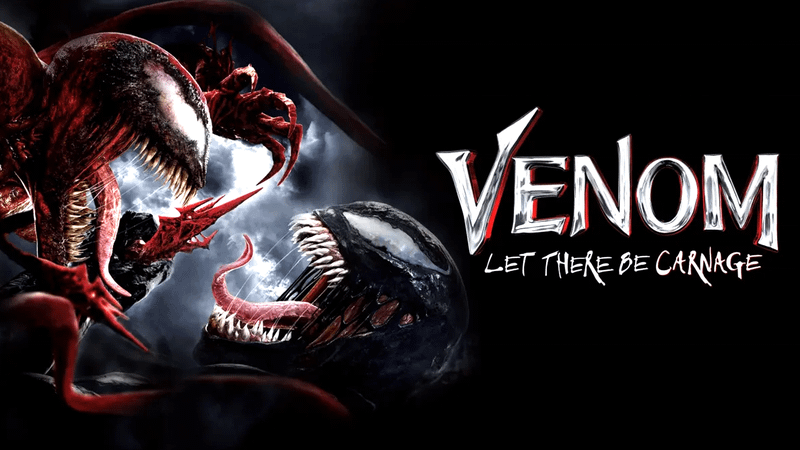
Critics dinged this 2021 Venom sequel for doubling down on chaos without tightening the story. At barely 90 minutes, it felt rushed, underdeveloped, and tonally all over the place. That said, audiences embraced the absurdity. Tom Hardy’s heightened Eddie/Venom dynamic leaned harder into comedy, and Woody Harrelson’s Carnage brought unhinged energy, even if the script couldn’t fully support it.
The Amazing Spider-Man 2
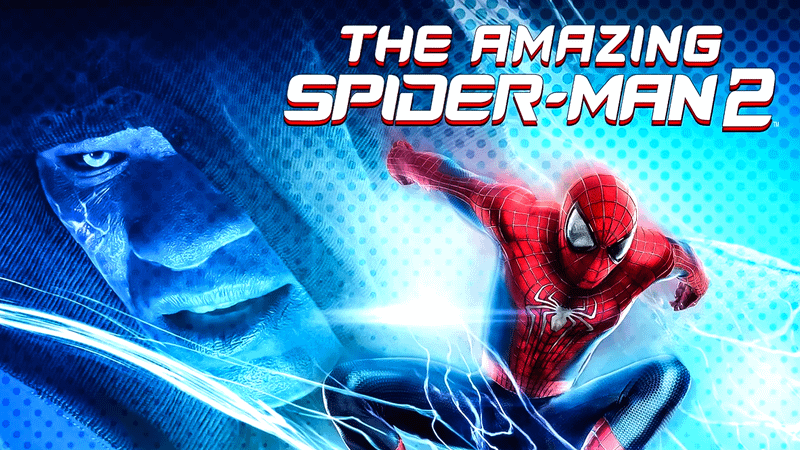
This overstuffed, unfocused sequel’s critics pointed to a bloated runtime filled with sequel bait, half-baked villains, and dangling plot threads clearly designed to set up future films rather than serve the story at hand. Tonal whiplash was another issue, swinging from light romance to grim tragedy without much grace.
Still, Andrew Garfield remains widely praised as Spider-Man, and his chemistry with Emma Stone’s Gwen Stacy was among the film's highlights. The film’s emotional climax was as memorable as it was heartbreaking, setting up an equally touching redemption in Tom Holland’s Spider-Man: No Way Home.
X-Men: The Last Stand
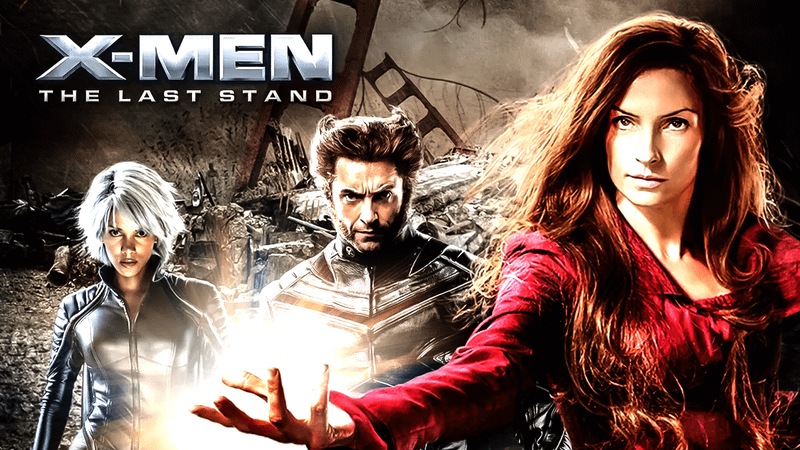
Rushed and overcrowded, the third X-Men film took heat for cramming multiple massive storylines into one overstuffed runtime. The film famously mishandled Jean Grey’s Dark Phoenix arc, which included the off-screen demise of Scott Summers, with James Marsden’s Cyclops abruptly written out in a move that felt both dismissive and narratively hollow. While the ensemble cast and large-scale action still delivered spectacle, the film’s creative shortcuts were largely a disappointment after the heights its predecessor hit.
X-Men: Apocalypse
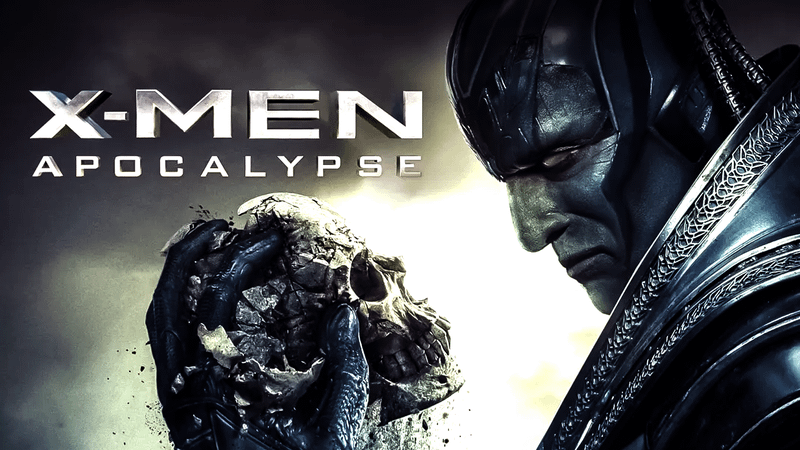
Despite its epic ambition, X-Men: Apocalypse collapsed under bloated plotting and thin characterization. Future Moon Knight actor Oscar Isaac, buried under heavy makeup and a generic script, struggled to make Apocalypse feel like an extinction-level threat.
The ensemble once again leaned on Michael Fassbender and James McAvoy to supply emotional gravity, but their work couldn’t compensate for uneven writing. Disappointment hit harder because the film followed X-Men: Days of Future Past, widely regarded as one of the best superhero movies ever made.
Dark Phoenix
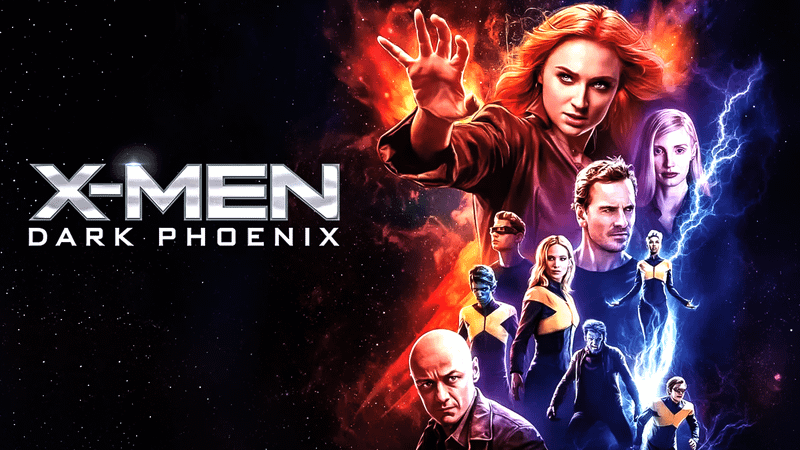
Criticized for flat direction and a script that drained urgency from a classic storyline, 2019's Dark Phoenix struggled to deliver an emotional finale. Sophie Turner’s Jean Grey felt underwritten, and even James McAvoy and Michael Fassbender were left spinning their wheels. The cast committed, but stiff dialogue and muted stakes kept the film from ever igniting, making the franchise’s final chapter a boring, unimaginative dud.
Fantastic Four: Rise of the Silver Surfer
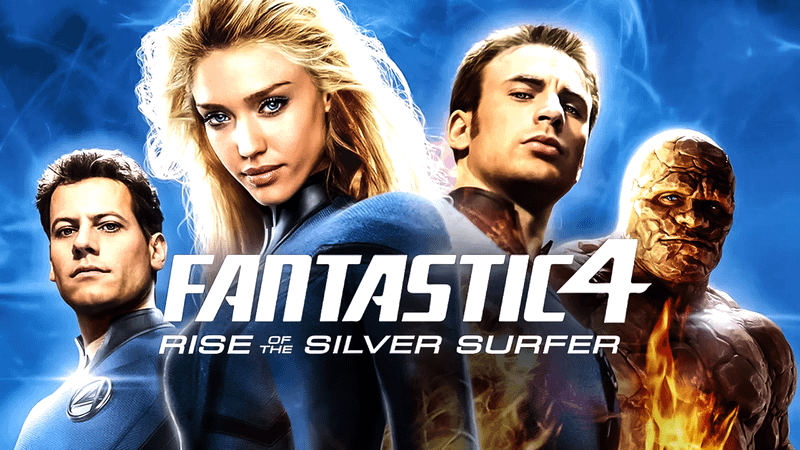
While fans praised the Silver Surfer’s sleek visual design, few other elements in this 2007 sequel worked in its favor. The film squandered his potential with shallow characterization, doubling down on the tone that fans and critics balked at in its predecessor. Galactus’ reimagining as a cosmic cloud also frustrated fans, giving weight to complaints that the filmmakers never took its iconic villains or heroes seriously.
Ant-Man and The Wasp: Quantumania
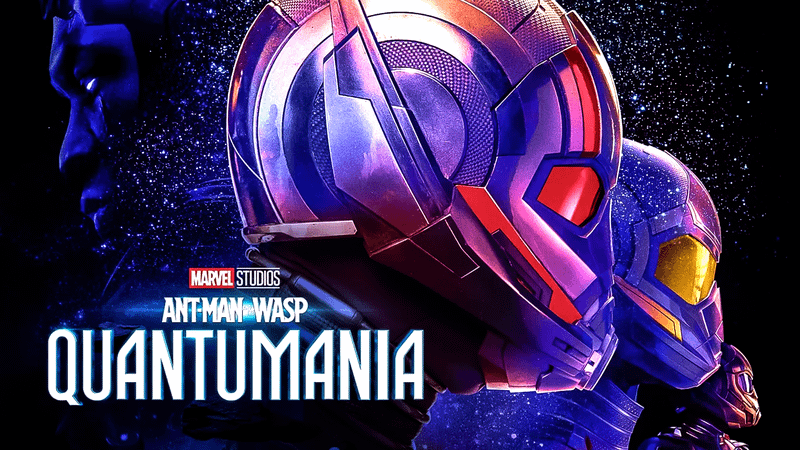
Critics ripped the third entry in the Ant-Man franchise for its ugly, weightless CGI and sloppy writing, which stripped the usually buoyant series of its signature charm. Jonathan Majors’ Kang once seemed like the movie’s saving grace, but the MCU’s pivot away from the character amid the actor’s legal troubles rendered the film largely inconsequential. Kathryn Newton failed to deliver a compelling performance as Cassie Lang, and the endless green-screen chaos made the story feel artificial, noisy, and ultimately disposable.
Captain America: Brave New World
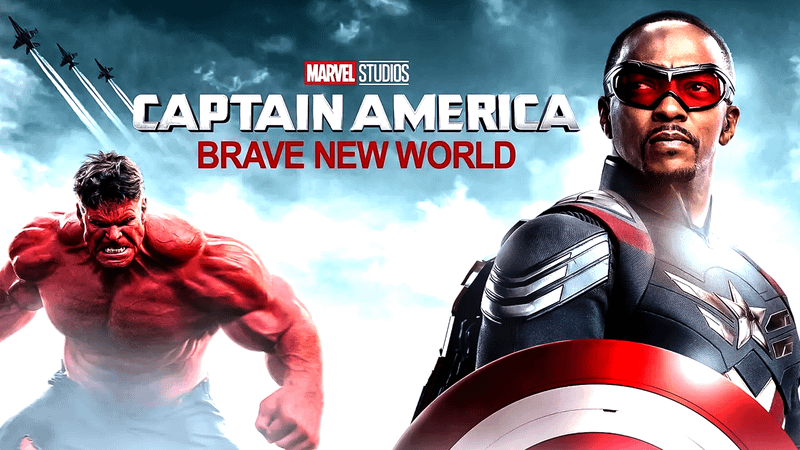
Critics and fans knocked Anthony Mackie’s theatrical debut as Captain America for continuing Marvel Studios’ uneven handling of Sam Wilson, who too often feels like the least interesting character in his own story. Mackie remains solid, but the noncommittal script rarely gave him compelling material, making the affable actor feel like an afterthought.
Danny Ramirez shone as a charismatic, easy-to-root-for sidekick, while Harrison Ford added familiar gravitas, and Carl Lumbly delivered the film’s strongest emotional beats. Unfortunately, the movie buckled under a pieced-together narrative that ultimately says little about the new Captain America and the world he represents.
What Other Certified Rotten Marvel Movies are on Disney+?
In addition to the sequel movies, there are plenty of Marvel films on Disney+ that are either first installments, reboots, or prequels and are Certified Rotten.
Bonus: Venom
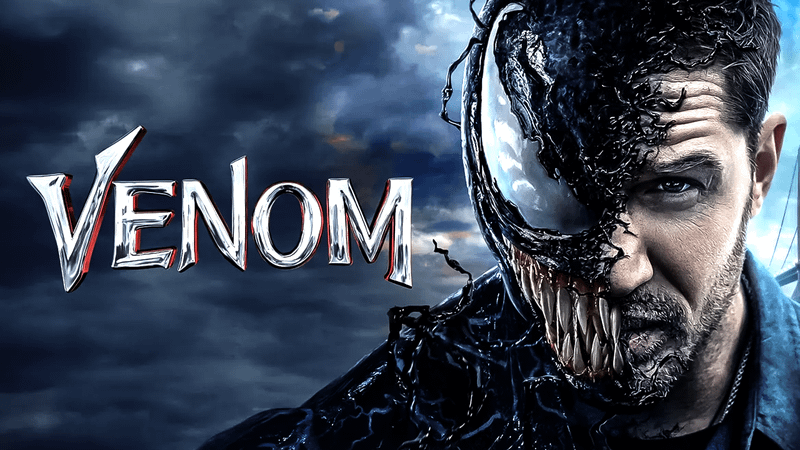
Critics and some fans slammed the film that kicked off Sony's Spider-Man-adjacent universe for its generic villain, uneven tone, and the lack of context involving the arachnid-powered webslinger. Critics wanted sharper writing and clearer direction. Fans, meanwhile, latched onto Tom Hardy’s offbeat performance and the bizarre buddy-comedy chemistry between Eddie and Venom, which became the franchise’s defining strength.
Bonus: Morbius
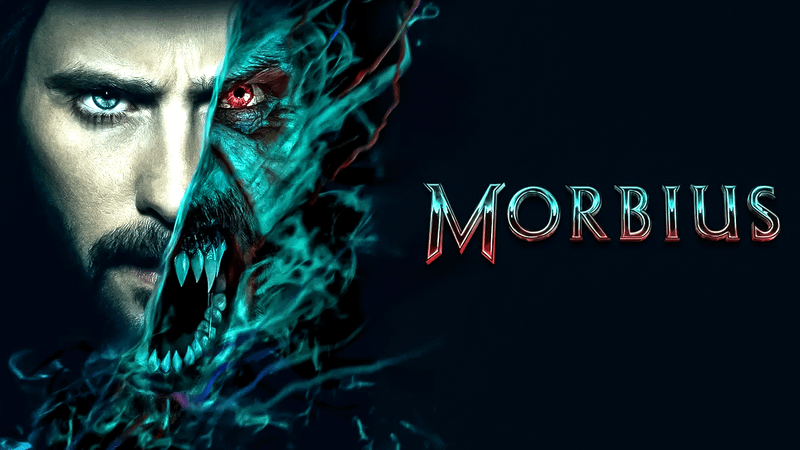
Few modern superhero films became punchlines faster than Jared Leto's woeful 2022 effort, Morbius, which failed in theaters twice in the same calendar year. Critics criticized its lifeless visuals, thin plot, and confusing place in Sony’s Spider-Man Universe. Leto’s performance split audiences, though some fans appreciated the gothic ambition and willingness to try something darker—even if execution fell flat.
Bonus: Madame Web
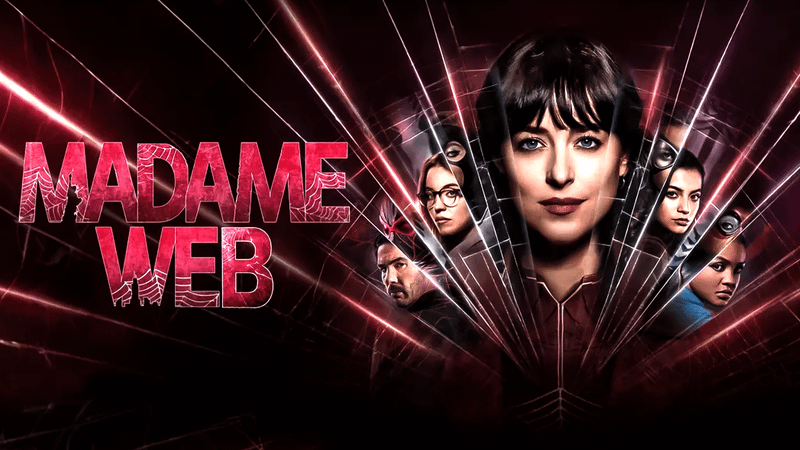
Panned for clunky dialogue, awkward exposition, and jarring tonal shifts, Madame Web’s execution left fans and critics baffled. Dakota Johnson’s flat, disengaged performance drew widespread criticism, while Sydney Sweeney and the supporting cast were given thinly written archetypes instead of actual characters.
The film leaned heavily on lore dumps, bizarre editing choices, and unintentionally comedic line readings, undercutting any suspense. While a few viewers appreciated its campiness, most saw it as a confused, poorly assembled misfire.
Bonus: Daredevil (2003)
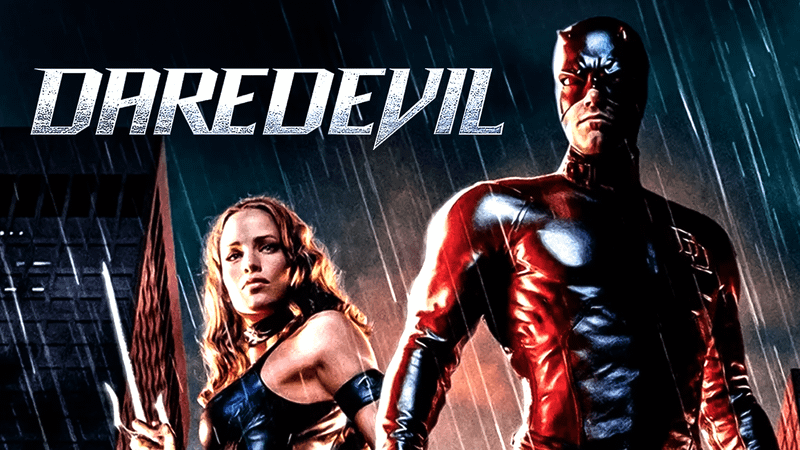
Style over substance defined this early Marvel outing, with critics heavily targeting its choppy editing, overwrought dialogue, and muddled tone. Ben Affleck’s Matt Murdock was seen as stiff and miscast at the time, while Jennifer Garner’s Elektra drew mixed reactions for lacking depth beyond the action. Colin Farrell’s Bullseye, however, became the film’s most talked-about element, as his cartoonishly unhinged performance was divisive but memorable.
Bonus: Elektra
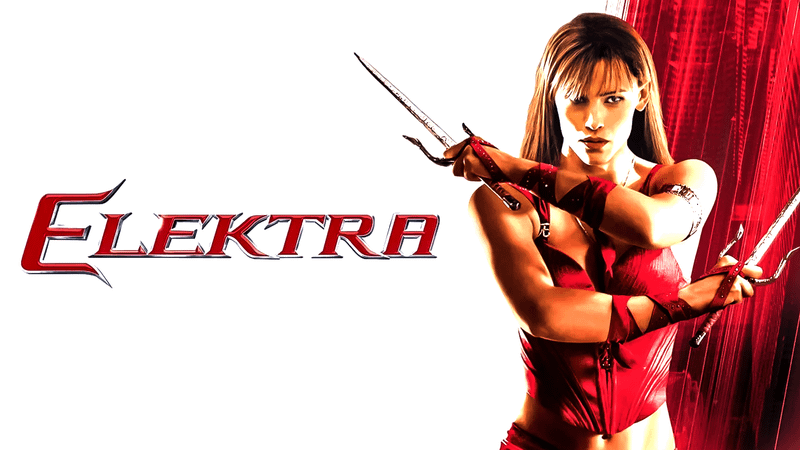
Widely criticized for its bland action and paper-thin narrative, Elektra felt unnecessary even upon release, spinning off a character audiences hadn’t strongly connected with in Daredevil. Critics hammered the film for its sluggish pacing, muted choreography, and generic assassin mythology. Jennifer Garner’s physical commitment and intensity were praised, but the script gave the Alias star little emotional depth to work with. Even attempts at a darker, more meditative tone fell flat, leaving the film feeling hollow and lifeless.
Bonus: X-Men Origins: Wolverine
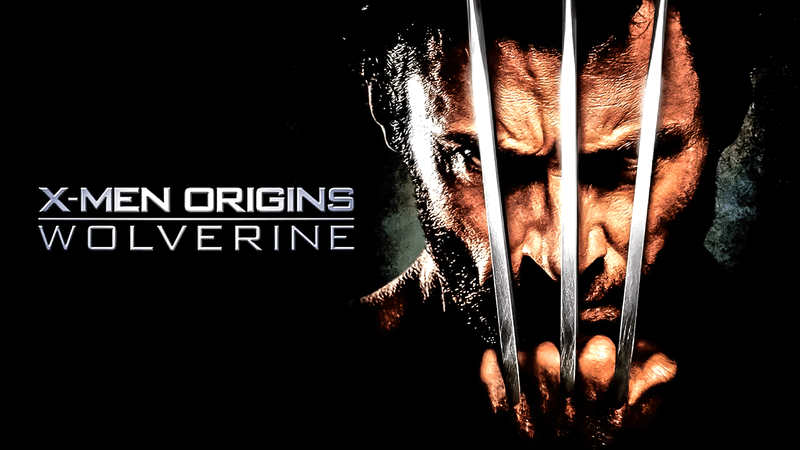
This Hugh Jackman-led origin story should have been a home run, but its lackluster CGI, inconsistent tone, and jarring script weighed it down with critics and fans. The most infamous misstep was Ryan Reynolds’ Wade Wilson, reimagined as a mute, weaponized experiment, going against the character’s defining traits. Even Jackman’s committed performance couldn’t overcome a story that overexplained Wolverine’s past while stripping away his mystery and edge.
Bonus: The New Mutants
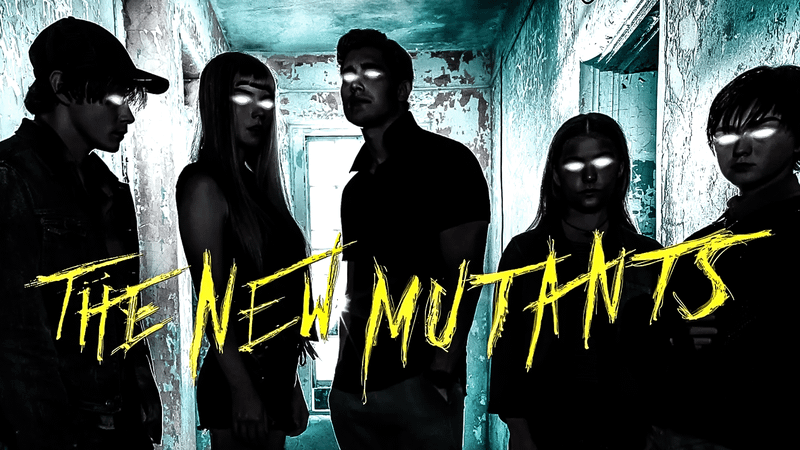
Delayed repeatedly and retooled behind the scenes, this horror-tinged outing arrived feeling dated. Critics pointed to uneven writing that never fully committed to horror or superhero storytelling. The young cast, including Anya Taylor-Joy and Maisie Williams, showed flashes of strong chemistry, but thin character arcs and abrupt pacing kept the film from capitalizing on its genre-bending premise.
Bonus: Fantastic Four (2005)
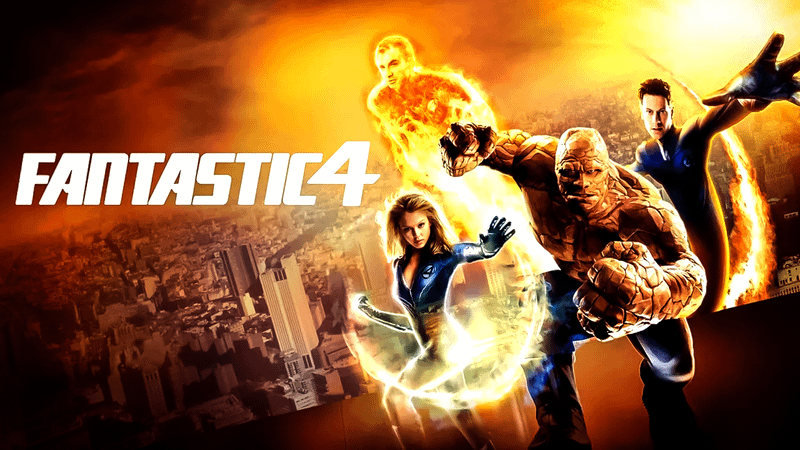
Lightweight and cartoonish, fans and critics savaged 2005’s Fantastic Four for turning Doctor Doom, one of Marvel’s most iconic villains, into a shallow corporate rival with vague powers and little menace. Stilted dialogue and contrived plot mechanics further undercut any sense of stakes.
Jessica Alba and Ioan Gruffudd delivered wooden performances that struggled to sell the team’s emotional core. In contrast, Chris Evans’ cocky Human Torch and Michael Chiklis’ gruff, tragic Thing injected personality and humor into an otherwise less-than-mediocre superhero offering.
Bonus: Fantastic Four (2015)
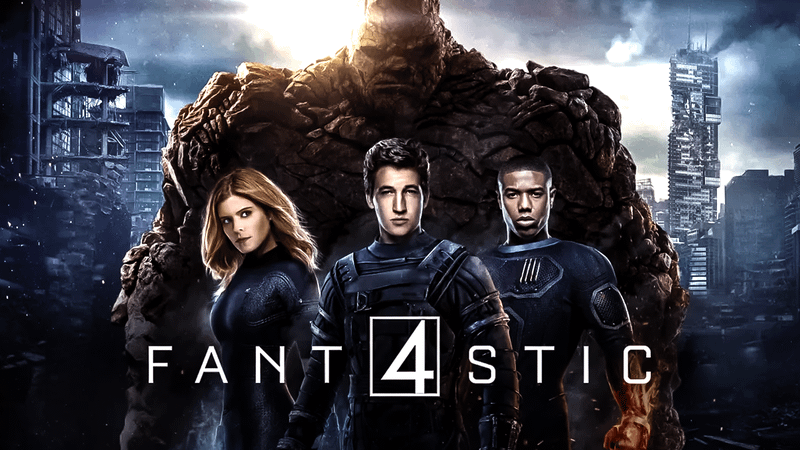
After the cartoonish Fantastic Four films of the mid-2000s, this reboot arrived with genuine promise thanks to the promise of a gritty tone and a young, talented cast. Unfortunately, even Michael B. Jordan, Miles Teller, Kate Mara, and Jamie Bell struggled to save the Josh Trank-directed film after a strong opening act. Obvious studio interference, jarring tonal shifts, and a second half that felt stitched together led to an abrupt finale that smothered what could have been a bold reinvention.
Bonus: Eternals
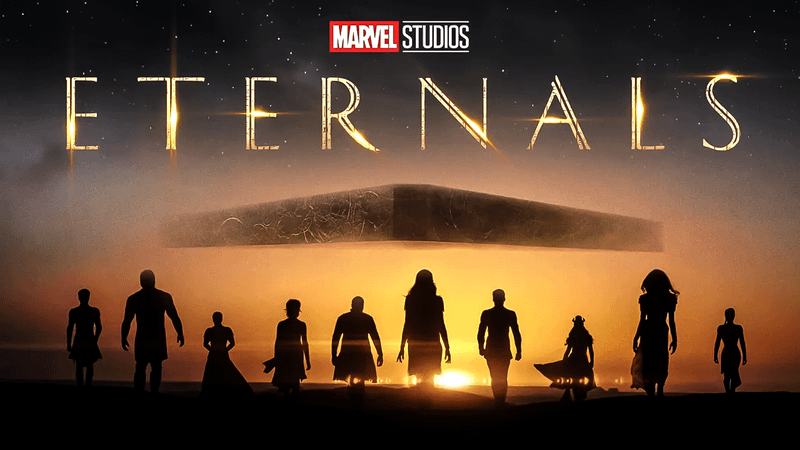
Marvel Studios’ first Rotten entry polarized critics by swinging big and not always connecting. Oscar winner Chloé Zhao’s direction earned praise for its sweeping visuals and naturalistic style, while Lauren Ridloff’s Makkari quickly became a favorite thanks to her inventive speedster action, despite her limited screen time.
Performances from Kumail Nanjiani, Angelina Jolie, and Brian Tyree Henry added warmth, gravitas, and heart, but the film folded under the weight of its sprawling cast and plot contrivances. The dense mythology and Zhao’s vision left some viewers admiring the ambition more than the execution.