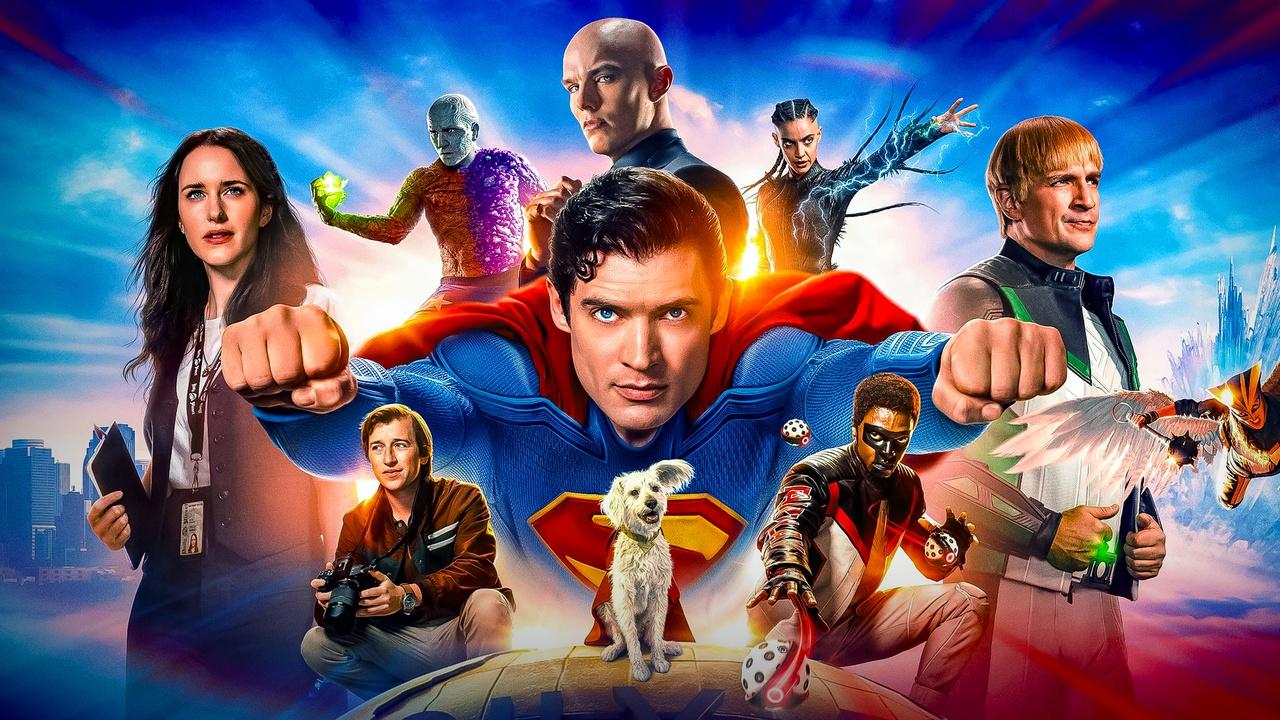
Superman set the bar in the DCU as its first live-action feature film release, but it's something the next DC Studios films will struggle to live up to, at least in certain regards. The next cab off the rank for James Gunn and Peter Safran's superhero cinematic universe is Supergirl, which follows Milly Alcock's Kara Zor-El, Superman's cousin. Where Superman was a sprawling superhero blockbuster, featuring far more heroes than just the titular one, Supergirl will be more focused in its scope, and that could be a problem.
Superman came out of the gate swinging in 2025, telling the story of not just DC's poster boy, but incorporating several non-Superman DC heroes as well. James Gunn's film featured the Justice Gang, including Hawkgirl, Green Lantern/Guy Gardner, Mister Terrific, and Metamorpho. Additionally, the film featured Frank Grillo as ARGUS director Rick Flag Sr. and Sean Gunn as Maxwell Lord. While Superman remained the focus of this movie, adding these additional DC characters helped broaden the scope of the DCU and begin to establish links within the interconnected cinematic universe.
In 2026, DC Studios' two feature films are Supergirl and Clayface, both of which are far less connected to the DCU than Superman was. Supergirl is the next to release in June, and while Alcock's character already received a launchpad after appearing in Superman, her solo film is far more, well, solo.
Supergirl still has plenty of DC characters lined up for its story, including Jason Momoa's debut as the bounty hunter Lobo, the introductions of Krem of the Yellow Hills and Ruthye Marye Knoll, and the return of Krypto the Superdog. However, it doesn't have the same breadth of DC characters that Superman did (at least as far as we know).

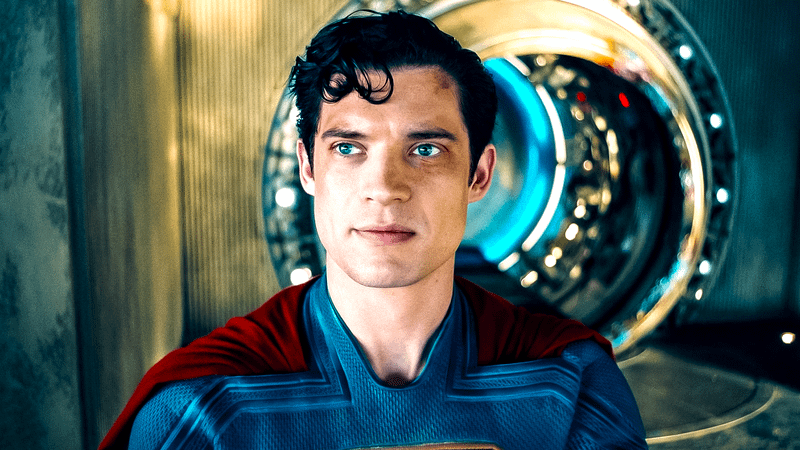
It's expected that David Corenswet will return as Superman in the film, which would establish a deeper connection between Superman and Supergirl in the DCU, but there's still a distinct lack of non-Super-Family DC heroes in the roster.
The breadth of heroes in Superman was already somewhat surprising, given how new the DCU was at the time. When the Marvel Cinematic Universe began, it spent years establishing Iron Man, Captain America, and Thor individually before ultimately bringing them together in a crossover film like The Avengers, which showed how vast the Marvel universe was.
Meanwhile, DC Studios is taking a different approach, serving up multiple heroes in its first film, before splitting off into smaller, more focused films with Clayface and Supergirl. This isn't necessarily a bad strategy, nor does it mean Supergirl will suffer for its lack of additional heroes, but it may struggle to broaden the scope of the DCU beyond the Super-Family without the added DC ties that Superman had.
Supergirl will be released in theatres on June 26, 2026. Directed by Craig Gillespie (I, Tonya), Supergirl stars Milly Alcock, Jason Momoa, Eve Ridley, and Matthias Schoenaerts. The movie will adapt Tom King and Bilquis Evely's comic run, Supergirl: Woman of Tomorrow.
Supergirl Can Succeed On Her Own

Despite the apparent lack of extra DC ties in Supergirl, there are still plenty of ways Alcock's hero can succeed without all of that.
As mentioned, Supergirl is based on the Woman of Tomorrow comic arc, one of the most beloved Supergirl stories. Nominated for an Eisner Award, Supergirl: Woman of Tomorrow isn't afraid to show the vulnerable and messy side of Supergirl, which will be a refreshing take for a female superhero on the big screen.
Supergirl trailers have also promised more insight into the destruction of Krypton and Kara's origins there. Krypton is an integral part of both Superman and Supergirl's stories, and finally seeing this play out on the big screen is an important part of the puzzle that will only further establish the DCU's lore.
On top of that, it wouldn't serve the DCU to have every single film be a huge superhero crossover story like Superman was; otherwise, these events wouldn't feel special.
Supergirl has the chance to start delivering on some of the promises Superman made when it introduced so many characters at once, this time by honing in on just one of their stories. It can start to play out the DCU's worldbuilding strategy and establish its individual heroes so that when they do reappear, audiences have a deeper connection to them.