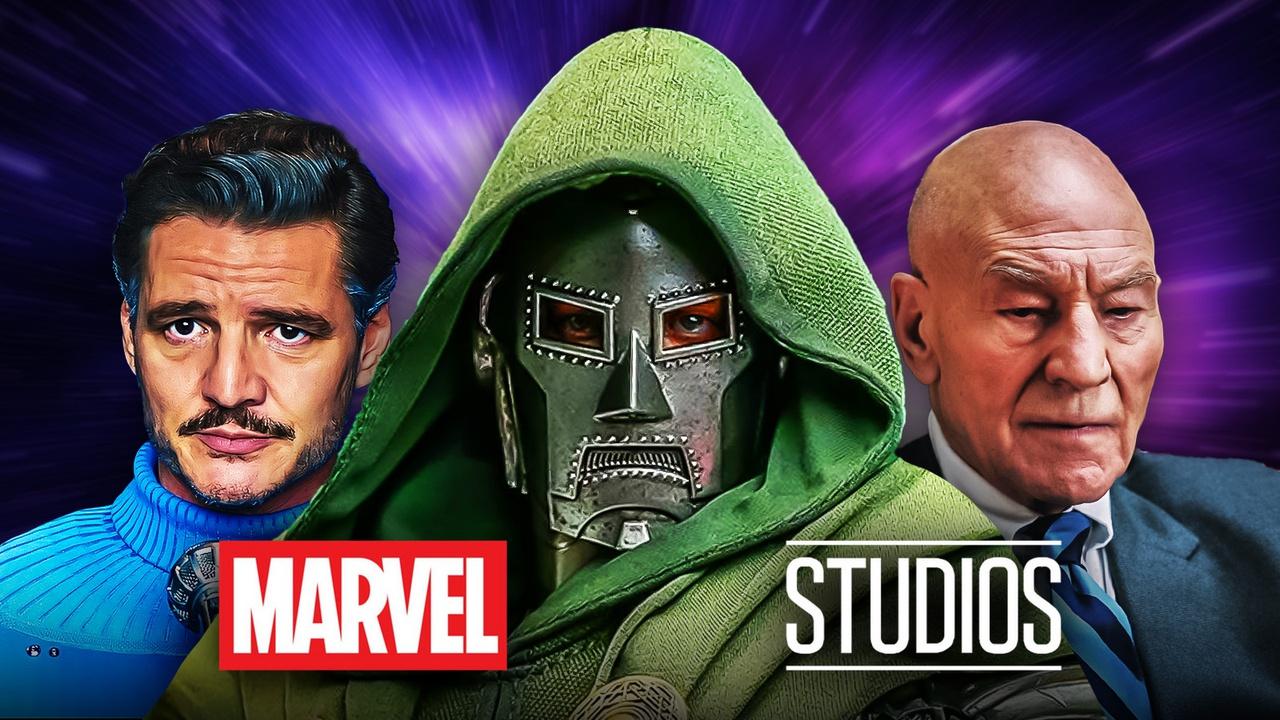
Doctor Doom is equal parts genius inventor, sorcerer, and political actor. In Marvel Comics, he combines science and magic in ways that let him contend with entire teams of heroes. In the MCU, that hybrid threat is being staged on a blockbuster scale in the highly anticipated Avengers: Doomsday. That combination makes Doom uniquely hard to fight. A brute force approach can fail, a purely technological countermeasure can be defeated by sorcery, and a moral appeal rarely works on a ruler who sees himself as a necessary god.
The roster of potential threats to the Latverian dictator in Doomsday is varied, ranging from masters of martial arts and trickery to beings of godlike power and cosmic manipulators. To be a problem for Doctor Doom, a hero must possess a unique advantage that bypasses his armor, counters his magic, or, most importantly, out-thinks his genius.
The MCU Heroes Most Capable of Challenging Doctor Doom
9. Shang-Chi
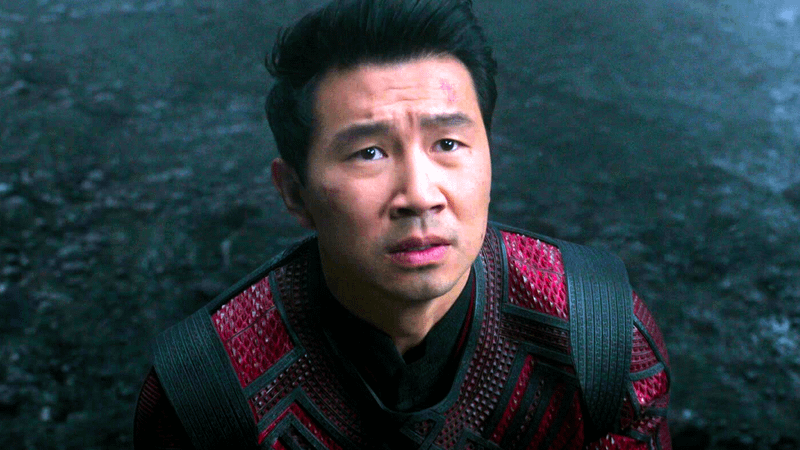
Why he is a problem: Master of unpredictability and the Ten Rings
Shang-Chi presents a tactical challenge for Doctor Doom because he is almost impossible to prepare for or predict. Doom’s strategies are often built on calculating the kinetic and energy output of his opponents. Shang-Chi’s fluid mastery of wushu, combined with the elemental power of the Ten Rings, bypasses the need for brute force that Doom’s armor is designed to absorb.
The Ten Rings are an ancient, magical force whose cosmic origin defies easy scientific or mystical categorization. This sheer unpredictability and the power of the Rings to project massive kinetic force make Shang-Chi a consistent, non-standard threat that Doom would struggle to integrate into his cold, rational battle calculations. Also, this secret upgrade Shang-Chi is getting in Doomsday could be a game-changer.
8. Loki
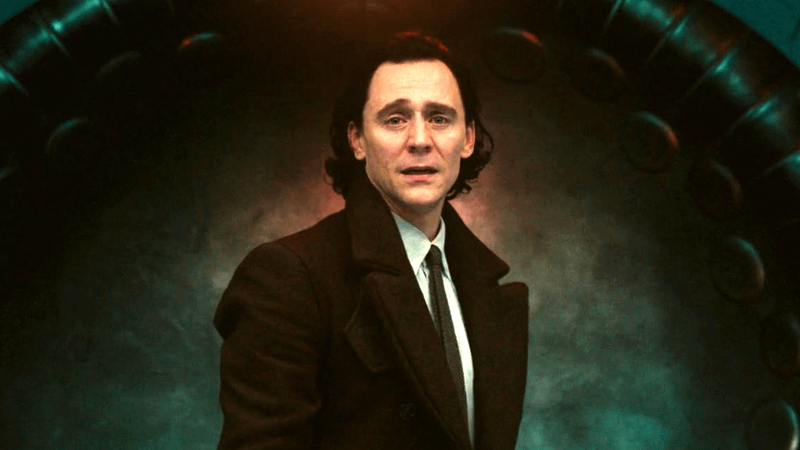
Why he is a problem: The Master Manipulator and Magic Counter
Loki, the God of Mischief, is problematic for Doom because he is a rival in the realms of cunning, deception, and sorcery. While Doom is a brilliant schemer, Loki is the literal embodiment of chaos and misdirection, capable of playing the long game with rival dictators. Loki’s illusions, shape-shifting, and advanced Asgardian magic, which can rival the best sorcerers, are a constant psychological assault on Doom’s ego.
In Avengers: Doomsday, The God of Mischief could exploit Doom’s fundamental need for order and control, luring him into traps by offering seemingly valuable alliances, only to betray him at the most critical moment. Crucially, Loki's experience with the Time Variance Authority (TVA) has made him a new kind of strategic threat ahead of the next Avengers film. He now possesses vast knowledge of multiversal and temporal mechanics, capable of recognizing and exploiting weaknesses in the very flow of time or alternate timelines.
7. Magneto (Erik Lehnsherr)

Why he is a problem: The Ultimate Armor Breaker
Magneto’s primary power is absolute control over all forms of magnetism, which presents an immediate and potentially catastrophic vulnerability for Doom. The central components of Doctor Doom’s strength, his iconic armor, weaponry, and armies of robotic Doombots, are fundamentally metallic and technological. In a direct confrontation, Magneto could tear Doom’s armor to shreds, manipulate the internal mechanisms to turn his own systems against him, or simply crush him with surrounding metallic structures.
While Doom incorporates anti-magnetic fields into his armor, Magneto’s raw power is so immense that he has historically overcome these countermeasures. He could strip Doom of his technological advantages and force him to rely exclusively on his magic.
6. Thor
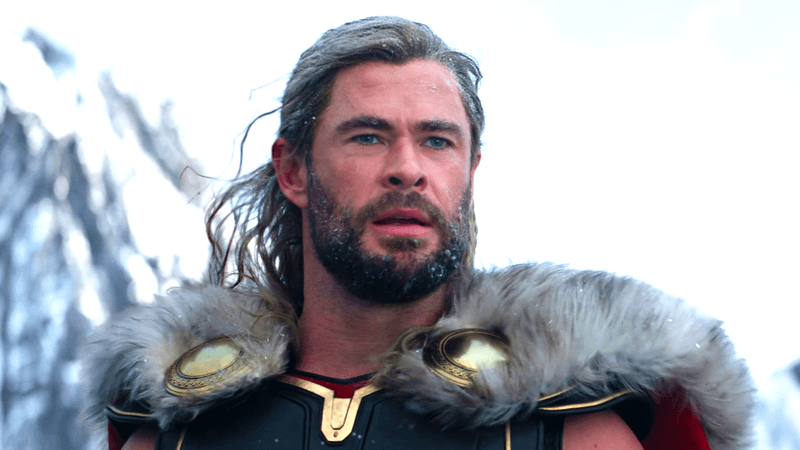
Why he is a problem: Overwhelming Asgardian Power and Mystical Might
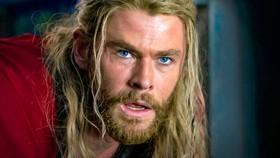
Thor is one of the few beings in the universe who could consistently stand up to Doctor Doom in a straight physical fight. Thor’s immense strength, durability, and his complete control over a storm’s elemental forces, generating lightning and wind independently of Mjolnir, can shatter Doom’s force fields and damage his vibranium-laced armor.
The nature of Thor’s power is inherently mystical and godlike, defying the scientific analysis that Doom uses to dissect his opponents. His ability to call on the Thorforce, as seen when he has defeated opponents like Gorr the God Butcher, means his power level elevates him into a state that challenges Doom’s vast magical mastery. He could force the Latverian ruler into a prolonged physical conflict in Doomsday, which is rarely his path to victory.
5. Professor X (Charles Xavier)
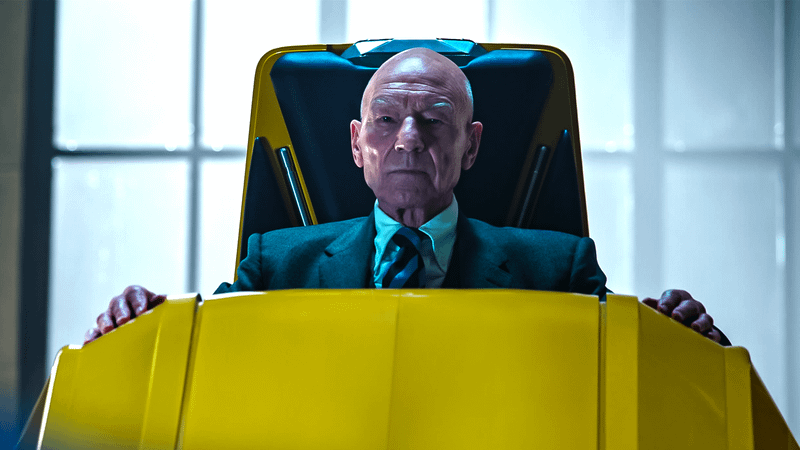
Why he is a problem: Unstoppable Mental Assault
Doctor Doom’s armor provides him with almost total protection from physical, energy, and magical attacks, but his defense against the one thing he does not possess is his most crucial vulnerability: telepathy. Professor X is the world's greatest telepath, a high-level Omega mutant whose mind is a weapon of unparalleled power. While Doom's armor has some protection against mind-control, a focused psychic assault from Professor X at his full, unrestrained power, especially when amplified by Cerebro, is a threat that even Doom would struggle to fend off.
Charles could not only render Doom catatonic in Doomsday but also access the deepest layers of his mind, exposing his crippling insecurities, past failures, and the face beneath his mask. A single, focused telepathic attack could bypass all of Doom’s armor and technology.
4. Invisible Woman (Sue Storm)
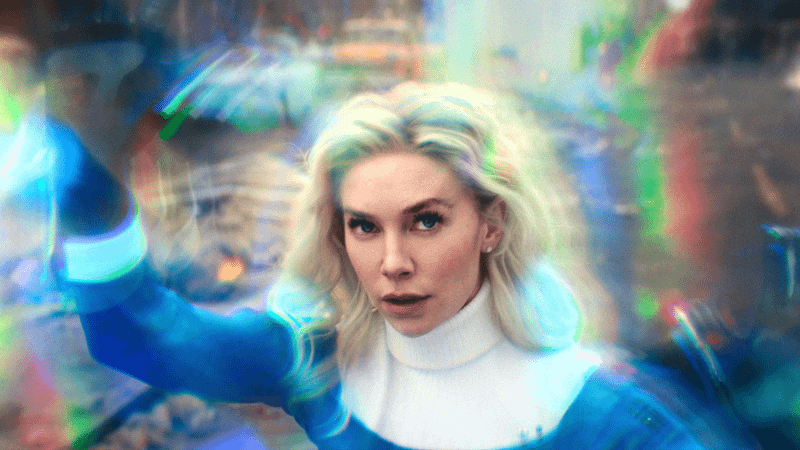
Why she is a problem: Unbreakable, Internal Offense and Maternal Power
Sue Storm’s power to generate and manipulate force fields makes her one of the most strategically dangerous heroes to Doom. Her force fields are an invisible, near-indestructible construct drawn from a hyperspace-based psionic energy, which Doom’s conventional technology struggles to analyze or penetrate. Her true threat to Doom is her offensive control. This allows her to generate solid force fields inside his battlesuit, create lethal internal pressure on his organs or critical life support systems, and bypass all external armor.
As showcased in Fantastic Four: First Steps, when the World Devourer Galactus arrived and targeted her son, Franklin Richards, Sue’s fierce maternal instincts pushed her power to its ultimate potential. She generated a planet-scale force field that caused Galactus visible pain and forced him to temporarily retreat, demonstrating that her power is amplified to a cosmic level when she acts as the protector of her family. With Doom having a key interest in Franklin Richards, Sue's maternal instincts would be at an all-time high.
3. Mister Fantastic (Reed Richards)

Why he is a problem: Superior Intellect and Existential Rival
Reed Richards is Doctor Doom’s ultimate, inescapable problem because of his mind. The foundational tragedy and motivation of Doom’s life stem from his hatred and jealousy of Reed. Reed’s intellect is the only one Doom reluctantly acknowledges as his rival, and often, his superior. This obsession is Doom’s greatest psychological weakness, constantly leading him to make strategic mistakes rooted in pride.
As demonstrated in Fantastic Four: First Steps, Reed’s mind is a non-stop engine of calculation, analyzing every possible disastrous outcome so he can work to create a specific, scientific countermeasure. He is the one hero who can repeatedly and reliably build the tools required to bypass Doom’s unique fusion of magic and technology. This makes him an existential, un-killable rival who plants the seed of self-doubt in the mind of the tyrannical dictator.
2. The Sentry (Robert Reynolds)

Why he is a problem: Unstable, God-Level, Anti-Science Power
The Sentry, or Bob Reynolds, is a living anomaly whose power is described as "the power of a million exploding suns." He is a problem for Doom because his abilities defy Doom's most critical tools: science and calculation. Sentry is effectively a walking, uncontrolled, god-tier energy source capable of nearly anything: immense strength, matter manipulation, resurrection, and reality-bending. A regular Doctor Doom struggles to defeat Sentry in a direct conflict; his raw power is too high. Furthermore, Sentry's internal persona, The Void, is a separate, malevolent entity that represents an antithesis to Doom's desire for order, making a confrontation unpredictable and uncontrollable.
In Thunderbolts*, Sentry demonstrated functional invulnerability, effortlessly absorbing multiple impacts and powerful energy strikes. His destructive feats included the use of immense strength to bend John Walker’s shield and molecular manipulation that melted an opponent’s firearm mid-fight. Most terrifyingly, Sentry used his enhanced senses and telekinesis to track and pluck the phasing Ghost out of the air. He also tore Bucky's arm off like it was nothing, showcasing a power level that negates highly advanced technology.
1. Franklin Richards

Why he is a problem: Omnipotent, Reality-Warping God
Franklin Richards is, unequivocally, Doctor Doom’s single biggest problem, a threat so immense and existential that he is in a class all his own. Franklin is an Omega-Level Mutant whose reality-warping abilities operate on a cosmic scale. He has historically created entire pocket universes, resurrected beings like Galactus, and fundamentally altered reality on a whim. While Sentry possesses godlike power, Franklin possesses Creator-level power. He is the personification of unchecked, infinite potential.
In the presence of Franklin, Doom’s genius, sorcery, armor, and army are utterly meaningless. In Doomsday, Franklin could wish Doom’s armor away, Latveria out of existence, or Doom into a far simpler life with a snap of his fingers. For the standard Doctor Doom, Franklin Richards is a challenge of cosmic magnitude that only the most desperate and power-stealing machinations could ever hope to address.

Geraldo Amartey is a writer at The Direct. He joined the team in 2025, bringing with him four years of experience covering entertainment news, pop culture, and fan-favorite franchises for sites like YEN, Briefly and Tuko.