Wonder Man impressed critics and viewers with its emotional themes and spell-binding storytelling when it premiered on January 27 with eight binge episodes. Each episode was impressive, telling the story of aspiring actor Simon Williams alongside his mentor Trevor Slattery. However, one episode caught viewers' attention thanks to a TV trick Marvel hasn't used in years.
Wonder Man Episode 4 stands out visually from every other episode in the Disney+ series. Director James Ponsoldt shot the entire installment in black-and-white, creating a moody, distinctive look that immediately grabs viewers’ attention.
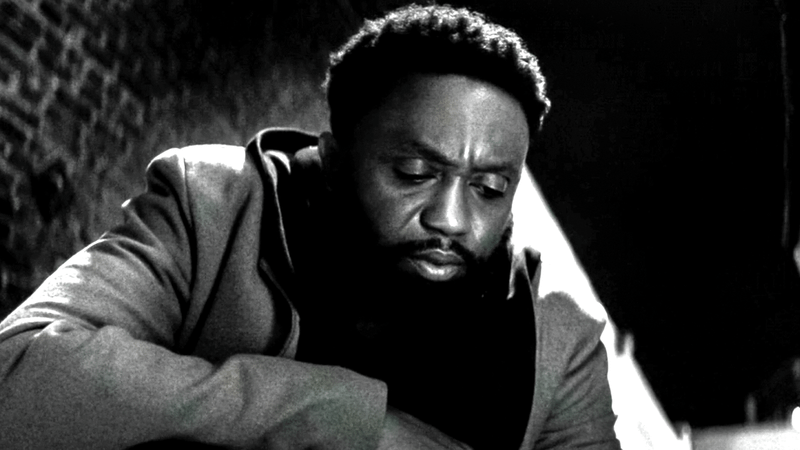
The episode, titled "Doorman," tells the tragic story of DeMarr Davis (Byron Bowers), a nightclub doorman who gains the ability to become a human portal. Marvel Studios uses the black-and-white format to frame the narrative as a flashback, explaining how Hollywood came to ban superheroes from the entertainment industry.
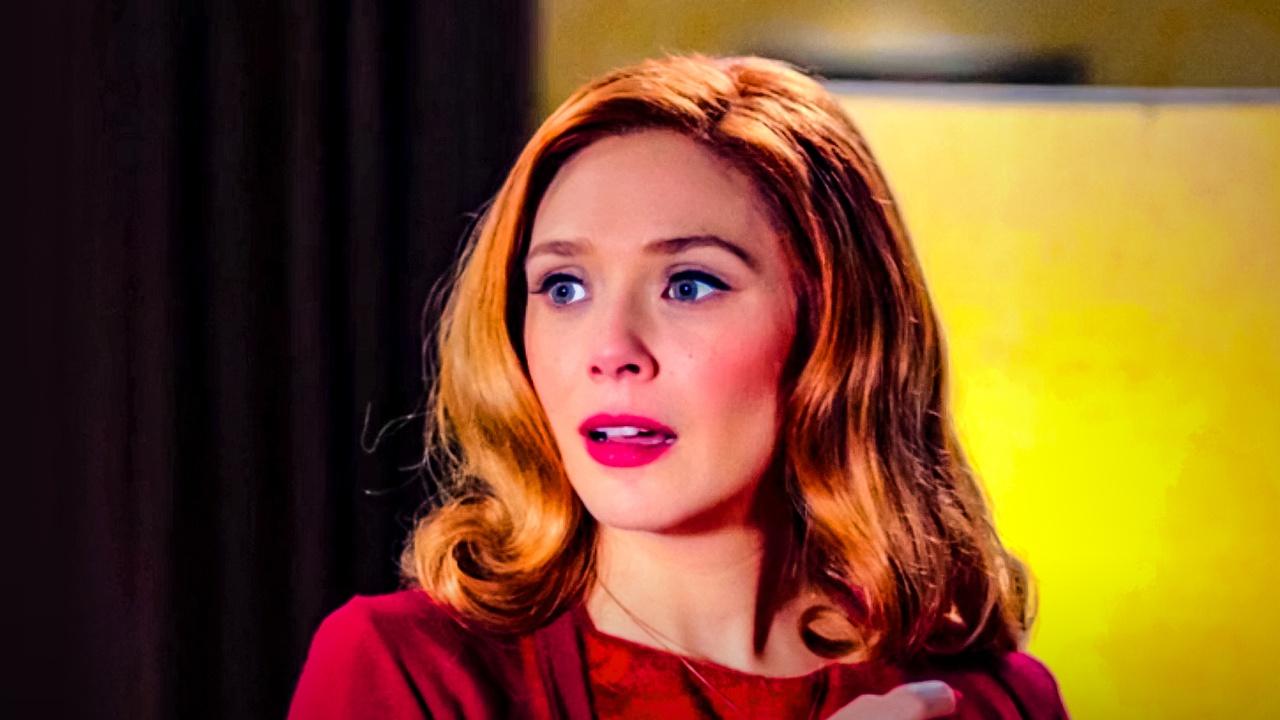
This marks the first time Marvel Studios returned to black-and-white storytelling since Phase 4. The last MCU TV show to embrace this visual approach premiered five years ago in January 2021: WandaVision.
WandaVision opened with two black-and-white episodes that mimicked 1950s and 1960s sitcoms. The visual style transported audiences into Wanda’s reality-warping fantasy world, making the suburban perfection feel authentic to television’s golden age. Marvel Studios committed fully to the concept, filming in front of a live studio audience and using period-appropriate camera techniques.
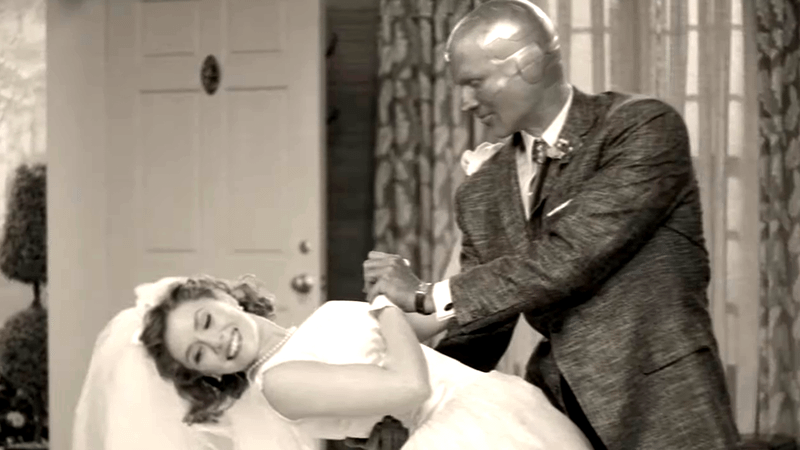
WandaVision employed multiple TV tricks throughout its nine-episode run. The show progressed through different sitcom eras, moving from the 1950s to the 1960s, 1970s, 1980s, and beyond. Each decade brought distinct visual styles, camera work, and comedic sensibilities.
However, none of these tricks proved as immediately effective or in-your-face as the black-and-white photography. The monochrome presentation signaled to audiences from the opening seconds that WandaVision would defy typical MCU expectations.
The choice carried narrative weight. Wanda Maximoff created her fantasy reality based on American sitcoms she watched on DVDs while growing up in war-torn Sokovia. Those shows represented an idealized version of family life she never experienced. The black-and-white episodes reflected her subconscious recreation of television’s earliest comfort programming.
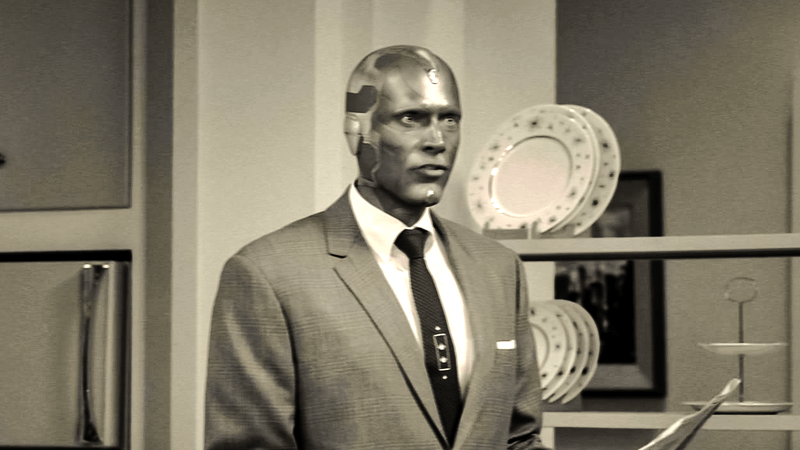
Marvel Studios director Matt Shakman ensured these episodes retained authenticity. The production team used 47 different camera lenses across the six time periods featured in WandaVision, modifying modern lenses to capture period-appropriate characteristics. They filmed with Arri Alexa 4K HDR cameras throughout the series, then applied era-specific lighting and effects to achieve the desired look.
The first two episodes drew particularly on I Love Lucy, The Dick Van Dyke Show, and Bewitched. Visual effects supervisor Trent Claus suggested using a specific blue color for Vision’s makeup based on his knowledge of cosmetics used on I Love Lucy. These details made the black-and-white world feel genuinely rooted in television history rather than simply filtered for effect.
How Wonder Man Uses WandaVision's Most Effective TV Trick
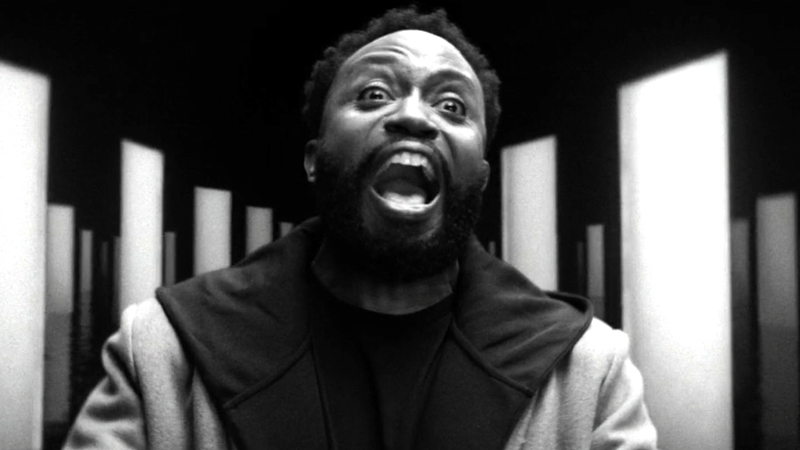
Wonder Man applies black-and-white photography for similar storytelling purposes. The fourth episode serves as a flashback that explains the Doorman Clause, a fictional Hollywood policy that prohibits superpowered individuals from working in film and television.
DeMarr Davis discovers his portal abilities after coming in contact with mysterious radioactive material leaking from a Roxxon dumpster. He saves patrons trapped during a nightclub fire, including actor Josh Gad, who plays an exaggerated version of himself. Gad befriends DeMarr and eventually convinces him to appear in the heist film Cash Grab.
The movie becomes a hit thanks to DeMarr’s cameo, where his portal power provides the gateway that allows characters to escape a secured vault. DeMarr transforms overnight into a celebrity, complete with a catchphrase, "Ding Dong," and talk show appearances. However, Hollywood reduces him to a one-note gimmick, and his career quickly stagnates.
Tragedy strikes during the filming of Cash Grab 2. DeMarr arrives drunk to the set, and when Gad’s character passes through his portal during a scene, the actor disappears into the void inside DeMarr’s body. Gad never emerges. The Department of Damage Control places DeMarr under lifelong surveillance, and Hollywood responds by creating the Doorman Clause.
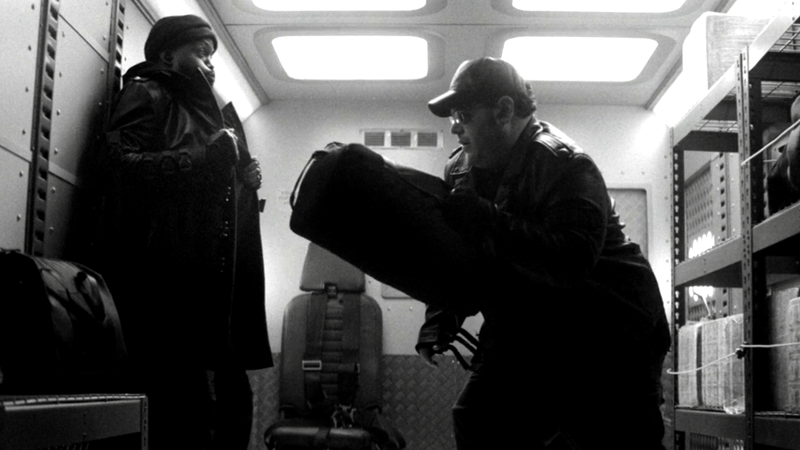
Showrunner Destin Daniel Cretton and director Ponsoldt frame this cautionary tale in black-and-white to create visual distance from the main Wonder Man narrative. The monochrome palette signals to viewers that this episode exists outside the present-day timeline, much like how WandaVision used black-and-white to establish Wanda’s constructed reality.
Black-and-white cinematography carries inherent associations. Audiences automatically recognize it as representing the past, whether through old movies, vintage photography, or historical newsreels. Marvel Studios leverages this cultural understanding to instantly communicate when stories occur outside the main timeline.
The technique also creates a specific mood. Monochrome images feel more serious, contemplative, and removed from reality. Color photography feels immediate and present-tense. Marvel Studios' stripping away of color gives both WandaVision and Wonder Man a dreamlike quality that suits their respective narratives.


Geraldo Amartey is a writer at The Direct. He joined the team in 2025, bringing with him four years of experience covering entertainment news, pop culture, and fan-favorite franchises for sites like YEN, Briefly and Tuko.