
Wonder Man had an unexpected callback to WandaVision in Episode 4 while focusing on the story behind the Doorman policy in the MCU's Hollywood. Marvel Studios' first Disney+ series has strong connections to other notable MCU projects, such as Shang-Chi and the Legend of the Ten Rings and Iron Man 3, largely through the inclusion of Sir Ben Kingsley's Trevor Slattery. The presence of the Department of Damage Control (DODC) as the show's main villains also alludes to their previous appearance in Spider-Man: No Way Home and Ms. Marvel, cementing stronger ties to the wider MCU.
Aside from the key connections to other mentioned projects, Wonder Man Episode 4 took it up a notch by making a direct callback to WandaVision, showcasing an installment that is mostly black-and-white.
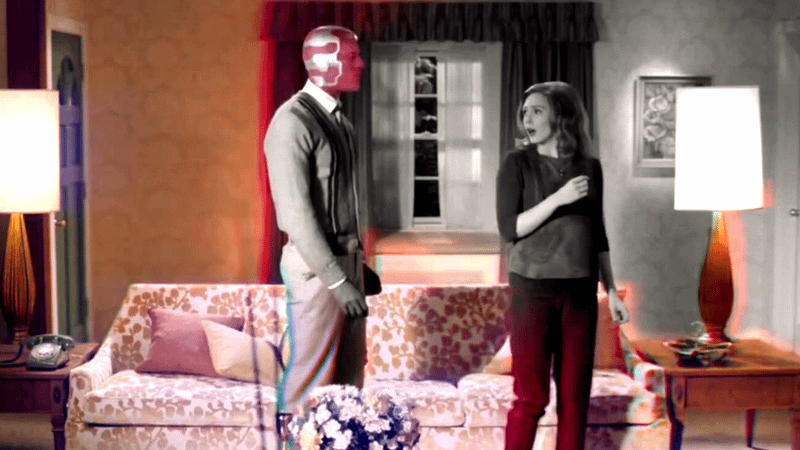
WandaVision's first two episodes were mostly black-and-white, with both installments serving as Wanda's form of escapism as she manifests an alternate world inspired by classic 1950s and '60s television shows. Wanda did this to maintain an illusion that Vision was still alive despite dying at the hands of Thanos in Avengers: Infinity War.
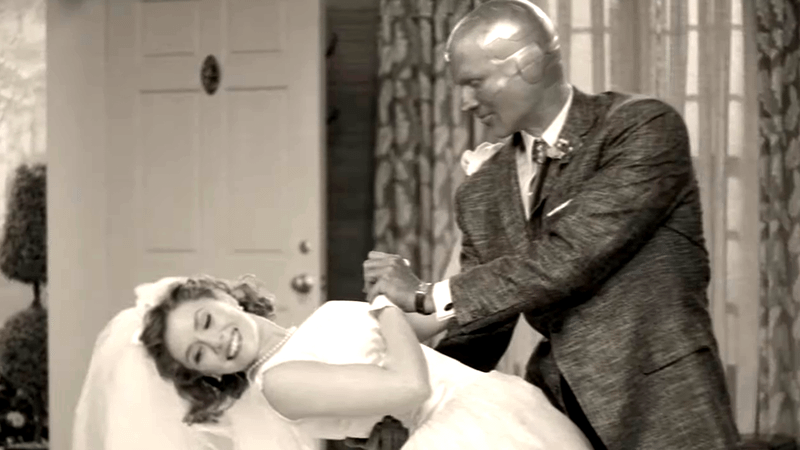
Episode 2's final moments showed how the scene shifted from black-and-white to color, mirroring how shows like Bewitched and I Dream of Jeannie transitioned to Technicolor during their original runs.
Meanwhile, Wonder Man Episode 4 introduced the mutant known as Doorman, chronicling his backstory and explaining why a certain Doorman policy exists in Hollywood. While it has its greyscale aesthetic, it's worth noting that the Doorman episode is set in modern times, unlike the WandaVision one, which made it look like it was set in the past.
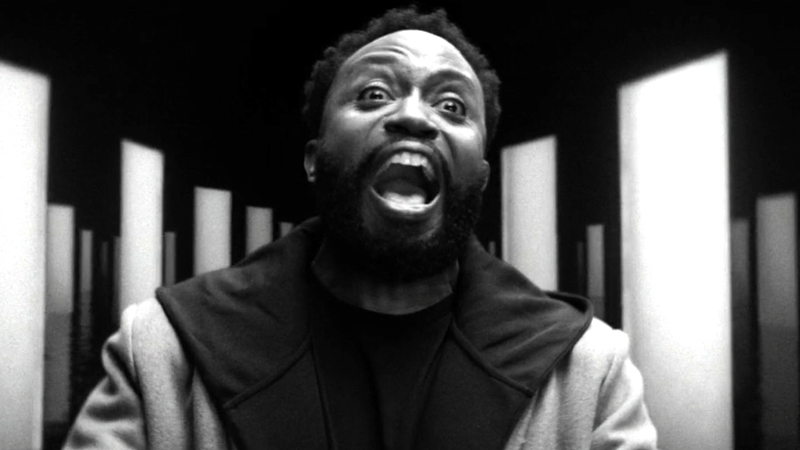
The episode highlighted the standout performance of stand-up comic Byron Bowers as DeMarr Davis, aka Doorman, tracing his rise from a Wilcox Bar club security officer to Josh Gad's personal security, and eventually to a beloved hero and Hollywood icon after saving a bunch of people trapped inside the bar during an accidental fire.
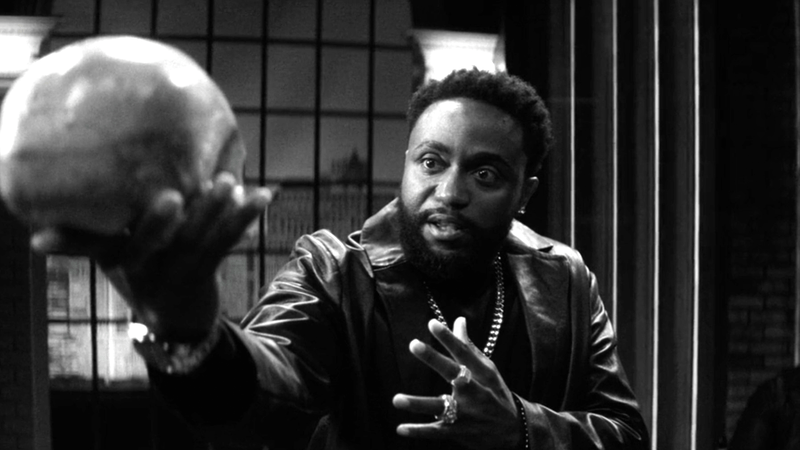
Wonder Man's black-and-white episode also serves as the perfect way to showcase Doorman's mutant abilities of becoming intangible and acting as a literal doorway that enables others to pass through him into any structure.
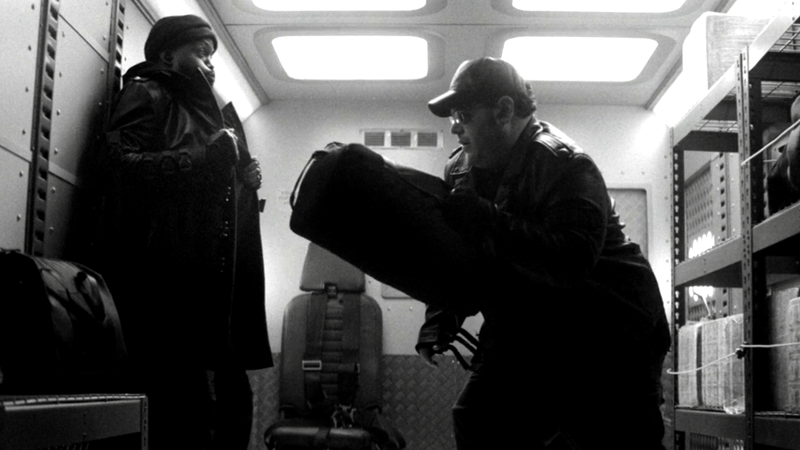
However, things didn't end well for Doorman, who accidentally "killed" Josh Gad during the filming of the sequel to Cash Grab, leading to the creation of the Doorman policy that prohibits superpowered individuals from ever becoming part of any movie or TV show project again. As a consequence for the actual Doorman, the DODC announced that DeMarr Davis will be "continuously monitored for the rest of his life."
Similar to WandaVision Episode 2's ending, Wonder Man Episode 4 also transitioned from black-and-white to color when the perspective shifted to Simon Williams as he looks horrified after watching the news about Gad's demise inside Davis.
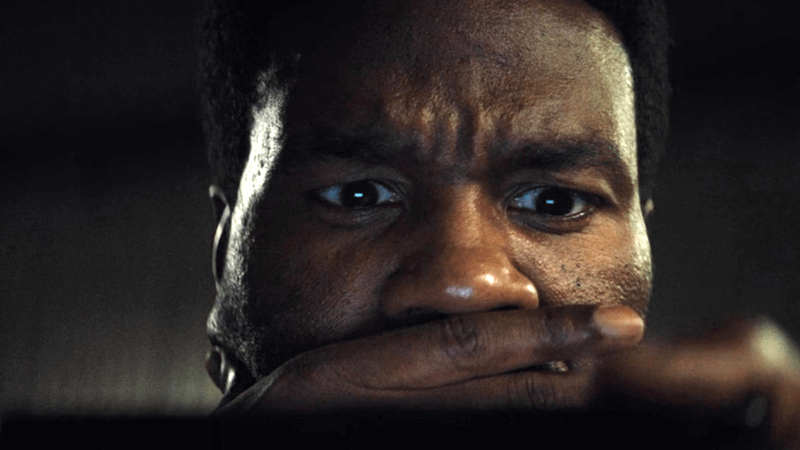
Wonder Man's Doorman episode is entertaining because it offers the right balance between comedy and the harsh reality of being involved in Hollywood.
Why Wonder Man's Callback to WandaVision Is Perfect
Wonder Man received widespread praise from fans and critics due to its interesting premise and handling of complex Hollywood-related topics, and it's reasonable to assume that Episode 4's black-and-white episode played a pivotal role in that success.
Wonder Man's callback to WandaVision is more than just an Easter egg because both projects embrace experimental departures from the MCU's usual formula, and it worked wonders. Both shows' willingness to break off from the standard pattern paid off because they found a perfect balance between character-driven storytelling and spectacle due to the limited time nature of the greyscale aesthetic.
While WandaVision used Wanda's desire to hide her grief and fascination with TV shows to explain the black-and-white motif, Wonder Man took it up a notch by bringing levity and essential storytelling to help viewers understand the Doorman policy.
All in all, Wonder Man's risk of incorporating a bottle black-and-white episode midway through its run establishes an important precedent: the strategy works and can be emulated sooner rather than later.