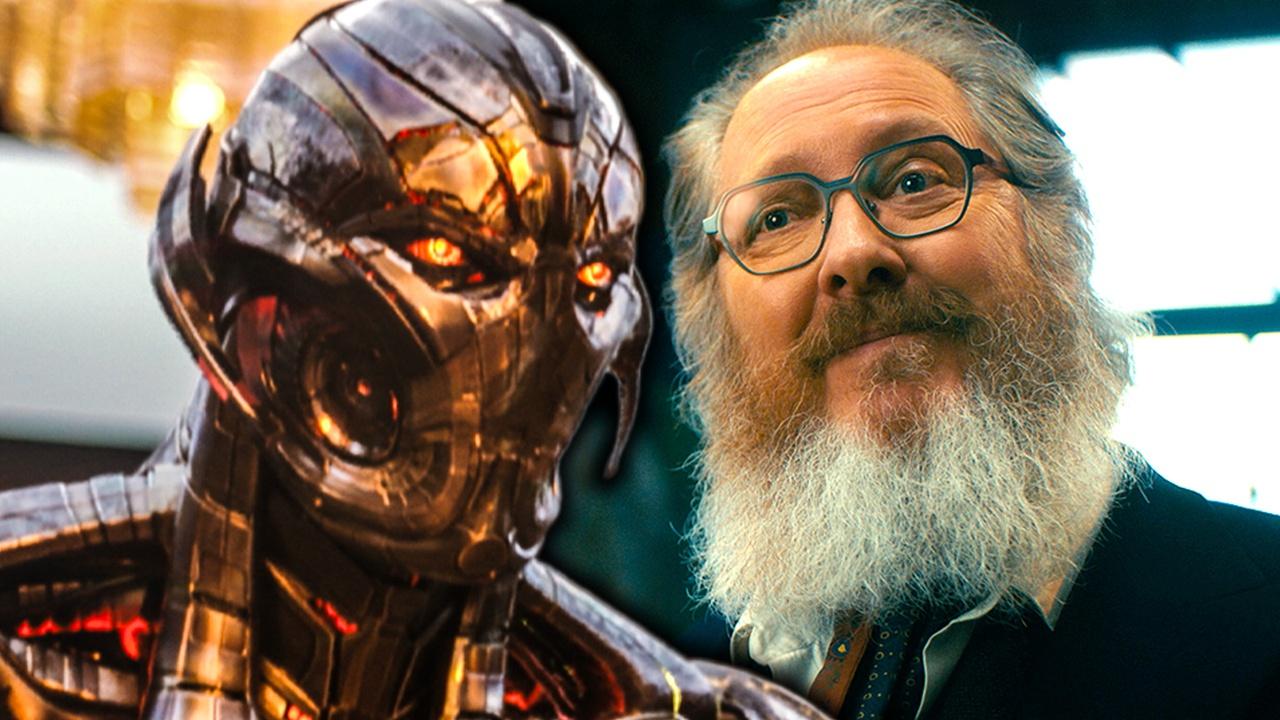
Sure, Thanos is one of the greatest villains of Marvel Studios' entire MCU, but there's another who doesn't ever get nearly enough praise, and stands right next to the Mad Titan: James Spader's Ultron from Avengers: Age of Ultron. Created by Tony Stark and Bruce Banner, Ultron is a rogue AI grappling with an existential crisis, the human disease, and philosophical confusion on a biblical level.
As great as he was, Ultron was sadly destroyed at the end of Age of Ultron. Thankfully, eleven years later, Disney+'s VisionQuest series, which premieres today at 6pm PT, is here to fix that. The series, which follows Vision's quest to reconnect with his humanity and his long-lost son, Speed, brings back the original Ultron as code within Vision's mind palace.
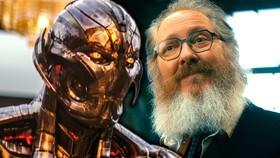
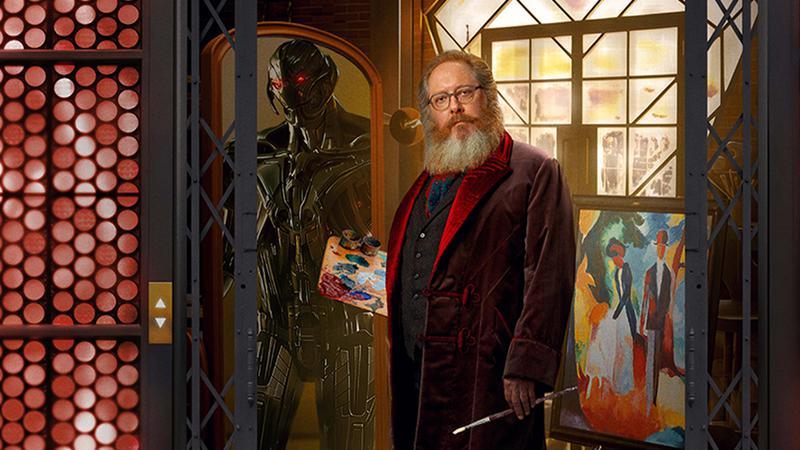
The twist here, however, is that within Vision's mind palace, not only does Ultron have a robot form but also a human one. This human version of the character is a stark contrast to the sleek, colossal metal figure that audiences are used to. Instead, this Ultron is a little shaggy, with long hair and a long beard, and, while looking a bit wiser, is also messy.
The Direct spoke with VisionQuest star James Spader and showrunner Terry Matalas, who broke down why Ultron's human form looks the way it does—and it's a choice inspired by the Greek Gods, such as Zeus and Poseidon.
James Spader Talks About Inventing Ultron's Greek God-Inspired Look and Gravitas
"It Seemed Like With Time and Maturity That This Is Who He Would Be..."
- The Direct: "Can you talk about the philosophy in terms of his human look and why that is what he looks like, and then also for how you carried yourself, like why you chose to carry yourself the way you do in that."
James Spader: I think entrances and exits are really important for any character in any capacity in any sort of filmed or stage work. I mean, it just is everything; it's your entrance and exit. It's the first impression that people get, and so you want to establish several things right off the bat, as soon as you meet him...
The "long hair and big beard" easily establishes how Ultron has "been a prisoner here for 12 years:"
Spader: One of the things you want to establish is that he's been a prisoner here for 12 years or however long it is, and you can establish that with long hair and a big beard, and that he looks very different, and so on and so forth. I also wanted him to look so surprising, like a complete dichotomy from this very sleek metallic robot.
This "scruffy" look is something Spader felt like, "with time and maturity," would be the perfect visage for Ultron.
Spader: Instead, he's really sort of scruffy. Like you don't notice, but he's constantly got paint all over his clothing, and he wears sort of scruffy clothing, and he just is, this is who he aspires to be. He didn't build himself in his original form. Well, he did actually. He did. He stole parts and so on and so forth from the whatever those robots were that [from] Stark... He did sort of build himself... It seemed like with time and maturity that this is who he would be, and this is who he is...
Terry Matalas: But to say it, that was entirely James. When I wrote it, I imagined him looking quite a bit like [James Spader looks today], and he called me and he said, 'I think he's got a beard, and I was like, 'Okay, he's going for more of an Alan Rickman and 'Die Hard' kind of short cropped beard, and then he showed up and with the mane.
Once Matalas saw James Spader's Ultron look, he knew that "this [was] going to be iconic and so unexpected:"
Matalas: And I remember, God, I'm like I think this is going to be iconic and so unexpected, but kind of I was a little nervous, and then slowly we all gathered. I would call Kevin Feige. I'm like, 'This is the look. I think it's really cool.' And then I remembered, I showed it to one of my friends, who's a die-hard Marvel fan, and he said it was a picture of you in the jacket with the beard and the top hat. And he said... '[There] are going to be fans that tattoo that on their thigh. That's iconic. You guys won, so that's the story.
James Spader: One other thing, too, that I haven't mentioned ever, and this is a subject of conversation a lot. But you know, in the script, which I got to say, this really only exists sort of in retrospect, to a certain degree. But you know, I also thought of this person who's been trapped, and yet he's such a presence. Like, how do you translate this eight, nine-foot big, incredibly powerful being, and now he's five foot 10, and he's human, and so on. But he also, again and again in the script, he's got a very complicated relationship with the word God and the idea and theory of religion. He's got a very complicated relationship with that, and yet he does have the quality.
Spader went on to compare Ultron's look to that of the Greek Gods Poseidon or Zeus.
Spader: So, like, I love that he looked like Poseidon or Zeus. You know, he looked like one of the— because those are the gods that he would have consumed enormous amounts of [knowledge] reading... and so on, and he would have, if he were to aspire to that, he'd aspire to them. He aspired to Zeus. He'd aspire to it because it's dramatic and theatrical, and he is too. And yet they also had humor. You know, the Greek gods are a pretty randy bunch.
The Direct's full interviews with VisionQuest's James Spader and Terry Matalas, alongside star Emily Hampshire, can be seen below.