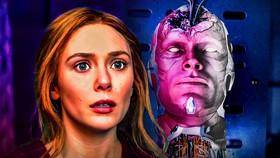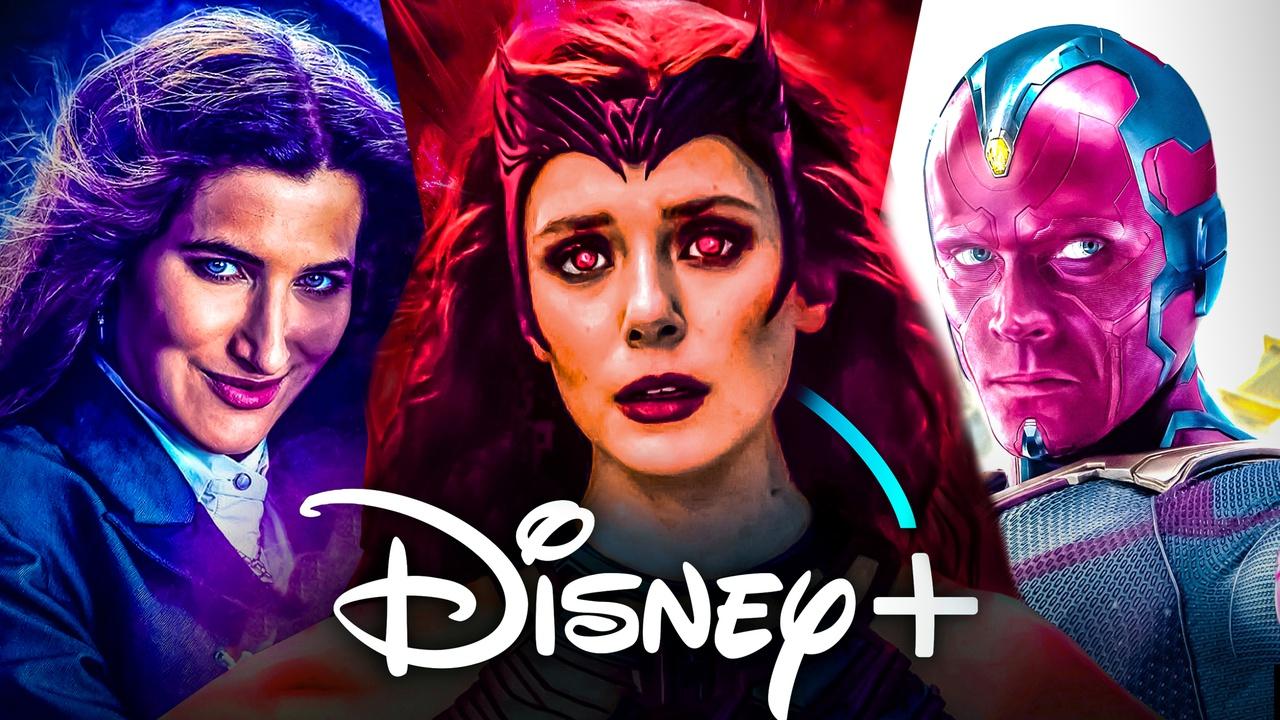
VisionQuest showrunner Terry Matalas pushed back on the idea that the Paul Bettany-led series was commissioned as the closer to Marvel Studios' WandaVision trilogy. Marvel Studios has spent part of the Multiverse Saga packaging three Disney+ shows as one arc, beginning with 2021's WandaVision. The ending of the Elizabeth Olsen-led series set the stage for a continuation, leading into 2024's Agatha All Along, which brought back Agatha Harkness and the reincarnated son of Wanda and Vision, Billy Maximoff, to the forefront. VisionQuest, set to premiere on October 14, is the third title in that supposed trilogy. Marvel Studios has repeatedly described the show as the final installment in the trilogy, as the series is meant to pick up the newly built android, who is left to figure out his purpose in the world.
In the recent issue of SFX Magazine, VisionQuest showrunner Terry Matalas debunked the claim that the Paul Bettany-led series was specifically developed as the closer to the WandaVision trilogy, noting, "It's definitely more of a sequel to WandaVision in a lot of ways" and emphasizing that "it really exists on its own:"
"No, not really. I would say, if anything, it's definitely more of a sequel to 'WandaVision' in a lot of ways. But it really exists on its own. It's more the Vision story, just because we're going to dig into so much of who he is in ways that the films and 'WandaVision' couldn't, including some deeper parts of his origin that may go back even further than what we believed. So it's very much its own entity, but it does obviously touch upon what has come before for this guy."
Matalas also expressed excitement for continuing Vision's story in VisionQuest, teasing that fans of WandaVision will be pleased with the narrative that they crafted:
"No one's a bigger fan of 'WandaVision' than me, and I think when you see 'VisionQuest' that'll be loud and clear. It's extraordinary to jump into something that you were a fan of - not only of Marvel and Vision, but Paul Bettany, who is one of my bucket list actors."
In the same issue, Paul Bettany reflected on the arduous journey of helping develop VisionQuest, noting that there was even a time when he thought he'd be making the show with WandaVision creator Jac Schaeffer:
"In the general scheme of running one of those big studios, things don't necessarily happen at the time that you think they're going to happen, and that can be frustrating. But I've never found it ever to not have been beneficial because you end up thinking things through, and it goes through different iterations. There was a time when I thought I'd be making this with [WandaVision creator] Jac Schaeffer, and you can imagine I felt like the rug had been pulled under my feet when that turned out not to be the case."
The MCU actor then offered high praise toward Terry Matalas' takeover of VisionQuest, pointing out that "he had really great ideas:"
"But the truth is, 24 hours after I spoke to Jaq, I met with Terry [Matalas], who flew into New York, and we had lunch together. I had had such an amazing process with Jac, and Matt Shakman too, so I was nervous. But we really hit it off, and he had really great ideas. It was fantastic, actually. I guess what I'm saying is that as much as you try to control things, life is curly."
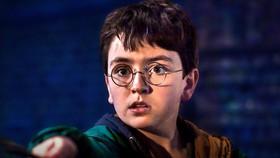
VisionQuest still has WandaVision-infused elements sprinkled within its narrative. The most notable inclusion is Tommy Maximoff (Ruaridh Mollica), Billy's twin brother, who was also reincarnated after WandaVision ended.
Similar to Vision, Tommy is flooded with memories of a family in a Westview house that he cannot reconcile with the life he actually lived, leading him to search for his father, whom he once knew. Trailer footage also teased the potential involvement of Joe Locke's Billy Maximoff, which makes sense because he was last seen looking for his brother.
Why VisionQuest Being Its Own Thing Benefits the Disney+ Series
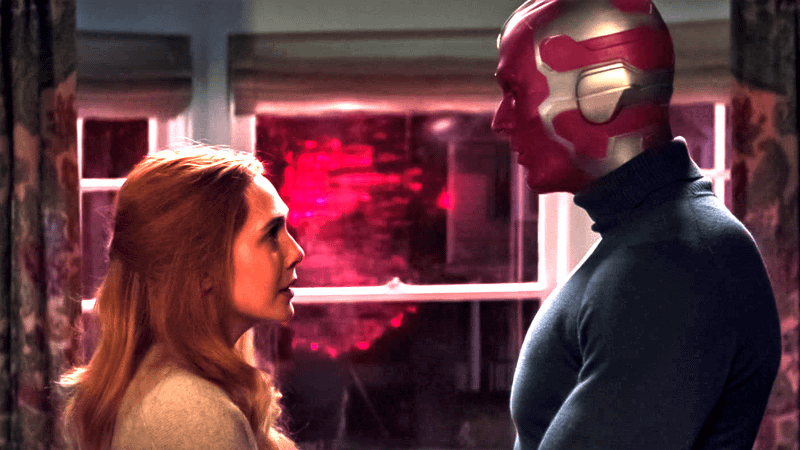
It's noteworthy that Terry Matalas framed VisionQuest as more of a WandaVision sequel than a standalone series, even though it completely deviates from Marvel Studios' marketing of the series. Its identity is built around Vision, and that is an important detail that should propel the series into greater heights.
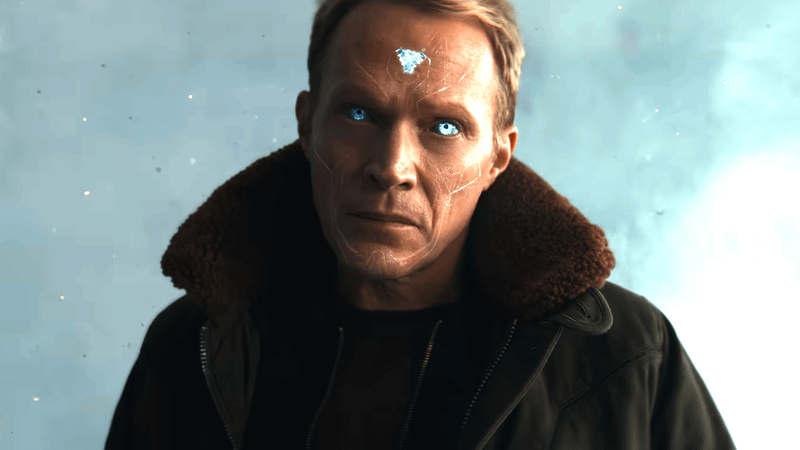
It's clear that VisionQuest's main narrative doesn't need the trilogy label to work, and forcing that label would constrain what the show can do. As a trilogy closer, VisionQuest would've had the responsibility of resolving other characters' stories. A Vision-centric focus can start from the only image that matters for the lead hero, zeroing in on the aftermath of White Vision's journey after flying off of Westview.
VisionQuest is an identity story about a synthezoid living among humans, which is completely different from WandaVision's grief story and Agatha All Along's witch road trip narrative. That distinction matters because it allows the series to embrace Vision's story in full without the need of addressing other dangling plot threads left by those two other shows. All in all, the main question that VisionQuest needs to fully address when it wraps up is how much of the old Vision is actually in this new version.