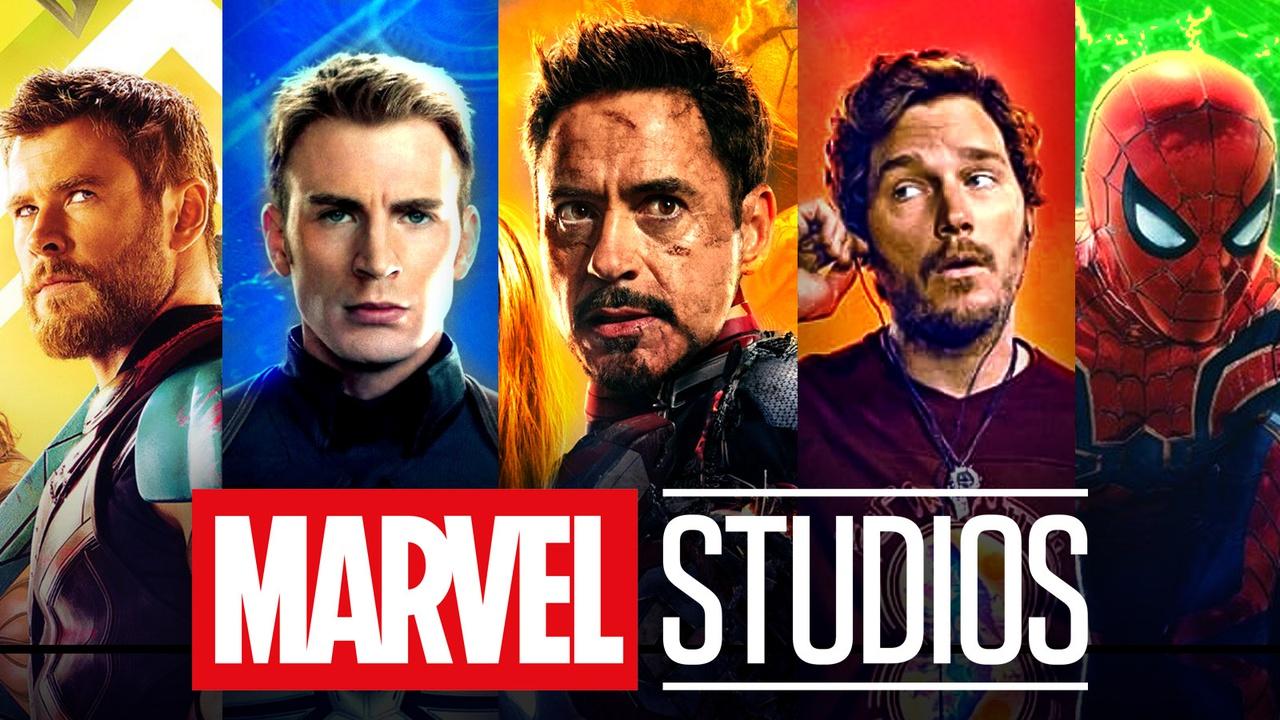
Marvel Studios reportedly settled on a release window for the conclusion of the Black Panther trilogy. The highly anticipated threequel, Black Panther 3, is reportedly slated to arrive in 2028. This scheduling was revealed in a major profile of director Ryan Coogler by The New York Times, focusing on his recent blockbuster, Sinners, and his continued work with Marvel Studios. The 2028 release date positions Black Panther 3 to become one of the first films to debut following the events of Avengers: Secret Wars.
The timing is significant. 2018's Black Panther premiered deep into the Infinity Saga (Phase 3), and its critically acclaimed sequel, Black Panther: Wakanda Forever, was a key feature in the Multiverse Saga's Phase 4. By contrast, the third installment will arrive in the initial year of the forthcoming Phase/Saga, marking the first time the franchise spearheaded a new major era. This places the Black Panther trilogy, the MCU's 11th such trilogy, in a unique position to define the post-Secret Wars landscape. Director Ryan Coogler confirmed his enthusiastic commitment to the project, noting to the Times that he is "so fired up about that movie, bro."
Every Marvel Studios Trilogy So Far
Iron Man

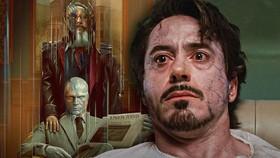
The Iron Man franchise single-handedly launched the Marvel Cinematic Universe and introduced Robert Downey Jr.'s Tony Stark to the world. The three-film arc spanning Iron Man, Iron Man 2, and Iron Man 3 focused intensely on the genius, billionaire, playboy, philanthropist's personal evolution. The films chronicled his transformation from a narcissist to a savior, burdened by self-doubt, crippling anxiety, and post-traumatic stress disorder following the Battle of New York.
This trilogy was instrumental in establishing the franchise's successful template of blending grounded character work with massive action set pieces. It concluded with an emotional resolution in Iron Man 3, where Stark purposefully destroyed his vast Hall of Armor to focus on his life with Pepper Potts, a moment of closure that set the stage for his greater heroic role across the entire Avengers series.
Captain America
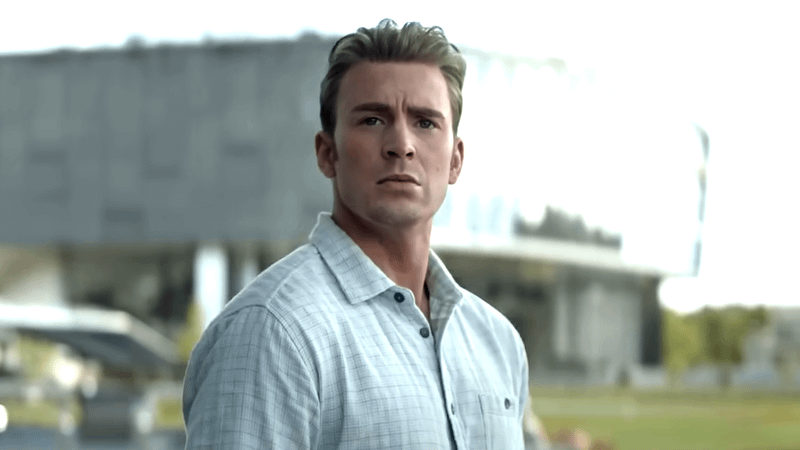
Steve Rogers' cinematic journey is widely celebrated for being perhaps the most masterful trilogy in the entire MCU. The narrative began with the nostalgic World War II period piece, Captain America: The First Avenger, which established the hero's core morality and unwavering goodness. It then pivoted into the tense, spy-driven political thriller, Captain America: The Winter Soldier, a film that shattered SHIELD and redefined the relationship between Nick Fury and the government.
The arc concluded with the massive ensemble spy-action epic, Captain America: Civil War. This last installment delivered the emotional payoff of the previous films by having Rogers openly defy authority, fracturing the Avengers team, and irrevocably changing the legal and operational shape of the team.
Thor
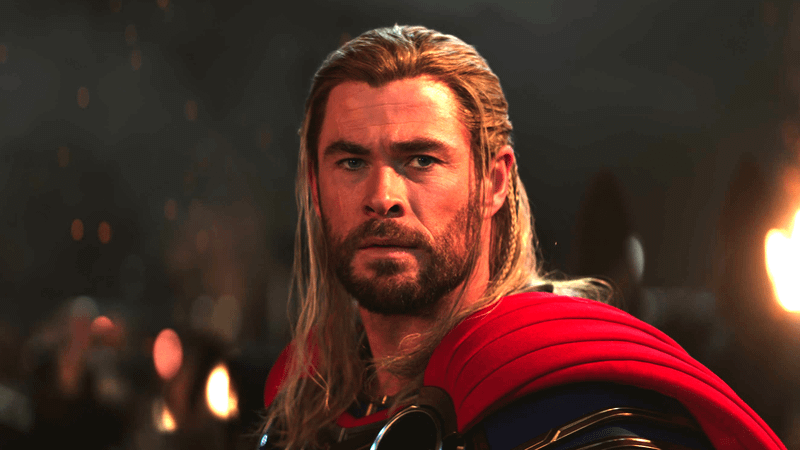
While the God of Thunder’s narrative was creatively extended into a fourth film (Thor: Love and Thunder), his narrative trilogy (Thor, Thor: The Dark World, and Thor: Ragnarok) maps his progression from a volatile, arrogant, and banished crown prince of Asgard to the wise, compassionate King of the Asgardian people.
The first two films dealt with his entitlement and familial betrayal, but the arc truly peaked with the Taika Waititi-directed Ragnarok, which successfully injected more action and comedic flair into the character. It also redefined his visual identity and resulted in him sacrificing his home, Asgard, to save his people from Hela and Surtur, ensuring their survival.
Spider-Man
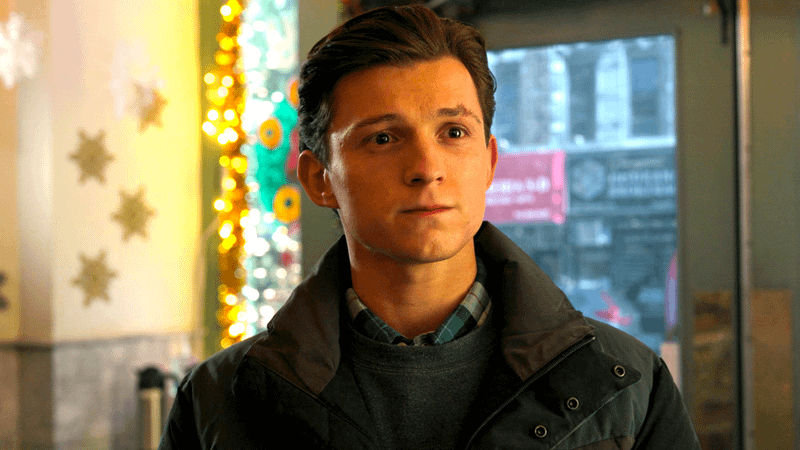
Tom Holland’s Spider-Man trilogy (Spider-Man: Homecoming, Far From Home, and No Way Home) served as Peter Parker’s coming-of-age story within the established MCU. The films were heavily focused on his mentor-mentee relationship with Tony Stark, exploring the challenges of balancing a world-saving secret identity with the mundane, often-frustrating realities of teenage life.
The arc built toward the consequences of messing around with the Multiverse, concluding with the emotional sacrifice in No Way Home that wiped the collective memory of the world, leaving Peter Parker an anonymous, solo hero who must begin life anew.
Ant-Man
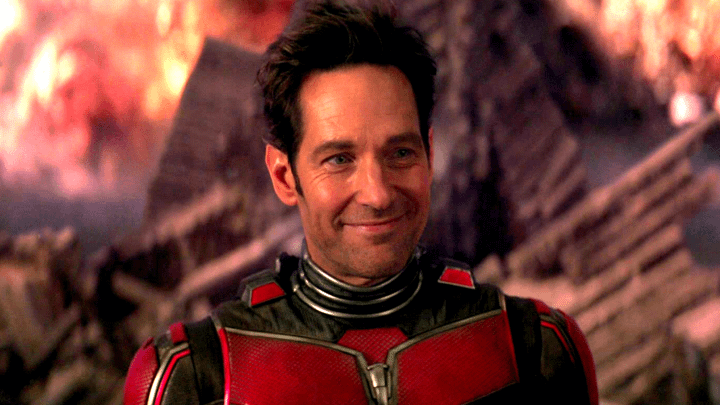
Scott Lang's trilogy, which consisted of Ant-Man, Ant-Man and the Wasp, and Ant-Man and the Wasp: Quantumania, focused heavily on themes of parenthood, family, and the complex mechanics of traversing the Multiverse via the Quantum Realm.
While the series initially began as a charming, smaller-scale heist comedy, the concluding film dramatically shifted focus by introducing the Council of Kangs and establishing Kang the Conqueror as the Multiverse Saga’s central threat, which later had to be changed due to Jonathan Majors' legal issues.
Guardians of the Galaxy

Masterfully helmed by writer and director James Gunn across all three entries (Vol. 1-3), this trilogy stands as one of the most creative and complete character arcs in the MCU pantheon. It chronicled the evolution of a dysfunctional found family of cosmic misfits, perfectly balancing irreverent, absurd humor with moving and often heartbreaking drama, particularly concerning Rocket Raccoon's tragic backstory.
The arc concluded with the team completing their final mission and then dissolving, with each member finding individual purpose and a new path forward.
Deadpool
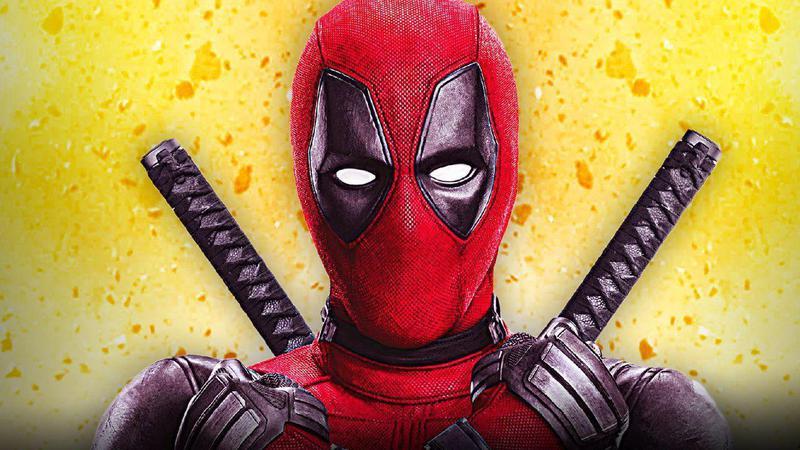
The Deadpool trilogy finished with Deadpool & Wolverine, which successfully integrated the foul-mouthed mercenary and one of the X-Men's most iconic figures into the main Marvel Cinematic Universe.
Released on July 26, 2024, the film used the MCU's multiversal framework, specifically involving the Time Variance Authority (TVA), to seamlessly blend Wade Wilson's existing continuity with the larger timeline. The narrative approach honors the established history of the first two films while planting the characters within the main MCU canon. The film became the highest-grossing R-rated movie of all time.
What If...?

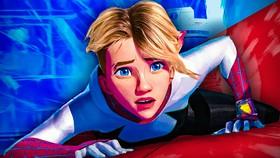
The MCU's primary and successful foray into exploring alternate realities in animated form, the What If...? series utilized its first two seasons to showcase the infinite possibilities and variations inherent in the Multiverse, introducing characters like Captain Carter and a dark Doctor Strange.
This series functions as an essential animated trilogy dedicated to exploring narrative variations. It is often tied directly and explicitly to the events of the Multiverse Saga by expanding concepts like the existence and role of the cosmic observer, the Watcher, and the effects of Thanos' genocide in different universes.
WandaVision Trilogy
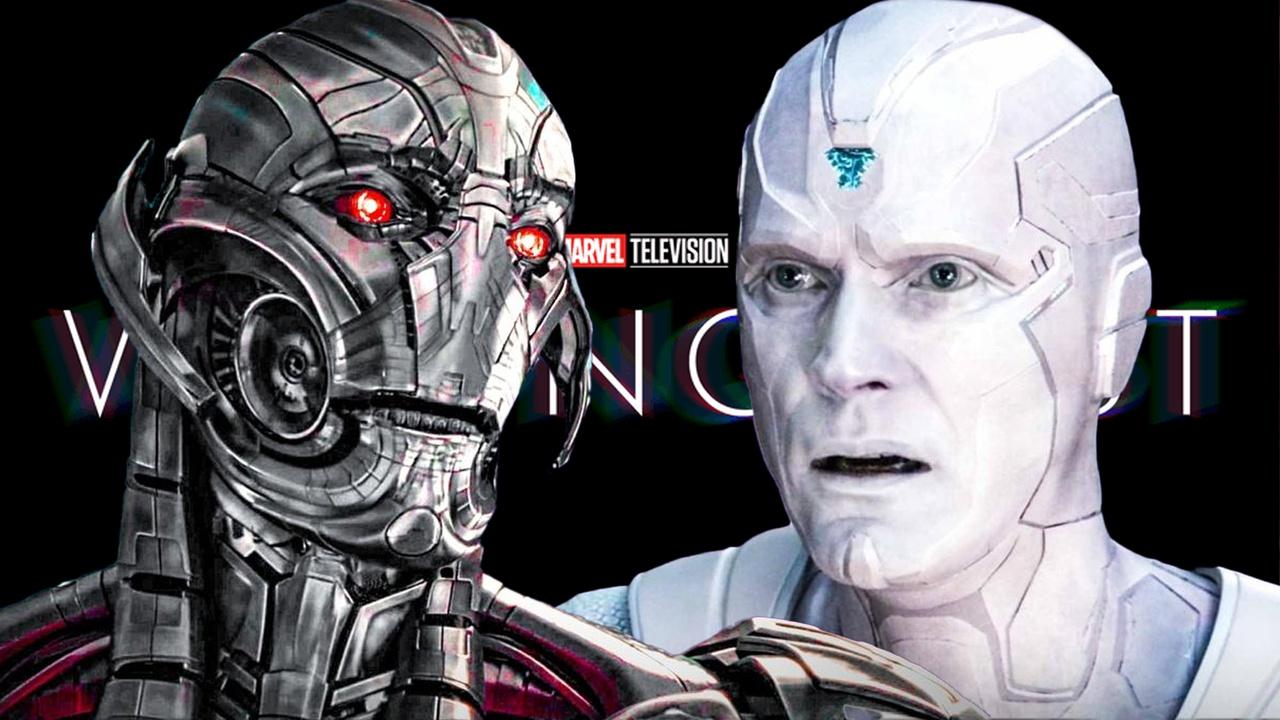
The WandaVision trilogy links three Disney+ series centered on the destinies of Scarlet Witch, Agatha Harkness, and Vision. It began with WandaVision in 2021, a story that focused on Wanda Maximoff’s overwhelming grief, her reality-warping powers, and her transformation into the Scarlet Witch.
The narrative continued with the dark comedy spin-off Agatha All Along and is set to conclude with VisionQuest. This sequence establishes a cohesive, three-part narrative that delves deeply into magic, trauma, the metaphysical nature of grief, and the legacy of the Westview anomaly incident.
Daredevil: Born Again
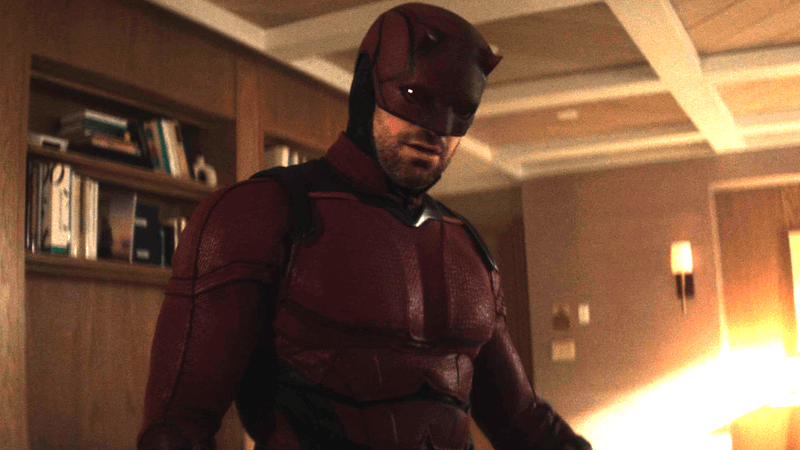
Daredevil: Born Again represents the official continuation of Matt Murdock’s saga under the Marvel Studios banner, returning Charlie Cox and Vincent D’Onofrio to their iconic roles. The arc began with Season 1, which premiered on Disney+ on March 4, 2025, and ran for nine episodes. This season successfully re-established the street-level dynamics of Hell's Kitchen and saw the official return of fan-favorite characters, setting the stage for the rise of Kingpin as a political power.
Season 2 is currently slated for a March 2026 premiere, just one year after the first. This season is expected to resolve the political fallout from the first season and deepen the conflict between Matt Murdock and the now-powerful Wilson Fisk. Furthermore, Season 3 has been officially greenlit by Marvel Studios, with an expected premiere in March 2027.
Black Panther
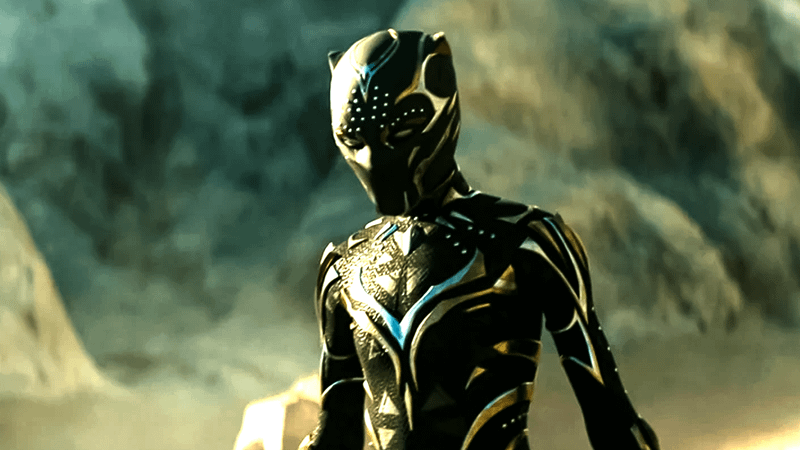
Now, a global cultural phenomenon, the Black Panther trilogy has been instrumental in defining the advanced mythos, political power, and technological wonders of the nation of Wakanda. Spanning the entire breadth of the Infinity and Multiverse Sagas, the emotional narrative shifted from T’Challa’s initial reign and loss to Shuri’s inheritance of the mantle and her quest for justice and peace.
Its conclusion in 2028 will not only close the current character arc but is slated to set the technological marvel of Wakanda as one of the definitive forces and creative blueprints for the brand-new MCU era that follows the Multiverse Saga.

Geraldo Amartey is a writer at The Direct. He joined the team in 2025, bringing with him four years of experience covering entertainment news, pop culture, and fan-favorite franchises for sites like YEN, Briefly and Tuko.