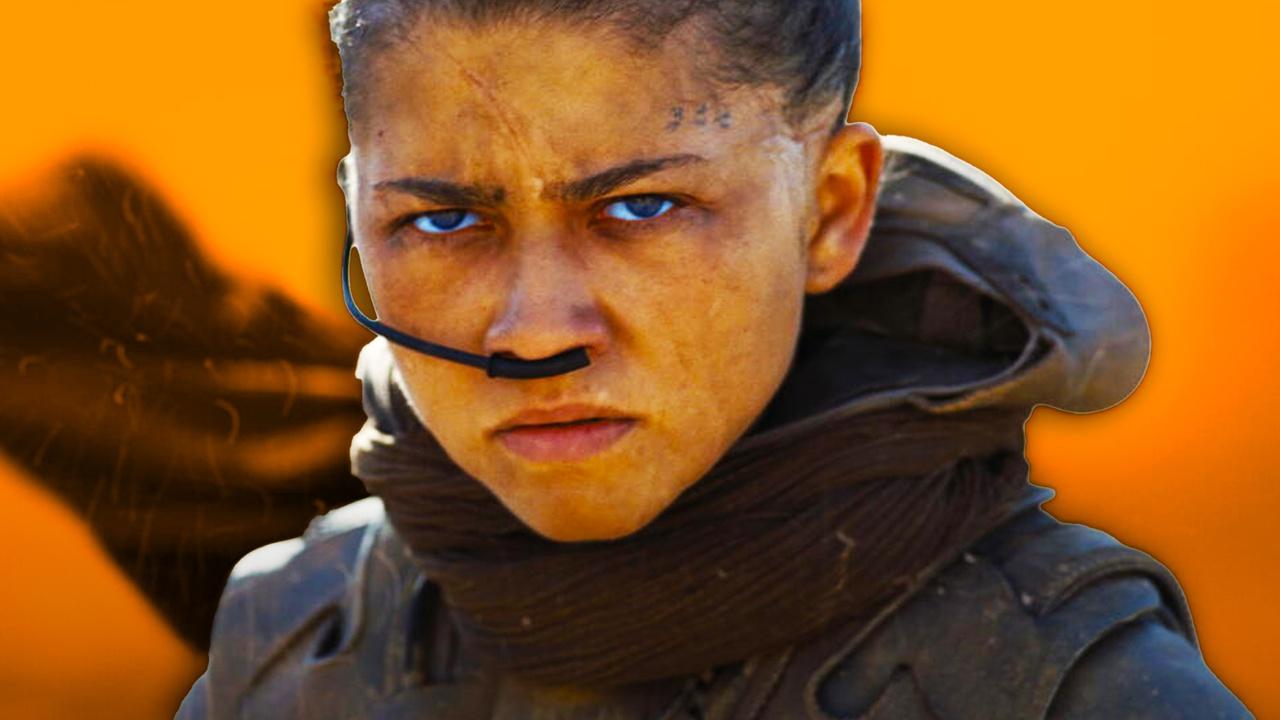
Denis Villeneuve made intentional changes to Chani in his Dune movies, setting up a meatier role for Zendaya in Dune: Part Three. The blockbuster Dune trilogy draws upon Frank Herbert's famous sci-fi book series, with Villeneuve's three films covering Dune, Dune: Messiah, and some elements of Children of Dune. Like any book-to-screen adaptation, the films make changes to the source material, and some alterations to Chani have shifted her character arc, causing division among fans.
While Zendaya's character was barely in Dune, she had a major role in Dune: Part Two, becoming Paul Atreides' (Timothee Chalamet) lover and serving as a respected member of the Fremen, the people native to Arrakis. Chani fell in love with Paul, but she never engaged in the religious fervor around him, rejecting the idea that he was the proclaimed Lisan al-Ghaib.
This led to conflict between them at the end of Dune: Part Two, when Paul accepted his mantle as the Messiah and took power over Arrakis, agreeing to marry Princess Irulan (Florence Pugh) and become the Emperor, going against everything Chani knew him to be when he said he wanted to be one of the Fremen rather than rule them.
While Chani accepts Paul's power in Herbert's novel Dune, Dune: Part Two ends with a shot of Zendaya's furious face, serving as a reminder of the hatred Paul's actions have incited. Heading into Dune: Part Three, this now gives Chani a whole new role in the story, which, as Villeneuve explained in an interview with Time, was very intentional.

For Villeneuve, Chani served as one of the key ways to show that Paul wasn't a hero. The director said in Herbert's book, the ending "[celebrates] a hero," whereas he wanted his film to serve as "a warning." Therefore, he wanted to make Chani "a critic regarding the idea of religious colonization," and used her to show that "the new generation doesn't believe in the messiah."
"It all started with the adaptation for Dune: Part Two. I was facing the challenge of trying to embrace Herbert’s idea to create a story that would be a warning, not a celebration. At the end of the first book, Paul wins the battle, marries a princess, still gets Chani, and becomes emperor. When you read the book, you’re like, this is a celebration of a hero.
I had the idea to make Chani more of a critic regarding the idea of religious colonization. It’s not in the book, the idea that the older generations are contaminated by the beliefs of the Bene Gesserit, by the colonialist religious poison. And the new generation doesn’t believe in the messiah. They want Fremen to be freed by the Fremen themselves. I thought it was a dynamic idea, Chani being the representation of this."
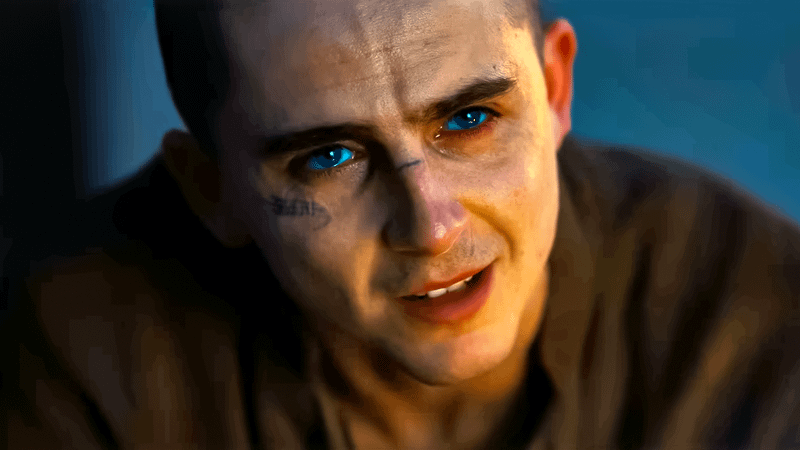
This "dynamic idea" sets up Chani for an even more important role in Dune: Part Three. In the book version of Dune: Messiah, Chani remains Paul's concubine and never opposes his rule; now, in Dune: Part Three, there is new tension between the characters due to Paul's actions.
"Chani is still a critic of the choices Paul made," Villeneuve explained, adding, "she believes the Fremen should free themselves." This is a vast departure from Chani's depiction in the novel, which Villeneuve said he felt was a character "[lacking] a lot of firepower."
The director said that while there is still some empathy between Paul and Chani, and she "doesn't want to harm [him]," but that she does "want to harm his regime:"
"In the third movie, Chani is still a critic of the choices Paul has made. She believes the Fremen should free themselves. She doesn’t want to harm Paul, but she does want to harm his regime. I would have loved to have taken Frank Herbert for a coffee about these ideas because I think he could have liked them. In his book, Chani is there to give Paul foot massages. It’s a character that has not a lot of firepower."
Dune: Part Three will be released in theaters on December 18, 2026. Along with Zendaya, the movie stars Timothee Chalamet, Robert Pattinson, Anya Taylor-Joy, Florence Pugh, and Jason Momoa. The third and final part in Villeneuve's Dune trilogy picks up decades after Paul's overthrow of the Emperor, after which a holy war was instigated.
Changes to Zendaya's Chani Gave Her A Bigger Role In the Dune Trilogy
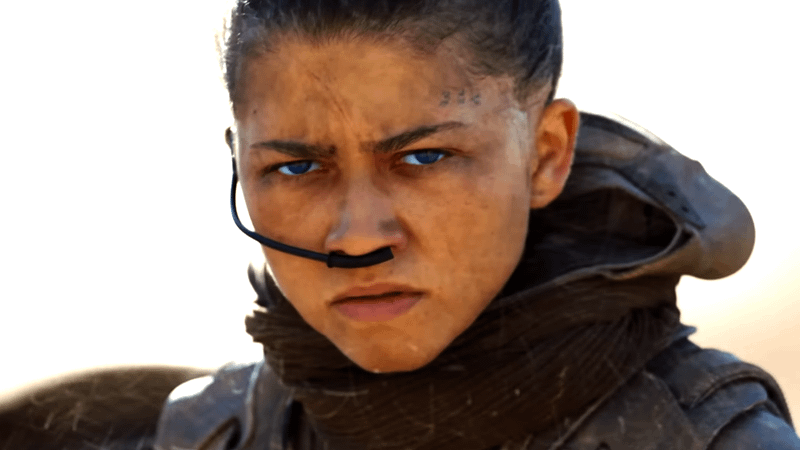
Villeneuve's interpretation of Chani is very different from her depiction in the books, and while each has a distinct take on women and feminism in this landscape, the changes the films made to Chani have allowed her to have a larger role in this third film.
In Dune: Messiah, Chani's struggles are primarily linked to her difficulties with childbirth, which is part of a plot to foil Paul's rule as Emperor. But in the movie adaptation, this will completely change, as Chani was already opposed to Paul by the end of Dune: Part Two, and while she's still given birth to his twins in the film, this sets up an interesting new arc for her as she grapples with mothering her children alone and under the regime of their tyrannical father, while directly opposing his rule and ideals.
Another key point in Dune: Messiah is that Paul tries to delay Chani's childbirth, as he foresees it will cause her death, so she gives birth to Leto II and Ghamina toward the end of the book. But in the film, Leto II and Ghamina are teenagers and seem to be a much larger part of the story, meaning Chani manages to dodge dying in childbirth, which opens her up to a more meaningful and ongoing role in the third film.
These changes from the book mark a smart decision, as they give Zendaya, one of the key stars of the Dune franchise, a more dynamic role to play and more to do as Chani in the third film, honoring her character's arc and avoiding sidelining her as she was in the first Dune.