Disney fans in the DACH region of Central Europe, which covers Germany, Austria, and Switzerland, will have to say goodbye to the Disney Channel. The Walt Disney Company is rebranding the iconic channel under a new name as it expands its reach with adult programming. This means popular brands like Star Wars and Marvel, previously kept off the free-to-air channel, will now have a home on it.
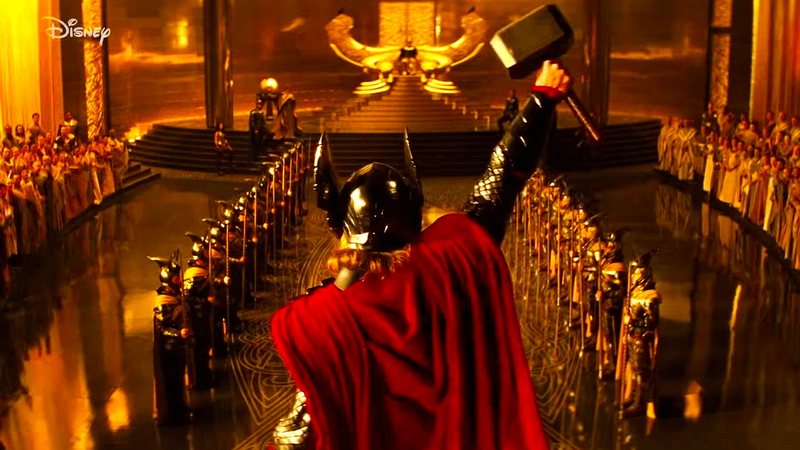
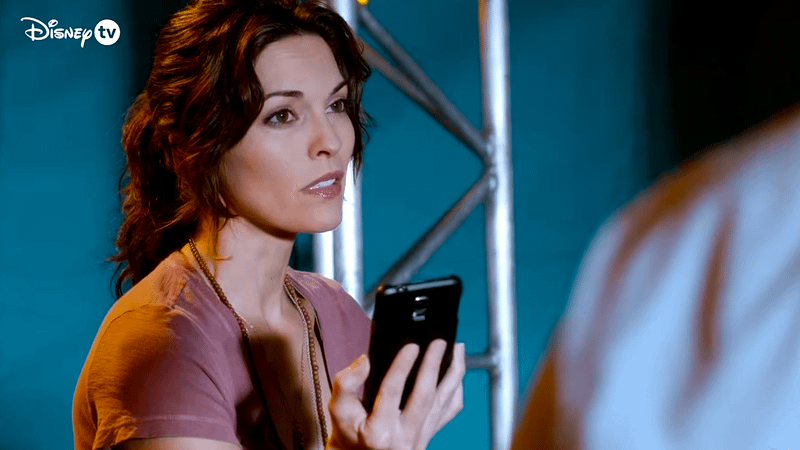
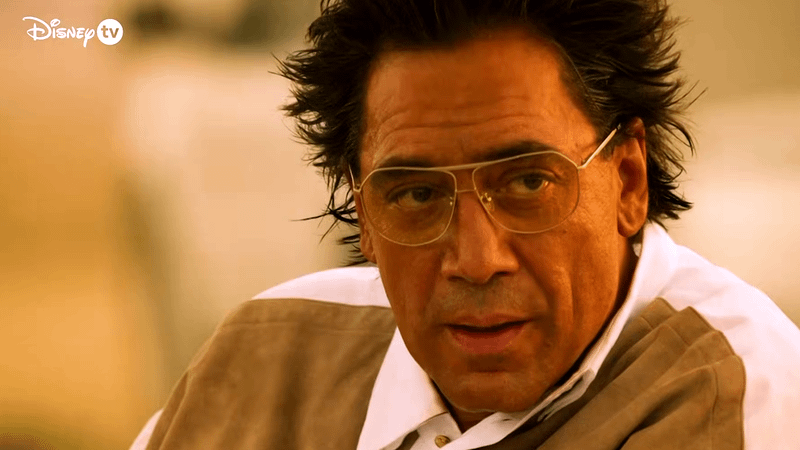
Disney recently revealed the rebranded name for Disney Channel Germany as Disney TV, releasing a new promo video for the change, which takes effect on December 1. The footage teased content coming to Disney TV, with clips from Marvel's 2011 hit Thor, CBS's Criminal Minds: Beyond Borders and Ridley Scott's thriller The Counselor, among other programs.
Disney later released a more high-octane trailer heavily featuring Paul Rudd's Ant-Man, with several shots from 2018's Ant-Man and The Wasp. The trailer included even more Marvel content than the first promo, with extra clips of Chris Hemsworth's Thor and Doctor Strange using his Sling Ring. More network TV features in the footage, including ABC's Station 19. The Disney TV change applies only to the DACH markets; the Disney Channel name will remain the same everywhere else.
The change is a major one, because Disney Channel in the German-speaking markets has been strictly a kids' and family network since it began airing for free in 2014. As such, adult programming was locked behind the Disney+ streaming paywall and licensed to rival German broadcasters like ProSieben and RTL.
Disney TV will maintain Disney Channel's free-to-air status, but on top of its typical Disney and Pixar programming, it adds action, crime, drama series, documentaries and live-action films drawn from sister brands including FX, Marvel Studios, Star Wars, Pixar and 20th Century Studios.
Disney first announced the plan in July, unveiling the Disney TV name, and locked in the December launch date in August. It marks the most sweeping change the company has made to the channel since moving it from pay TV to free TV in 2014.
Some viewers might not be too pleased with the change, fearing the channel will not be as friendly to kids as it used to be, but Disney has planned for that with a scheduling strategy that keeps the channel widely accessible to children. During the day, Disney TV will air drama and comedy series from 8:30 a.m. to 1 p.m. local time and again from 5 p.m.
In primetime, the channel will then switch to what the company calls clearly defined programming strands for adults. That means action, crime, drama series, selected documentaries and live-action films in the evenings, when most kids are already tucked into bed.
In a fast-changing entertainment landscape, Disney's decision to expand is born of financial realities, as these decisions usually are. The free-TV children's market has been shrinking fast in recent years for many reasons, including the rise of streaming, and Disney needs to reach a wider audience if its TV ratings are to improve.
Since early 2025, the channel has steadily cleared daytime and early-evening slots for comedy series for this reason, and that expansion finally comes to fruition in December. Another major factor is advertising, as more programming means more ad inventory for Disney to sell, especially with such diverse content.
Could These New Changes Affect Disney Channel in Other Regions?
Interestingly, the strategy Disney is using in DACH is very different from how it has operated elsewhere. Since 2019, the company has closed its linear Disney Channels in more than 20 countries as Disney+ rolled out, including the United Kingdom and Ireland in 2020, Australia, New Zealand, Italy, Southeast Asia, South Korea, Taiwan, Turkey and Russia, and more recently, Spain.
In each case, Disney bet that streaming alone was enough to anchor the brand in those markets. That was largely a Chapek-era strategy, and since Bob Iger's return, Disney has favored letting linear channels coexist with Disney+, which makes the German-speaking experiment far more telling.
Germany remains one of Europe's strongest traditional TV markets, and Disney has said that in Germany, free-to-air channels are watched far more than pay TV. A general entertainment channel gives the company a way to monetize its full catalog, from Marvel to FX to ABC, through advertising rather than subscriptions alone.
At the end of the day, the major deciding factor in such decisions is money. Disney Channel still exists in countries like the United States and Canada, where it operates on paid cable services that are still quite lucrative for Disney. The channel remains family content-oriented there, but should that cable money dry up, Disney is likely to apply the same tactics it is now testing in the DACH region.
Geraldo Amartey is a writer at The Direct. He joined the team in 2025, bringing with him four years of experience covering entertainment news, pop culture, and fan-favorite franchises for sites like YEN, Briefly and Tuko.