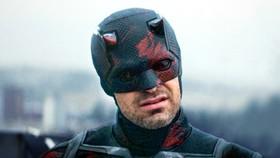
Daredevil: Born Again Season 2 made MCU history in an unexpected manner after abandoning a longtime franchise tradition. Daredevil: Born Again Season 2 ended its run with a wild finale filled with surprising twists and turns, such as Luke Cage's MCU return, Wilson Fisk's defeat, and Matt Murdock finally revealing his secret identity as Daredevil, which landed him behind bars. With a finale stacked with huge revelations, some would argue that Daredevil: Born Again made the right decision to not include a key part of what made the MCU stand out from other franchises.
Daredevil: Born Again Season 2 joined a rare group of MCU projects that did not include a post-credits (or mid-credits) scene, alongside Avengers: Endgame, Werewolf By Night, Secret Invasion, Agatha All Along, and Wonder Man.
This made the Charlie Cox-led series the 6th live-action MCU project to break from the long-standing tradition under the Marvel Studios umbrella.
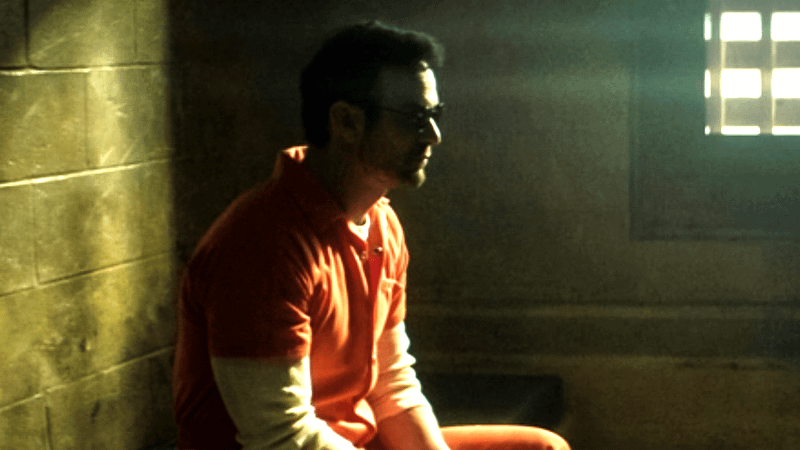
The final scene of Daredevil: Born Again Season 2 showed Matt Murdock inside prison with a small, knowing smile on his face, signaling his acceptance of his new status quo after finally defeating Mayor Wilson Fisk.
The decision to include a post-credits scene in Daredevil: Born Again Season 2's ending is the right move because it allowed the street-level series to land with real weight and finality, giving its already-confirmed Season 3 a fresh start with new storylines to deal with.
It also sends a message that Matt Murdock and Wilson Fisk's arcs, respectively, reached their own powerful, definitive close without a last-second tease.
Notably, Daredevil: Born Again Season 1 included a post-credits scene showing Punisher's escape from the cell where he was locked up by the Anti-Vigilante Task Force, setting up the events of The Punisher: One Last Kill. The inclusion of the post-credits scene from Season 1 made sense because the story then was far from finished.
Every Other MCU Live-Action Project That Didn’t Include a Post-Credits Scene
Avengers: Endgame
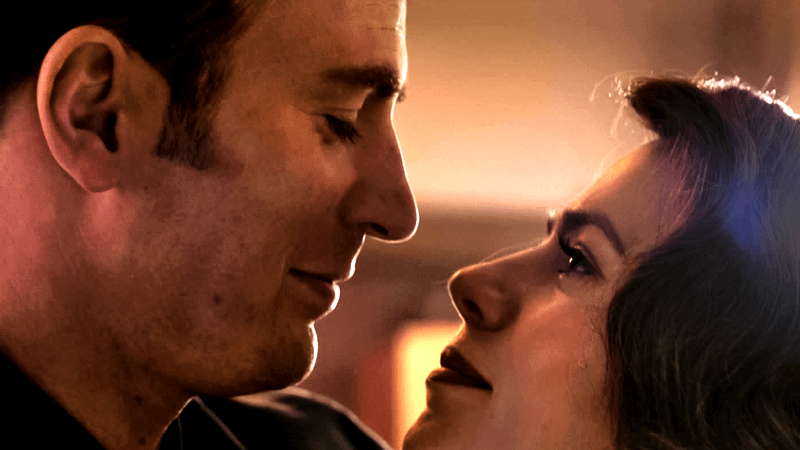
Avengers: Endgame served as the culmination of the MCU's Infinity Saga, so it only made sense that there was no post-credits scene to cement its finality.
The movie ended on a poignant note, tying up loose ends by showing the main MCU heroes paying tribute to Tony Stark following his sacrifice, Thor heading into space with the Guardians, and Steve Rogers passing the Captain America mantle to Sam Wilson and his happy ending with Peggy Carter.
As the literal end of a 22-film Infinity Saga, a post-credits scene would diminish the emotional weight of closing the book on the MCU's most significant chapter.
Werewolf By Night
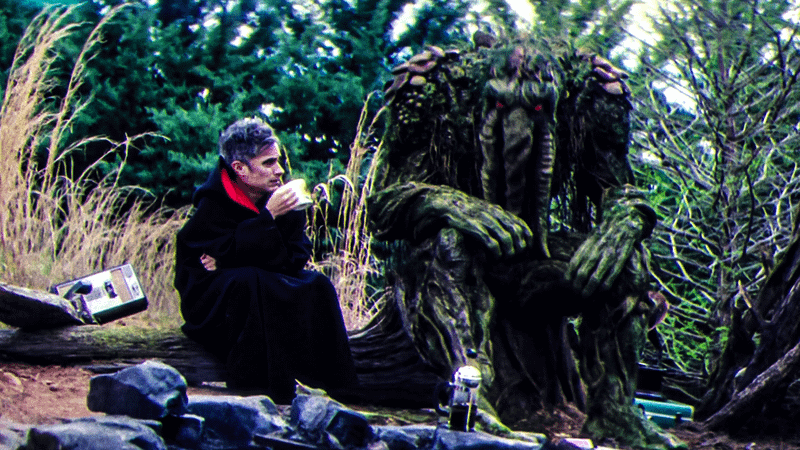
Werewolf by Night ended with Elsa Bloodstone claiming the Bloodstone artifact to protect her family's legacy, instantly turning the black-and-white aesthetic into a full-color one at the end of the Special Presentation.
Meanwhile, the titular werewolf, Jack Russell, escaped with Man-Thing, positioning both of them to continue their stories in the MCU's supernatural world.
Given the standalone nature of this Special Presentation, it's only fitting that a post-credits scene was not included, considering that the story already felt complete. Werewolf by Night was never designed as a launching pad for immediate follow-ups; leaving the characters’ futures open felt natural rather than frustrating.
Secret Invasion
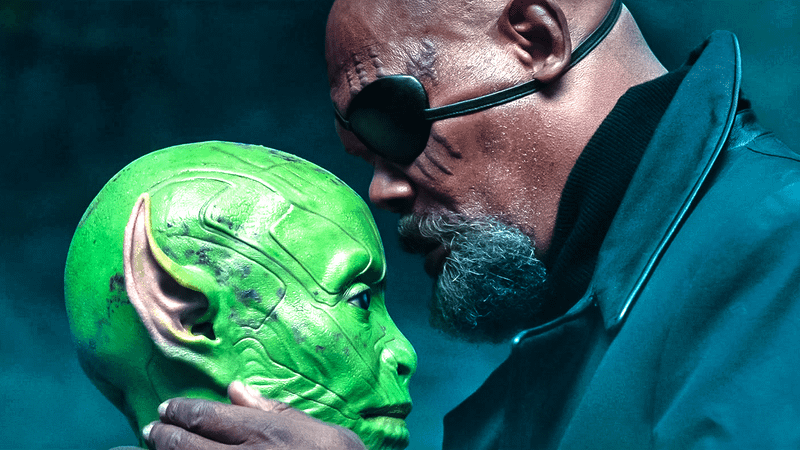
Secret Invasion made history as the only MCU show series on Disney+ (then) to not include a post-credits scene. Secret Invasion director Ali Selim admitted that he felt the show "resolves itself," leading to the decision not to include any additional footage at the end:
"None that I was privy to. There may have been discussions in the upper offices where I wasn’t involved, but I don’t know. I think that they use those end-credit sequences to launch something or to resolve something, and maybe this story feels like it resolves itself."
Secret Invasion ended with a sense of finality for the MCU's Skrull story, with Nick Fury thwarting the Skrull Invasion led by Gravik, and he and his Skrull wife heading to space to set up his appearance in The Marvels.
While a post-credits scene would've made it clear what's next for G'iah (Emilia Clarke) and her Avengers-level powers, a tease felt unnecessary, since its controversial ending is already a hot topic among fans. By not including a post-credits stinger, it seems that Marvel chose to let the story's final moments land on their own terms.
Read more about the criticisms that Secret Invasion received from fans and critics.
Agatha All Along
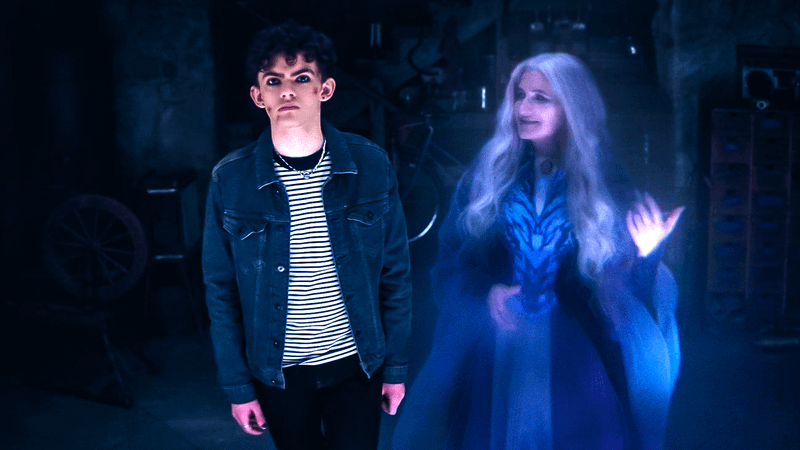
Agatha All Along's ending opened up many exciting storytelling opportunities under the WandaVision umbrella. The Disney+ series cemented Agatha's fate by sacrificing herself to Death to save Billy, but she eventually returned as a ghost to guide him in his search for his twin brother, Tommy.
In an interview with Entertainment Weekly in November 2024, Agatha All Along Jac Schaeffer confirmed that it was Marvel's decision not to include a post-credits scene:
"I wrote a number of post-credit scenes, as I've done on every Marvel project I've ever worked on, because it's the thing that changes the most and goes the longest as a question mark until you're finally confronted with it. Ultimately, it was a Marvel decision not to have a tag on this show."
This decision made sense, considering that Agatha's finale already wrapped the season's core emotional story, and adding a stinger would disrupt the natural ending of Billy and Agatha heading into their next adventure.
Wonder Man
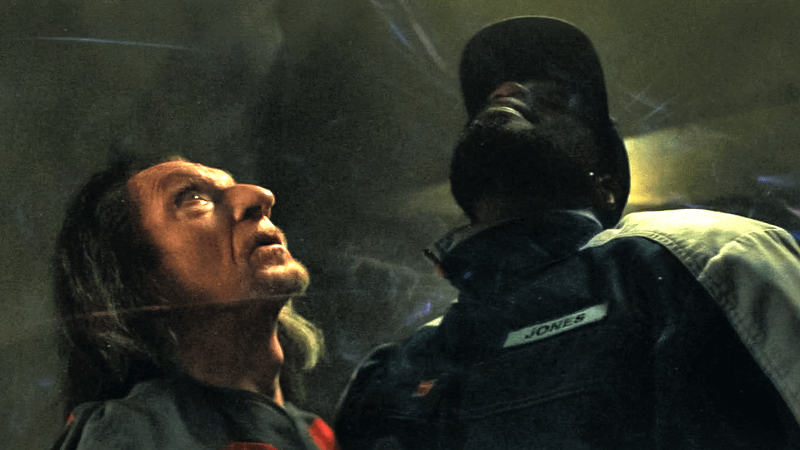
Wonder Man ended with Simon Williams using his newly mastered abilities to help Trevor Slattery escape from the Department of Damage Control-sanctioned prison, leaving room for more adventures.
This exact sequence is the perfect hook to let viewers anticipate what's next for the MCU's newest hero, and adding a post-credits scene would be a mistake because it would preview what's next for Simon Williams.
This decision paid off because Wonder Man has already been renewed for Season 2, and the open-ended finale has generated organic excitement among fans.