
Francis Lawrence is almost synonymous with The Hunger Games franchise at this point, having directed every film in the series except the 2012 original entry. Based on the popular Suzanne Collins novels, Lawrence has found continued success in capturing the novels' anti-fascist undertones, alongside emphasizing the emotional effects of the vicious Hunger Games. That's no exception in this prequel, which may be the best showcase of the games' psychological effects yet.
The original four films center District 12's Katniss Everdeen (Jennifer Lawrence), who comes to lead a rebellion that topples the Capitol and halts the annual Hunger Games. She's mentored by Haymitch Abernathy (Woody Harrelson), the cynical winner of the 50th Hunger Games whose personal tragedies have triggered a lifetime of checked-out alcoholism until possibilities for rebellion are on the rise. He's a strong character who reveals the long-term toll the Games can take, but we've never seen the full extent of his suffering until now.
Altogether, Sunrise is a fine exploration of the games' psychological tolls backed by solid performances and good new interpretations of known characters. The action works, and it's a good showcase for the dangers the Capitol has often subjected other Districts to. At the same time, it doesn't quite stand out from what we've seen before in prior iterations, and young Haymitch spends a little too much time out on his own.
'Sunrise' Is Anchored By Stellar Performances

The Hunger Games: Sunrise on the Reaping (like the prequel novel it's based on) takes place 24 years before the events of the first film. It follows 16-year-old Haymitch Abernathy (Joseph Zada), a District 12 recruit trying to survive and strike a victory against the menacing Capitol alongside his fellow tribute, Maysilee Donner (Mckenna Grace), in a game with twice the competitors as normal. It triggers a backlash that upends his life and ultimately changes Panem forever.
It's difficult to step into the shoes of one of the franchise's most beloved and memorable characters. Harrelson's unique charms add extra charisma behind a jaded and critical character, and it's a tough act to follow. Joseph Zada is stellar as a younger version of the character, running the gamut from a kind and optimistic rebel by necessity to a traumatized victim of the Capitol's evils. Mckenna Grace also delivers a strong performance as the capable warrior and committed ally Maysilee (as well as playing Maysilee's twin sister).
Additionally, the rest of the cast are exceptional torch-carriers for earlier versions of memorable characters. Jesse Plemons has the unenviable job of following Philip Seymour Hoffman's Plutarch Heavensbee, giving a complex and multi-layered take on the role. Elle Fanning is note-perfect as the bubbly and ultimately good-aligned stylist Effie Trinket, while Ralph Fiennes captures the dark regality of Coriolanus Snow (following after the excellent Donald Sutherland). It's a testament to why the Academy has finally greenlit an Academy Award for Achievement in Casting... none of these characters were easy to recast, and they nailed it across the board.
A Solid Return That Still Feels Too Familiar
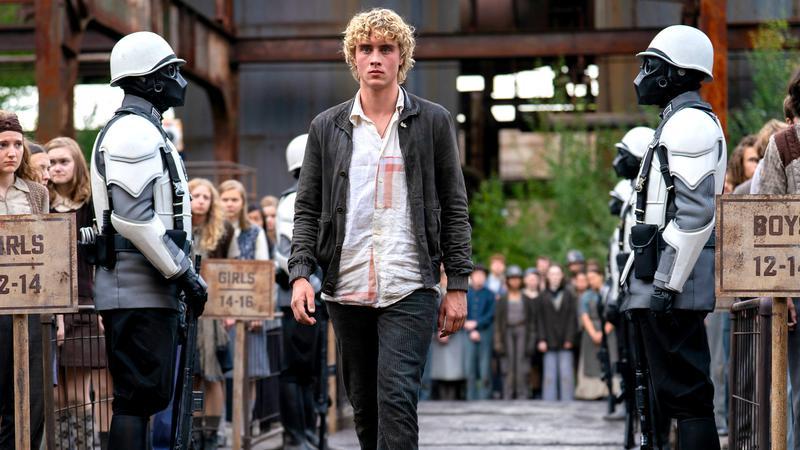
Narratively, there's a lot that Sunrise on the Reaping does well. It's a fantastic character study that allows a deep and emotional look at both Panem's propaganda mill and its troubling cruelties. The action is well developed, and the various terrors faced by the tributes are threatening and ever-changing, preventing the film from falling into a repetitive action rut. Sunrise on the Reaping is a solid outing as a whole, though there are some factors that impede its full success.
While it does give us a lot of excellent context about Haymitch, it doesn’t entirely break enough new ground to stand out from the iterations we’ve had before. Of course, the original trilogy centers the events that change Panem's entire future, so this prequel necessarily centers an earlier iteration of the games that will feel familiar. That's unfortunately unavoidable, but it also limits the ability of Sunrise to show us something we haven't seen multiple iterations of before. The film never quite feels like we’re seeing something new beyond exploring earlier generations of characters we know well.
Haymitch‘s true history also creates a challenge in how he won the Hunger Games to begin with: a lot of human danger avoidance. There are plenty of environmental terrors to go around, and we truly don’t need to see teenagers aggressively fighting to the death, but there are moments where we go improbably long without Haymitch seeing another soul. It stretches credulity.
Ultimately, Sunrise is a worthy new addition to the franchise with a stellar cast that shines new light on favorite franchise characters. It largely captures the magic of the originals, and great performances elevate it beyond being a mere nostalgia fest. At the same time, it doesn’t completely provide enough novelty to feel like we’re seeing something fully new. It’s a well-constructed and entertaining sequel with a heartbreaking dramatic core, though there's no escaping the feeling we've seen much of this before.
Final Rating: 7/10
The Hunger Games: Sunrise on the Reaping hits theaters November 20th.