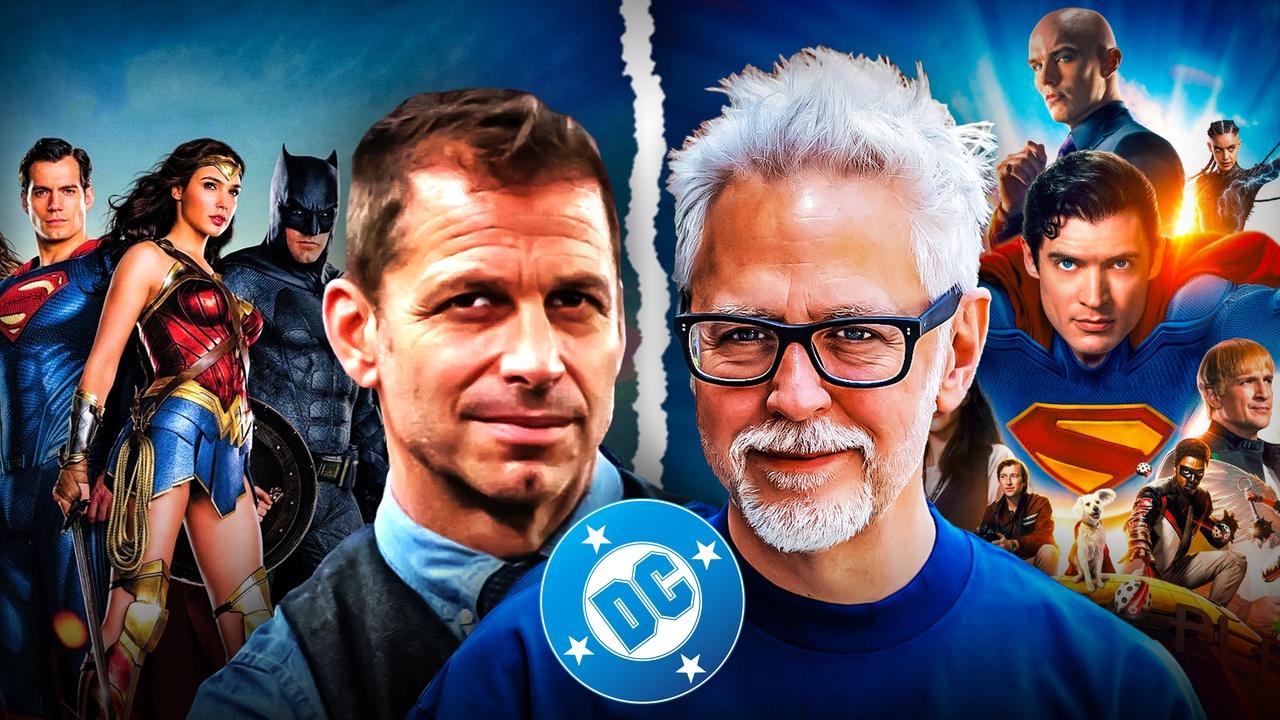
What was once Zack Snyder's carefully crafted DC vision has since been dismantled and reimagined under James Gunn's creative authority. Snyder spent years helping mold the DC Extended Universe, which began with 2013's Man of Steel. His departure during the production of Justice League sent the franchise into a prolonged period of uncertainty, cycling through tonal experiments and standalone films before Warner Bros. found its answer in James Gunn.
In October 2022, Gunn and Peter Safran were appointed co-CEOs of the newly formed DC Studios, and since then, they've played by their own rules.
The only canonical connection to the past DCEU thus far has been to projects that Gunn was involved in, namely The Suicide Squad and Peacemaker Season 1. Gunn was, of course, hired after his incredible run with Marvel Studios, writing and directing the Guardians of the Galaxy films.
With Gunn pioneering this new era of DC films, which many fans welcomed after Marvel truly dominated the superhero cinema space in the 2010s, he had to forge his own path. In doing so, the filmmaker has already broken many of the rules Snyder established, starting with the beacon of hope: Superman.
6 Zack Snyder Rules Broken by James Gunn
Painting Heroes as Mythological Gods
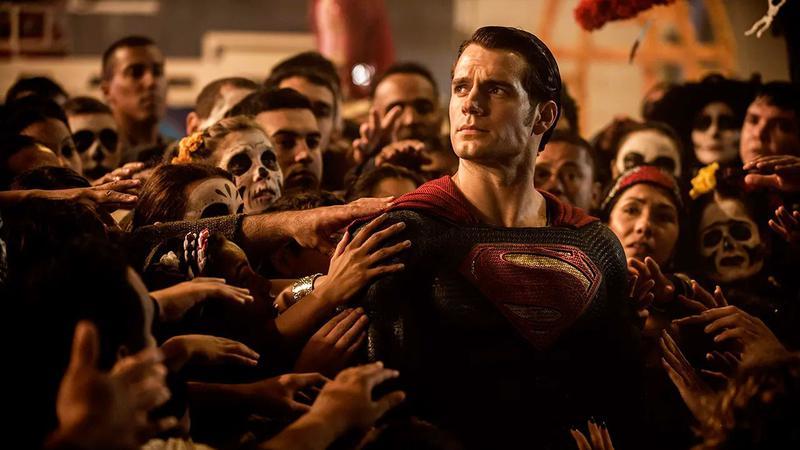
One of the most defining pillars of Snyder's DC era was his insistence on treating its heroes not as just people, but as living myths. When making Man of Steel, Snyder wove Christ-like parallels throughout Superman's (Henry Cavill) story, framing the character as a messianic figure sent to save humanity.
In the DCEU films, Snyder framed his superheroes as larger-than-life, god-like figures, using hyper-stylized visuals, including actors who looked truly sculpted out of marble.
In the new DCU, Gunn has largely abandoned this approach. While the first phase of the new DCU is titled "Gods and Monsters," the deities it presents align more with Greek mythology's flawed, relatable archetypes than Snyder's loftier.
Gunn's Superman (David Corenswet) is goofy, warm, and visibly imperfect a hero who feels human first and godlike second:
"I love, I get scared, but that is being human, and that's my greatest strength." - Superman
Tone & Style
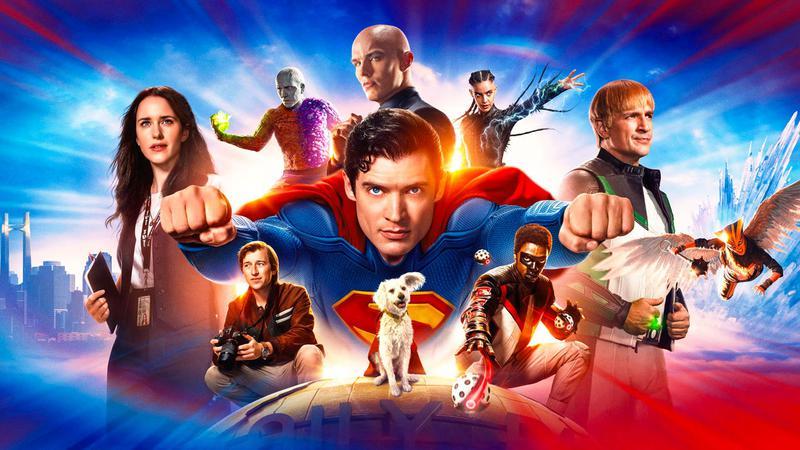
The DCEU followed a visual bible defined by desaturation and high-contrast cinematography. Snyder, heavily influenced by the realism of Christopher Nolan's Dark Knight trilogy, tried to take this approach to more characters than just Batman.
In part, it seemed the goal was to explore how a cynical modern world would react to a god, Superman, often resulting in a dark experience, especially in Man of Steel and Batman v. Superman: Dawn of Justice. Snyder took this style to the next level in his HBO Max film, Zack Snyder's Justice League, which is presented in 4:3 aspect ratio and black-and-white.
Gunn's projects embrace a palette of primary colors that feels pulled straight from a comic book splash page. Gunn uses saturated grading to create a fantastical universe rather than a hyper-realistic or dreary one. Because the DCU has had metahumans around for over 300 years, Gunn wants this new universe to feel very lived-in, where humans are more adapted to higher beings.
It's also important to note that Gunn is trying to have a diverse set of projects tonally and stylistically, with upcoming mature projects releasing this year like Lanterns and Clayface.
Long Runtimes
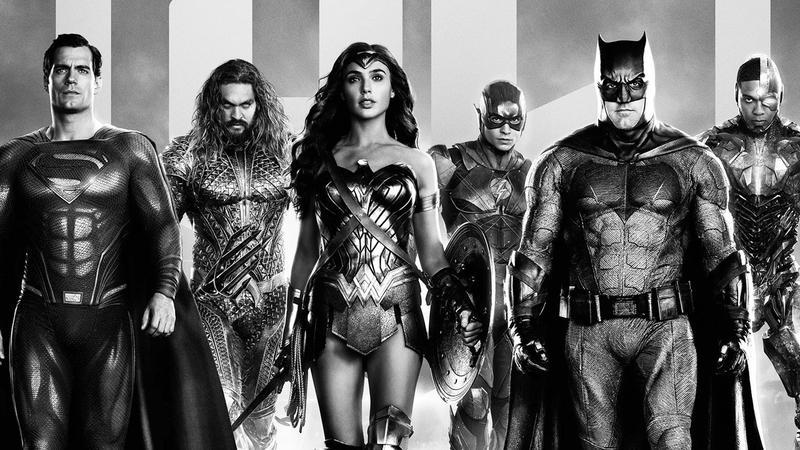
For only having made a few DC movies, Snyder really filled out the acceptable runtimes. This began with Man of Steel (2 hours 23 minutes) and expanded with Batman v. Superman (2 hours 31 minutes theatrically, 3 hours 1 minute for the Ultimate Edition). It peaked with the four-hour Zack Snyder's Justice League, leaving no crumbs behind.
In fact, The Snyder Cut is 2 hours and 2 minutes longer than the much-maligned 2017 theatrical cut, directed by Joss Whedon.
So far in the DCU, Gunn has since shifted toward a more traditional blockbuster model, emulating the MCU. His 2025 Superman reflects that new vision with a tight 2 hours 9 minutes runtime, noticeably brisker than those Snyder DCEU offerings.
Then the word on the street is that Supergirl could have a final runtime of less than two hours, which could pose its own problems. The shortest DCEU movie was Birds of Prey, which ran 1 hour and 49 minutes.
Live-Action Movies Only
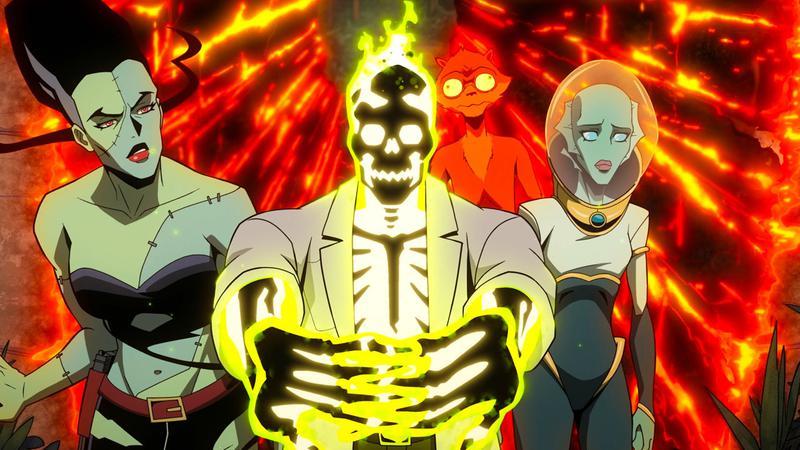
Starting in the early 2010s, Snyder's DC vision was built for the largest possible canvas, focusing on a self-contained cycle of blockbuster films. While DC had a robust library of standalone animated movies and television series like The CW's "Arrowverse" at the time, they existed in entirely separate continuities.
It wasn't until the very end of the DCEU's life cycle that the walls began to crumble with the release of Peacemaker Season 1, technically the only TV series set in that continuity.
From day one, the new DC Studios continuity was designed to weave together live-action films, television series, and even animation into one singular narrative thread.
This shift is largely a sign of the times; following Marvel Studios' massive expansion into Disney+ in 2021, the streaming era has made cross-media integration the new industry standard.
Sharing the Love
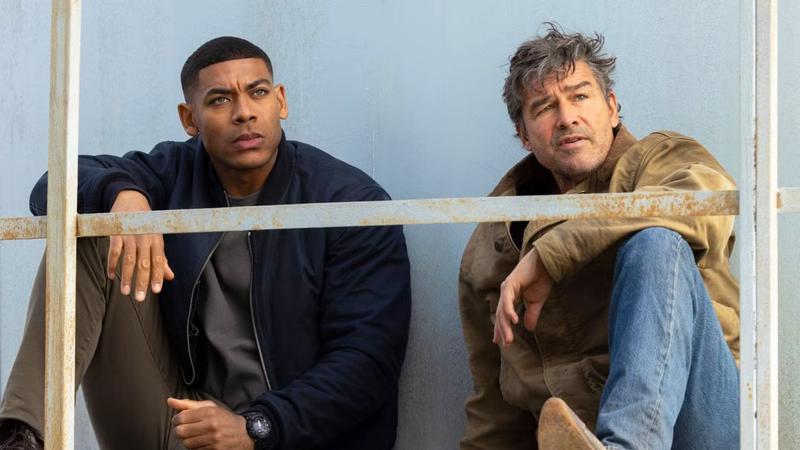
While the DCEU expanded with solo outings like Wonder Woman and Aquaman, these films largely served as self-contained adventures that did little to advance the cinematic universe's overarching plot.
In fact, the DCEU introduced those characters in team-up films first, before their own movies. This backward connectivity made it feel disjointed and far inferior to the well-crafted Infinity Saga over at rival Marvel Studios.
In the new DC era, Gunn is empowering other filmmakers to carry essential pieces of the primary narrative. A prime example is the upcoming Lanterns series; despite Gunn only serving as an executive producer, the show is explicitly described as a foundational mystery that will tie directly into the DCU's main storyline.
No In-House Style
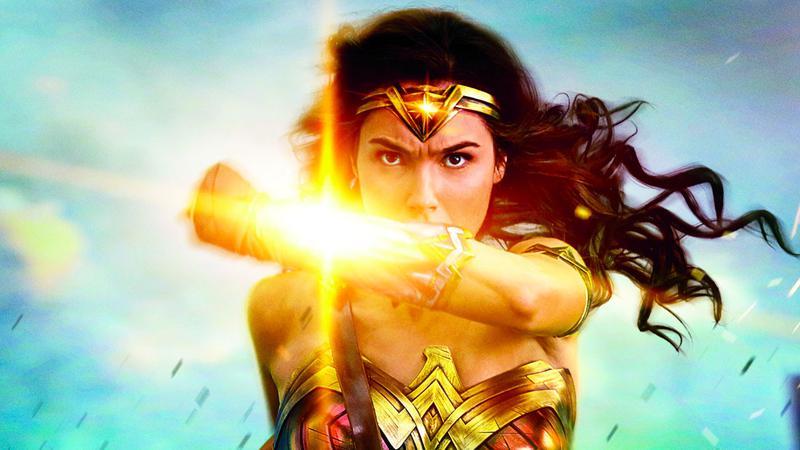
Snyder's fingerprints were impossible to miss across the DCEU. His dark aesthetic became so synonymous with the franchise that even films he didn't direct carried its DNA. Whether intentional or not, the SnyderVerse operated with something close to a house style, and directors working within it largely colored inside those lines.
Gunn has made it explicitly clear: it won't be the case under his watch. Speaking to CBS Mornings, Gunn stated plainly, "There's not a company style. It's not like every movie is gonna be like Superman. The artists and the directors and the writers that create each one will bring their own sense to it."
He's already putting that philosophy into practice with multiple projects releasing in 2026 that he didn't write or direct: Supergirl, Lanterns, and Clayface.