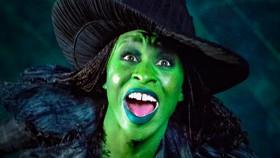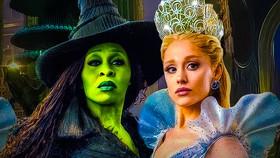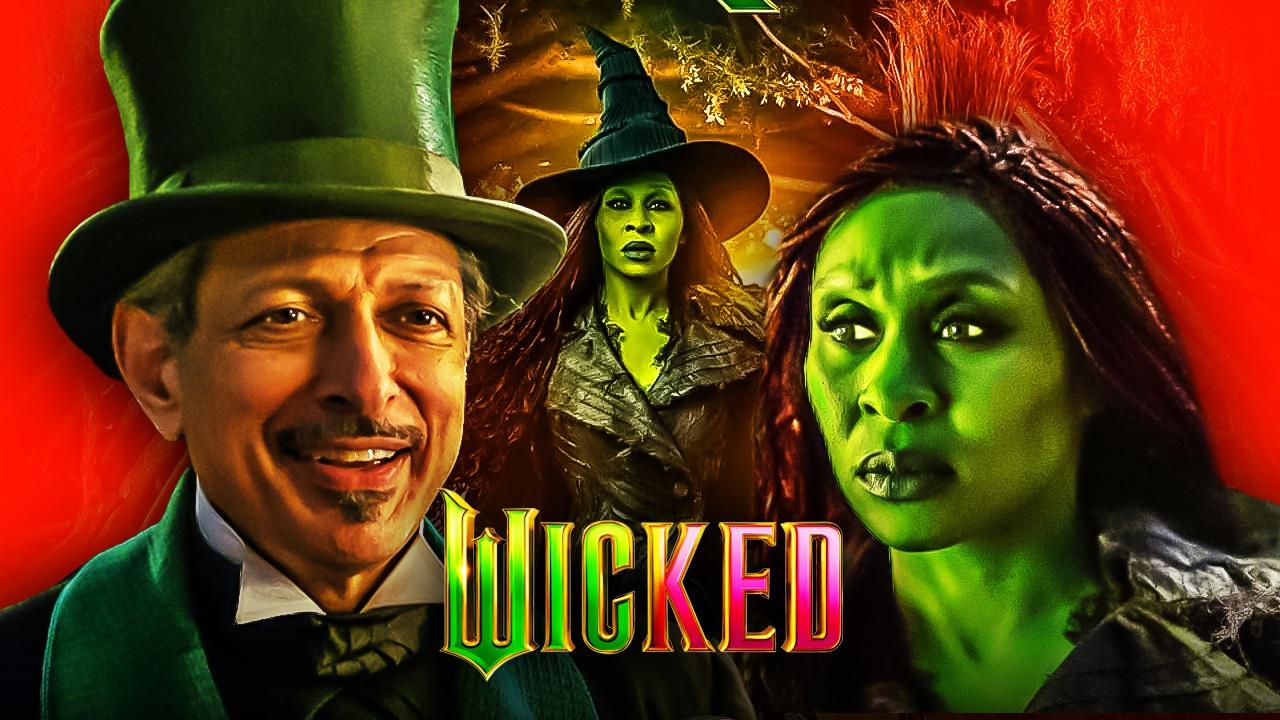
Wicked: For Good has endured four major criticisms from audiences after landing in theaters, with most agreeing it falls behind the 2025 original. From the beginning, Wicked: For Good was facing an uphill battle as the stage play's second act is famously considered far worse than the first. As such, For Good had a tough choice: fix the play's problems or remain loyal to Wicked.
Last year, Wicked took over cinemas and became a global phenomenon, with the most notable praise going to Cynthia Erivo's Elphaba and Ariana Grande's Glinda for their musical performances and character dynamic. Despite taking off at the box office, the second has proven far more controversial, with the first receiving 88% from critics on Rotten Tomatoes and the second dropping to 68%.
The 4 Biggest Criticisms Against Wicked: For Good
Wicked's Lacklustre Act 2 Storyline
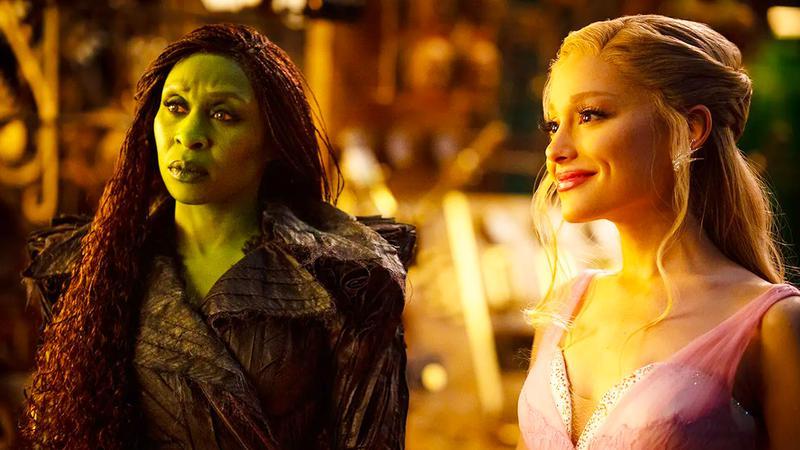
The result of For Good is a reasonably accurate adaptation that holds onto many of the same problems as the play, most notably its rushed pacing. Events such as Nessarose's death and Fiyero and Boq's transformations into the Scarecrow and Tin Man, respectively, are rushed through and thus lack emotional impact.
This means that Wicked's famous side characters are primarily handled in a rather unsatisfying manner, a trait also present in the play itself. In fact, the sequel generally bog itself down too much with Wizard of Oz connections, abandoning the self-contained narrative in Oz that made Wicked shine to begin with.
Wicked: For Good attempts to improve the ending in several ways, but it has still received mixed reactions, with some calling the resolution unsatisfying.
Beyond the pacing, Wicked's tone has also been criticized for being all over the place. There is a jarring shift from the optimistically whimsical first act to the more serious, politically charged follow-up, despite being two halves of the same story.
The Dorothy Approach
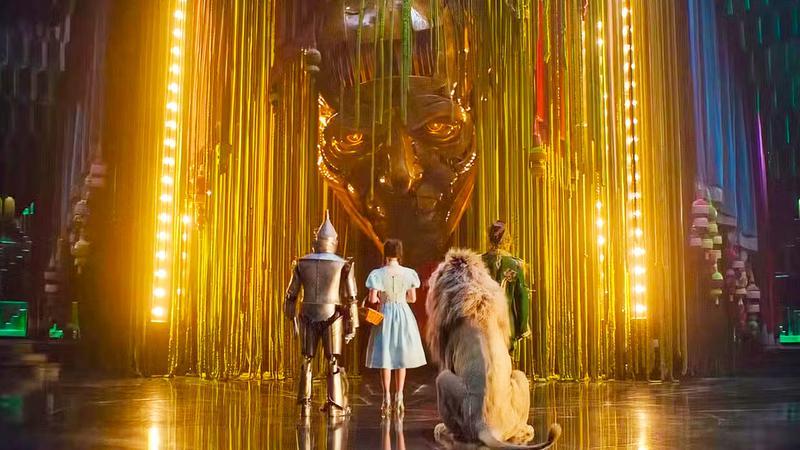
As Wicked's second act overlaps so heavily with The Wizard of Oz, with intersecting story beats and mutual characters, including the three characters from Act 1 who become Dorothy's travelling companions.
Wicked fans will be well aware that Dorothy's bucket of water in Fiyero's castle didn't actually kill Elphaba, but merely helped her fake her death.
Naturally, Dorothy was always going to have some presence in For Good, as she does in the play, where she only appears as a silhouette with a minor antagonistic role. Wicked: For Good slightly expanded the young Kansas girl's role, showing her on the Yellow Brick Road, sparking speculation as to who would play Dorothy.
Ultimately, Jon M. Chu chose to keep Dorothy faceless but gave her a few lines, casting British dancer and actress Bethany Weaver. The approach has drawn mixed reactions, with some appreciating the focus on Elphaba and Glinda, while others believe the faceless approach, if anything, drew more attention to her.
Lacking Memorable Music Numbers
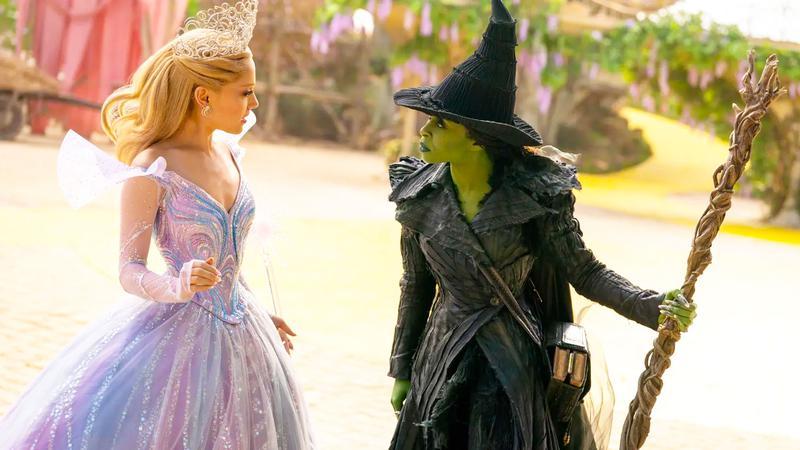
Unfortunately, despite featuring many musical numbers in For Good, some note that the soundtrack lacks the memorable tunes found in the first half. While Wicked had the likes of "Defying Gravity" and "Popular," the sequel has fewer standouts, with "For Good" and "No Good Deed" being among the biggest hits.
The movie adaptation attempts to make some improvements, as "No Place Like Home" and "The Girl in the Bubble" were added as fresh songs for Cynthia Erivo's Elphaba and Ariana Grande's Glinda, respectively.
Despite being written by the play's original composer, Stephen Schwartz, these too have drawn mixed reactions. There has undoubtedly been praise for the singers' performances and the emotional depth these songs add, while at the same time, others pan them as lacklustre or poorly placed in the story.
Michelle Yeoh Can't Sing
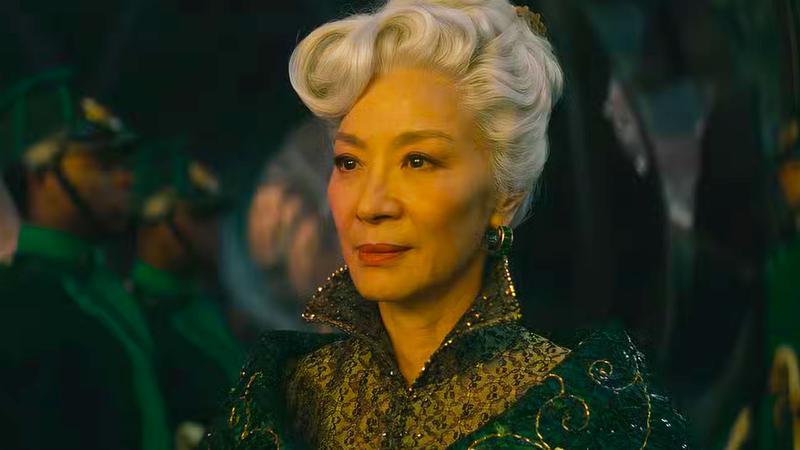
Actress Michelle Yeoh may have become an icon on the Wicked: For Good press tour with her often-repeated, "Madame Morrible, MM, flip it around, Wicked Witch" joke, but her performance has been rather heavily criticized.
While Yeoh is an acclaimed actress, especially after winning the "Best Actress" Oscar for Everything Everywhere All at Once, her singing leaves much to be desired compared to other cast members.
Notably, Madame Morrible still sings in "The Wizard and I" and "Thank Goodness," but her vocals lack range or gravitas, and, clearly, the Wicked team were well aware, as her mini-solo in the latter from the stage play was abandoned.
The issues surrounding Yeoh's performance only become more apparent when turning to her comments on The Late Show with Stephen Colbert. The Oscar-winner revealed she actually "[doesn't] sing" and almost turned down the role, until being convinced by Jon M. Chu, Ariana Grande, and Cynthia Erivo to sign on:
"I read it. I know The Wizard Of Oz very well but I hadn’t seen the musical Wicked. I call [director Jon M. Chu] back and I say, ‘Jon, my love, it’s a musical – and I don’t sing’. Not properly or professionally or anything like that. So then, typical of Jon, he says ‘don’t worry about it’. I swear to god this guy is a visionary, and he can convince you to do the impossible."