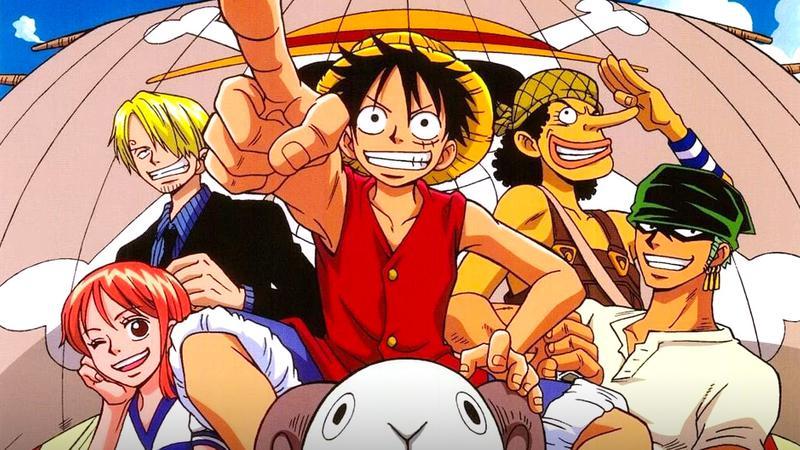
After more than two and a half decades, December 28 will mark the end of an era for the One Piece anime. Eiichiro Oda's pirating adventure set sail on TV screens in 1999 and has aired new episodes almost every week since. Outside of a few small gaps, including a fairly sizable one between October 2024 and April 2025, fans have been able to rely on new adventures featuring Monkey D. Luffy and his crew of Straw Hat Pirates airing week in and week out.
However, that is all about change, bringing an end to one of the longest single runs in anime history. It has been confirmed that the One Piece anime will move from a weekly to a seasonal format starting in 2026. This means that the episode airing on Sunday, December 28, 2025 (via Anime Updates), will be the last in the show's history as a year-round TV series.

In the future, new episodes will be released in seasons (over several months), taking a gap before the next batch comes to TV, like many of its anime contemporaries. Seasons of the long-running show will be split into two parts (also known as cours), with a total of 26 episodes per year, as opposed to the 52 episodes fans have been accustomed to.
The first of One Piece's seasonal releases will set sail sometime in April 2026, picking up with the long-awaited Elbaph arc from Oda's manga. That will not be the only One Piece-related release in 2026.
Netflix is set to release the second season of its acclaimed live-action adaptation of the original series in March. Plus, Oda and co remain hard at work on the new anime remake that will condense and retell the story from the show's earlier years (but no release information on that project has been revealed).
Why Is One Piece Going Seasonal?
After decades of releasing new episodes week after week, month after month, year after year, One Piece is finally throwing in the towel, marking the end of an era for not just the One Piece franchise, but anime overall.
For a period, it was normal for the biggest anime series to release their episodes in this way, never technically taking seasonal breaks, but rather pushing out content in the same manner as the manga they were based on.
However, as time has gone on, the anime audience has proven that they want different things. No longer are fans focused on finding their show and sitting down, knowing it will be on at the same time every year. Instead, as anime has grown in popularity, audiences have shown that they just want good content.
One Piece held on, though. After other major players adopted the seasonal format, Oda's pirating epic sailed on. However, now, 26 years after the first episode of the TV series aired in Japan, it is finally making the switch, and there are several reasons why.
As mentioned above, one of the biggest reasons is changing audience priorities. Anime (and TV in general, for that matter) is no longer a game of quantity, but quality. Some of the more celebrated anime of the last decade have only been a handful of episodes—just look at the critically acclaimed Frieren: Beyond Journey's End.
This also gives the creative team more time to work on both the anime itself and the manga it is based on. After more than two decades, creator Eiichiro Oda is still highly involved in the One Piece manga; however, at 50 years old, his output is not what it once was, meaning the anime has had to fill in gaps at times or add filler to make sure it was not outpacing the manga it was based on.
The move to a more seasonal approach, in theory, will eliminate that, allowing Oda and his team to continue writing the One Piece manga without worrying about the anime catching up to where it is in the story.