Another follow-up to WandaVision stripped away a key element that made the original series shine. VisionQuest, the third installment in the WandaVision trilogy on Disney+, is set to begin streaming on October 14, marking Marvel's third live-action TV season of the year (fourth if Sony and Amazon's Spider-Noir series is counted).
However, a newly revealed casting detail might undermine what made WandaVision so uniquely special when it first drew in audiences five years ago. What made WandaVision irreplaceable was not just its inventive sitcom structure or superhero battle conclusion, but the fact that it was, at its core, a show built around women. The series starred Elizabeth Olsen and Paul Bettany as Wanda and (an imaginary) Vision, but the emotional engine of WandaVision was unmistakably feminine.
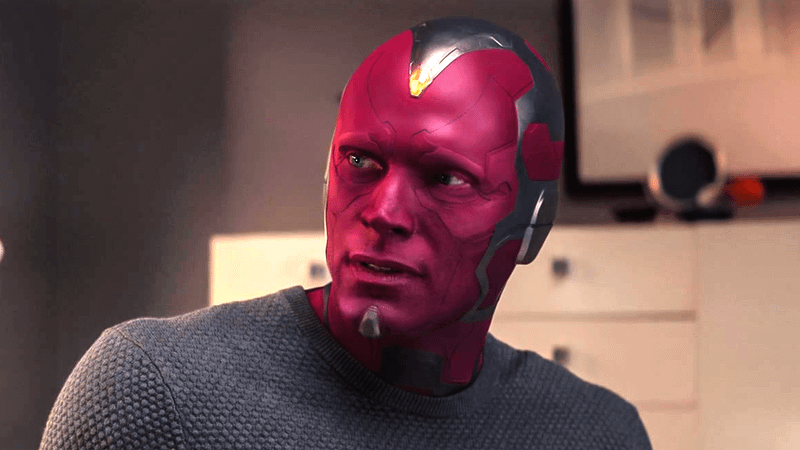
Olsen led the charge alongside a predominantly female main cast: Kathryn Hahn as Agatha Harkness (later receiving her own series, Agatha All Along), Teyonah Parris as Monica Rambeau, and Kat Dennings as Darcy Lewis.
With four women to two men in its central cast, WandaVision is arguably the best female-forward story of the MCU, even among projects like Captain Marvel, The Marvels, and even Agatha All Along.

At its heart, WandaVision was a story about grief, motherhood, and the mounting weight of both. Wanda's arc wasn't driven by a villain to defeat or a world to save but by the deeply human experience of losing the person you built your future around and the children you created out of love and desperation. Her fight for her children continued in Doctor Strange in the Multiverse of Madness.
WandaVision explored what it means to be a mother to children who were never supposed to exist and the pain of letting them go. It explored the way grief, when left unprocessed and compounded by years of trauma, can consume a person.
The twist: in an MCU setting where the main grieving character is a witch, this leads to the conjuring of a completely fictionalized community, trapping real-life residents in their own bodies.
These are themes that rarely, if ever, find their way into superhero storytelling, and Episode 8 of WandaVision, "Previously On," raised the bar for personal storytelling in the MCU.
Other female characters also added to the impact. Monica's line, that she would have done the exact same thing as Wanda if she had those powers, just to have her mother back, was emotionally resonant. It showed the shared grief of two women struggling to cope with their own losses.
In many ways, this was the beauty of Disney+ MCU storytelling: getting a closer look at characters whose lives were deeply affected by supervillains like Thanos.
VisionQuest, by contrast, arrives with a cast that tilts sharply in the opposite direction. Paul Bettany returns as Vision, James Spader joins as Ultron, and the confirmed main cast includes Henry Lewis, Jonathan Sayer, James D'Arcy, and Ruaridh Mollica, six men to just two women in Orla Brady and Emily Hampshire.
It is a lineup that signals, almost immediately, a fundamentally different kind of story. Whether intentional or not, the gender shift in VisionQuest's cast suggests its themes will be different from those of the show it spun off from.
How VisionQuest Will Differ From WandaVision
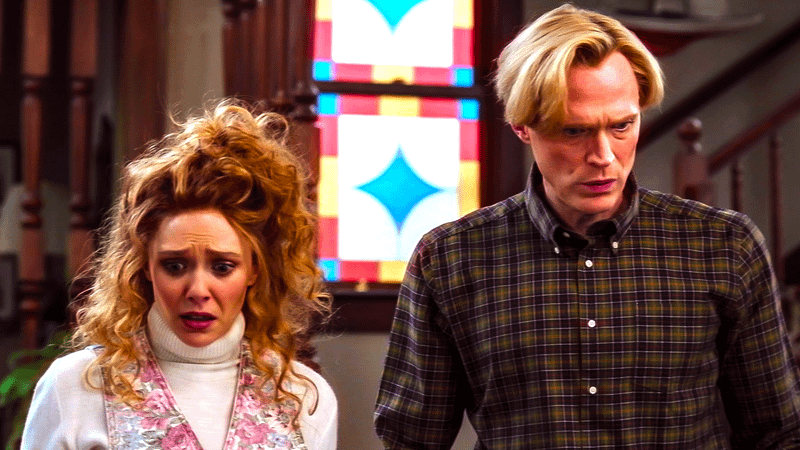
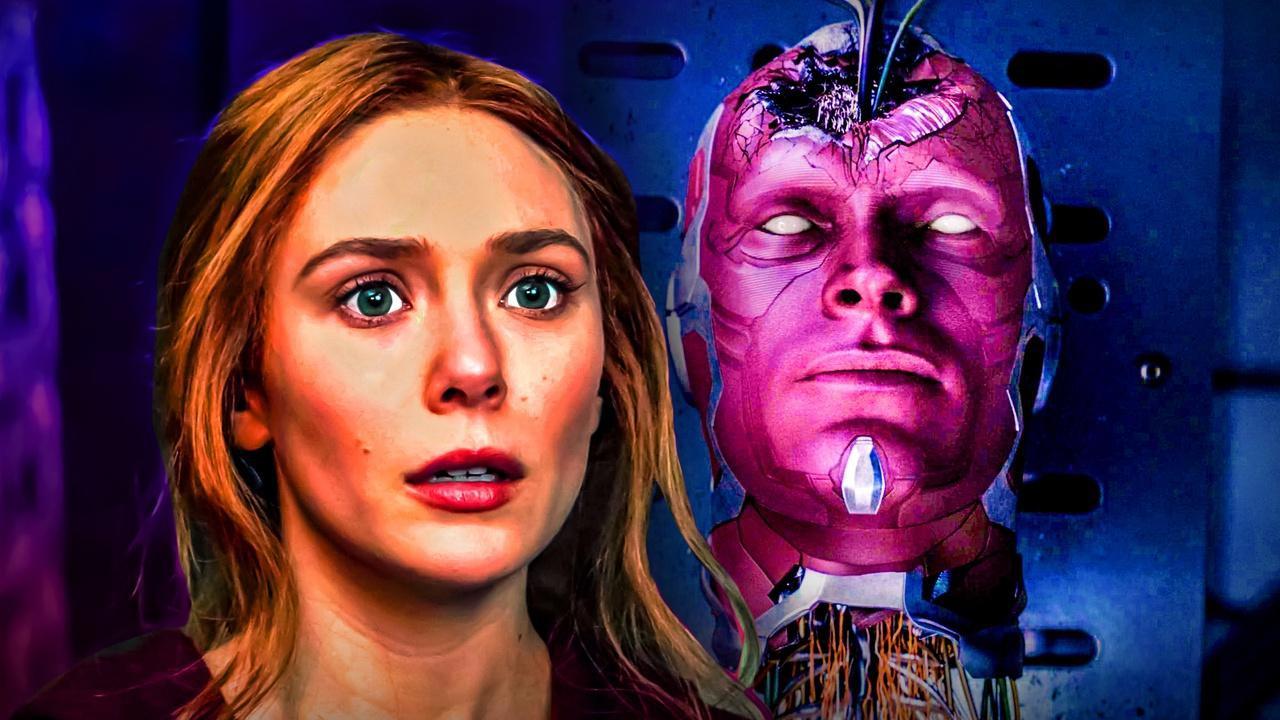
VisionQuest picks up with White Vision following the events of WandaVision, where the original Vision's memories were transferred into him, memories he now possesses but has never actually lived.
He knows who Vision was. White Vision just doesn't know who he is or what he is. That distinction is the engine of the entire show, as Bettany's new iteration of Vision navigates a post-Wanda world with a face full of history and a soul that's essentially starting from zero.
The world got its first look at VisionQuest on May 12, when Disney held its 2026 Upfronts presentation in New York City. Bettany took the stage alongside Robert Downey Jr. and Tom Hiddleston to present a brief trailer kept private from the general public, with just one still released to the world: Vision approaching a stunning white mansion surrounded by vibrant greenery.
In the footage, Bettany's Vision watches his own MCU history as though it were a film, an outsider looking in at a life that technically belongs to him.
James Spader's Ultron looms large throughout, appearing in human form and described as being there to help Vision and taunt him, which, knowing Ultron, probably means a whole lot more of the latter.
Rather than focusing on grief or loss, VisionQuest will seemingly put its attention on discovery and what it means to be human (or not human).