Superhero themes have long been associated with soaring brass, triumphant melodies, and music designed to make larger-than-life heroes feel even bigger. But several composers behind the next wave of DC and Marvel projects are taking a different approach.
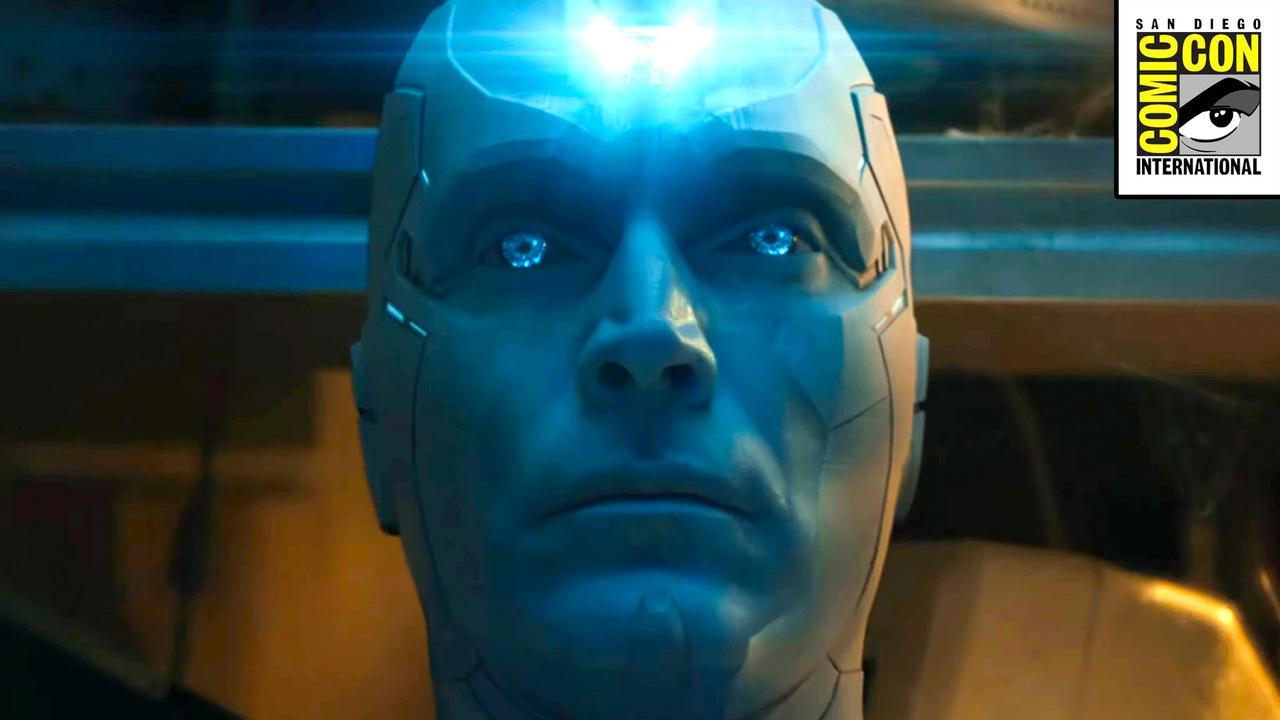
During a composer roundtable at San Diego Comic-Con 2026, in which The Direct was present, Supergirl composer Claudia Sarne, VisionQuest composer Mick Giacchino, and Spider-Noir composers Kris Bowers and Michael Dean Parsons discussed finding the musical identities of their respective heroes. Rather than beginning with the superhero, each composer found themselves looking toward the complicated and often broken person underneath the costume.
VisionQuest's Score Reflects Vision's 'Identity Crisis'
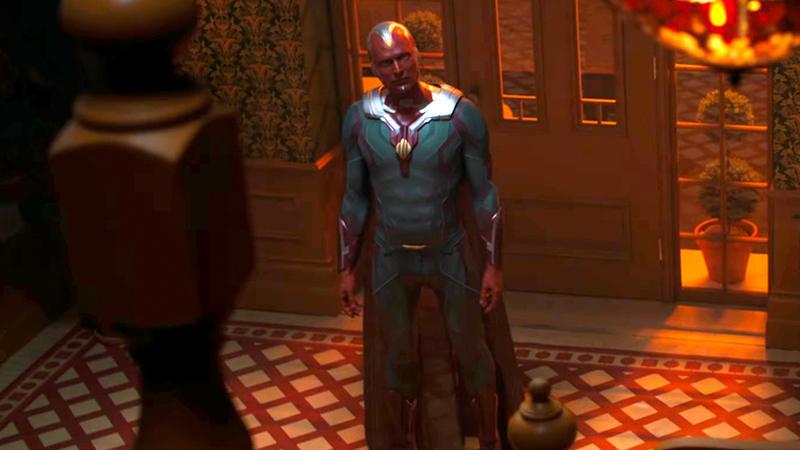
Mick Giacchino Calls the Marvel Series "Family Therapy"
Mick Giacchino is approaching VisionQuest by looking beyond its superhero exterior. Giacchino recalled advice from his father, composer Michael Giacchino, about entering franchises that already have an extensive musical history.
Instead of worrying about everything that came before, the younger Giacchino learned to ask what the individual story is actually about:
Mick Giacchino: Yeah, he's a superhero, and they will do that at times. But it's also, you know, it's family therapy, really, is what this show is... The show is family therapy and identity crisis... [and] these fathers and sons trying to work our their relationships... It's a different Vision. It's not quite who he was.
As Vision attempts to understand himself, his score will evolve alongside him. Giacchino explained that the music initially avoids becoming too traditionally heroic:
Giacchino: I want to focus more on the strings. I don't want it to be as brassy or as heroic. There are moments where we can become that, but let's save that for the moments where they really make sense because he's really this guy who's broken.
As the series progresses, "he's figuring out who he is," Giacchino noted. He added that "the score is also trying to do the same thing," allowing Vision's theme to evolve and grow alongside him.
Vision isn't the only returning MCU character getting a new musical identity in VisionQuest. James Spader's Ultron returns more than a decade after Avengers: Age of Ultron, and Giacchino looked toward the villain's philosophical nature when developing his sound:
Giacchino: He's a complex character. He's very philosophical, and so I kind of immediately was thinking about classical music... But he's also very operatic too. There's a lot of kind of like gears going inside. So I did a little bit of prepared piano... There's some kind of ticking and kind of just these gears.
The idea was to make audiences feel the constant calculations happening inside Ultron's head:
Giacchino: He's working everything out in his head, and he kind of is two steps ahead of everybody.
Those watch-like sounds became a way of representing Ultron constantly working through his next move.
Spider-Noir's Composers Started With a 'Broken' Spider-Man
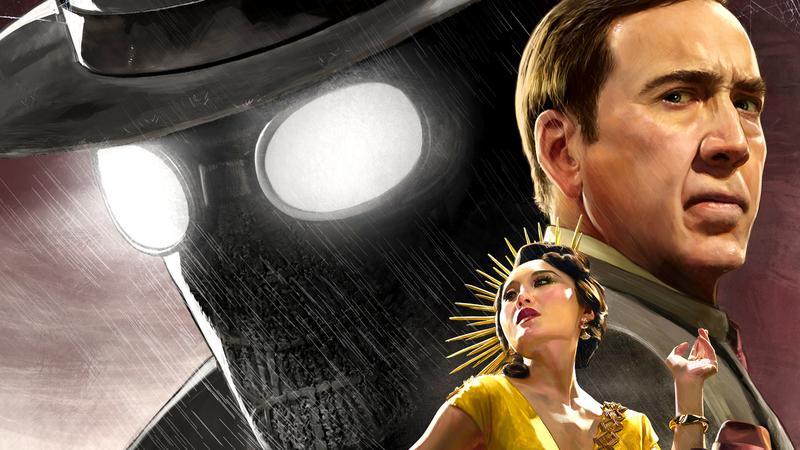
This Version of the Hero Is "Past His Prime"
Kris Bowers and Michael Dean Parsons faced a different challenge with Amazon Prime Video's Spider-Noir: creating music for one of pop culture's most recognizable superheroes without simply recreating what audiences have heard from Spider-Man before.
For Bowers, the process began not with Spider-Man, but with Ben:
Kris Bowers: It started with the version of Ben that is a bit broken and understanding what that needed to sound like and the complexity of that. Then immediately stress testing that melody in a moment where he is becoming the Spider and seeing if it feels rugged.
Parsons similarly described this version of the character as being in a different stage of his life:
Michael Dean Parsons: This is not your usual Spider-Man. This Spider-Man is quite a bit older. I don't want to say an age, but he's like, he's past his prime, and he's in a dark spot in his life.
Rather than becoming consumed by Spider-Man's enormous musical legacy, Parsons focused on the character's emotional journey:
Parsons: Ultimately, it's just looking at the characters, looking at their emotional journey, and trying to just stay with that. Otherwise, you get overwhelmed.
One conversation with Spider-Noir's showrunner fundamentally changed Michael Dean Parsons' understanding of the character's exaggerated personality:
Parsons: When Ben got bitten by the spider, he became a spider, and he's on this quest to become human again. Whenever he's doing these wacky stunts or acting in really strange ways, it's like, 'Oh, let's play that really, really sincere... We have this opportunity to create a completely different sound.
Despite joining such an established franchise, Bowers said Spider-Noir effectively gave them a blank canvas:
Bowers: I feel very thankful to have the opportunity to work on a Spider-Man project, but especially one where there was no rules for how we approached it.
That freedom also extended to the show's supporting characters. Parsons explained that Lamorne Morris' character serves as a "glass half full" counterpoint to Ben's "glass half empty" personality, leading to a more upbeat theme. His profession even became part of the instrumentation:
Parsons: He's a photographer, so we included camera shuttering sounds in his percussion.
As the character changes, however, so does that theme. Elements such as hand claps and whistling begin disappearing before the music eventually takes on a more traditionally heroic quality:
Parsons: By the end, when he's really having some heroic and transformative moments, the theme can be played really lushly and pastoral.
That evolution is possible because the composers built recognizable themes that could change alongside the characters over the course of the eight-episode story, a tale that will hopefully continue with a Season 2.
Supergirl's Theme Is Introduced Through Tragedy, Not Heroism
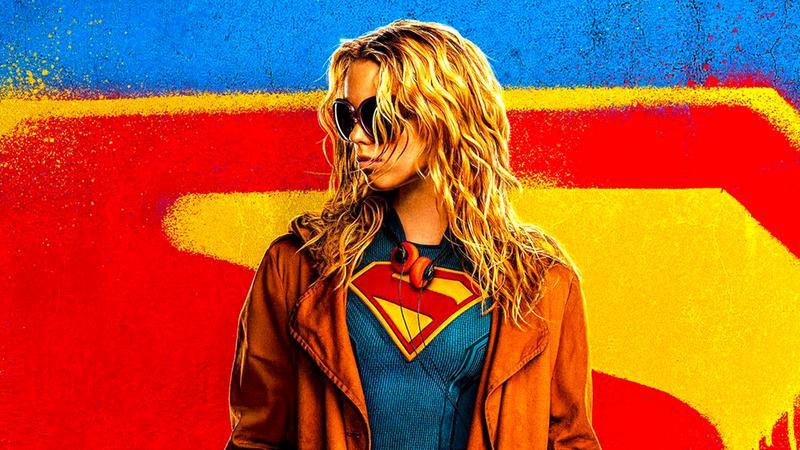
Claudia Sarne Wanted To Establish Kara's Pain Before Her Heroism
For Supergirl (read more about one of the film's deleted scenes), Claudia Sarne took an unconventional approach to introducing Kara's central theme. Rather than debuting it during a traditionally heroic moment, Sarne revealed that audiences first hear the theme through tragedy:
Claudia Sarne: That's the first time you hear the theme in the movie. But you don't hear it from the traditional heroic sense... The first time you hear the theme in the movie is actually from a very tragic sense, which then translates into something later.
That approach reflects Sarne's understanding of Kara herself. This isn't a character audiences meet at the height of her powers or confidence:
Sarne: She is lost and she's broken, but she doesn't feel a way about that. She feels entitled to her pain. She feels entitled to all of it... The beauty of her as a character for me was her finding redemption of purpose. But she's not apologetic for it.
Creating that journey took Sarne to a place she'd never been before, professionally: Abbey Road Studios:
Sarne: Honestly, nothing prepared me for walking into Abbey Road that first day.
After previously working with more "minimalistic and restrained" music, Sarne described Supergirl as an opportunity to embrace something much bigger:
Sarne: It was very different to anything I'd ever done before.