
Tracker officially broke the franchise's winning formula in Season 4's new episode, flipping the show's biggest Colter Shaw criticism. CBS' Tracker has a reliable formula that proved successful for three seasons, showcasing Justin Hartley's Colter as a self-contained rewardist who lives on the road, receives case details and digital support over the phone from his team, and handles the mission on the ground alone. This strategic model from Tracker delivered consistent procedural thrills while keeping production logistics simple. However, Colter's lone-wolf strategy for solving cases and finding missing people has drawn fan criticism of Tracker, mainly because the core supporting characters, such as Randy, Reenie, and Mel, appear mostly as voices on the line or as occasional side characters. Tracker never fully operates as a team unit, with it being positioned as a one-man procedural.
While Colter has had occasional partners on the job, such as his brother Russell Shaw (who recently returned in Tracker Season 4, Episode 5), he usually operates alone, believing that his success is higher when no one else interferes. Despite that, CBS completely changed Tracker's formula in Season 4, Episode 6, "Blind Spot," in which Colter Shaw is on the ground with his team rather than relying on phone calls for information and access to the case. The main mission is to find Erica, the daughter of Reenie's dying mentor, Gale.
For the first time in the show's four-season run on the network, Colter walked into Reenie's Denver office to meet the team face-to-face, marking a rare moment for Tracker, who was almost always away in the field searching for missing people. This was also a monumental moment for Tracker since it also marked the first time Colter met Mel in the flesh, an encounter fans have long wanted after a year of remote assistance.
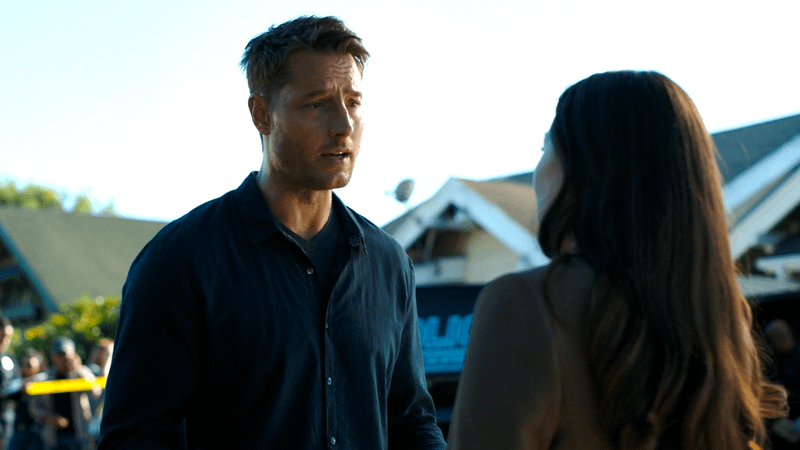
Colter was also able to see Randy's new setup while working closely with him to unpack the digital data needed for the case. Colter also reunited with Reenie, catching up while working with her to gain more insight into why this case felt personal. The fact that Colter worked the case from the team's actual home base, rather than treating it as a remote resource, was the breath of fresh air Tracker needed after four seasons. For the first time in a long while, Colter, Reenie, Randy, and Mel occupy the same space together (a feat never done when Velma, Teddi, and Bobby were part of the original team).

This gathering in Tracker Season 4, Episode 6 does more than complete the cast transition that began after Season 1; it reinforces the idea that the current version is now Colter's permanent team. Tracker Season 4 has already been pushing the ensemble harder and giving them personal stakes. "Blind Spot" serves as the moment the series stops treating Colter as the almost-exclusive focus and starts functioning as a real unit.
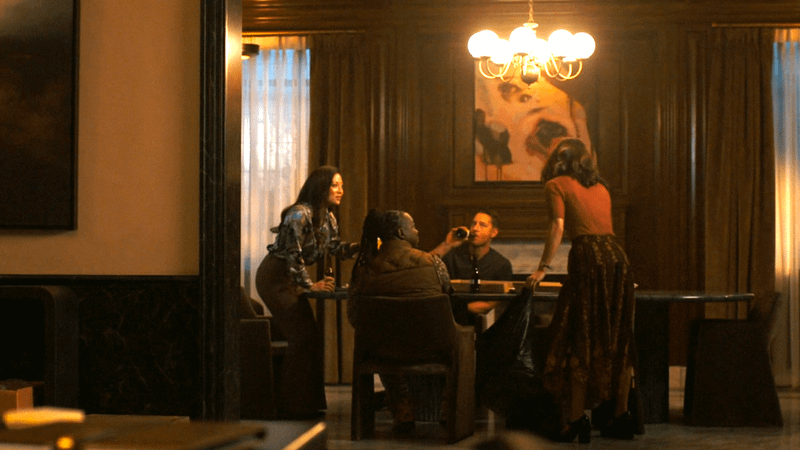
While Colter still did a good chunk of the field work, Tracker's latest episode emphasized that the operational center is the Denver office. Randy's research, Reenie's personal investment in the case, Mel's assistance, and the team's overall physical presence keep everyone in the same orbit rather than scattered across phone calls.
It's worth noting that what happened in Tracker Season 4, Episode 6 is not a full conversion of Colter into a team player. He remains the man who prefers the road and still tries to leave without a long goodbye (as evidenced by his "French exit" at the end of the episode). Still, the difference is structural, given that the CBS series no longer requires Colter's default isolation to tell compelling stories.
3 Reasons Why Tracker Needs to Reinvent Itself In Season 4
Colter's Camaraderie With His Team Should Get the Spotlight

Tracker has relied on the road-and-reward formula for far too long. While it worked, shows that stay locked into the same case-of-the-week rhythm for multiple seasons often get derailed. Giving the permanent Denver team personal stakes creates natural reasons for Colter to return and for the team to matter beyond technical and legal support.
It would also offer endless storytelling opportunities if a team member is in danger or abducted, prompting Colter to save the day and dive deep into a mission where the reward is the safety of one of their own.
Tracker Season 4, Episode 6 ended with Mel asking Colter to look into her mother's unsolved murder. Mel's mother was an Army logistics officer killed at a rest stop when Mel was 16. The request was only possible because Colter and Mel finally met face-to-face. This interaction also left the office with a long-term mystery that could pull Colter back without forcing him to abandon the road. Expanding that approach lets the show keep Colter's competence while making the team's lives generate stories rather than simply serving his.
Colter's Gradual Reinvention Must Happen

The only thing constant in life is change, and Colter must undergo a gradual reinvention to keep the stories flowing through Tracker fresh. This was apparent in Tracker Season 3, when he willingly worked with a known suspect in the same case he was investigating, only to prove her innocence after finding the real culprit. These cases proved that Colter can improvise if the situation calls for it, and Season 4 needs to take a page from the playbook to keep telling compelling stories.
It's worth pointing out that Colter does not need to become a conventional ensemble lead. The reinvention only works if it remains gradual and selective. He must still have the same willingness to leave when the job is done, and Episode 6 already demonstrates that this middle path is a viable option. Still, without some version of it, Tracker continues to deliver competent weekly cases while leaving its most obvious structural criticism unanswered. By including it, the show can keep what made Colter so compelling and finally let the people around him function as more than moral and remote support.
Tracker's Lone Wolf Approach Doesn't Work Long Term

Colter Shaw's preference for the road and his skill at solo work remain his core strengths. However, the risk is that continuing the same remote-support formula indefinitely leaves little room for growth once viewers have become familiar with the pattern.
Tracker Season 4's broader push to give the ensemble more weight, combined with the concrete office integration, proved that the show can thrive with a workable middle path. Colter can still handle the dangers of working in the field, but Tracker can also focus on key scenes inside the team's space and let the supporting ensemble drive personal cases.
This major shift directly addresses the criticism of isolation while ensuring that Tracker's proven procedural engine still works. Without some form of reinvention, the series risks remaining effective but static in the long run.