
Sauron (Charlie Vickers) makes the surprising decision to surrender in The Lord of the Rings: The Rings of Power's Season 3 finale. Prime Video's The Rings of Power fills in the blanks in the Second Age of Middle-earth, revealing how the One Ring was forged and how Sauron came to be in his position of formidable power as he is when The Lord of the Rings takes place. While Sauron ended Season 3 on the back foot, not everything is as it seems.
Season 3 of The Rings of Power saw Sauron continue to amass his forces and eventually forge the iconic One Ring. While this would seemingly put the villain at the height of his power, when it came to fighting the Númenórean army at Umbar, Sauron found himself outmatched.
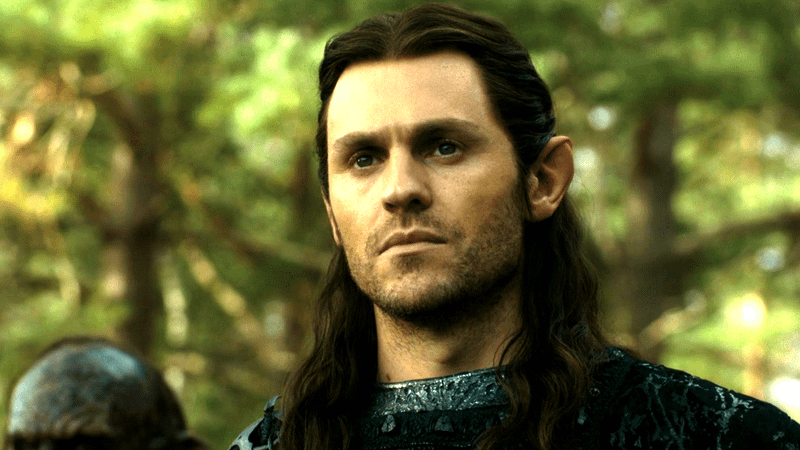
After Gandalf successfully turned the Dark Wizard, Pallando, back to the light, they teamed up to fight Khamûl, an Easterling who accepts one of Sauron's rings of power and becomes a Nazgnagôl. They kill him, although Pallando dies in the process, causing his loyalists and the Easterlings in Sauron's armies to flee, taking out a chunk of the Dark Lord's forces.
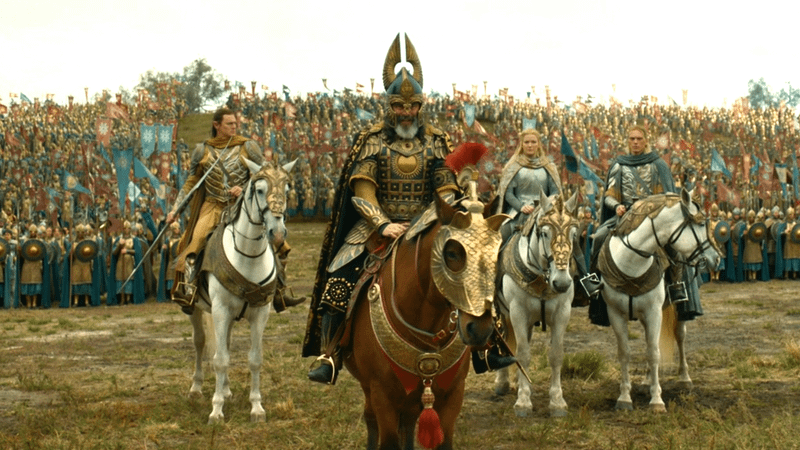
Wise enough to know he may not win, Sauron instead removes the One Ring and kneels before Pharazôn's Númenórean army, seemingly surrendering. While the elves seem dubious, Pharazôn gleefully accepts Sauron's surrender, although a sly smile from Sauron in this final moment hints that this was exactly what the Dark Lord wanted.
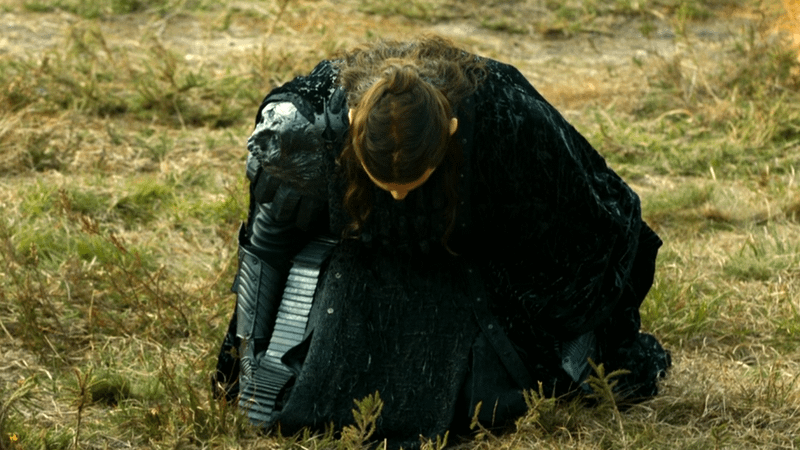
With The Rings of Power taking place before The Lord of the Rings, it's well established that Sauron has to win eventually, but it wasn't to be in this battle.
With Season 4 of The Rings of Power now confirmed (part of a five-season plan), ending things with Sauron surrendering at this point actually plays into the canon of J.R.R. Tolkien's lore and leaves room for the next season to explore the Fall of Númenór.
Sauron's Surrender Prepares The Rings of Power For The Fall of Númenór

The Rings of Power draws heavily upon the appendices in J.R.R. Tolkien's The Lord of the Rings novel, but it also makes some concessions and changes in order to make things coherent in the show. In this instance, Sauron's surrender to the army of Númenór is written, and it's a tactical play by the villain to instigate the fall of his mightiest rivals.
In Tolkien's writing, Sauron surrenders to Pharazôn and is then taken as a prisoner to Númenór. Once inside its walls, Sauron manipulates his way into becoming an advisor to the King and begins spreading the word of the dark lord, Morgoth, turning many high-ranking officials within Númenór to his side. Sauron's influence begins to corrupt Númenór, turning it into a cruel and merciless kingdom that persecutes others in Middle-earth, particularly the Faithful.
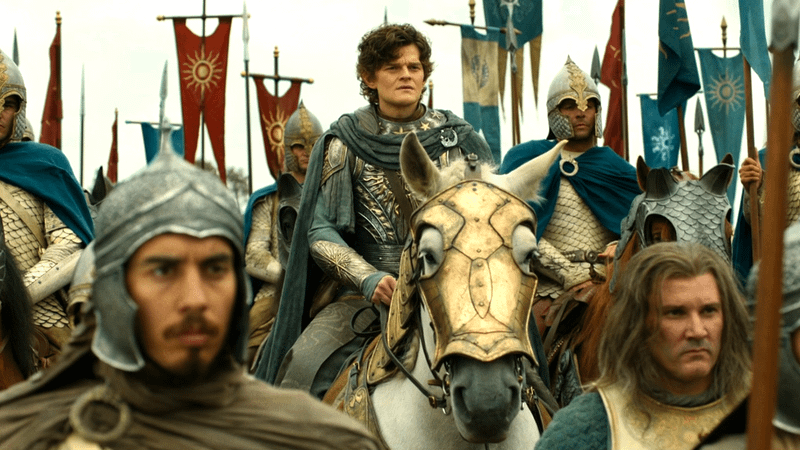
Sauron gets into the ear of Pharazôn, and as the King gets older, he convinces the leader to try to conquer the Undying Lands (a sacred land home to the Ainur and Eldar), lying by promising that it will grant him immortality. When Pharazôn had gathered his host and set out for the Undying Lands, he angered the Valar, who feared for the sanctity of Valinor, and called upon the supreme beings to intervene.
Pharazon and his host ended up being swallowed by a great chasm that opened in the sea, and a tidal wave engulfed Númenór, drowning the great city and everyone in it - except for those who managed to escape under the guidance of Elendil and Isildur.
The path has now been paved for these same events to be explored in The Rings of Power Season 4. Sauron's surrender in Season 3 seems an odd choice from the Dark Lord, but it's all part of his master plan to eliminate Númenór once and for all.
LATEST NEWS