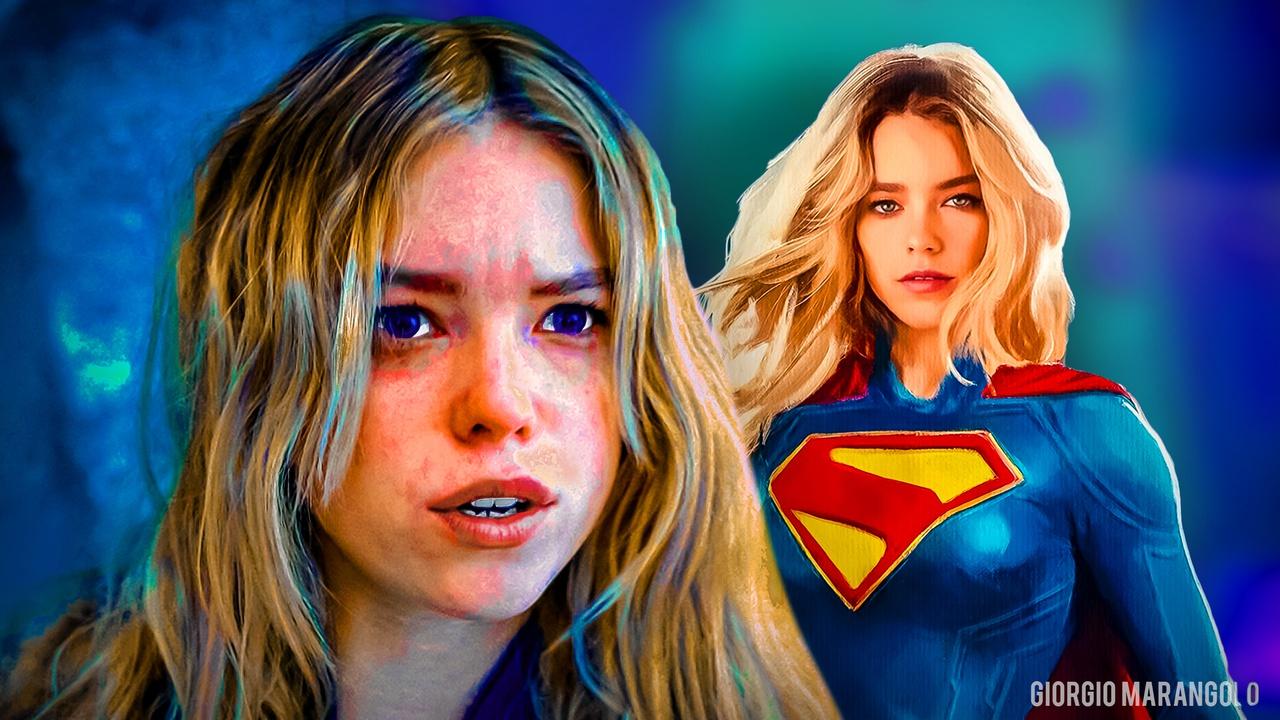
DC Studios' upcoming Supergirl is poised to break new ground for the franchise, promising several firsts never before explored in a DC movie. The 2026 film stars Milly Alcock as Kara Zor-El and is directed by Craig Gillespie, positioning it as a bold step forward in the studio's cinematic direction. As only the second theatrical release under the leadership of James Gunn and Peter Safran, Supergirl isn't playing it safe with certain characters and the setting.
In mid-December 2025, Supergirl officially launched its marketing push with the release of its first trailer, offering audiences their clearest look yet at Milly Alcock's Kara Zor-El, her formidable powers, the inclusion of Krypto, and several elements drawn directly from Tom King's Woman of Tomorrow comic storyline.
Set for a June 26 release, the film carries significant expectations as a direct DCU spinoff from Superman, where Alcock briefly debuted in the role before stepping into her first solo feature.
While the project represents a major 2026 tentpole for Warner Bros. and DC Studios, its summer release date places it amid a crowded box-office landscape, with high-profile competition. What may ultimately allow Supergirl to stand out is its commitment to originality, blending space-faring adventure sensibilities reminiscent of the MCU with an exploration of previously untapped DC Comics characters.
3 Supergirl Aspects Never Before Seen in a DC Movie
Never Before Seen Characters
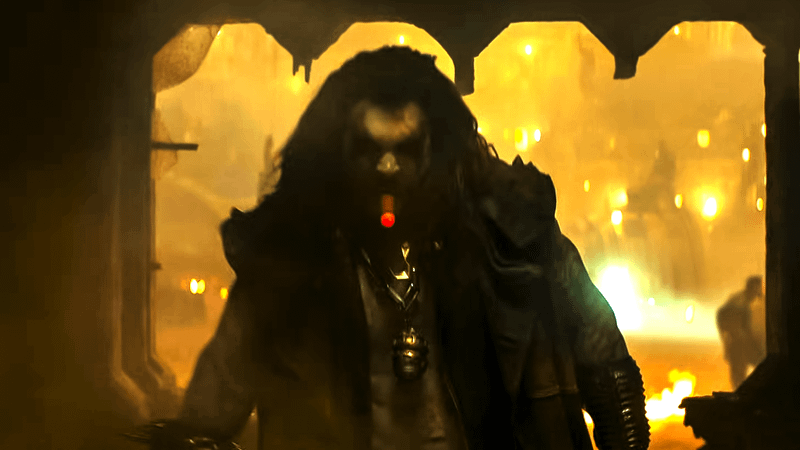
One of Supergirl's most significant firsts for a DC movie is its roster of characters making their live-action big-screen debuts, many of whom are pulled directly from Woman of Tomorrow.
The film introduces Ruthye Marye Knoll (Eve Ridley), whose role goes far beyond that of a typical sidekick; she's the emotional and narrative driver of Kara's journey. Alongside her is Matthias Schoenaerts' Krem of the Yellow Hills, the story's main villain, reimagined for live action with a far more alien, monstrous design than his comic counterpart.
The film also brings Supergirl's parents, Zor-El (David Krumholtz) and Alura In-Ze (Emily Beecham), to the big screen for the first time, adding to the twisted Krypton legacy introduced in Superman.
Perhaps the most headline-grabbing addition, however, is Lobo, played by Jason Momoa, whose casting carries historic significance for DC. Momoa becomes the first actor in nearly five decades to portray both a DC superhero and a DC supervillain in live-action films, transitioning from Aquaman in the DCEU to the infamous alien mercenary in the DCU in record time.
Only Space Setting
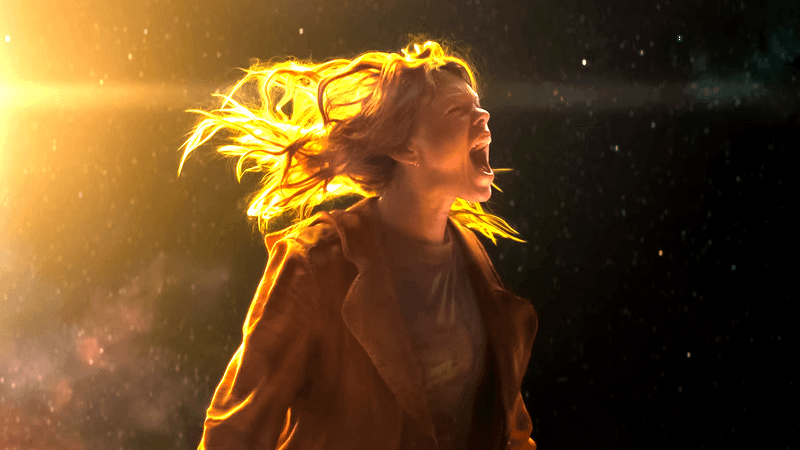
Another unprecedented element of Supergirl is its commitment to an entirely space-based setting, making it the first DC movie to avoid Earth entirely. While past DC films, such as Ryan Reynolds' Green Lantern, featured space, they anchored much of their storytelling on Earth, whereas Supergirl takes place exclusively across multiple alien worlds.
Gunn, who famously directed the Guardians of the Galaxy films, confirmed the film is designed as a full-fledged "space adventure," with Kara traveling from planet to planet, including worlds with red and yellow suns that directly impact her powers.
This approach not only distinguishes the film tonally and visually from Superman but also allows the DCU to expand its cosmic worldbuilding in a way never before attempted on the big screen.
Music From Blondie
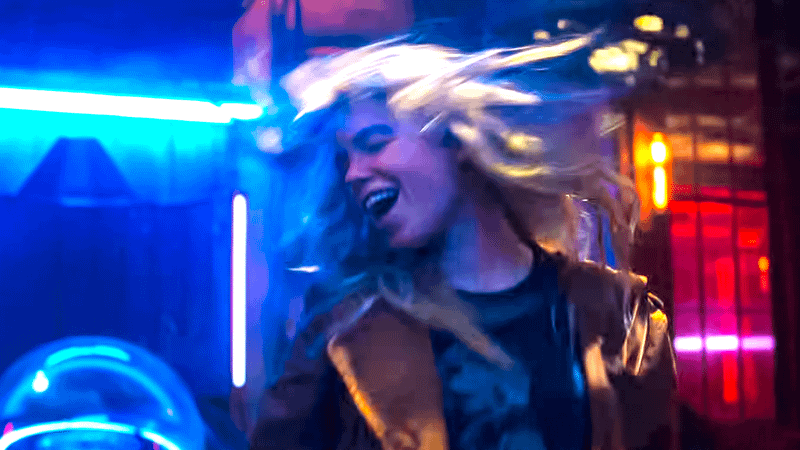
Music is another area where Supergirl distinguishes itself from previous DC films, beginning with the prominent use of Blondie's iconic 1980 hit "Call Me."
The song's rebellious, new-wave energy immediately signals that this is not a polished or idealized take on a female superhero, but a grittier, punk-inflected interpretation that aligns with Kara's hard-edged journey through cosmic dive bars and alien worlds.
That attitude is reinforced by the film's score, composed by Ramin Djawadi, marking his first full DC feature soundtrack after previously contributing music to Batman Begins.
Together, Blondie's music and Djawadi's original score are another example of Supergirl's dedication to tone as a defining element, making it one of the most distinctive DC films ever made.