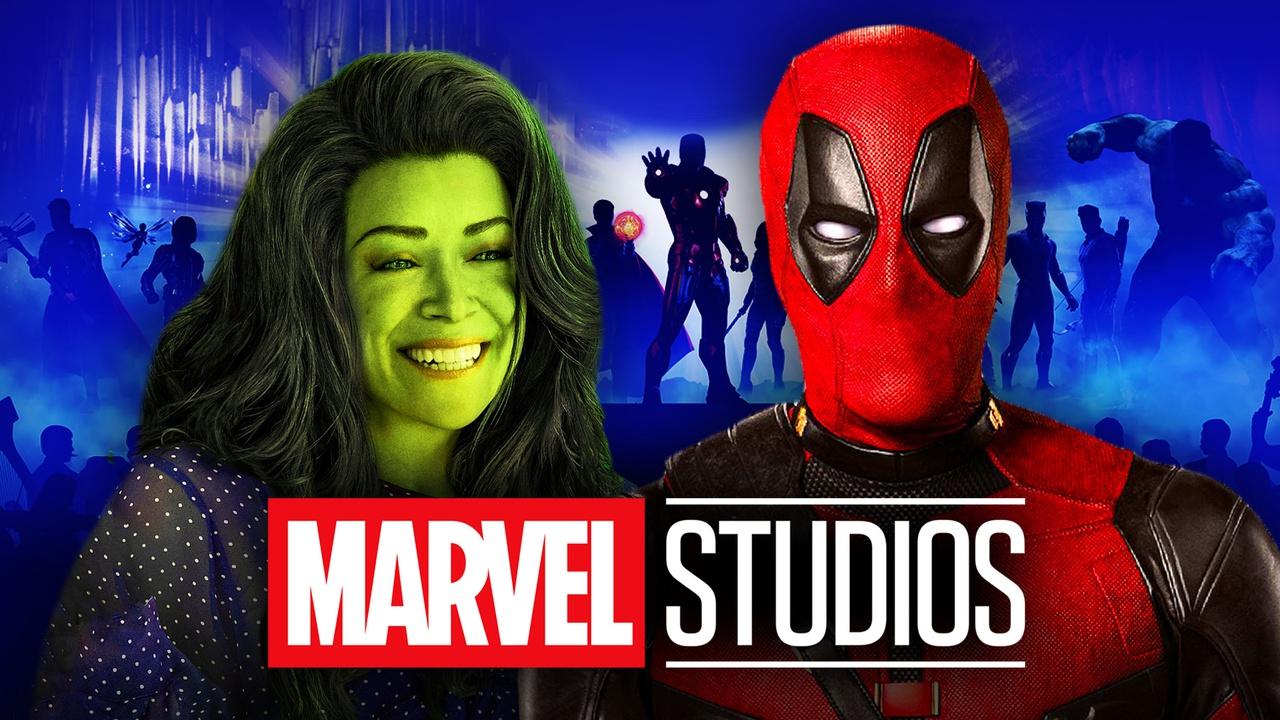
The MCU is establishing a recurring theme of self-awareness by officially introducing its third meta hero in this year with the debut of Wonder Man, completing a core trio of characters who break the fourth wall. Wonder Man (Simon Williams) will follow two established meta-heroes, She-Hulk and Deadpool.
However, Wonder Man provides a different flavor of meta-commentary. Rather than addressing the audience directly, his series focuses on his life as a Hollywood actor and celebrity superhero, which inherently critiques the themes of fame, franchise fatigue, and superhero culture within the MCU itself.
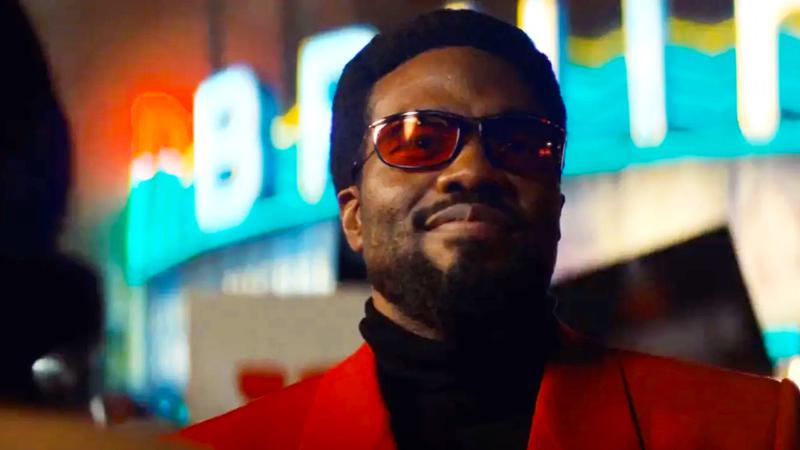
Wonder Man star Yahya Abdul-Mateen II confirmed to Empire that the show is "self-aware without looking directly into the camera." This distinction separates Wonder Man’s brand of self-awareness from the direct-address style of She-Hulk and Deadpool, and instead focuses on the reality of an industry obsessed with capes and cowls.
Scheduled to premiere on Disney+ in January 2026, Wonder Man is ready to offer a fresh perspective on the Marvel Cinematic Universe. While fans of the MCU might know Simon Williams as a newcomer, his comic book history is rich with the very elements that make him perfect for this meta-commentary.
In the comics, Simon Williams was introduced as a villain manipulated by Baron Zemo before reforming and joining the Avengers. However, his most unique contribution to Marvel lore came when he stepped away from full-time heroics to pursue a career in acting. Williams became a Hollywood star with superpowers, working as a stuntman and leading man in various films. This career arc allowed writers to use his character to explore the intersection of celebrity and heroism, a theme that feels incredibly relevant for the MCU in 2026.
The series appears to be leaning heavily into this aspect of his history. By positioning Simon as an actor within a world overrun by real superheroes, the show can satirize the entertainment industry's obsession with superhero content without needing to break the narrative immersion. Unlike his predecessors, Simon doesn't know he is in a TV show; instead, he knows he is part of a content machine world that treats heroism as a commodity. This allows for a critique of the genre that feels organic to the story rather than external to it.
Other Meta Heroes in the MCU
With the addition of Wonder Man, the MCU has officially established a sort of "Meta-Trinity", three distinct characters who allow the franchise to comment on itself. While Wonder Man takes a grounded approach, his predecessors paved the way with more aggressive forms of fourth-wall breaking.
She-Hulk (Jennifer Walters)
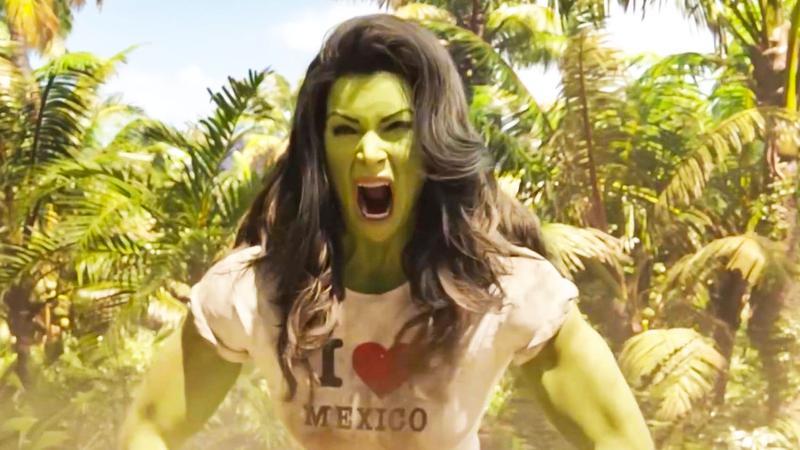
Jennifer Walters, introduced in She-Hulk: Attorney at Law, is arguably the most powerful meta-character in the franchise. Her ability to break the fourth wall functions not only as a comedic effect but also as a powerful narrative tool she uses to influence her own story.
She-Hulk smashed the ultimate barrier in her season finale by physically climbing out of her show’s menu screen and confronting "K.E.V.I.N." (the AI running the MCU). This moment deconstructed the Marvel formula in real-time, questioning the necessity of big CGI battles and typical third-act tropes. She remains the only character who has successfully negotiated the terms of her own existence with the studio itself.
Deadpool (Wade Wilson)
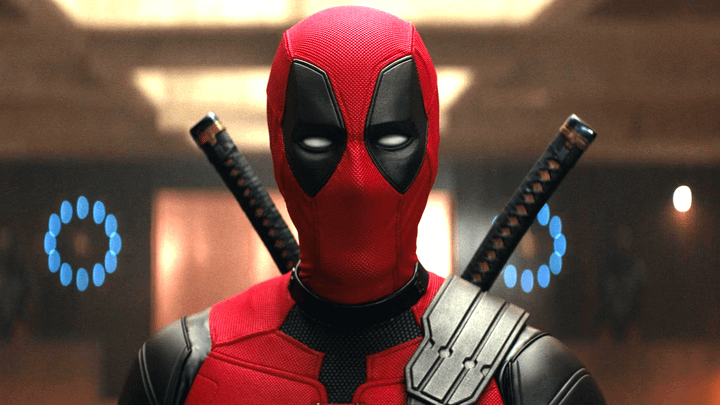
The "Merc with a Mouth" brought his R-rated, chaotic brand of self-awareness to the MCU, fully bridging the gap between the Fox universe and Marvel Studios. Deadpool’s meta-nature is defined by his constant stream of consciousness regarding the medium of film.
He references box office numbers, actor contracts, and studio politics. In Deadpool & Wolverine, his awareness extended to the Multiverse itself, acknowledging the corporate merger that allowed him to exist in the MCU. He also doesn’t hold back when it comes to dropping F-bombs. While She-Hulk changes the story, Deadpool mocks the machinery that builds it, acting as a proxy for the audience’s most cynical and enthusiastic thoughts.
Will the MCU Introduce More Meta Characters?
With these three established, the possibility of Marvel Studios expanding its meta roster is not far-fetched. One of the strongest indicators of future meta-storytelling lies in the recent comic book resurgence of Mojo, a villain who rules a dimension ruled by television ratings. In late 2025, Marvel Comics launched the Longshots series, which heavily features Mojo forcing heroes, including Wonder Man, into televised death games.
This comic synergy is sometimes a bellwether for MCU plans. With the X-Men reboot confirmed for the post-Secret Wars era (2027 onwards), Mojo serves as the perfect villain to satirize the audience's consumption of violence, fitting seamlessly into the media critique theme started by Wonder Man.
Squirrel Girl is another character that could easily feature in the MCU. Following her massive popularity spike in the Marvel Rivals game throughout 2025, calls for Squirrel Girl to join the MCU have reached a fever pitch. While not a fourth-wall breaker in the strictest sense, her character is historically used to poke fun at power-scaling debates (canonically defeating Thanos and Galactus off-screen). Marvel Studios loves profit, and it will be no surprise to see them try to capitalize on her gaming success.


Geraldo Amartey is a writer at The Direct. He joined the team in 2025, bringing with him four years of experience covering entertainment news, pop culture, and fan-favorite franchises for sites like YEN, Briefly and Tuko.