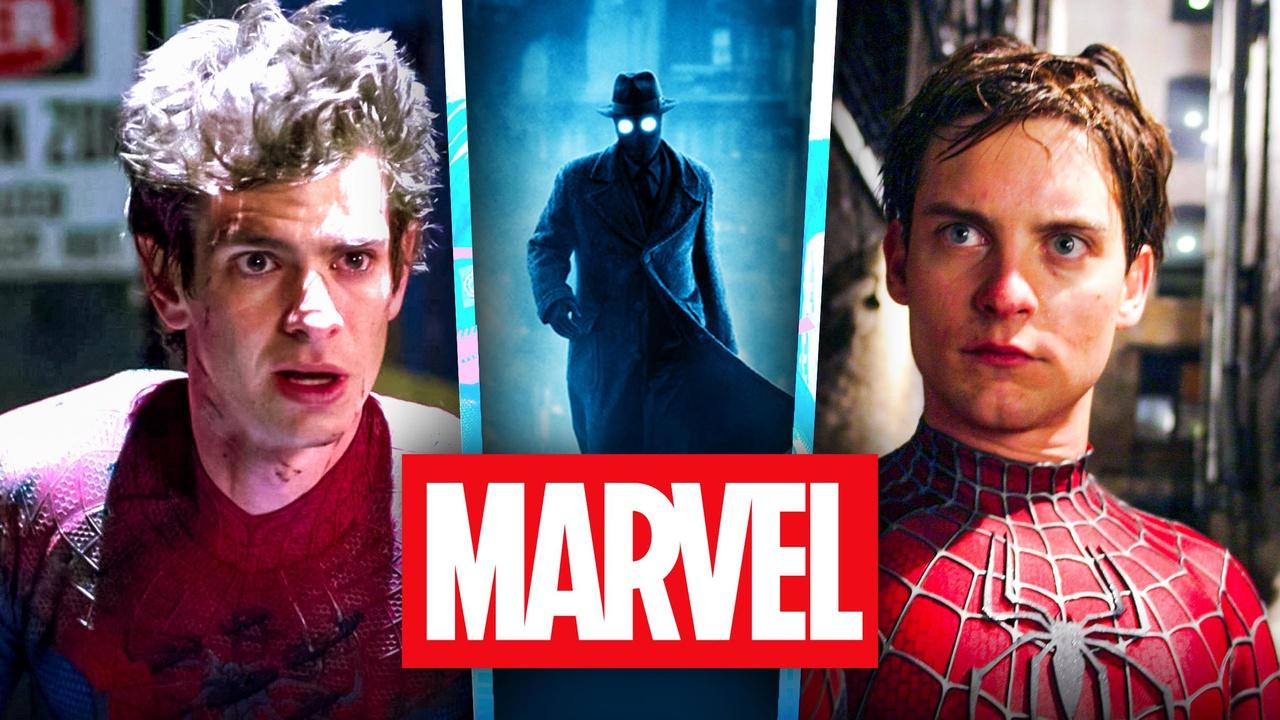
Nicolas Cage brings a grizzled Spider-Man to life in Spider-Noir, the upcoming Prime Video series set in 1930s New York. The debut trailer revealed Ben Reilly swinging through Depression-era streets, beating up mobsters in smoky bars, and getting plastered afterward.
However, one detail caught longtime Spider-Man fans’ attention: organic webbing. The trailer clearly shows webs erupting from Cage’s wrists rather than mechanical web-shooters. This marks the first live-action appearance of organic webbing since Spider-Man: No Way Home, when Tobey Maguire returned as Peter Parker.
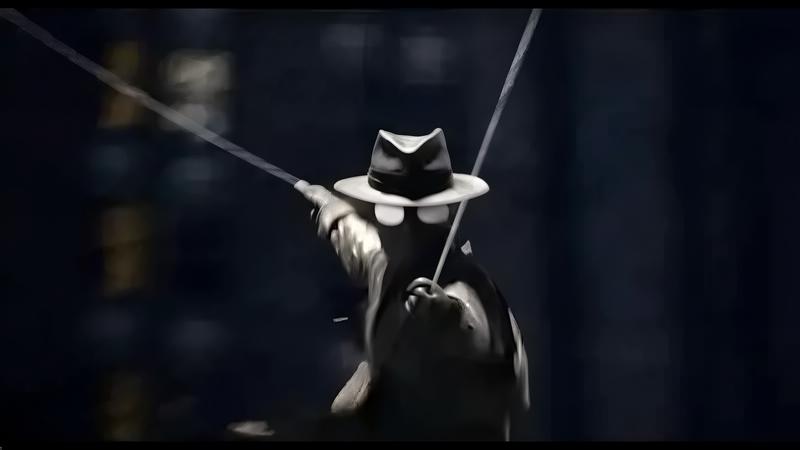
The Spider-Noir trailer, which revealed the show's release date as May 27, showcases Ben Reilly’s powers as the character breezes past multiple high-rise buildings in 1930s Manhattan. Multiple shots show organic webs shooting directly from his wrists during swings.
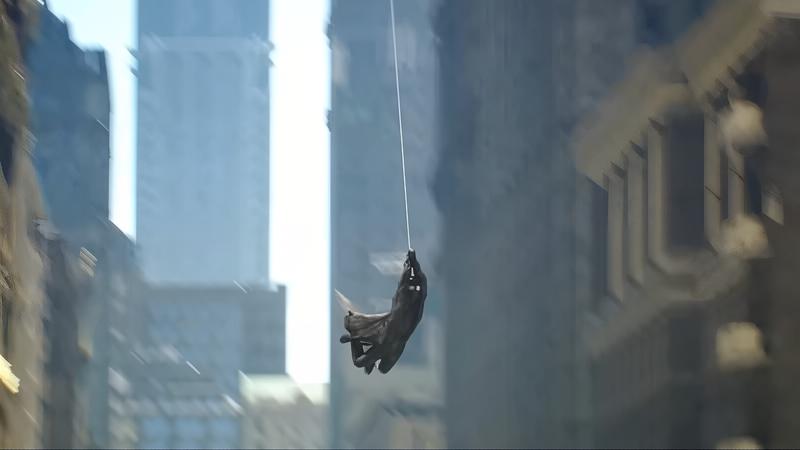
This biological approach to web-slinging differs fundamentally from mechanical web-shooters. Organic webbing flows naturally from the spider-person’s body as an intrinsic ability rather than technology strapped to their wrists.
The last time audiences saw organic webbing in live-action came in Spider-Man: No Way Home. Tobey Maguire reprised his role as Peter Parker from Sam Raimi’s trilogy, fighting alongside Tom Holland and Andrew Garfield against multiversal villains.
Raimi’s films established organic webbing as Maguire’s defining trait. His spider bite genetically altered his body to produce webs, spinnerets emerging from his wrists. This biological mutation meant Peter never needed to invent web-shooters or worry about running out of web fluid.
Organic & Mechanical Webbing Have Long Been Debated by Fans
The organic versus mechanical web debate divided Spider-Man fans for decades. Each approach carries distinct storytelling implications. Comic book Spider-Man uses mechanical web-shooters designed by teenage genius Peter Parker.
These devices demonstrate his scientific brilliance while creating natural dramatic tension. Peter runs out of web fluid during crucial battles, forcing improvisation. His web-shooters malfunction at inconvenient moments. The technology represents both his greatest strength and potential weakness.
Organic webbing eliminates these concerns entirely. The webs are generated biologically, available whenever needed. No maintenance required, no refills necessary. The approach emphasizes Spider-Man’s connection to his spider abilities rather than his technological prowess.
Director Sam Raimi chose organic webbing for his trilogy because he felt audiences wouldn’t believe a teenager could invent that technology. Additionally, organic webs streamlined storytelling by removing the need to explain web-shooter mechanics.
Andrew Garfield’s Amazing Spider-Man films brought mechanical web-shooters to live-action, following the comic book canon more closely than Raimi’s interpretation. Tom Holland’s MCU Spider-Man also adapted mechanical web-shooters, emphasizing Peter’s genius-level intellect.
Why Spider-Noir Uses Organic Webbing
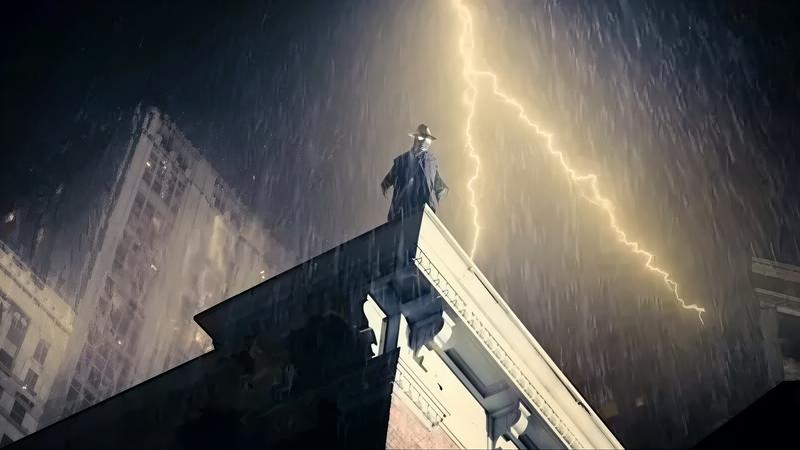
Spider-Noir’s organic webbing makes perfect sense for the character and setting. Ben Reilly operates in 1930s New York as a Depression-era private investigator and occasional vigilante.
The noir aesthetic emphasizes gritty naturalism over technological sophistication. A hard-boiled detective creating advanced mechanical devices in 1934 would feel anachronistic. Biological abilities suit the period better than sophisticated tech.
Additionally, the original Spider-Man Noir comics featured organic webbing. The series, created by David Hine, Fabrice Sapolsky, Carmine Di Giandomenico, and Marko Djurdjević in 2009, showed Peter Parker’s spider bite granting biological web production alongside enhanced strength and agility.
The Prime Video series adapts this accurately. Ben Reilly (not Peter Parker in this version) received his powers from a mystical spider bite years before the show begins. That bite fundamentally altered his biology, making organic webbing natural rather than technological.
The trailer shows these webs erupting during combat and pursuit sequences. Their organic nature reinforces the horror and body-horror undertones present in noir storytelling.


Geraldo Amartey is a writer at The Direct. He joined the team in 2025, bringing with him four years of experience covering entertainment news, pop culture, and fan-favorite franchises for sites like YEN, Briefly and Tuko.