The curtain is rising on the third distinct era of Disney's Star Wars saga, marking a pivotal shift in how the franchise will unfold throughout 2026. Since taking the reins in 2012, the House of Mouse has navigated a complex evolution of the iconic sci-fi franchise. This latest pivot arrives at a critical moment, leaving many to wonder if this new direction will recapture the magic for a fandom that has become increasingly disgruntled.
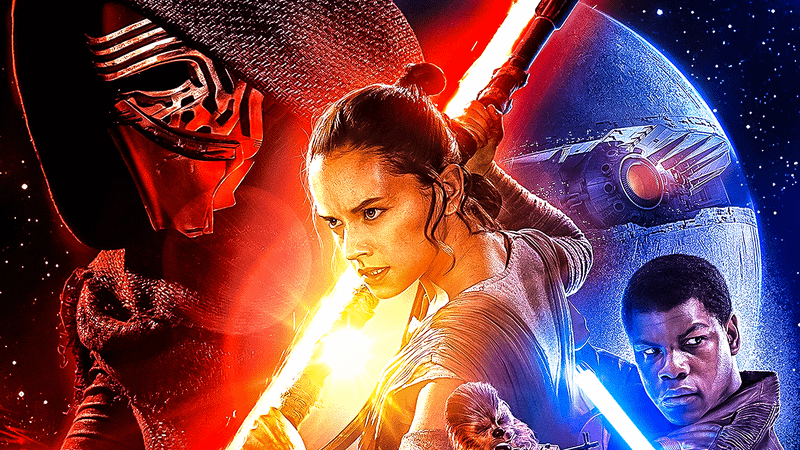
Disney is making some fundamental changes to its Star Wars strategy, now entering its third phase since acquiring Lucasfilm. When the major media company first bought the rights to Star Wars, the plan was simple: make more films. At the time, this mainly meant more episodes of the Skywalker Saga, leading to the releases of The Force Awakens (2015), The Last Jedi (2017), and The Rise of Skywalker (2019). This was also accompanied by spin-off "A Star Wars Story" films like Solo and Rogue One.
Regardless of the reception of the sequel trilogy, this was a simple, pre-streaming formula that yielded record-breaking box office results. The Force Awakens remains the highest-earning film ever (domestically) with $936.6 million, a number that seems light-years away over a decade later.
The second phase began with The Mandalorian on Disney+ in late 2019, so this era did overlap with Phase 1 a bit. Phase 2 was defined by Disney+, which abandoned theatrical releases and made Star Wars a streaming brand.
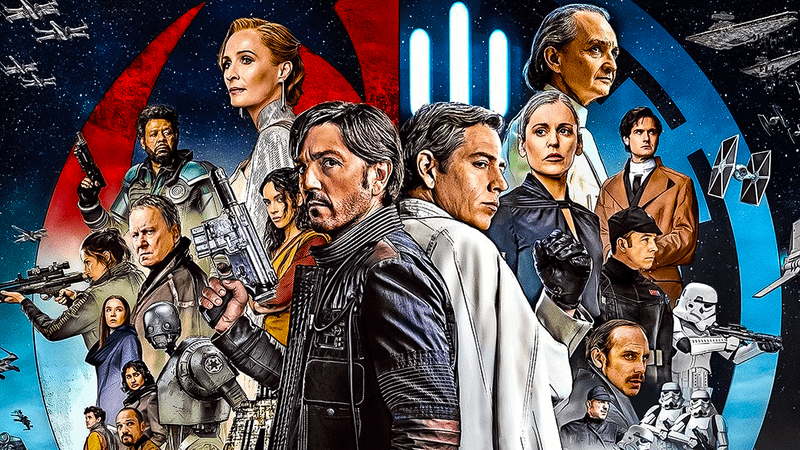
To date, Disney has released 10 seasons of live-action Star Wars TV, some of which have proven to be of much higher quality than others. The Rogue One spin-off, Andor, is one of the greatest products Star Wars has ever produced, most fans agree, whereas series like The Acolyte or The Book of Boba Fett worsened the value of the entire brand.
Unlike Marvel Studios, this shift in storytelling completely removed Star Wars from theaters, becoming a pillar of Disney's streaming model. Most fans are low on this phase of Star Wars, not only missing theaters but also an oversaturation of TV content.
It's most prominent in stories that could have been saved for film, like the Obi-Wan Kenobi series, which wasn't well-liked and could have saved Obi-Wan and Darth Vader's second duel for the big screen. In many ways, the next phase seems to be a direct reaction to these seven years of streaming.
The latest shift at Lucasfilm, helmed by Dave Filoni and Lynwen Brennan, is putting Star Wars back in theaters. Not only is Disney producing films, but it's officially scaling back its TV output, a move first reported in 2024.
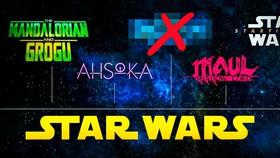
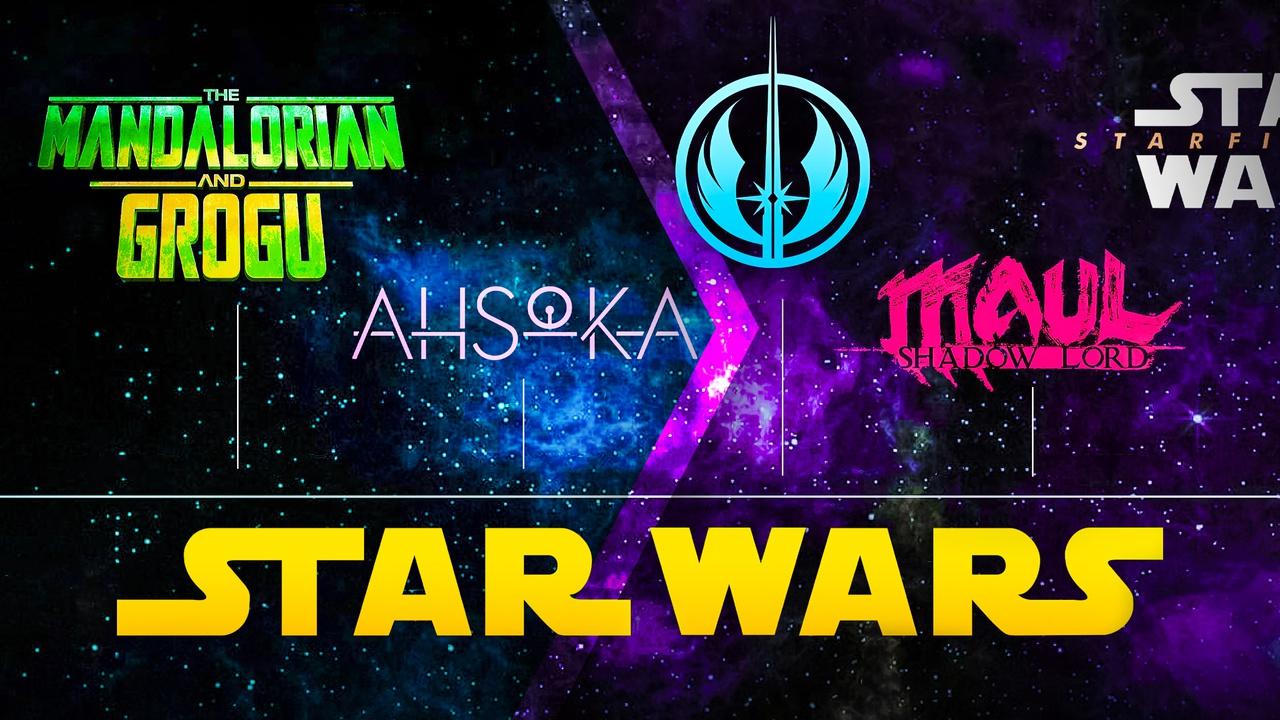
This has been made clear by the 2026 slate, with The Mandalorian and Grogu replacing a potential Season 4 of The Mandalorian and Ahsoka Season 2 as the only live-action series releasing this year.
The blueprint for Phase 3's future is already split and seemingly changing once again. Recently, under Kathleen Kennedy, Lucasfilm favored an approach in which creatives, such as writers and directors, pitched their own unique takes on what a Star Wars film could be. This led to projects like the still-in-development Taika Waititi film and Shawn Levy’s Star Wars: Starfighter, which is slated for release on May 28, 2027.
However, a new report indicated that Filoni, who has now assumed creative responsibility for the franchise, could instead decide for himself "what stories he wants to see happen, and then meet with filmmakers to execute them."
This would closely resemble the Marvel Studios formula: looking at the bigger picture and planning projects first, then finding directors to fill those slots. For example, in 2026, both Spider-Man: Brand New Day and Avengers: Doomsday were always destined to be made as sequels; it was simply a matter of who would be behind the camera.
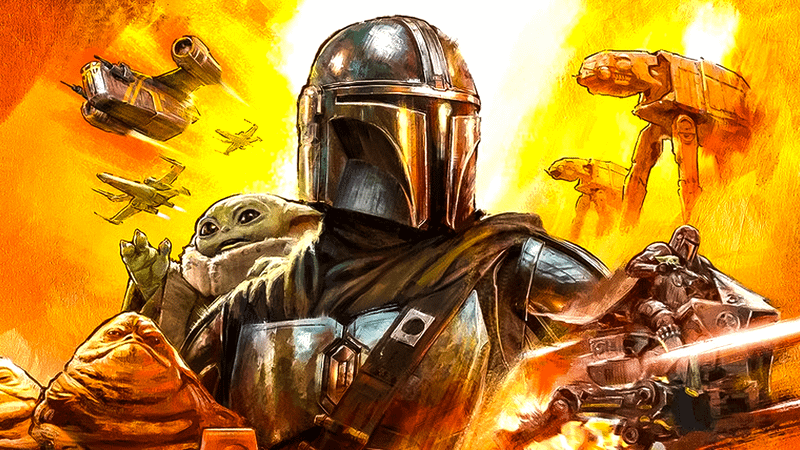
In Phase 3 of Disney's Star Wars era, this strategy will be put to the test. The proof will be in the pudding regarding which movies actually make it into production. Thus far in Phase 3, only two have progressed that far: The Mandalorian & Grogu and Starfighter.
Daisy Ridley's return in the untitled movie, directed by Sharmeen Obaid-Chinoy, seems likely to be the next or possibly the first film in Simon Kinberg's planned trilogy. It is up to Filoni to make these critical decisions, which will ultimately determine the future success of this 49-year-old franchise.
Will Star Wars Bounce Back?
There is immense pressure resting on the shoulders of The Mandalorian & Grogu, as it marks the first time a Star Wars film has graced the silver screen in over six and a half years.
The franchise's box office dominance is no longer the "bulletproof" guarantee it once was; in fact, the last time Disney opted for a summer release window rather than the traditional December slot, the result was the financial disappointment of Solo.
This film also serves as a high-stakes experiment: can a spin-off following three seasons of streaming successfully transition into a global theatrical event?
While fans love these characters from their living rooms, it remains to be seen if that connection will translate into a rush for opening-weekend tickets (which needs to happen, given the huge cost).
Looking further ahead, 2027's Starfighter presents an even more intriguing case study. Led by Ryan Gosling, this project introduces entirely new characters and a fresh premise that sounds like a winner on paper, but its lack of established legacy ties makes it a box office wild card.
The performance of these two films, paired with whatever Filoni charts next, will determine what Star Wars becomes in the late 2020s and early 2030s. With live-action TV seemingly moving to the back burner, the future of the small screen may increasingly belong to animated storytelling.