DC Studios' first DCU horror release is arriving in theaters in at least five different versions. The film premieres on October 23, and moviegoers will have the luxury of experiencing Matt Hagen's gory transformations across a range of formats. A horror film is designed to give its audience the creeps, set their skin crawling, and draw gasps of terror, and Clayface patrons can experience that full rollercoaster courtesy of what director James Watkins has packed into his body horror.
Clayface is the third movie in James Gunn's DCU, following Superman and Supergirl, the latter of which performed woefully at the box office. Warner Bros. Discovery, DC Studios' parent company, was recently acquired by David Ellison's Skydance, which means Gunn and Peter Safran, the DC Studios co-CEOs, need a win to please their new boss. Clayface is now positioned to be the film that restores confidence in the DCU, and DC is giving moviegoers every opportunity to see it in the best experience possible with an impressive range of formats.
All Five Ways DC Fans Can Watch Clayface
Clayface will play in a standard format across the widest number of screens, which remains the default way most moviegoers will catch the film. This is the version closest to what Watkins and cinematographer Rob Hardy intended audiences to see. Movie formats have expanded greatly in this new age of cinema, and some come loaded with gimmicks that can prove overwhelming. Not everyone wants their seat vibrating and water squirted in their face while they watch a movie.

Some people simply want to relax and take in the film without distractions. If that sounds like you, the standard screening is the way to go. Standard formats sometimes come with different aspect ratios, which can slightly alter the viewing experience, but for Clayface, only a CinemaScope ratio of 2.35:1 has been reported, meaning the standard version should be relatively consistent across theaters.
Beyond standard showings, Clayface is confirmed for 4DX, one of the most intense formats on the market. 4DX turns a screening into something closer to a theme park ride, with theater seats that pitch and rumble in sync with the action while wind, fog, water, and scent effects fire off inside the auditorium. For a movie like this, the format is likely to lean into the horror.
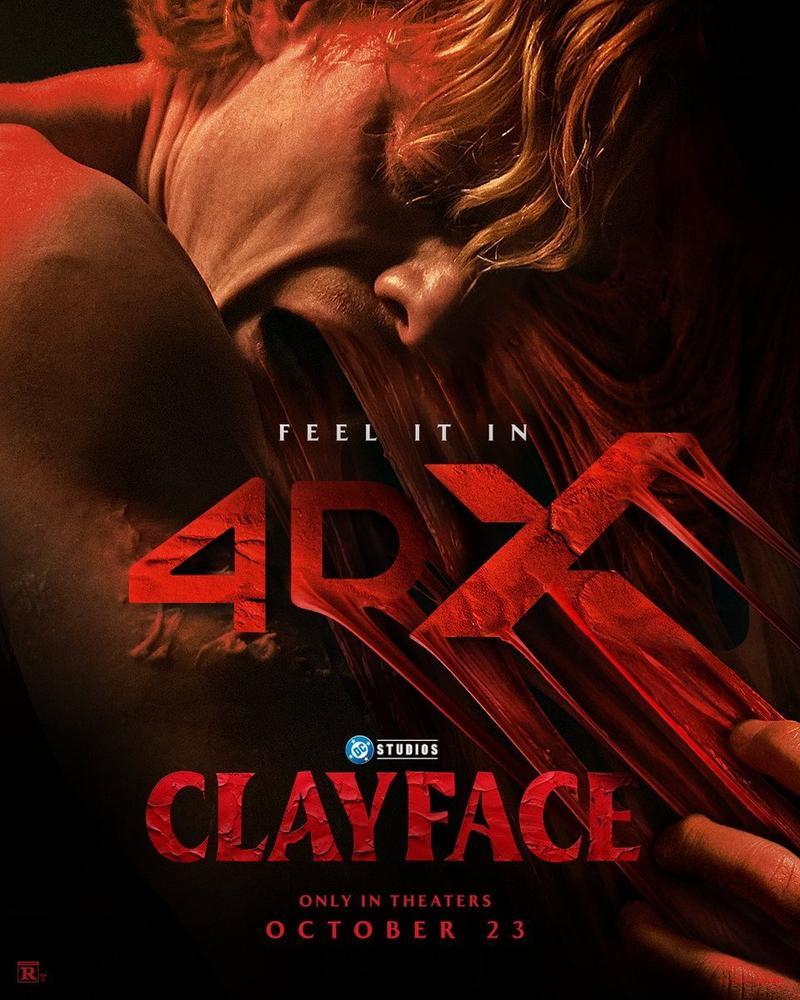
Slow, unsettling seat movements could mimic Matt Hagen's body losing its shape, giving the audience a taste of what the character is experiencing. Water effects would likely be sprayed across the face and neck to replicate the sensation of wet clay on your own skin. A damp, earthy scent could similarly be pumped into the auditorium, nothing overwhelming, just enough to match the film's clay-centric horror.
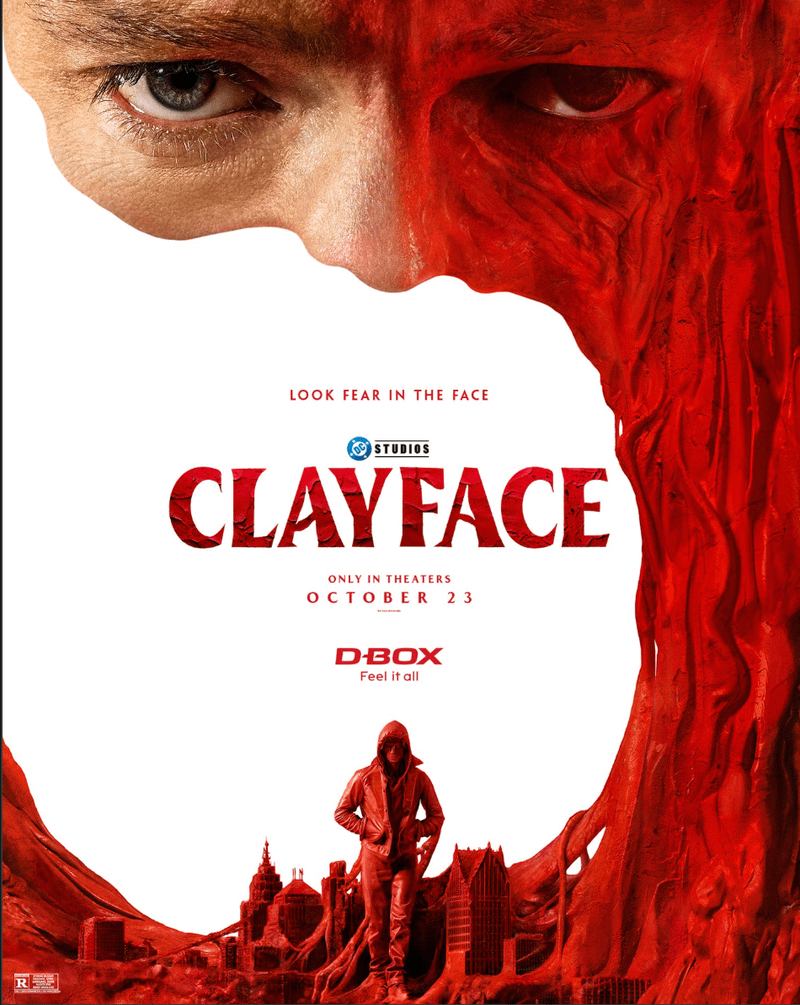
If 4DX sounds too intense, the film is also available in D-Box, a more restrained option. This format focuses entirely on motion-coded recliner seats that tilt, shake, and vibrate alongside what happens on screen, without the wind, water, and scent assault of 4DX. It is perfect for viewers who want to feel the movie without the full sensory barrage. Since Clayface leans as heavily on psychological dread as it does on the gory nature of Hagen's transformation, a subtler format could actually prove the better experience.
An immersive experience does not always require physical effects. Sometimes screen size alone does the job, which is why DC has also made Clayface available in ScreenX. The format projects the movie onto the main screen and both side walls of the auditorium, creating a 270-degree panoramic view during select sequences.
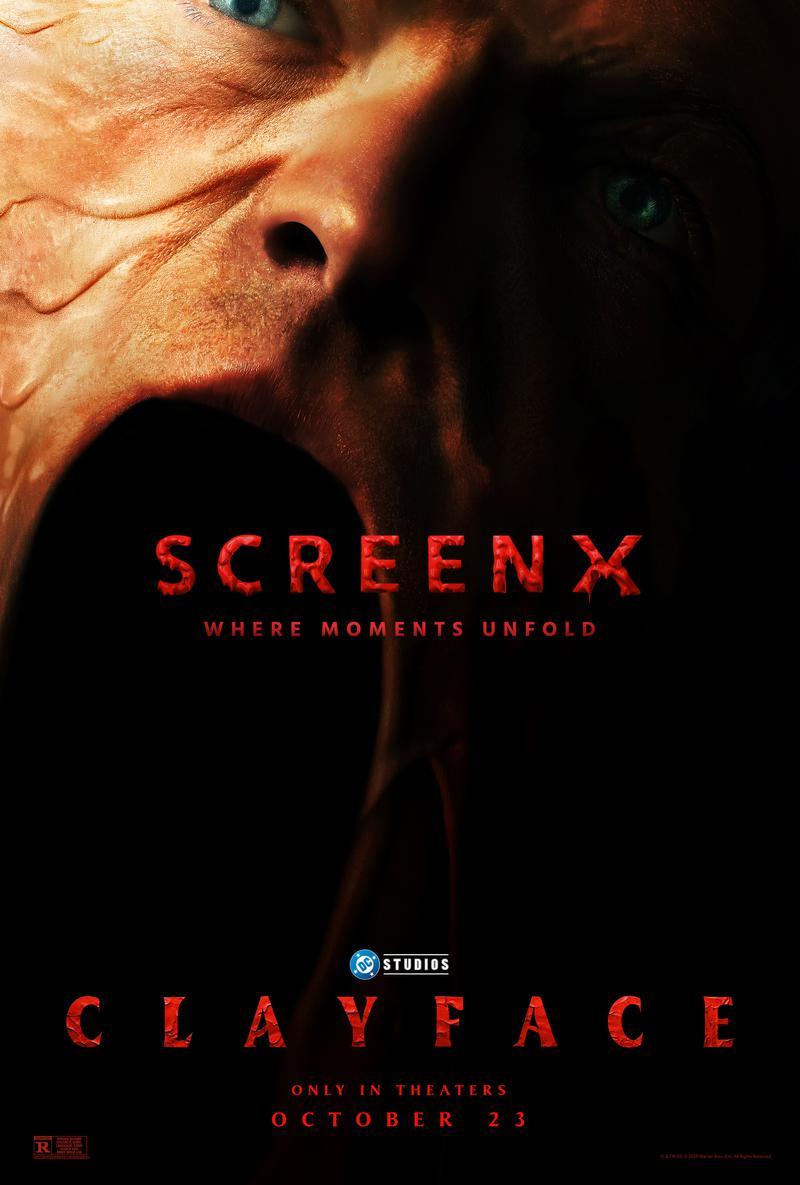
The film promises one of the most striking live-action depictions of Gotham yet, with Watkins describing a "doomy romantic" look built from sodium-orange light and 1970s New York street photography. ScreenX should offer a better view of the many Batman lore Easter eggs packed into the background, and the reactions of bystanders to Hagen's transformations will be much easier to catch on the wider canvas.
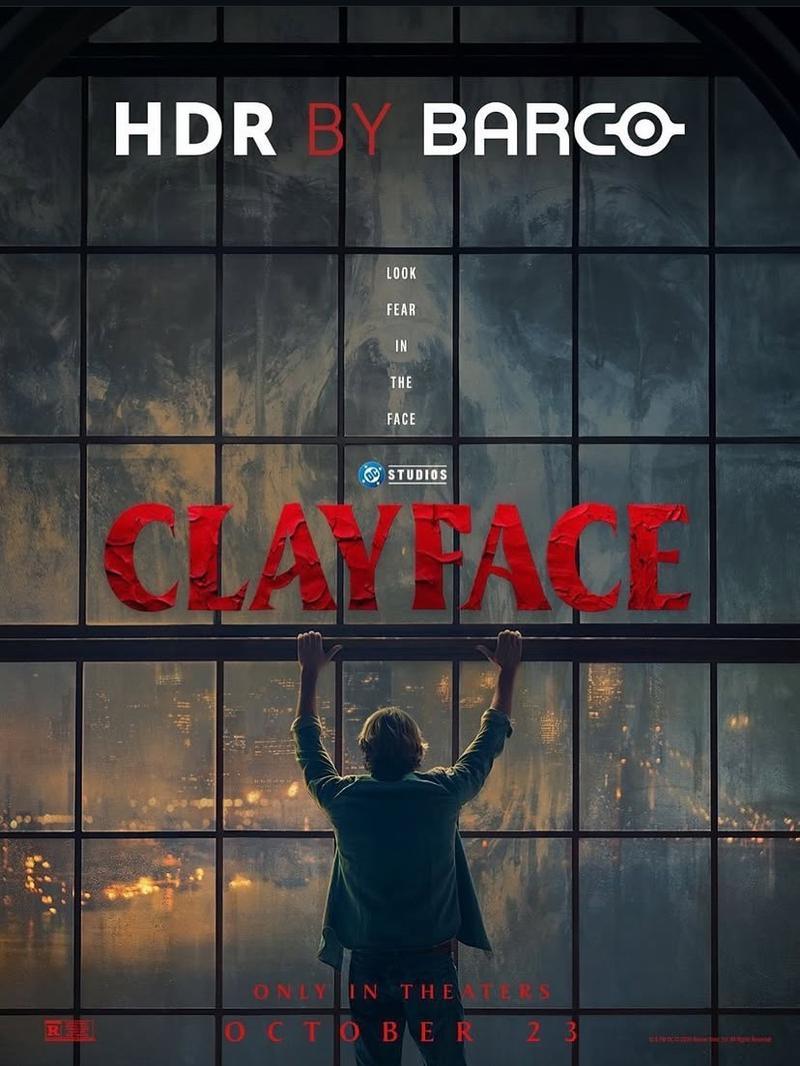
The fifth and newest format is HDR by Barco. The company's Lightsteering laser projection promises high-contrast images up to six times brighter than traditional projection, keeping detail visible in the movie's darkest shots. That is especially valuable for a horror title like Clayface, where shadow-heavy cinematography can lose its texture on weaker projectors.
Notably absent from the lineup is IMAX. Warner Bros. quietly removed the format's branding from the film's official production materials earlier this year, and Street Fighter, which was filmed specially for IMAX with over an hour of expanded-ratio footage, claims those screens when it premieres one week before Clayface arrives. DC fans will have to skip the most popular giant-screen format for this one. Still, the five available options should be more than enough to give ticket buyers an immersive experience.



Geraldo Amartey is a writer at The Direct. He joined the team in 2025, bringing with him four years of experience covering entertainment news, pop culture, and fan-favorite franchises for sites like YEN, Briefly and Tuko.