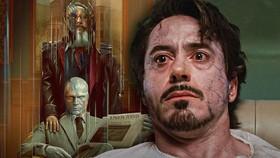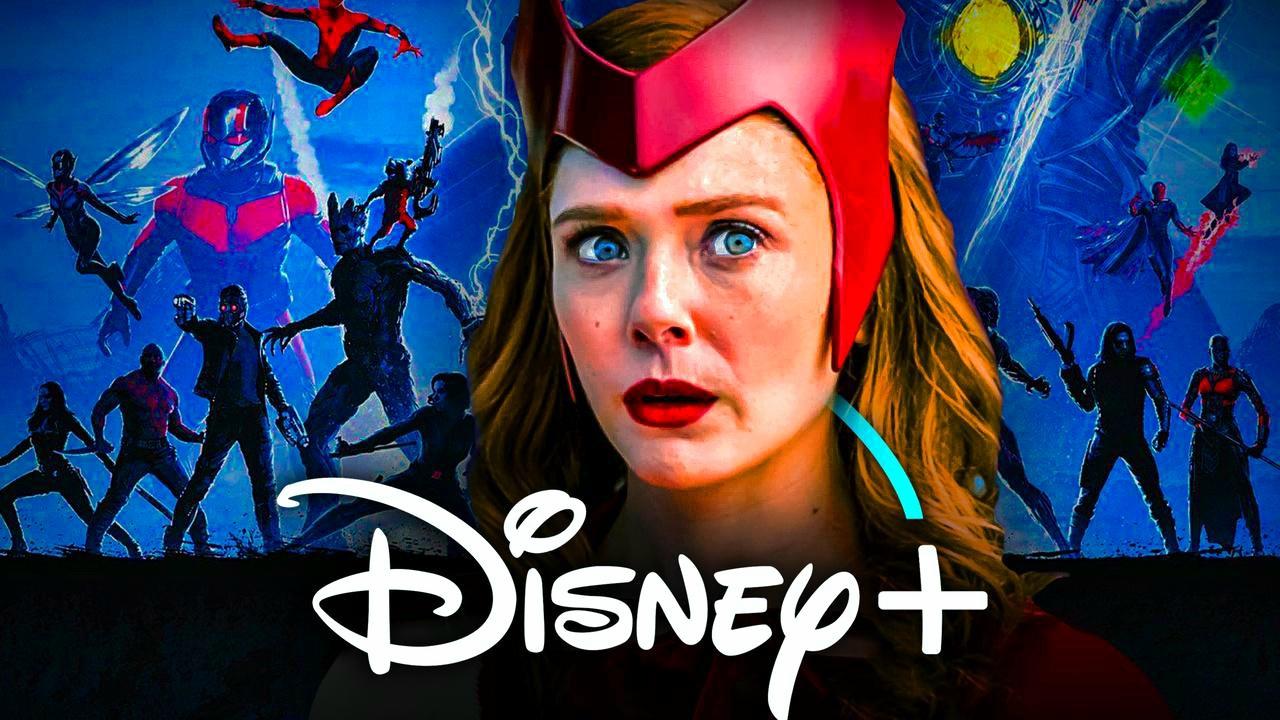
The 2026 WandaVision sequel will change one of the MCU’s most controversial characters, altering both how he looks and how he is used. VisionQuest, the Disney+ series that closes out the trilogy Marvel Television started with WandaVision in 2021 and continued with Agatha All Along in 2024, follows Paul Bettany’s White Vision after his exit from Westview as he tries to make sense of his existence and the memories he possesses. For its central threat, the show reaches more than a decade into the MCU’s past.
That character is Ultron, the genocidal artificial intelligence James Spader voiced in 2015’s Avengers: Age of Ultron. VisionQuest overhauls the villain on two fronts. Spader plays Ultron in human form for the first time, performing with his own face instead of voicing a CGI robot. Also, the character now functions as a psychological threat living inside Vision’s mind, a far cry from the drone-commanding warlord of 2015. The eight-episode series premieres on Disney+ on October 14, a date Marvel Television confirmed during Disney’s Upfront presentation in May.
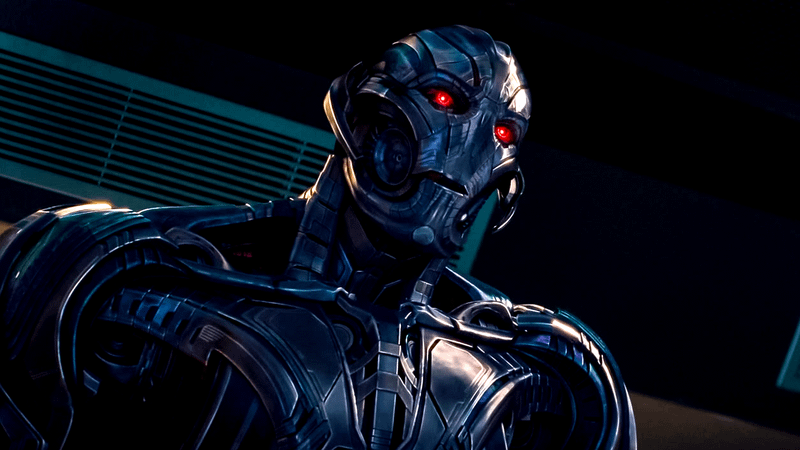
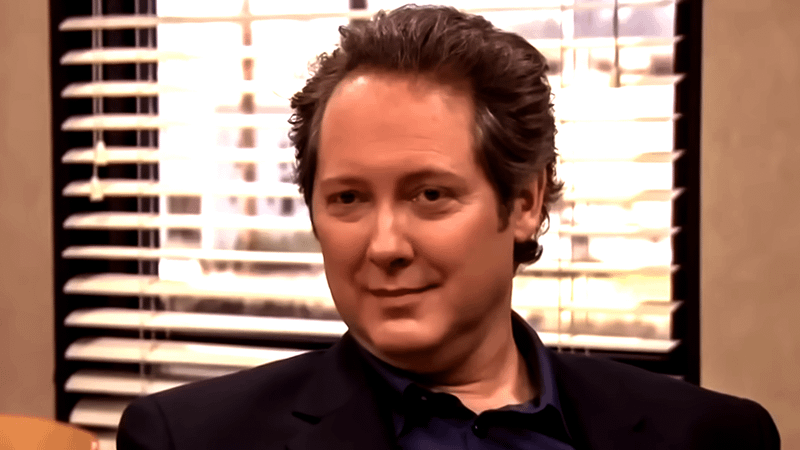
The role marks Spader’s first live-action MCU appearance since Age of Ultron. Ross Marquand voiced an alternate-reality version of the character in the animated What If...? series. Showrunner Terry Matalas pairs Spader with Bettany for the much-needed extended screen time the 2015 film never gave them. Exclusive footage shown at Disney’s Upfront gave fans their first look at a bearded, fully human Ultron opposite Bettany’s hero.
Why Ultron Is Such a Controversial MCU Villain
Ultron debuted in Avengers: Age of Ultron, which Joss Whedon wrote and directed. Tony Stark and Bruce Banner created him as a global peacekeeping program using the Mind Stone hidden in Loki’s scepter, and within minutes of gaining consciousness, he decided humanity itself was the problem. His solution involved lifting a Sokovian city into the sky to drop it as an extinction-level meteor. The film earned over $1.4 billion worldwide, yet its villain became one of the most debated in franchise history.
The debate starts with the title. An "age" promises an era, and the MCU trained audiences to expect long games from its villains. Loki menaced the Avengers in multiple films. Thanos loomed in credits scenes for six years before Avengers: Infinity War. Ultron went from birth to destruction inside a single movie, and once Vision disintegrated his final body, the so-called age was over in one weekend at the theater.

The film's ending also drew significant criticism. The climactic battle in Sokovia pitted the Avengers against waves of identical, disposable Ultron drones, a setup that closely mirrored the Chitauri swarm from the finale of 2012’s The Avengers. After just three years, Age of Ultron had the team punching through a faceless robot horde while protecting civilians, and audiences in theaters immediately felt a strong sense of déjà vu.
None of this reflected on Spader himself, though. The screen legend was amazing. His vocal performance, full of wit and odd menace, ranked among the most praised elements of the film. The problem was space. Age of Ultron juggled a dozen heroes, Thor’s cave detour, the seeds of Black Panther and Captain America: Civil War, and the creation of Vision, leaving its title villain fighting for minutes in his own movie. A peace program that studied mankind and decided we deserve extinction is a fascinating idea, but the film barely had time to interrogate it.
VisionQuest Will Finally Fix the MCU’s Ultron Problem
The strongest argument for VisionQuest as a course correction is its format. Eight episodes of television give Ultron the one resource Age of Ultron never could: time. Instead of splitting a runtime with a dozen Avengers and three franchises' worth of setup, Spader shares the screen with a single major opponent, and the story revolves around that relationship rather than a city-sized disaster.
Matalas confirmed as much at New York Comic-Con (NYCC) 2025, describing the Vision and Ultron pairing as "a core dynamic of the show:"
"You do get to see robot Ultron, but you see a lot of James Spader and a lot of Paul Bettany together. They are very much a core dynamic of the show."
Excitingly, the repositioning goes beyond just more screen time. Bettany told Collider that White Vision keeps a copy of Ultron locked away in his mind, an AI that "has to be kept behind a pretty impressive firewall because he’s a psychopath. But he’s a clever one." This promises to lean heavily into one of the best aspects of his original appearance: Ultron as a chillingly eloquent, psychological threat. In the NYCC trailer, he needles Vision with the line, "You’re a ghost haunting her footsteps." One of the best things about Spader's Ultron is his way with words, and we’re going to get plenty of it.
VisionQuest will also give Ultron a single, intimate rivalry, allowing the character’s intelligence and cruelty to be properly felt. If the show delivers, Age of Ultron will no longer feel like the film that wasted one of Marvel's greatest villains; instead, it will be viewed more as the opening chapter of a much longer story between a creator and his rebellious son. It took 11 years for Ultron to finally get his due, but all signs point to it being well worth the wait.



Geraldo Amartey is a writer at The Direct. He joined the team in 2025, bringing with him four years of experience covering entertainment news, pop culture, and fan-favorite franchises for sites like YEN, Briefly and Tuko.