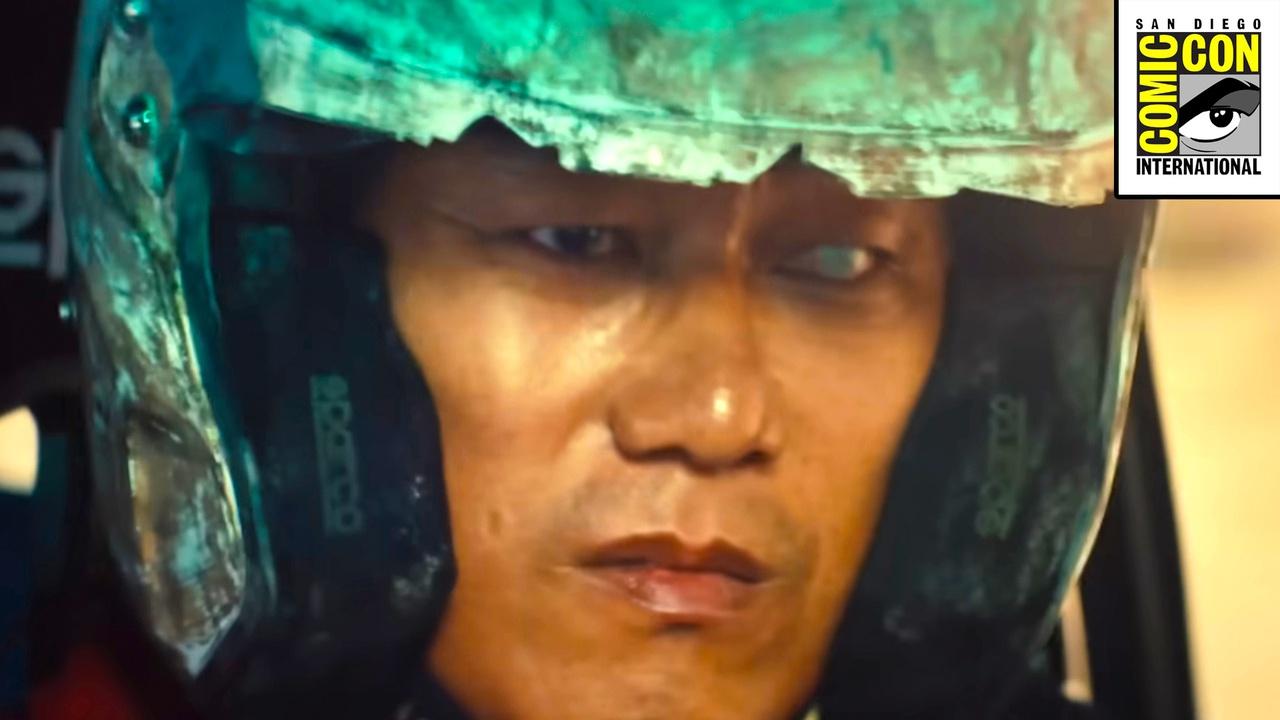
While Fast & Furious star Sung Kang may still be waiting to film the next installment in that iconic franchise, he is set to return to the world of fast cars with Drifter. But, according to the actor, the film's real heart has little to do with what happens behind the wheel.
Drifter, which premieres at TIFF on September 12, follows Lola as she finds a new sense of community and belonging within the world of competitive drifting. While the film delivers plenty of high-octane racing, Kang described the project as a "love letter" to the real-life drifting community that has supported him throughout his career.
At San Diego Comic-Con (SDCC) 2026, The Direct spoke exclusively with Kang and fellow Drifter cast members Tamara Braun, Grant Sullivan, McCaleb Burnett, Michael Nehring, and Gregory Cruz about what separates the film from other racing movies, the welcoming community behind drifting, and their own experiences with the sport.
For more SDCC coverage from The Direct, make sure to check out our conversation with the cast and director behind what will be 2026's stealth favorite film, Coyote vs. Acme.
Sung Kang Says Drifter's Story Works Without the Cars
"You Could Take the Cars and the Drifting Out of the Film"
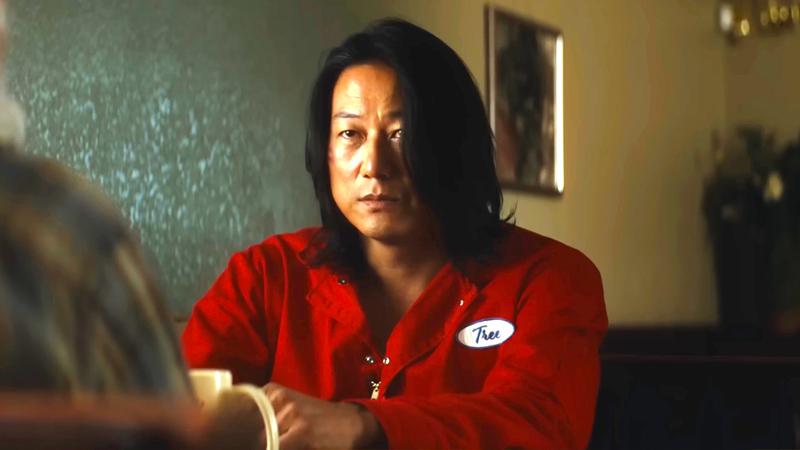
Given Sung Kang's history as Han in the Fast & Furious franchise, his involvement in another car-centric movie naturally invites comparisons. However, when The Direct asked what separates Drifter from other racing films, Kang explained that the movie's emotional story takes priority over its automotive spectacle.
- The Direct: "You're part of the Fast & Furious franchise. A lot of fans are going to be coming to this. How does this make it a different experience from those films, and what do you think is going to excite people about this versus some of the other racing films we've gotten?"
Sung Kang: This film is really an exploration and love letter to this amazing car community that has supported me over my career and throughout my life. You could take the cars and the drifting out of the film, and it really is this wonderful emotional journey with all the characters in the film.
Rather than larger-than-life heroes, Kang highlighted Drifter's focus on ordinary people in small-town America searching for somewhere they belong:
Kang: There are no characters with superpowers. We're not the cool, cool crowd. These are all people who just live in a small town in America, forgotten America. They're hungry, and they need something to belong to. They need a community to belong to, and because of a shared passion, they find each other. And with each other, anything is possible. Their dreams are fulfilled.
Tamara Braun: I think they do have superpowers, and that is their power to connect and love one another and be able to support.
Grant Sullivan: It's the underdog. I mean, really, it's the underdog, and it's the everyman, every person, whatever you want to say.
McCaleb Burnett jumped in to add that the film's racing sequences were captured practically rather than leaning on CGI:
McCaleb Burnett: Everything's CGI now, and there's absolutely no CGI in it. Everything's real. As Brian Scotto says, the 'honest angle.' Not only do you have amazing, amazing car scenes and footage and racing scenes, but the film has amazing emotional heart. It has the best of both."
Michael Nehring also emphasized how the cars ultimately serve the characters rather than the other way around:
Michael Nehring: I think it's deeply, deeply character-driven. Even the cars and the racing come out of the characters and are a reflection of the characters. It's the richness of the characters and their needs and their strivings and their yearnings that are really the center and the heart of the film.
Why Sung Kang Calls Drifting a 'Family Barbecue'
"As Long as You Share This Passion for Cars... You Are Welcome"
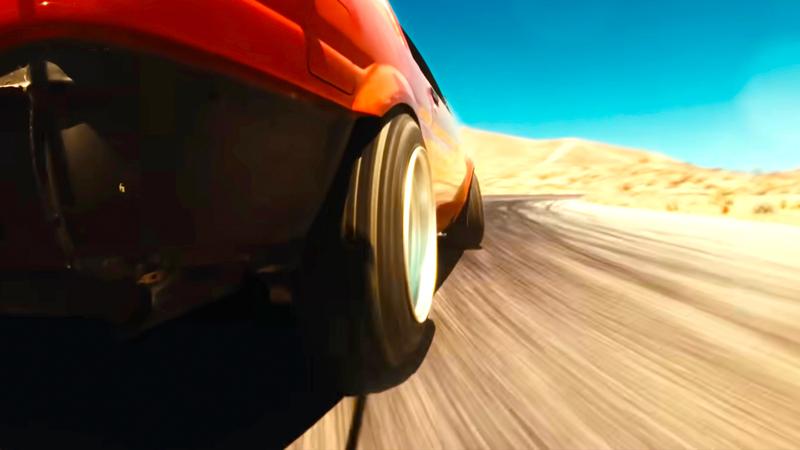
The community depicted in Drifter is rooted in one Sung Kang knows well in real life. When asked what makes the racing community so special, Kang first offered an important correction: for him, it's specifically the drifting community that stands out:
Sung Kang: I wouldn't really say it's the racing community. I would say, for me, it's the drifting community. If you've ever had the opportunity to go to an amateur drift event, it is like going to a family barbecue, because the sport is growing. We need each other, so we need as many people, and we welcome everybody."
According to Kang, differences that might divide people elsewhere quickly become irrelevant when everyone arrives with the same passion:
Kang: When you go to a drift event, your politics, your face, my color, our religion does not matter. As long as you share this passion for cars and you want to be part of this tribe, you are welcome. It literally is a family barbecue. The cars are cool. After an hour, you realize it's really the people behind that culture and the community that really draw me, and I think that resonates to so many people around the world, and that's why the sport is growing.
That welcoming environment also made an impression on cast members who weren't immersed in car culture before making Drifter. Tamara said the production introduced her to a community she "didn't really know anything about:"
Tamara Braun: I got to connect with this community... and realized that, wow, they embrace you whether you are part of it or not. You become part of it, which is also what I think this film does. You have to be able to read and connect and be able to open yourself up and be vulnerable to the person, which means you need to be able to connect to yourself.
Nehring had a similar transformation, saying the drifting community is "amazing and welcoming:"
Michael Nehring: I wasn't part of that community. I wasn't a car person. The drifting community, the car community, is amazing and welcoming. I say that with a big heart. 'Come on in, we want to teach you what we do.' They're wonderful.
For all the talk of cars, nearly every cast member The Direct spoke with eventually returned to the same word when describing Drifter: love. Tamara Braun said her character, Rosie, embodies that theme:
Braun: Rosie represents joy. She represents love, and she just gives. She's the best part of what all of us are, right? When we look inside ourselves, and we feel good, and we want to share that with each other, we want to spread that. She is joy.
Sullivan similarly described the film as being about people supporting one another:
Grant Sullivan: I think it's a film about people who love each other and people who fight for each other, and people who root for each other to win and do the best for themselves.
Burnett highlighted another element that stood out to him: the movie's focus on blue-collar characters:
McCaleb Burnett: What I like about it is it's a film that... taps into the blue-collar, working-class people. There's so much film, there's so much television, [that's] about wealthy people... This film is the complete opposite. It's about a lot of love and about community and about blue-collar people.
After seeing the finished film, Nehring re-emphasized the feeling of love:
Nehring: There's a lot of love in the script. I know that sounds corny, but when I saw the film Friday, that's the first thing that hit me—it's pouring love. Love of the culture, but also love of this found family for the characters.
Cruz pointed to the other side of that idea, teasing some of the conflict facing the film's characters:
Gregory Cruz: There are forces in the world that will latch onto you because of their own lack of love.
Drifter Sent a 73-Year-Old Michael Nehring Drifting at 2 a.m.
"What Just Happened to Me?"
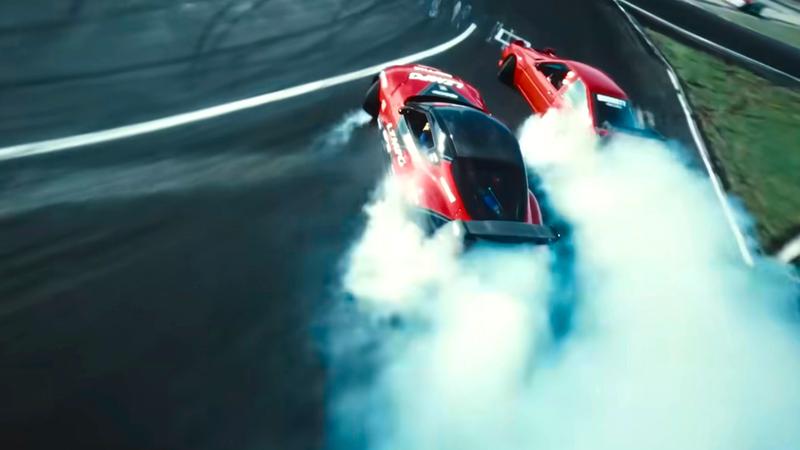
Michael Nehring didn't just observe the drifting world while making the movie—he experienced it firsthand. The actor was 73 years old when production put him inside a drifting car in the mountains in the middle of the night.
- The Direct: "Did you guys get to drift yourselves?"
Michael Nehring: Seriously life-changing. I mean, I was 73—I'm 74 now. I was 73 when we drifted at two in the morning through the mountains. I got home, and I lay down on the couch for about three hours, not sleeping, just staring up at the ceiling, going, 'What just happened to me?' When you're in that car, it's like watching a ballet. The drivers are so competent, and I trusted them instantly. I was never really scared. Maybe paralyzed, but not scared.
Sullivan wasn't able to do any actual drifting himself, but he still got his share of fun behind the wheel:
Grant Sullivan: Everybody asks me that question. I got to do none of that stuff except drive some fun cars on the off day. There were some open stretches of road. Let's just say it was fun. I had a kid, and his friends stopped me to take pictures of the car... It had not been out yet. I was like, 'Sure, guys, go ahead.'