Christopher Nolan has an epic plan for the release of The Odyssey across multiple theater formats, including IMAX 70mm. Behind a massive cast of A-list stars, Nolan is officially in theaters with a movie he has worked on for the better part of the last two decades. Known for a love of bringing his movies to theaters in different viewing formats, it is no surprise that he is going all out with his latest effort.
Christopher Nolan's The Odyssey is being presented in theaters in six different viewing formats. The most common format for viewing in theaters is 35MM, which is the industry standard for film reels.
But 35MM isn't the viewing format everyone is talking about for The Odyssey. That would be IMAX 70MM, and there is a good reason it's getting so much buzz.
For starters, The Odyssey is the first film ever to be entirely shot on an IMAX film camera. Typically, when you watch a film in an IMAX theater, only certain scenes of that film are shot with IMAX cameras, but the entirety of The Odyssey takes full advantage of the massive IMAX film format.
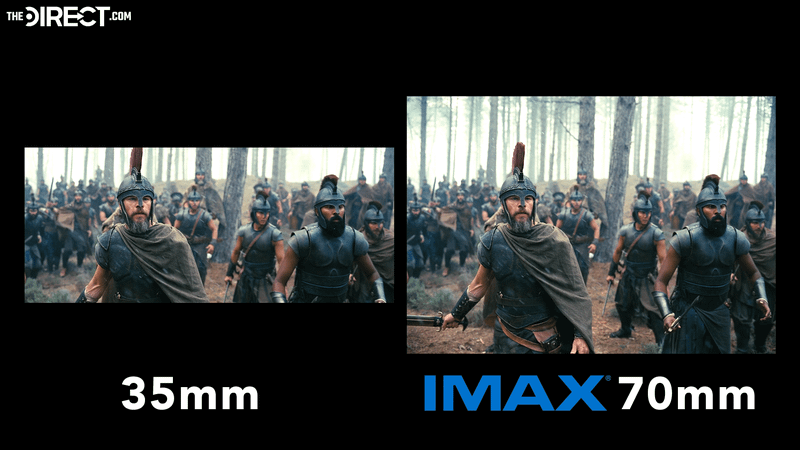
IMAX 70MM is also presented in a more square aspect ratio, compared to the standard rectangular 35MM. This means you are seeing the full shot Christopher Nolan intended with IMAX 70MM, making the format well worth the price (if you are able to find a ticket).
If you need more convincing, below we will outline all 6 of the viewing formats for The Odyssey, including a visual comparison between each of them so you can find which format you prefer the most.
Every Special Theater Format in Which The Odyssey Will Be Presented
35MM (Standard Theater Screen)
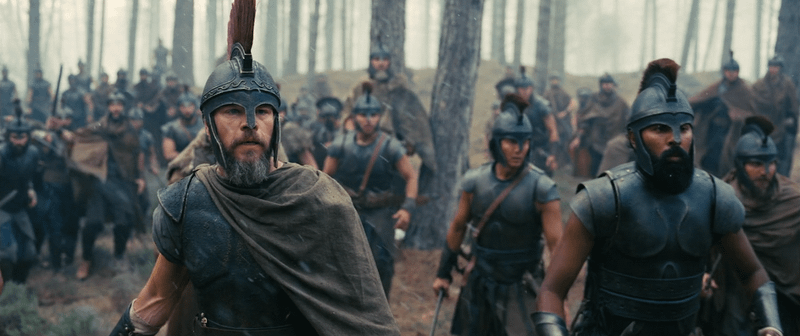
This format uses a 35-millimeter-wide strip of film that runs vertically through a camera or projector, taking advantage of a specific lens system, image aspect ratio, and sound format. 35mm was the standard for movie theaters around the world for over 100 years before most locations moved to using digital projection.
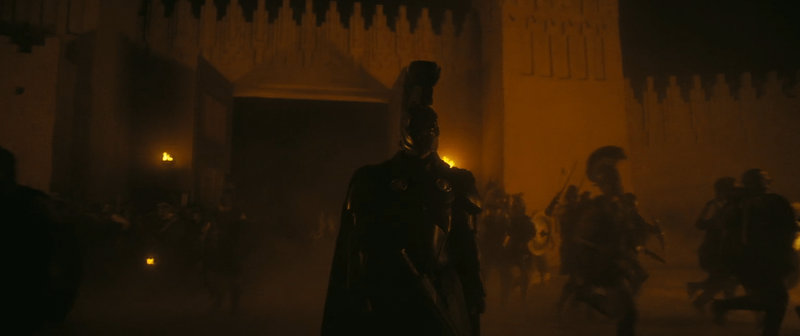
Nolan shot his new movie entirely on film with IMAX cameras rather than using more digitally based formats that have become common in this day and age.
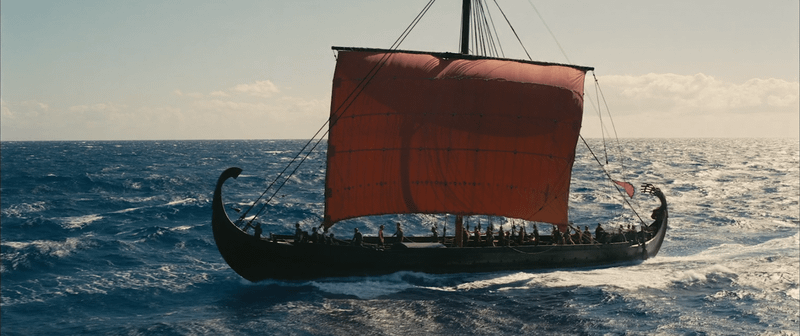
Antinous star Robert Pattinson spoke about the format in the video below, calling it "the classic film format with four perforations" and encouraging fans to use this format in theaters with "the lights low and a projector running behind you:"
IMAX 70MM
The biggest format in which fans can see The Odyssey is IMAX 70mm, regarded as the pinnacle of analog film projection. This format uses 70 mm physical film stock (twice as big as the usual 35MM) and a 15-perforation horizontal frame pull, which is nearly four times as many perforations as 35MM. There are also only 25 theater locations in the United States capable of delivering this format and 41 worldwide, making it even more of a premium.
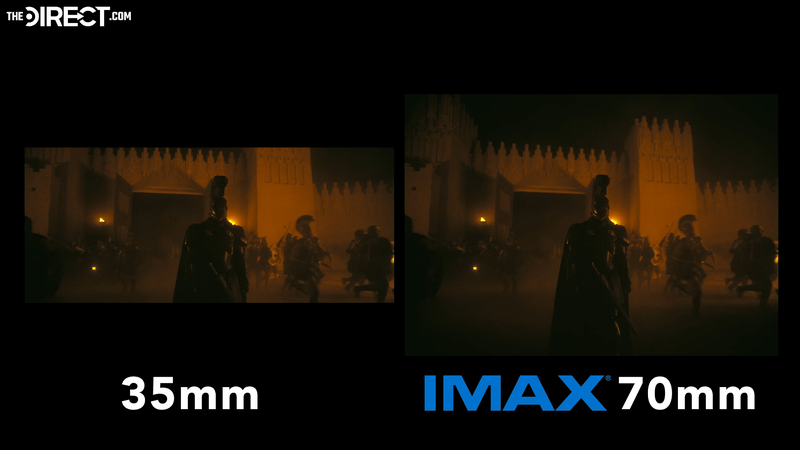
This helps deliver an astonishing 1.43:1 aspect ratio rather than the usual 3:2, and it uses the highest available cinema resolution. This offers a picture with nearly 10 times the clarity of a standard 35MM projector on the big screen.
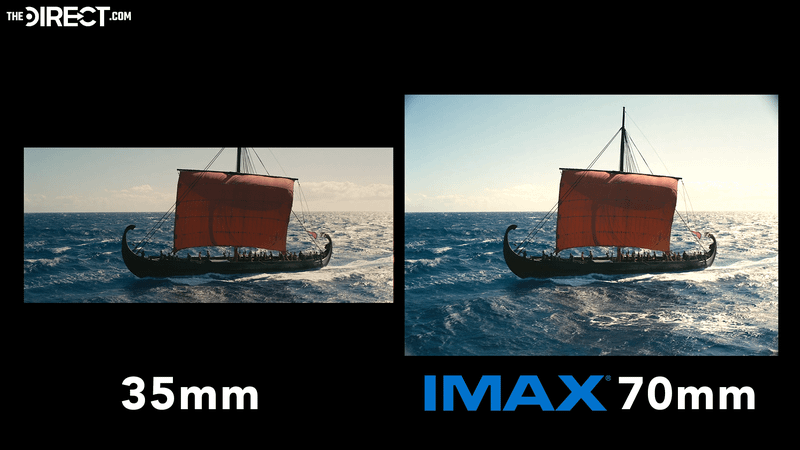
In the video below, Odysseus actor and Oscar-winner Matt Damon details how The Odyssey is the "first film to be completely shot with IMAX film cameras using new IMAX camera technology." He reconfirms that this is the largest format available for viewing and notes that "every frame was shot in IMAX," giving viewers the full impact of his journey from the Trojan War back to Ithaca.
IMAX
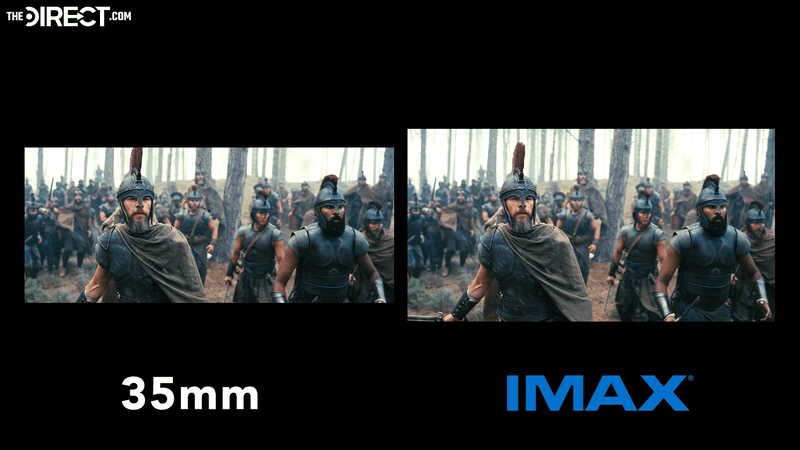
The next step down from IMAX 70mm is the standard IMAX format, which is still considered a premium viewing experience compared to the usual theater-going experience. IMAX uses a 1.90:1 aspect ratio rather than 1.43:1, meaning the picture will look more similar to what viewers see on most home TVs.
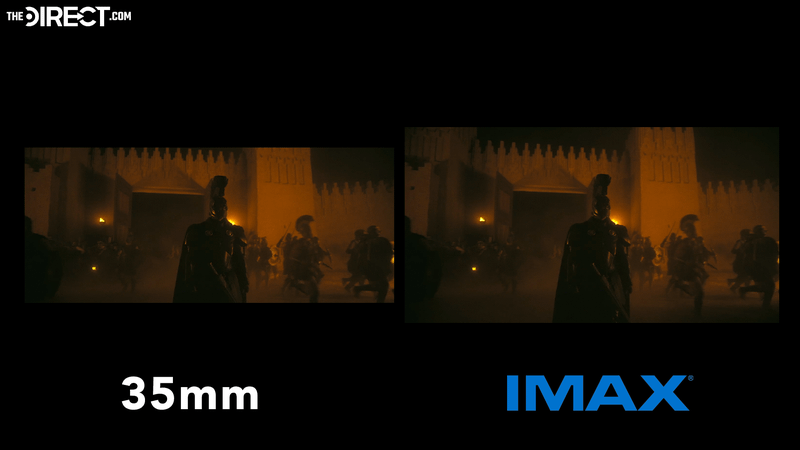
IMAX is more of a widescreen format than the IMAX 70MM format, slightly shortening the view from a vertical perspective. This means the characters and scenery will be more focused in the center of the image, with less of the extra background visible at the top and bottom of the screen.
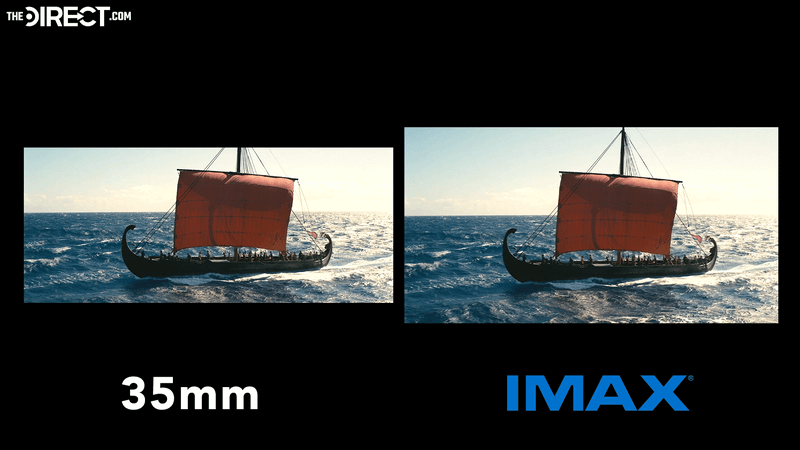
Penelope actress and Oscar-winner Anne Hathaway spoke about this format, discussing how the movie was "shot and designed to be experienced on the biggest screen possible," which IMAX delivers. These screens "[fill] your entire field of vision" and give viewers the most immersive experience they could ask for.
70MM
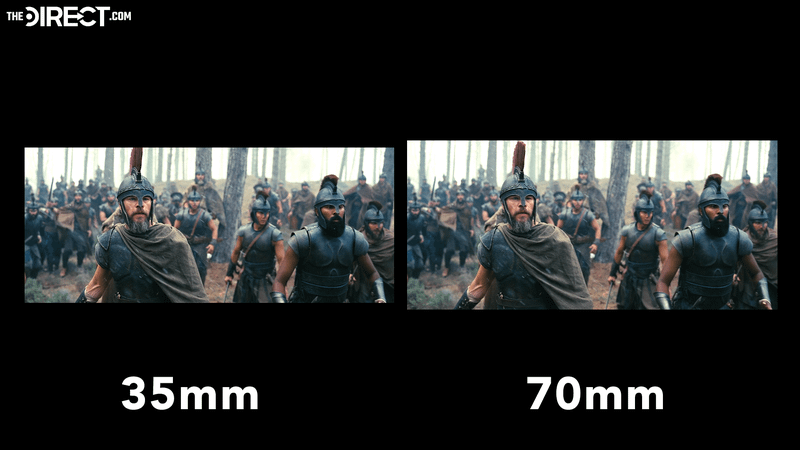
Moving away from IMAX, The Odyssey will also be shown in 70mm screens around the world. This version of the movie will give viewers a 2.20:1 aspect ratio rather than the typical 3:2 used on 35 mm screens.
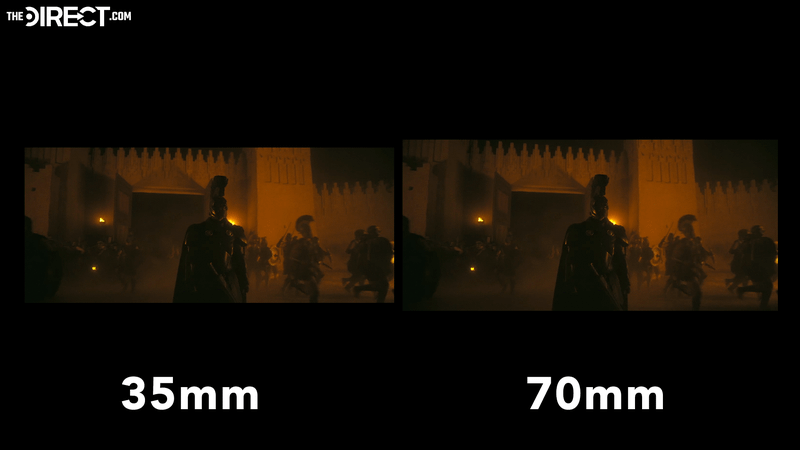
This makes the movie in question appear wider than the standard theater format, but narrower than the 16:9 aspect ratio seen on most TVs. It also uses a bright, clear image that is up to three times the resolution of standard digital projection formats, but it is not available in bigger IMAX theaters.
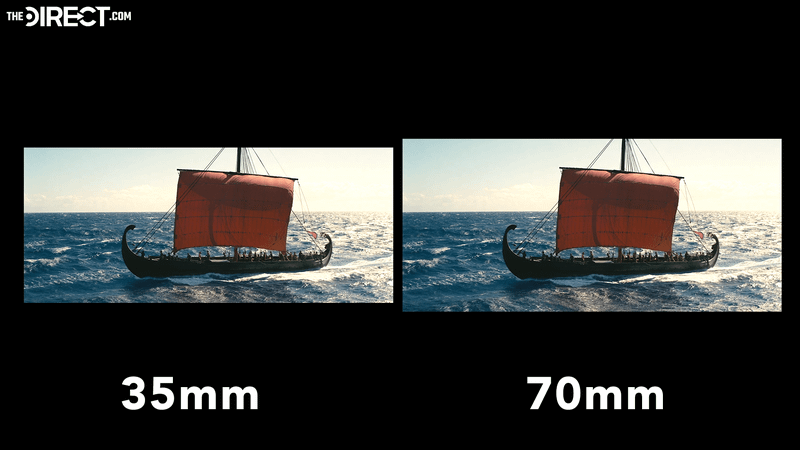
Helen of Troy actress Lupita Nyong'o explained the benefits of 70mm, noting that this film "has five perforations and runs vertically through the projector." Using 70mm film, fans can "experience this immersive and special cinematic format" that shows "a movie shot on film presented on film."
Dolby Vision
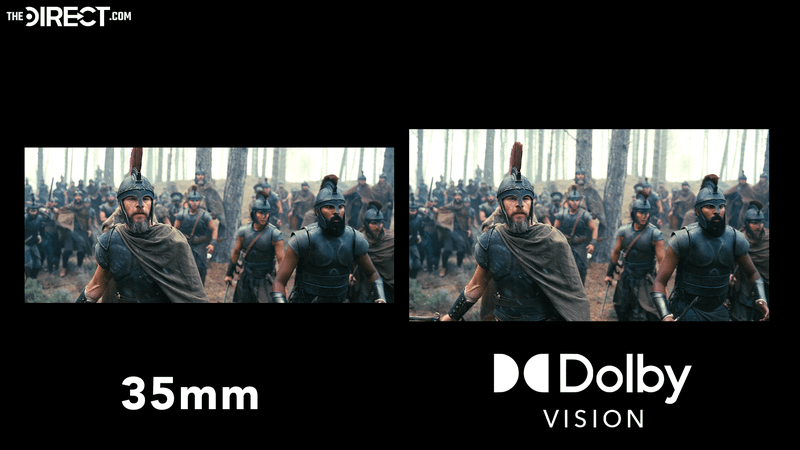
The next format on the list is Dolby Vision through Dolby Cinema, which has about 290 locations across 14 countries worldwide. This format offers a high dynamic range, allowing for brighter highlights, deeper blacks, and more visible details at both the high and low ends of the brightness scale.
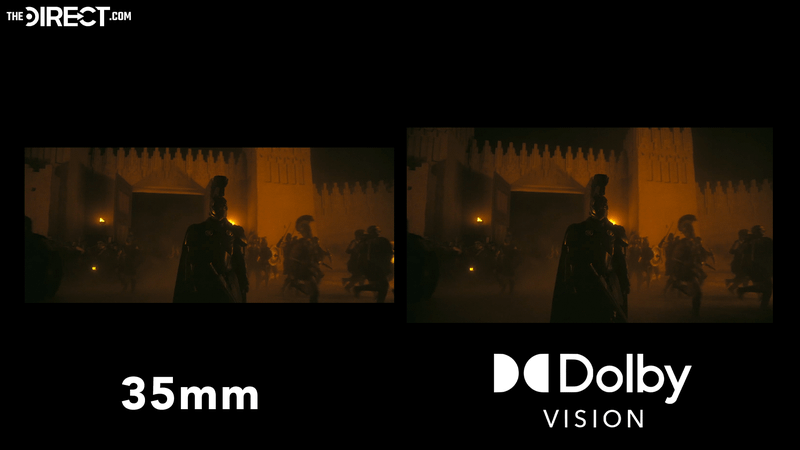
The dual-laser Dolby Vision projection system also has a contrast ratio of 1,000,000:1, delivering much deeper, darker blacks than in a typical theater. The film will be presented in either a 2.39:1 format (wider and shorter than a TV screen) or 1.85:1 (only slightly wider than the usual 16:9).
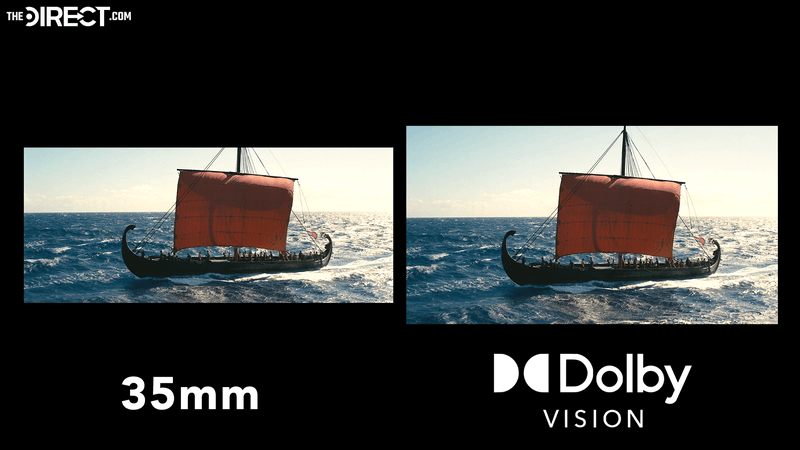
Zendaya, who will play Athena (the Goddess of Wisdom), described how the format's "dynamic range, brightness, and color" draws viewers into the story, providing what she calls a "vivid visual experience."
Premium Large Format
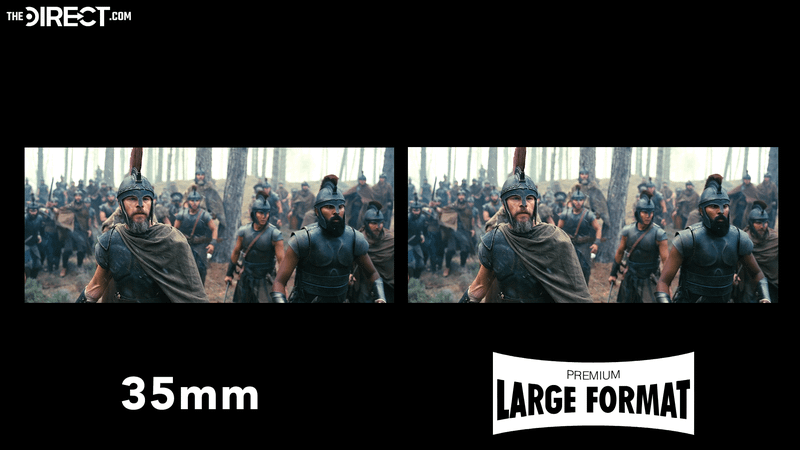
The final format for The Odyssey's theatrical run is the Premium Large Format, which is much more widely available in almost 8,000 locations. This format uses the same aspect ratios as Dolby Vision (1.85:1 or 2.39:1).
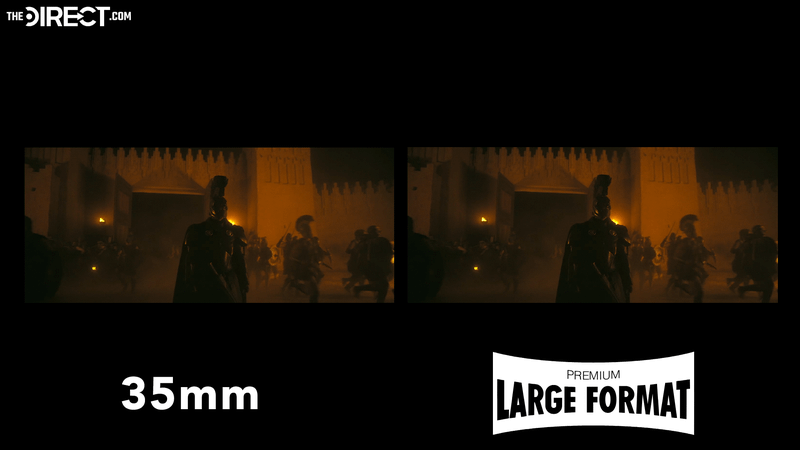
While Premium Large is only slightly larger than the standard 35mm format, certain theaters also offer screenings with 4DX or D-Box. These theaters come equipped with seats that move with the movie, spray water during scenes with bodies of water or rain, and pump out different scents to match what is happening on screen.
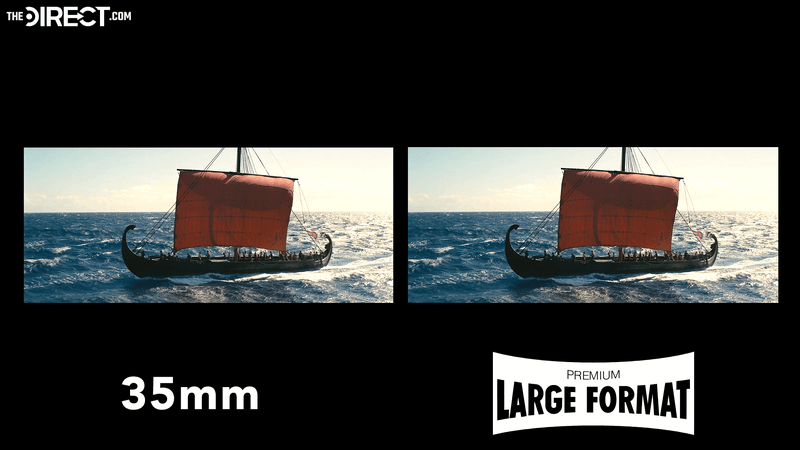
Telemachus actor Tom Holland (who returns to theaters later this month in Spider-Man: Brand New Day) spoke about this format and discussed the "wall-to-wall screens and superior projection technology" it uses. He also teases the excitement of 4DX and D-Box, setting it up for viewers who "want to feel the movie" while watching.


Richard Nebens joined The Direct in March 2020, now serving as the site's Senior Writer. He started his journalism career as a hobby in 2019 and is passionate about sharing news and stories from the entertainment industry, especially comic book movies, comedy, and sci-fi. Richard looks to expand his knowledge about movies and TV every day, and he is eager to stay locked into the latest releases and breaking news at every opportunity.