Project Hail Mary comes from the same mind behind the sci-fi hit The Martian, but despite their similar space settings, the two stories have some significant differences. Andy Weir, the author of both novels, and Drew Goddard, the writer of the film adaptation of The Martian, are reteaming for the screen adaptation of Project Hail Mary, which stars Ryan Gosling as an unexpected astronaut, Ryland Grace (his first big spacefaring adventure ahead of his Star Wars debut).
It's easy to see both The Martian and Project Hail Mary as similar, with unlikely heroes embarking on extraordinary solo journeys of survival and endurance through space. While it's true that both of Weir's novels are cut from the same cloth, and both films will have the same screenwriter, Weir and Goddard shared with Empire Magazine some of the major differences between their two sci-fi movies.
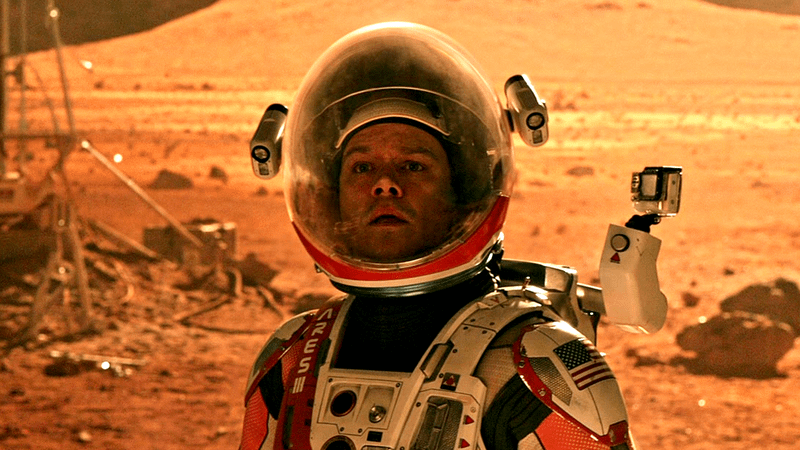
On the similarities, Goddard agreed both movies shared "profound humanism" and a "reverence for science." However, the writer added he felt Project Hail Mary is "more existential" than The Martian and tackles "bigger questions" about purpose and the meaning of life. Weir added that the stakes of the two films are profoundly different, with The Martian focusing on "Earth trying to save one man," while Project Hail Mary is the reverse, with "one man trying to save Earth:"
Drew Goddard: "They both have profound humanism. They both have a reverence for science. They both don't really have a villain, which is one thing I love about Andy's work - the antagonist is often just circumstance. I find that Hail Mary is a much more existential work, though. It feels like it's grappling with bigger questions: 'What does it mean to be alive? What is the purpose of life beyond the individual?'"
Weir: "The Martian was also about Earth trying to save one man. In Project Hail Mary, it's one man trying to save Earth. So the stakes are different, too."

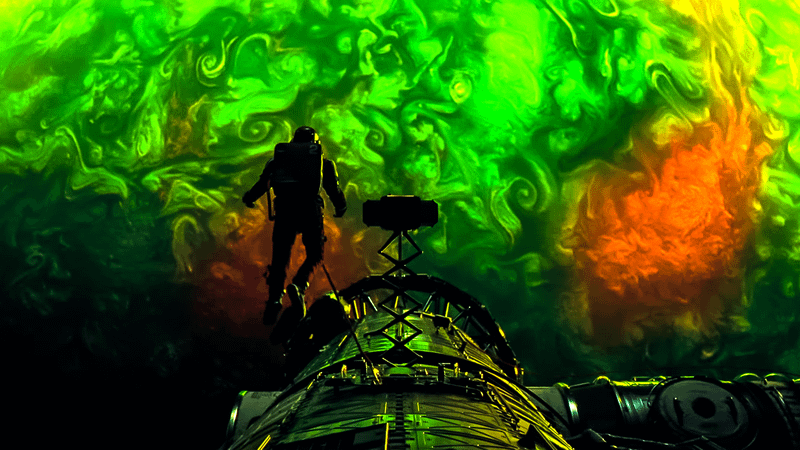
Thematics aren't the only differences between Weir's two space stories. The author and screenwriter also shared that the "visual possibilities" of the two films differ, thanks to the shift in Project Hail Mary to a new solar system. Weir added that directors Phil Lord and Chris Miller (who are best known for their work on the Spider-Verse films) were able to bring their signature "visual pizzazz" thanks to Project Hail Mary's "speculative" setting:
Goddard: "Well, The Martian was a story set within our own solar system. Whereas there's an element of the unknown here, because we're going beyond our own solar system. So they got to play with all the visual possibilities of that in really fun ways."
Weir: "Exactly. The Martian showed the natural beauty of what the solar system actually looks like. But because Project Hail Mary is all speculative, they got to bring all their visual pizzazz."
Goddard: "No-one else could have directed it. It needed their particular genius."
Project Hail Mary releases in theatres on March 20, 2026. Gosling stars in the film alongside Sandra Hüller, Ken Leung, Lionel Boyce, and Milana Vayntrub. The movie is just one of several major sci-fi releases set to come out before Avengers: Doomsday in 2026.
The Martian Set High Expectations For Project Hail Mary
When The Martian (directed by sci-fi pioneer Ridley Scott) was released in 2015, it was a genuine crowdpleaser, hitting big at the box office and even scoring a spot on the awards circuit. Now eyes are on Project Hail Mary to see if the dream writing team of Weir and Goddard can do it again.
Fans who've read Project Hail Mary will know how different The Martian is from Weir's newer novel. While the two stories share a similar spacefaring prospect and charismatic flair from their lead characters, Project Hail Mary's scope is so much larger, and Ryland's mission is so much bigger than just his survival, with all of Earth depending on him.
While The Martian set the bar high, Project Hail Mary looks poised to match, if not exceed, Weir's first adaptation. The combination of Ryan Gosling's casting, Lord and Miller's tone and visual style, and the story's exciting speculative setting has all the makings of a bona fide blockbuster, and could establish Weir's novels as page-to-screen gold.