The MCU has had its fair share of heroes who have been very self-absorbed and admire themselves a thud bit too much.
Marvel Studios' latest original Disney+ series is a very character-driven story, and despite all the wild circumstances packed into its eight binge-worthy episodes, the personalities of Wonder Man's two leads were what stood out the most. Simon Williams and Trevor Slattery meet under complicated circumstances, two individuals primarily looking out for themselves, but eventually become dependent on each other.
Both men carry enormous egos, but somewhere across those eight episodes, against all reasonable expectations, they become friends. Their bond gets so deep that they both sacrificed their own ambitions for each other. Slattery went to prison to protect Simon’s career, and Simon later risked everything by breaking into this prison facility to get Slattery out.
In an interview with My Houston Majic, Cretton shared the thought process that went into crafting the Wonder Man story, describing it as watching "two narcissists" attempt something they'd never done before:
"I think there is a beautiful simplicity that was an idea that Andrew and I talked about very early on in the process. Of having two characters who, for most of their lives, have been fairly self-centered. They’ve lived most of their life making choices around the orbit of one. And seeing them, over the course of this show, learn how to be a friend. And so the finale of this show is watching two narcissists make the first time in their life potentially make a real sacrifice for somebody else. And I find it very simple and beautiful and moving."
Cretton's description of Simon Williams as a narcissist means he joins a company of MCU heroes who have, at least at one point, also possessed this character flaw.
The MCU's Main Narcissistic Superheroes
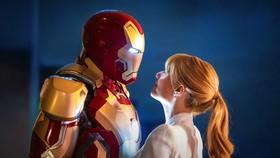
Tony Stark
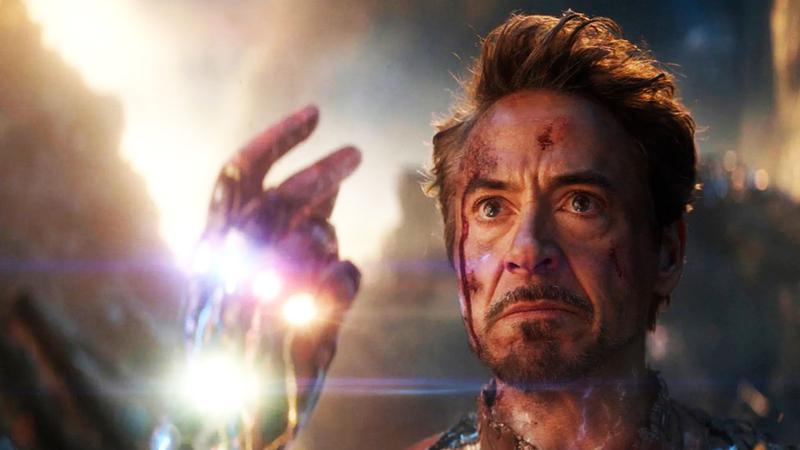
Tony Stark is the original MCU narcissist, the template against which every other self-absorbed hero in this franchise gets measured. In The Avengers, he describes himself as "a genius, billionaire, playboy, philanthropist." This sums up the grand view he has of himself.
At the start, Stark builds weapons for a living and barely thinks about what happens to them after they leave his hands. His arc across the Infinity Saga is essentially one long, grueling exercise in learning to think about other people. He gets there, eventually. But the reason his sacrifice in Avengers: Endgame hits as hard as it does is because a man who made everything about himself was eventually the one who saved the planet.
Doctor Strange
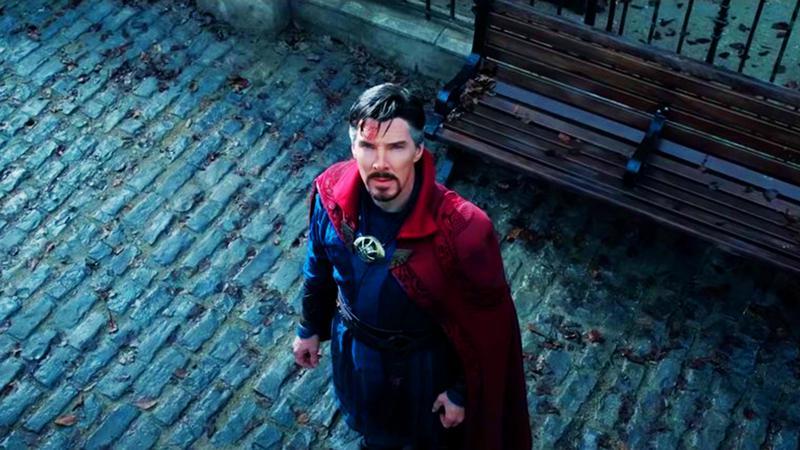
Stephen Strange, before the accident, is almost a parody of himself. A world-class neurosurgeon who keeps a mental file of every case he turns down, rejecting any that might leave a mark on his reputation. He takes only the cases he's certain to win. He runs every decision through the filter of how it reflects on him.
After losing the use of his hands, he burns through his fortune chasing a cure, treating everyone around him as a means to an end. He eventually finds Kamar-Taj and, to his credit, he learns, but the arrogance never fully leaves. His self-centered behavior was on full display in Multiverse of Madness, where he uses a conversation at his ex-girlfriend’s wedding to talk about his own regrets and why their relationship failed.
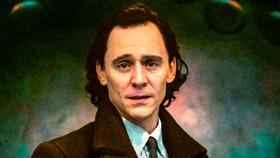
Loki
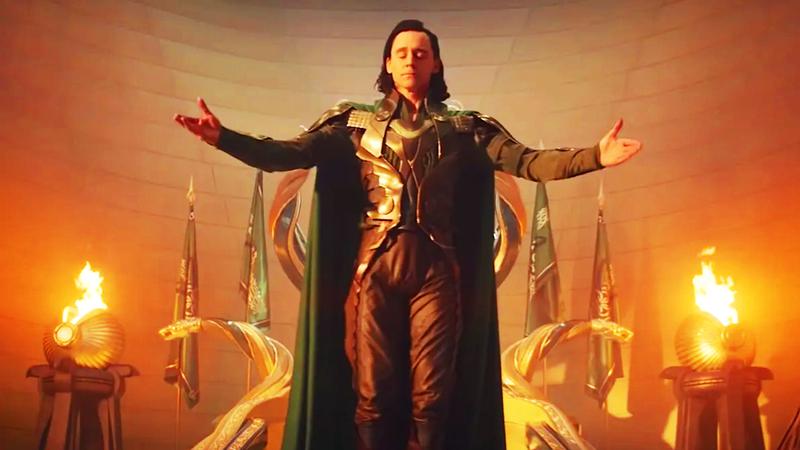
Loki's entire motivation, across multiple films and a full television series, is wanting to be seen as more important than he is. He grew up in the shadow of his brother Thor, and responded by building a personality around manipulation, theatrics, and a desperate need for recognition. His attempted conquest of Earth in The Avengers was mostly about being seen, really.
What makes Loki interesting is how much his character has evolved. In the Loki series, he spends six episodes trapped with variants of himself. This forces him to realize that the person he’s been trying to impress his entire life is actually just himself. His arc ends with him making a genuinely selfless sacrifice, which could get an even bigger payoff come Avengers: Doomsday.
John Walker
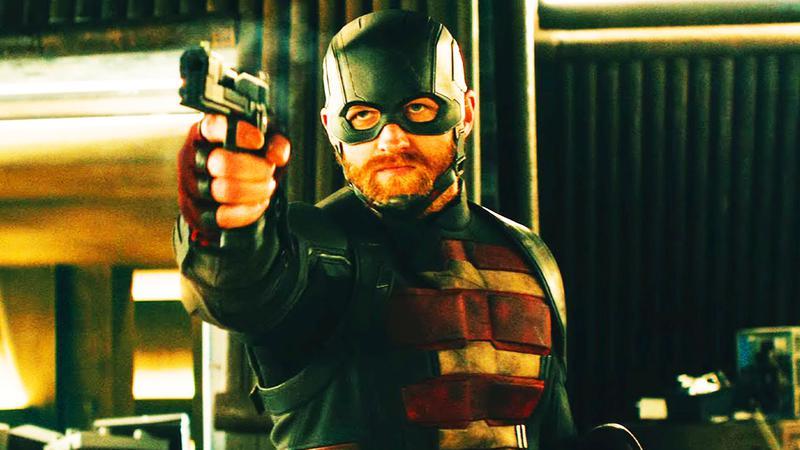
John Walker believes he deserves to be Captain America, that his service record and his medals and his record entitle him to the shield. When the world doesn't treat him accordingly, it affects him heavily.
His breakdown in The Falcon and the Winter Soldier is one of the most uncomfortable moments in the MCU. Walker cared more about the title of hero than actually acting like one, and he fell apart when he realized they weren't the same thing. He took the serum to feel like he deserved the job, not necessarily to help others. In his eyes, the shield was just a trophy to win rather than a duty to uphold.
Other MCU Heroes Who Have Exhibited Some Narcissistic Qualities
Star-Lord
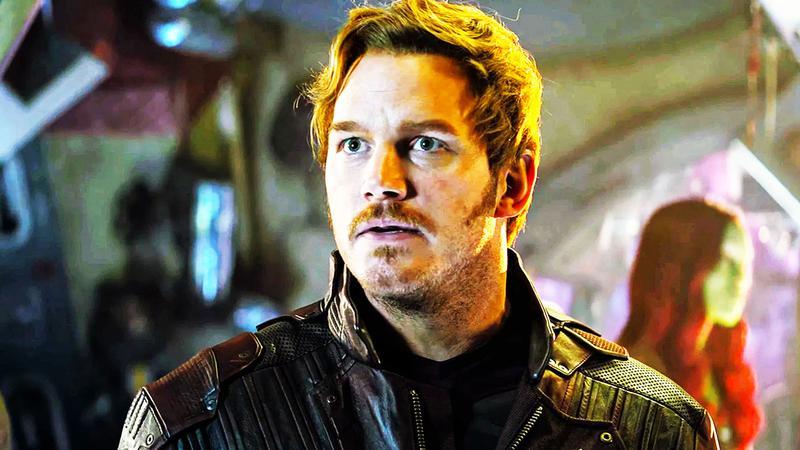
Peter Quill was insistent on being called Star-Lord even though most people didn’t know who he was. He built an identity out of a cassette tape, a leather jacket, and the belief that he was the main character of his own story.
In Avengers: Infinity War, his deep insecurity was triggered the moment the Guardians rescued Thor. He immediately felt threatened by Thor’s looks and status, leading him to deepen his voice and mock the God of Thunder to re-establish himself as the "alpha" of the group.
Rocket
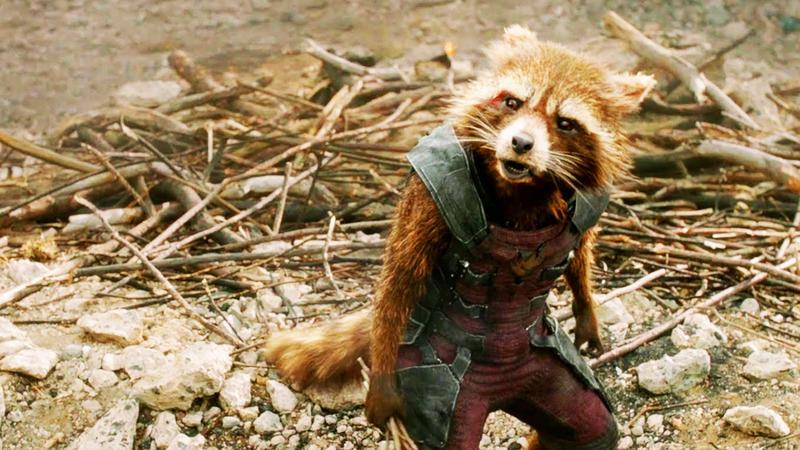
Rocket is the MCU's most defensive narcissist, which is also the most human variety. His entire personality is a fortress built to keep people out. He steals things compulsively, pushes away anyone who gets close, and covers every moment of feeling with a joke or an insult. For a long time, he'd rather blow up a friendship than admit he wants one.
James Gunn made Rocket's backstory explicit in Guardians of the Galaxy Vol. 3. The defensiveness, cruelty, and self-destruction all trace back to what the High Evolutionary did to him.
Nick Fury
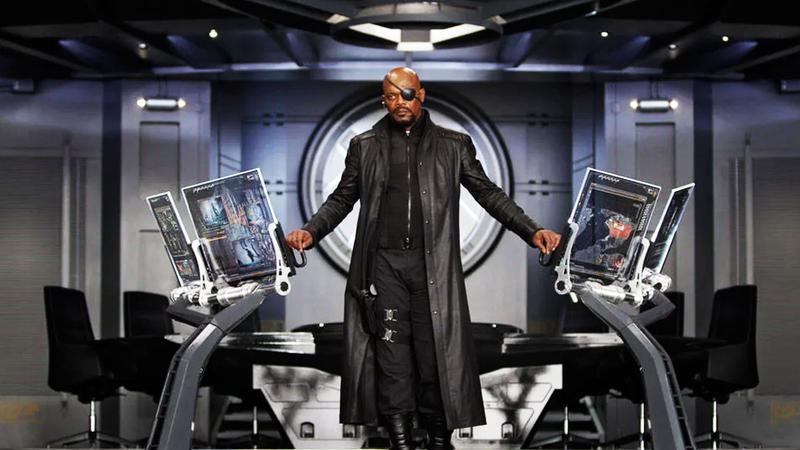
Nick Fury runs the world's most consequential intelligence operation on the assumption that his judgment is the only one worth trusting. He withholds information from world leaders, manipulates heroes into service without their full consent, and makes unilateral decisions about global security from the shadows. He builds SHIELD, then builds a backup plan for SHIELD, and then builds a backup plan for that.
In Secret Invasion, this pattern finally catches up with him. Years of operating alone, trusting no one, and treating every relationship as an asset to be managed leave him isolated at the moment he needs people most.
Thor
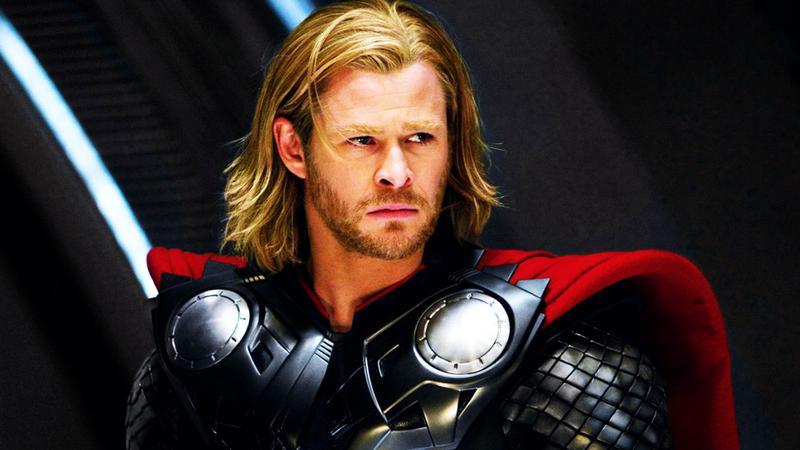
Thor, at the start of his first solo film, is brash, reckless, and convinced that his birthright as heir to Asgard exempts him from consequences. He picks a fight with the Frost Giants over wounded pride, drags his friends into the fallout, and this drama drains his father of energy, in the sense that Odin falls into the Odinsleep from the stress of it all.
Odin eventually strips Thor of his power and banishes him to Earth to teach him that worthiness isn't necessarily about strength. What makes early Thor a compelling narcissist rather than just an unlikable one is the speed at which he actually changes.
Hank Pym
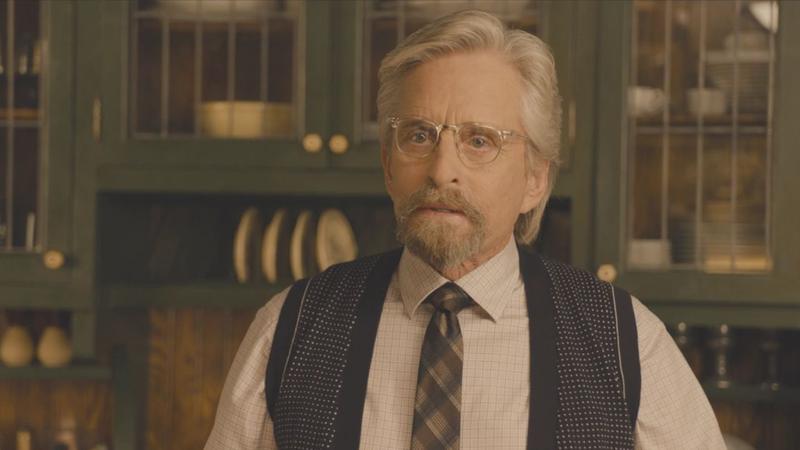
Hank Pym is one of the MCU's most possessive narcissists. He built the Ant-Man suit and spent decades making sure nobody else could have it. When SHIELD pushed him to replicate the Pym Particle technology in the 1980s, he walked out rather than share it. He told himself it was about safety, though the technology could solve many global problems.
By the time Scott Lang enters the picture in Ant-Man, Pym's relationship with his own daughter Hope is a wreck, largely because he kept her at arm's length for years under the cover of protecting her. He shut her out of the suit, out of his plans, and out of his grief over her mother. His need to control the narrative of his own legacy cost him the relationship that mattered most.



Geraldo Amartey is a writer at The Direct. He joined the team in 2025, bringing with him four years of experience covering entertainment news, pop culture, and fan-favorite franchises for sites like YEN, Briefly and Tuko.