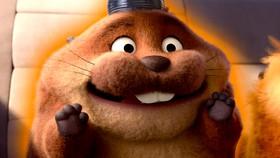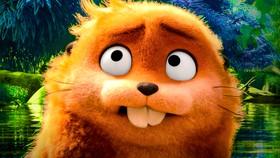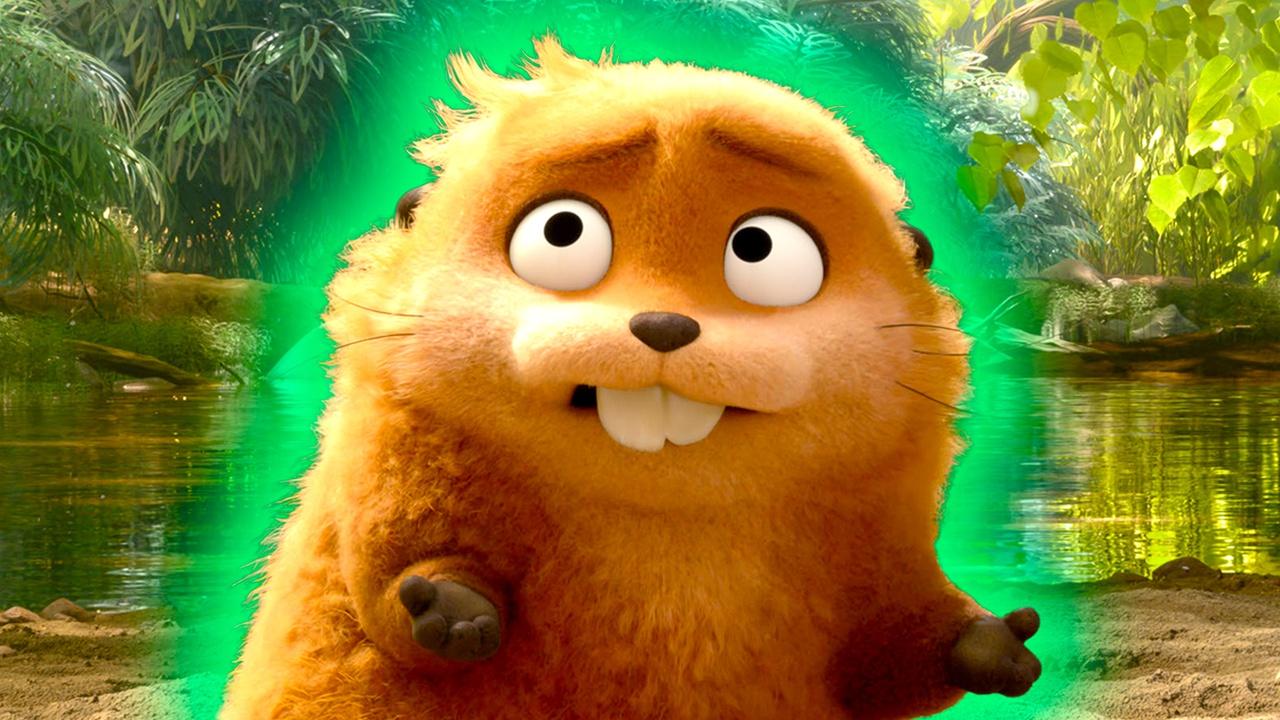
Pixar is known for making touching and creative animated films, and its next release, Hoppers, is no different. This time, not only are those things true, but it's also an absolutely insane premise, and the plot spirals further and further as the runtime progresses.
The movie follows Piper Curda's Mabel, a young woman whose love for the environment leads her to butt heads with Mayor Jerry, who is set to demolish a local glade to finish building her highway. To stop him, Mabel finds an unexpected solution: putting her consciousness into a robot beaver to help the wildlife fight back and return home.
While the premise doesn't sound too far-fetched for what Pixar is known for, the studio takes Hoppers to a whole new level. Have you ever seen a shark picked up out of the ocean by a flock of birds to be used as a weapon? I didn't think so.
In an exclusive interview with The Direct, Hoppers director Daniel Chong revealed that while the movie as it stands is admittedly crazy, it could have been a whole lot crazier. "I would say our early screenings, believe it or not, were even crazier," Chong said, adding that they "went as far as [they] could," though they "always knew [they] could pull back." The director explained how at Pixar, they "have the runway to make mistakes" and "experiment," which is "the beauty of making a movie at Pixar."
They made sure to test Hoppers with several audiences during early screenings in order to see "where are we crossing the line, or where do we need to [make changes], or what do we need to save to make sure that we still make it our movie?"
Hoppers producer Nicole Grindle made sure to add that they "got a lot of support from the old guard at Pixar," which included the legendary Pete Docter (Inside Out), who "right out of the gate loved the film."
More of our discussion with Daniel Chong and Nicole Grindle can be read and viewed below. Hoppers lands in theaters on Friday, March 6, 2026.
Hoppers Was Almost Crazier Than It Already Is
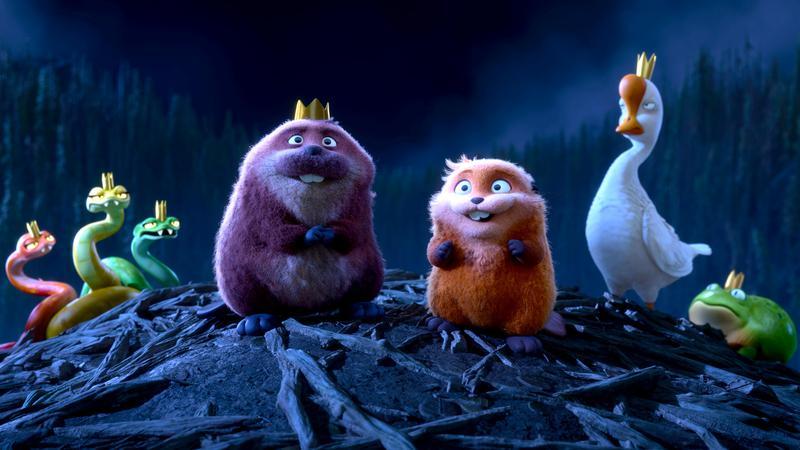
- The Direct: "[The movie] turns it up to 11, and it just never looked back. It's just like, 'We're doing whatever we want.' Can you guys talk about the discussions that kind of went into this movie in terms of how far you guys were gonna go, and just the crazy things that you do do in this movie, like when to maybe pull back, or when to just, just go for it."
Daniel Chong: I think especially because a movie takes like, six years to make, we know that we have the runway to make mistakes, and that is kind of the beauty of making a movie at Pixar, is you get the freedom to experiment. And that's how these movies get to where they are. It's just experimentation. So, I would say our early screenings, believe it or not, were even crazier. We kind of went as far as we could, and we kind of always knew we could pull back.
And so a lot of experimentation was happening in those early screenings, and just testing out ideas and seeing how much will the audience stay with us. And we have an internal audience of different people that work in the studio that will watch it, and they'll tell you, like, I got lost here, or I am not buying that, or that is not—so you basically kind of just workshop it with the people around you, and you start kind of figuring out, like, Okay, where are we crossing the line, or where do we need to [make changes] or what do we need to save to make sure that we still make it our movie?
Nicole Grindle: I also want to say that, like Pete Doctor, right out of the gate loved the film. He loved that sensibility. And we got a lot of support from the old guard at Pixar. I love that. It was crazy. And there might be notes that were coming from other places in the studio where, like, I don't know, it's too off the hook. A Shark being carried? I'm not—You've lost me. But they always loved it. And I think the rank and file at Pixar always were all behind it, and I think that made a huge difference.
How Hoppers Creatively Addresses the Violence of the Food Chain
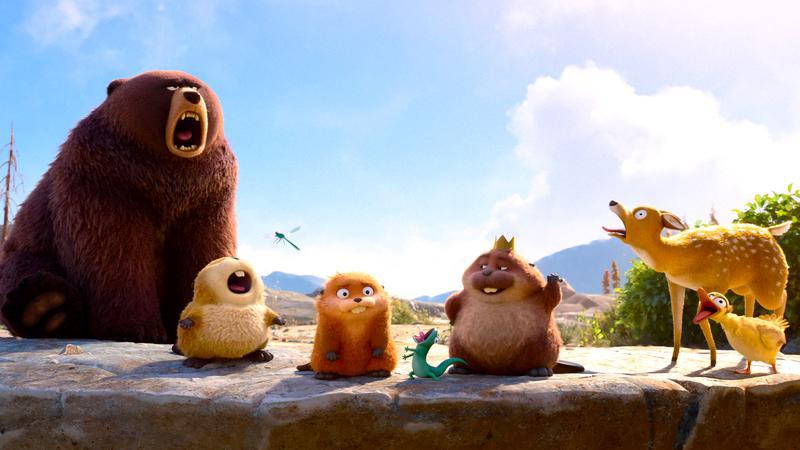
"The Only Way We Could Address It Is If There Was a Comic Slant To It, You Know?"
- The Direct: "One thing I also appreciated about the film was, at a point they address the food chain, and the fact that animals do have to eat one another. And it's something that nearly all animated films about animals just avoid entirely, but this film decided to tackle it. So why did you decide that, yeah, we're a film that's gonna address this and be okay with it?"
Daniel Chong: I mean, I think the only way we could address it is if there was a comic slant to it, you know? And so to me, it was like, King George is this King who's cracked the code and figured out a way for everyone to coexist and be okay with the situation that they are in, whether it's to be in or not eating, and is a symbol of just what a good leader he is, is that he got everyone to kind of agree like it's okay. We all have a purpose in life, and we're all going to get along and agree to these terms and these rules. They're contradicting each other, but if someone's got to eat me, that's totally cool. That's just how it is. And I think it was just a way to show his character and why he was such a good king.
Nicole Grindle: I also think that human beings think animals are barbaric because they eat each other, even though we also eat animals. And I think it was a great way to address that. It's like, 'Hey, this is how we all coexist. Some of us have to eat from other people, some other animals, but that's part of the natural order, and I just love that too.'
The full interview, including a conversation with Hoppers stars Bobby Moynihan and Piper Curda, can be viewed below: