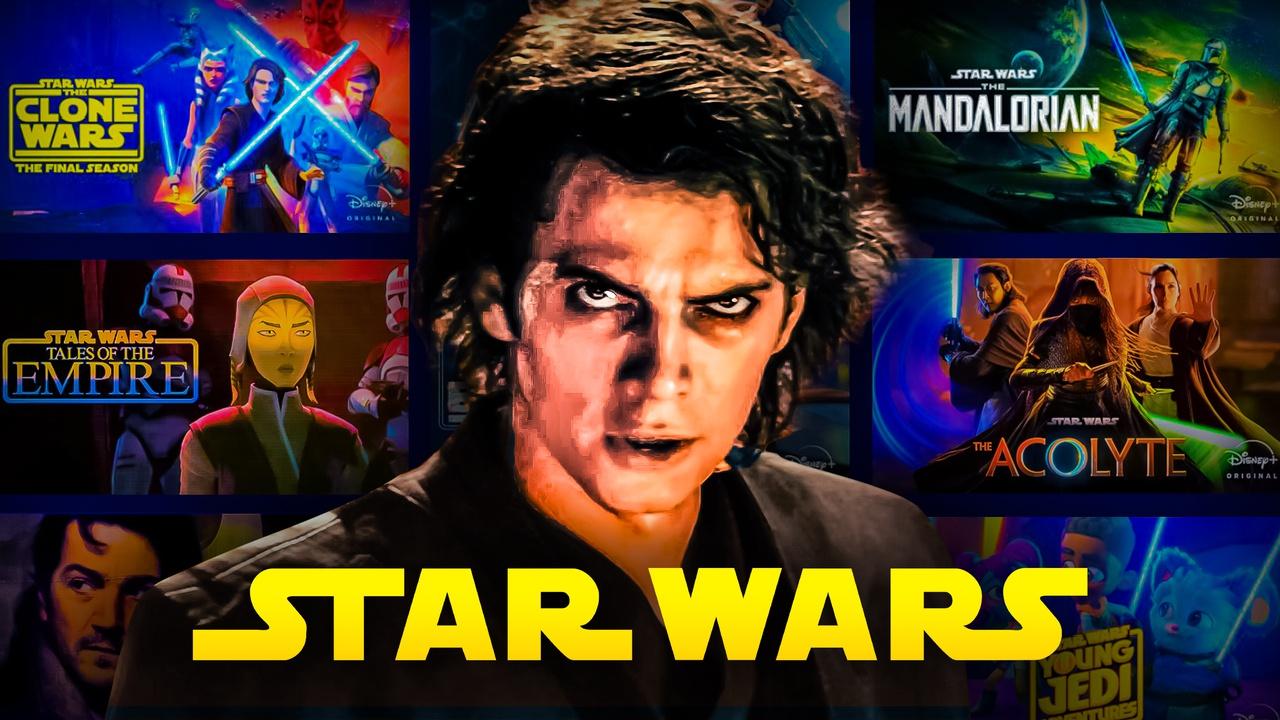
There is a compelling reason why Maul: Shadow Lord acts as the perfect sequel to Star Wars: Episode III - Revenge of the Sith. Star Wars' brand-new animated series on Disney+ is set after the events of Clone Wars and Revenge of the Sith, roughly one year later, after the game-changing events of Order 66. Instead of solely focusing on Darth Vader and the Galactic Empire, Maul: Shadow Lord dives deep into the gritty underbelly of the planet Janix (which is Star Wars' answer to Gotham City) as the titular former Sith Lord rebuilds his criminal empire to seek revenge against Emperor Palpatine.
Maul: Shadow Lord is the perfect follow-up to Revenge of the Sith because it continues the dark tone and sinister vibe of the post-Republic era established in the prequel trilogy's final entry, carrying forward the terrifying shadow that the film left hanging over the galaxy.
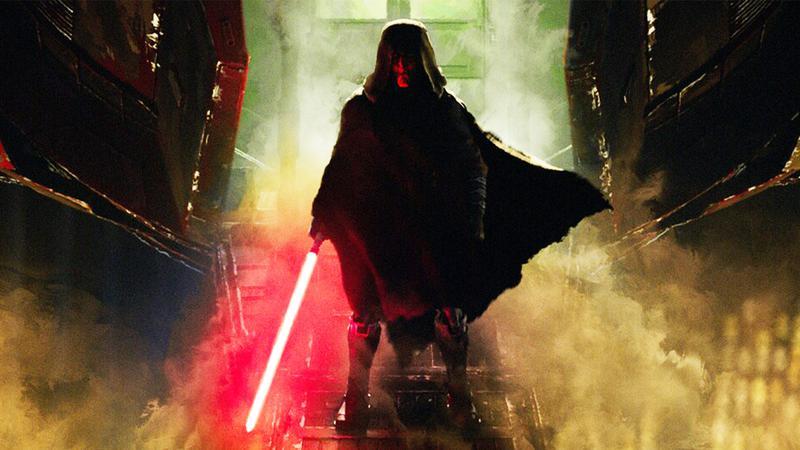
While the Empire consolidates power across the galaxy, Maul steps up as a survivor who refuses to fade, and the show explores the beginning of the Galactic Empire, which the end of Revenge of the Sith perfectly sets up.
The early Imperial era, as shown in Maul: Shadow of the Sith, revealed that the Empire is still not the galaxy-spanning threat established in the original Skywalker Saga. While it is still expanding, planets like Janix are still actively handling threats without Imperial oversight. Captain Brander Lawson (who is Star Wars' own Commissioner Gordon) wants to keep it that way because he and his team know that their autonomy disappears.
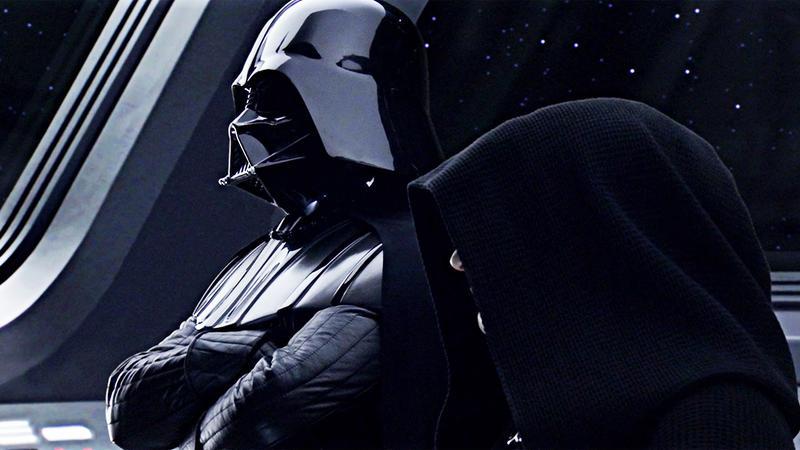
There is growing fear and sense of dread even from law enforcement, which is what the Jedi felt in the climactic sequence of Revenge of the Sith. It is as if it carried over in Maul: Shadow Lord with an unexpected protagonist like Maul at the center of the conflict.
Maul retroactively embodies the lingering darkness that Revenge of the Sith leaves behind. While the Empire rises openly under Sidious, Maul operates i the shadows, methodically rebuilding his criminal empire and consolidating power. In doing so, he mirrors the same game his former master played throughout the prequel trilogy, but on a more grounded scale.
What Sidious acheived on a galactic stage through political mindgames and betrayal, Maul now attempts in the underworld; carving out his own empire amid the chaos of a galaxy still reeling from the events of Revenge of the Sith.
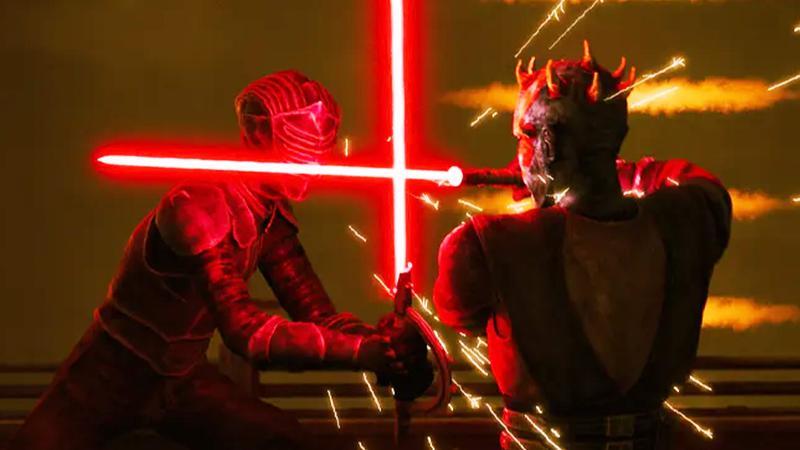
Moreover, Maul: Shadow Lord's trailer teased the imminent arrival of Darth Vader in the 2026 Clone Wars sequel, possibly testing the might and prowess of Maul as he tries to subvert the Empire in the shadows.
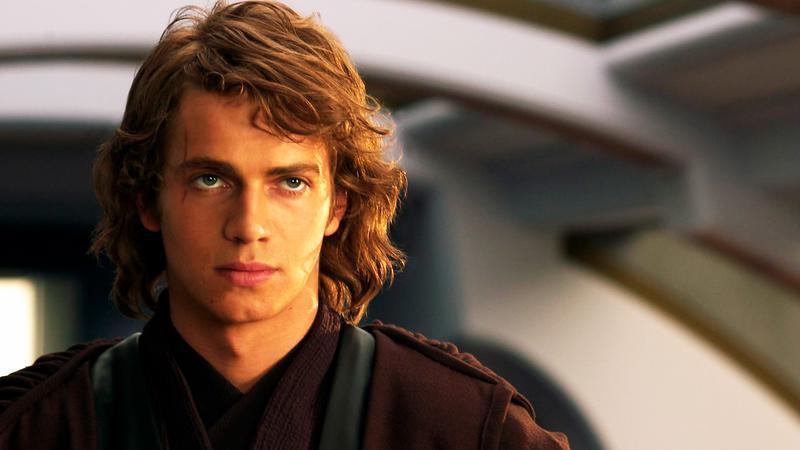
If the rumors are true, considering that Revenge of the Sith is all about Anakin Skywalker's fall to the Dark Side and becoming Vader, it is only fitting to call Maul: Shadow Lord as a spiritual sequel to Revenge of the Sith.
Episode 8 of Maul: Shadow Lord, titled "The Creeping Fear," adds yet another layer to the show's spiritual connection.
This title is no coincidence; it was the infamous rumored working title for Revenge of the Sith back in 2004. Lucasfilm even leaned into the speculation with a classic April Fool's prank, briefly listing it as the official title on their website and sending fans to a wild thread of speculation.
If anything, Shadow Lord's use of the title is perfect because it evokes the same lingering paranoia and suffocating atmosphere that was established in the early Imperial era.
Maul: Shadow Lord's Revenge of the Sith Connection Is Much Deeper Than You Think
Revenge of the Sith ended on a devastating note for the galaxy, turning a once vibrant galaxy shrouded in darkness. Maul: Shadow Lord refuses to let that darkness fade, and it all boils down to Maul's quest for revenge.
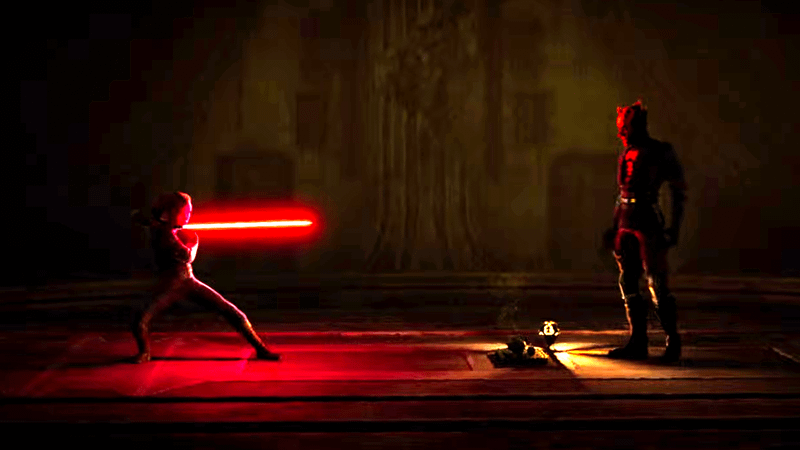
Maul's search for a new apprentice eerily echoes Palpatine's manipulation of Anakin Skywalker, but it feels more initimate and psychologically raw. While Palpatine groomed a conflicted "Chosen One," Maul decided to seize a disillusioned young Jedi Padawan (Devon Izara), pulling her from hiding into his dangerous, volatile world.
The emerging partnership between Maul and Devon essentially carries the torch of Sidious and Anakin's twisted master-apprentice dynamic, but in a grittier and more personal form.
Overall, Maul: Shadow Lord doesn't merely reference Revenge of the Sith. It actively acts as its successor by continuing its emotional and thematic legacy. It deepens the exploration of power seized in the shadows, the devastating cost of revenge, and the creeping fear that slowly consumes the galaxy caught in the Empire's tight grip.