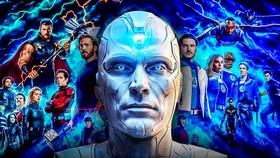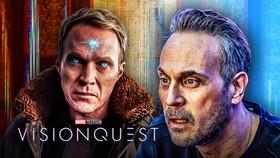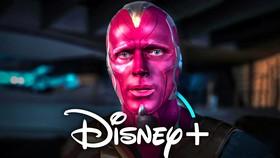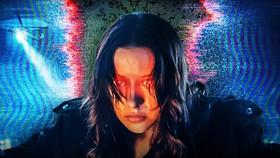
Marvel Studios will soon showcase its rival to Star Trek, and it's a hard-hitting science fiction series that explores the dangers of artificial intelligence. Marvel is expanding its small-screen universe by showcasing the sequel to WandaVision: VisionQuest. This MCU series follows Paul Bettany's White Vision on his deeply personal quest to find his purpose and regain his memories, and its emotional arc echoes classic stories of synthetic life and identity from another franchise: Star Trek.
VisionQuest is set to act as a rival to Star Trek because it draws heavily on Star Trek's DNA in its creative team, themes, tone, and production style, positioning the show as a more philosophical science fiction entry in the MCU. And at Disney Upfront 2026 last month, Marvel Studios announced VisionQuest's premiere date of October 26, confirming that the series' 2026 debut is set in stone.
VisionQuest showrunner Terry Matalas had a history working on the second and third seasons of Star Trek: Picard. In fact, Marvel Studios boss Kevin Feige told Inverse that he specifically recruited Matalas because he loved Star Trek: Picard Season 3 so much:
"It was from his amazing [work on Picard Season 3. I said: This is incredible. I don't know how this exists. Let me find the person who made this."
Star Trek: Picard Season 3 was a huge success for the franchise, mainly because it was the first post-2017 Star Trek TV show to break into the top 10 of Nielsen streaming ratings. The show also received a wide array of accolades, such as an Astra Award for best writing and four Saturn Awards.

The writers' room and production staff of the WandaVision sequel include multiple Star Trek veterans, such as Cindy Appel, Christopher Monfette, Michael Taylor, and Matthew Okumura.
- Episode 1 — Terry Matalas (‘Star Trek: Picard’)
- Episode 2 — Terry Matalas
- Episode 3 — Cindy Appel (‘Star Trek: Picard’)
- Episode 4 — Michael Taylor (‘Pantheon’, ‘Battlestar Galactica’)
- Episode 5 — Christopher Monfette (‘Star Trek: Picard’, ‘9-1-1’)
- Episode 6 — Nicole Falsetti (‘Star Trek: Picard’)
- Episode 7 — Matthew Okumura (‘Star Trek: Picard’, ‘Smallville’)
- Episode 8 — Terry Matalas
The addition of these writers to the VisionQuest creative team brings Star Trek-level serialized storytelling, character depth, and world-building to Marvel Television.
There is also a thematic overlap between VisionQuest and Star Trek. Vision's arc in the series revolving around questioning what makes him human and confronting his origins echoes Star Trek's exploration of identity and the dangers of synthetic life.
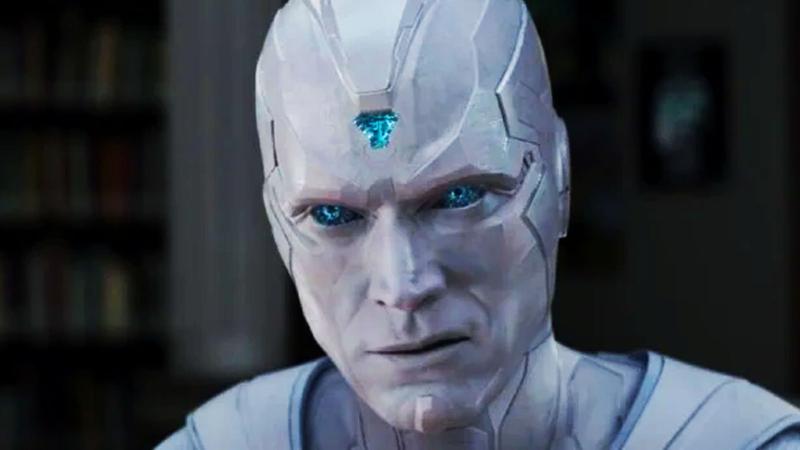
In fact, in August 2025, Matalas told Inverse that Vision's journey of self-discovery will echo what Spock experienced in Star Trek IV: The Voyage Home, where he was still recovering from a similar transformation after being resurrected at the end of The Search for Spock.
Moreover, the cast of VisionQuest includes multiple Star Trek: Picard veterans, such as Orla Brady as the human form of F.R.I.D.A.Y. and Todd Stashwick as the villainous Paladin.
Why VisionQuest's Star Trek Parallels Are a Game-Changer

VisionQuest stands out because it is shifting away from the usual MCU spectacle of big-finale battles and toward Star Trek-style ethical dilemmas. This shift effectively positions the Paul Bettany-led series as a natural rival to Star Trek's compelling sci-fi exploration, rather than relegating it to a quippy superhero series.
As VisionQuest delves deeper into psychological territory, it offers a compelling conclusion to Vision's arc while possibly redefining how Marvel Television handles standalone stories. The Star Trek comparison is more than just that; instead, it's the key to why this series could be a quiet revolution for the MCU.
The smaller scale and more intimate nature of the WandaVision sequel are ideal for elevating complex characters like Vision, as they allow for deeper, character-driven storytelling that can thrive on quiet moments and internal monologues without constantly escalating the stakes or dealing with Avengers-level threats.