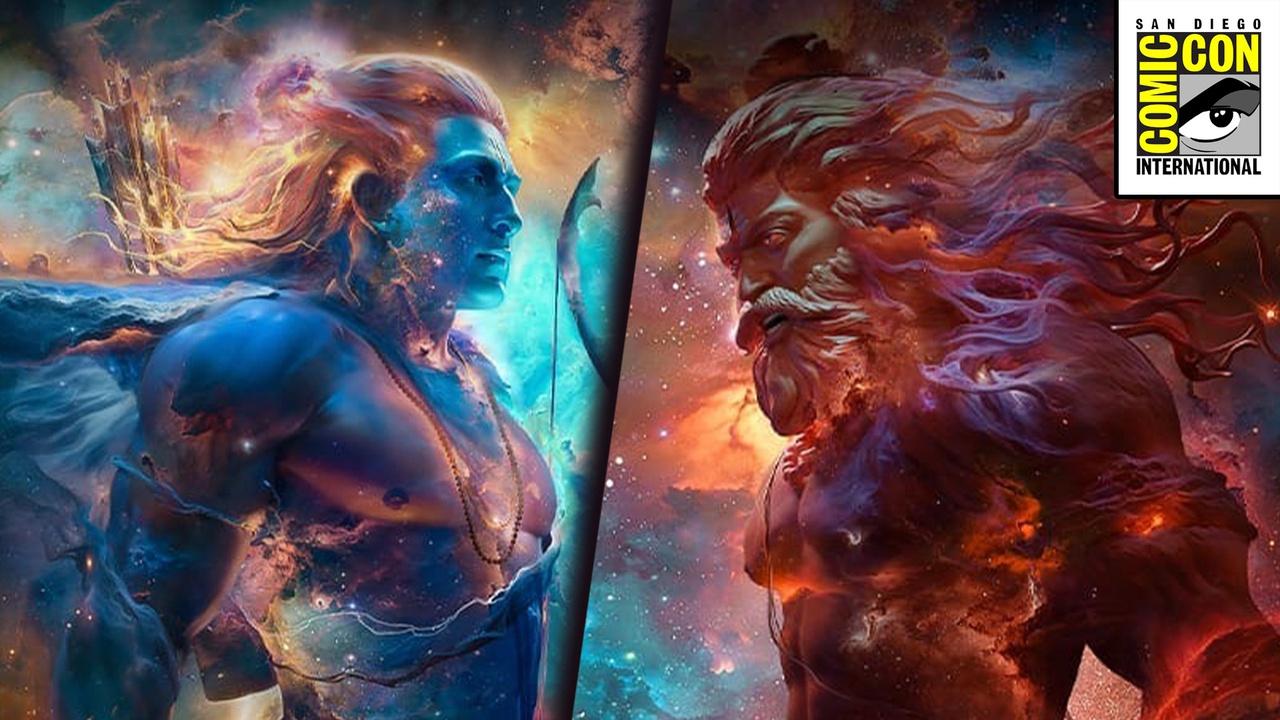
Ramayana is almost here, and everyone behind it is making one thing clear: they're not changing the story. At San Diego Comic-Con (SDCC) 2026, The Direct sat down with star Ranbir Kapoor, co-star and producer Naveen "Yash" Kumar, director Nitesh Tiwari, and producer/DNEG CEO Namit Malhotra to discuss bringing the epic to the screen on a scale that Indian cinema has never attempted before.
The consensus across all four interviews: technology, not a modern rewrite, is what makes this version feel new and worthy of a trip to the theaters. Malhotra called the film a "modern classic," arguing "nobody should change something that ain't broken." Kapoor pointed out that the text has "stayed over 4000 years," while Tiwari said it isn't time to modernize Ramayana's values, but to "rediscover" them.
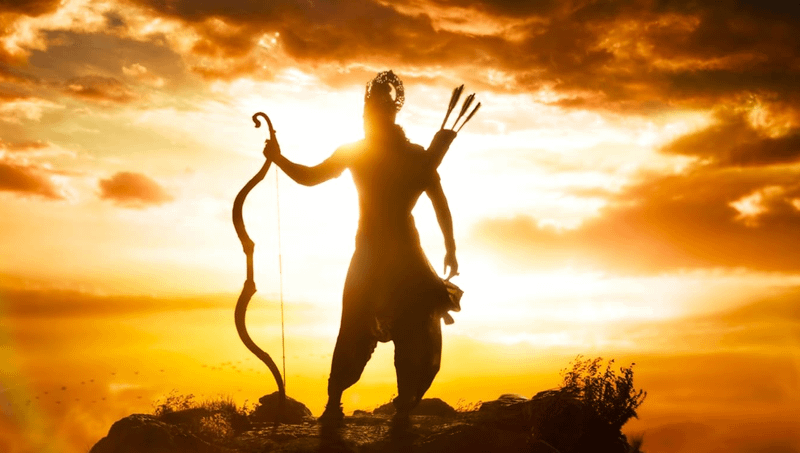
Ramayana is a two-part cinematic event inspired by the Hindu epic. Part One arrives in US theaters on November 8, with Part Two set for Diwali 2027. The story follows Vishnu, the god who protects, who is reborn on Earth as Rama (Kapoor), a human prince destined to restore balance against the immortal demon king Ravana (Yash).
Malhotra is CEO of DNEG, the VFX studio behind the Oscar-winning work on Dune and Interstellar, and most recently oversaw effects for Christopher Nolan's The Odyssey. Kapoor, Yash, Tiwari, and Malhotra spoke with The Direct about staying faithful to the epic and the decision behind splitting the movie into two parts.
Staying True to an Ancient Story
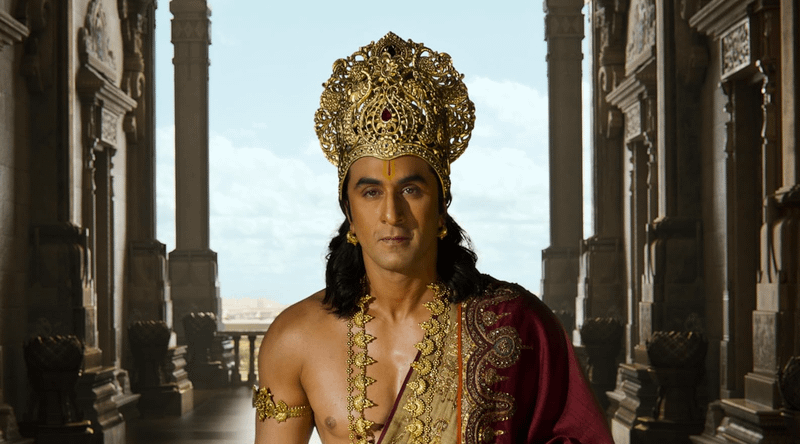
"It's A Life Lesson..."
- The Direct: "Can you talk about how this movie takes a modern approach to adapting the classic mythology it's based on?"
Ranbir Kapoor: I think the modern approach is the technology that's used to make a film like this. What we probably didn't have 30 years ago, 40 years ago, in telling this story, the story has been told over various mediums, if it's a musical, radio show, theater, and a film made on the Ramayana requires the kind of technology that we have available today.
So I think that's the only thing. But apart from that, I think the more closer you are to the simple soul of the story, it always reaches out to a larger audience.
- The Direct: "It feels like you're sticking pretty close to the material. Did you take any creative liberties to make it more of a blockbuster film?"
Kapoor: I don't think a story like Ramayana needs that. I think the text has stayed over 4000 years. You know, Lord Rama has been the conscious gatekeeper of millions of people around the world, and I think everything that it talks about courage, good over evil, rightfulness, forgiveness, compassion, ego it's a life lesson.
People who really understand the Ramayana, really deeply understand the Ramayana, really come out as a better person. I think that's always the endeavor whenever somebody has to know the Ramayana, great.
- The Direct: "Part One isn't even out yet, but Part Two is coming next year. What can you tease about it, and how does it evolve the story beyond part one?"
Kapoor: To be honest, to tell Ramayana, you probably need a 10-part movie, but the kind of conciseness in two parts was very hard, especially for the scriptwriters Nitesh Tiwari and the other scriptwriters involved.
We're already 50% down shooting Part Two even before the first part is released, because it's a continuing story. But the second part is obviously going to be even larger, even more entertaining, and there's a character called Hanuman, which has been a crowd favorite, a god that's been worshiped and loved by children and elderly people.
Yash Kumar on Representing India on a Global Stage
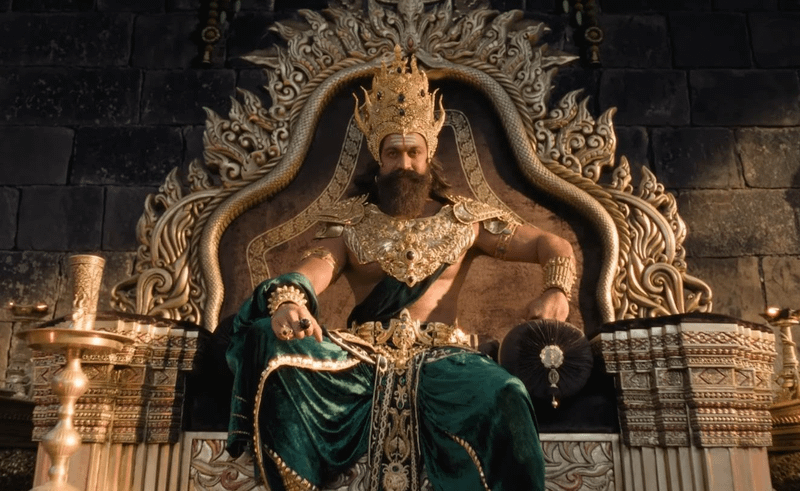
"The Idea Of Making A Film Will Definitely Push You Towards Compromising On Some Of The Stories..."
- The Direct: "This story is thousands of years old. Can you talk about how it's being adapted for a modern day?"
Naveen "Yash" Kumar: I think the essence of the story is so universal and timeless that even today... we're trying to stay true to how the original story was told, because in terms of the emotions if there is something that's relative, we should think about, 'How do we adapt it to today's world?'
But the emotions are so deep-rooted and so basic to human beings, so we're just trying to present it in the most authentic way.
At the same time, technically, it is very advanced, and you can relate to the modern elements of presentation. But the soul of it is going to be the authentic story.
- The Direct: "Shifting gears, do you remember taking any creative liberties to shorten the story across the two parts?"
Kumar: Yeah, but see what happens, you have a limitation when you make it a movie. It's a feature film. If it was a series, then there are much more elements which you can explore, for sure.
But it's a tough call, and you need to take those calls, because each and every character is very nuanced and very important in the story. You can take a character like Jatayu, the bird, you can make a whole movie on it.
Each and every character has got backstories, and they have their own conflicts, their own battles, and they all come together for this massive battle. So the idea of making a film will definitely push you towards compromising on some of the stories...
- The Direct: "Part One isn't even out yet, but Part Two is coming next year. What's your experience been like so far?"
Kumar: I've done a film that had a franchise like this before, so it's always great. After a point, you get excited when you finish one part, and then for the second part, you want to go even further.
You've built a long backstory, certain characteristics in the character, the way you've played them, it all comes to a point where you know you can put in more.
As an actor, I'm very excited. As a producer, I'm very, very confident, me and Namit are very confident about this approach to making it. We're also coming up with technology which, in a very short time, we're going to announce. This is a revolution we're trying to make.
Directing Ramayana in the Modern Age
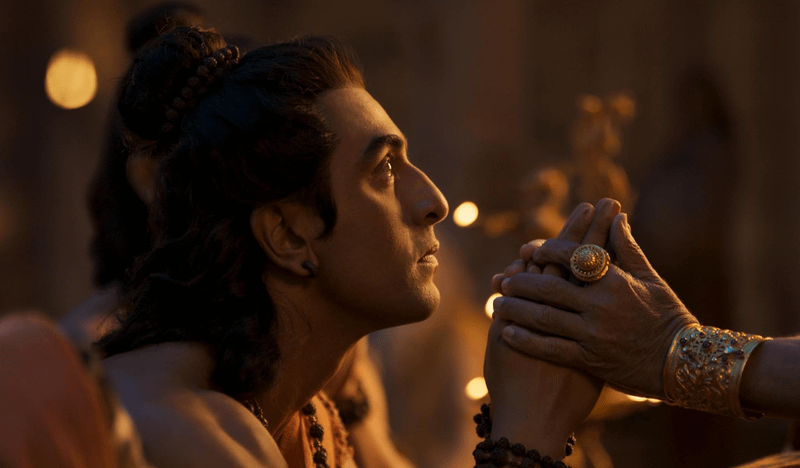
"It's Time to Rediscover Those Core Values..."
- The Direct: "Can you talk about how this movie takes a modern approach to adapting the classic mythology it's based on?"
Nitesh Tiwari: I don't think we need to take any modern approach, Ramayana is timeless, and it doesn't need any modernization. The core values which Ramayana speaks of are still very relevant, still very apt. Now, I think somewhere along the line we have forgotten them.
So it's not time to discover those core values, I think it's time to rediscover those core values which Ramayana speaks of, and that's what is going to make it so relevant.
- The Direct: "Staying true to the story, did you take any creative liberties in narrowing it down into Part One and Part Two?"
Tiwari: With Ramayana, it's a part of our story, you really can't take much liberty with it, because it is a part of our life. It's a voice of our collective conscience. So we wouldn't do that.
However, there are certain portions where we can revisualize them to make it more exciting, so that people, when they see it, they're watching the same story, but they get a feeling of watching something that happens fresh, for the first time.
So, for example, there are creatures, there are demons, the way Ayodhya looks, the way Lanka looks, the way Mithila looks, all these cities, the way costumes look, the way wars are going to be fought. Those are things which are going to be absolutely fresh for people, while the core values remain intact.
DNEG CEO on Their Biggest VFX Challenge Yet
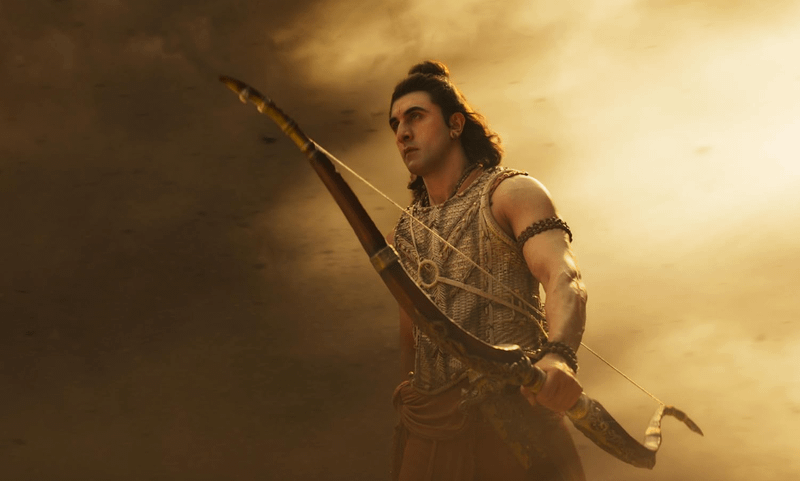
"What Ramayana Is Pushing Us To Do Is Something DNEG Has Never Done..."
- The Direct: "With DNEG leading the VFX work, walk me through some of the innovations this movie is taking, especially with such a big budget."
Namit Malhotra: So, you know, DNEG, obviously with all its glory of almost seven Oscars in 10 years and eight in total, we are actually looking to really up our game. It's odd that a company like DNEG would say that, but what Ramayana is pushing us to do is something DNEG has never done in terms of the scale of visual effects, the complexity, the type of visual effects all coming together in one film, which is a very different undertaking than anything DNEG has done to this day.
So I think it's a very interesting opportunity for DNEG to really level up and create a lot of new tech, a lot of cool stuff coming together, and you'll see it on screen without me having to walk you through the technical details. Seeing is believing, as they say.
The Direct's full interview with the cast and creatives behind Ramayana can be viewed below: