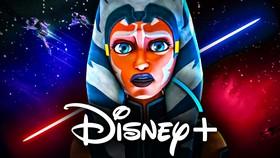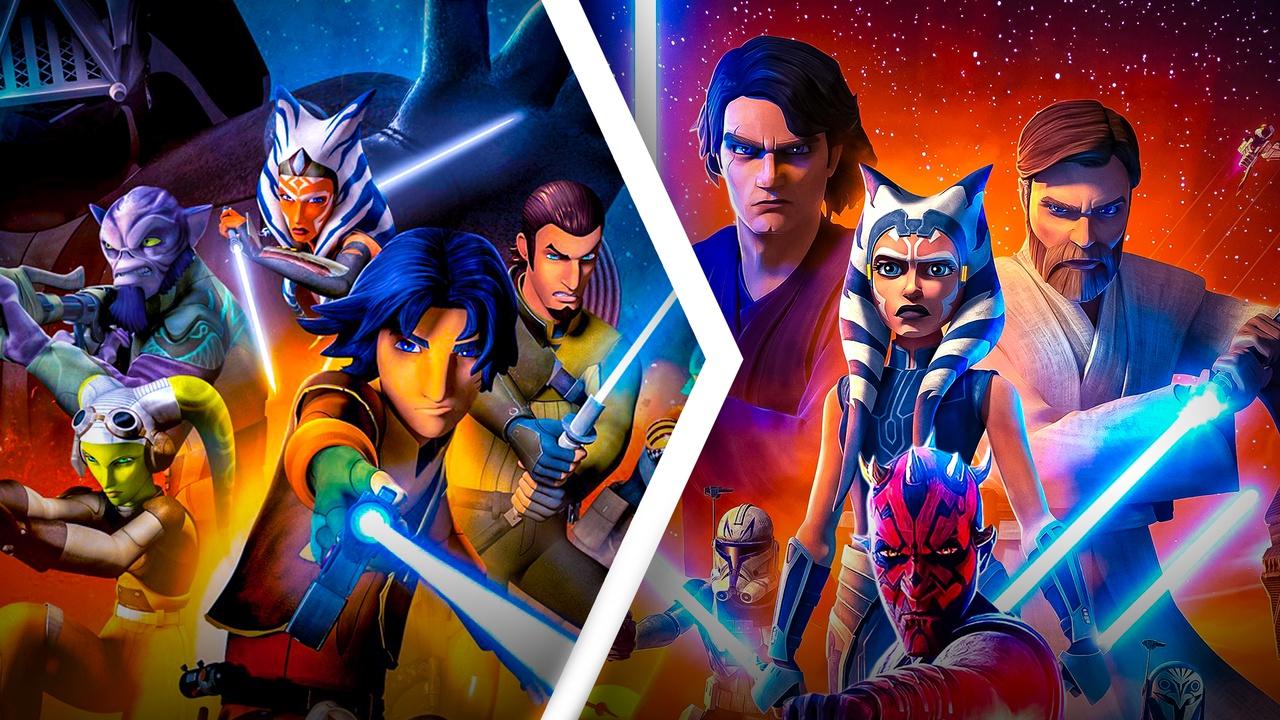
A Lucasfilm producer has shed light on what set Star Wars Rebels and The Clone Wars apart behind the scenes. While the two series are often compared, they are really complementary halves of the same story, with The Clone Wars providing the tragedy that makes the hope in Rebels resonate. Fans have long appreciated how the shows build on each other, but a recent quote from an executive producer reveals the key differences that shaped their production.
Appearing on the Pod of Rebellion podcast, Star Wars: The Clone Wars and Star Wars Rebels executive producer Henry Gilroy pulled back the curtain on what truly separated the two series behind the scenes.
When reflecting on The Clone Wars, Gilroy described a uniquely streamlined process under the "one boss," George Lucas.:
"When you’re working on 'Clone Wars,' you have one boss. You only have to please one guy, really. And that’s George Lucas. And the collaboration of these awesome artists to make something that George likes. And then, George is gonna like it. If he likes it, then he's gonna add stuff and do his own stuff to it."
As Gilroy described, the structure was "completely different" when he shifted to Rebels under Disney in 2014. According to Gilroy, the approval process expnaded to "committees, including multiple Disney representatives and the Broadcast Standards and Practices (BS&P):
"That’s completely different from working with Disney on Rebels. There's the committees. So, not only are you getting notes from Lucasfilm’s story group about what they’re doing for future movies, but you’re also getting notes from the Disney team. So, that's the Disney executives. You're also getting notes from BS&P, what we're allowed to do and what we're not allowed to do. Then you also have the studio, the Disney studio as a whole. Besides the Disney Channel."
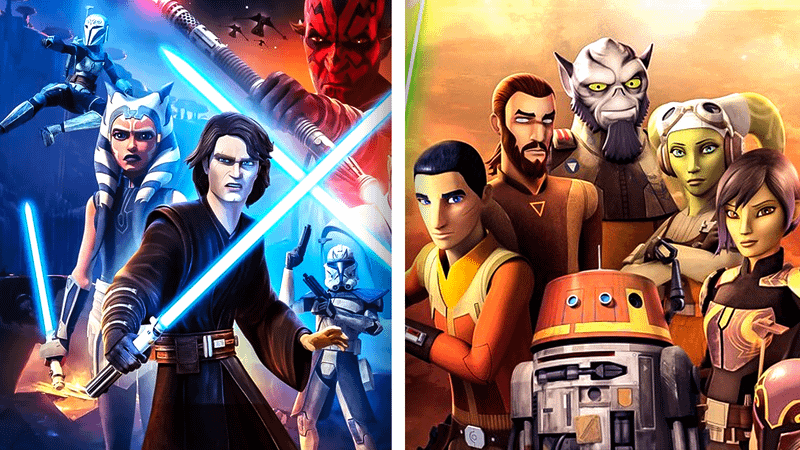
With so many parties involved, Gilroy explained that he's "amazed by how good the series turned out," crediting the team for standing their ground after getting an array of edits:
"So, you go from pleasing one guy to now there's five different entities... When you get notes back on a script, they're color-coded. Red is for this person, blue is for this, green is for this. So, it's a lot of things that you're having to juggle. So, I'm always amazed by how good the series turned out, but a lot of it had to do with us just standing our ground and the trust that was earned during Clone Wars."
In addition to the shift in creative oversight, Gilroy also mentioned a major financial distinction between The Clone Wars and Rebels. Putting it plainly, "Rebels’ budget was half of what Clone Wars was:"
"Yeah, so… Two things. First thing is, the budget. 'Rebels'' budget was half of what 'Clone Wars' was. ‘Cause I think, even in the cancelling of 'Clone Wars'… [The studio was like,] ‘Oh, we have enough episodes, it’s served its licensing life, we’re probably not gonna be able to milk more– and it’s expensive.'"
He also mentioned when "people were freaking out" after the cancellation in 2013, which led to the series later being revived with a sixth season on Netflix in 2014:
And then, of course, when it got cancelled, people were freaking out, which is why Netflix was like, ‘Oh, it’s worth it to us to do another season.’ So, that’s the one thing, the budget.”
It could surprise some fans to learn that Clone Wars was significantly more expensive to produce than Rebels, particularly given that Rebels aired after Disney bought Lucasfilm. Some could assume Disney-backed projects automatically carry larger budgets, but Rebels was a Disney XD series after all.
Longtime fans may be less shocked, as Clone Wars was known for its cinematic animation style, large-scale battle sequences, and ambitious production scope. Also, while complaints about the animation have been cast towards both series, Rebels has taken more of the heat for its artistic design.
The Lasting Impact of Clone Wars and Rebels
The legacy of Clone Wars and Rebels is no longer confined to animation; it is now foundational to modern Star Wars storytelling, particularly in live action. In many ways, Ahsoka Season 1 functions as a pseudo-Season 5 of Rebels, reuniting much of the Ghost crew and directly continuing threads left unresolved when that series ended.
That crossover momentum continues this summer when Zeb Orrelios makes his big-screen debut in The Mandalorian & Grogu on May 22. He's coming a long way from being part of a relatively cheap Star Wars show for kids.
A similar modern continuation can be said about The Clone Wars. Ahsoka didn't just acknowledge that era; it revisited it visually, bringing back Anakin Skywalker (Hayden Christensen) in live action and even featuring flashbacks to the Clone Wars era.
Meanwhile, upcoming animated sequel projects like Maul - Shadow Lord are extending the storytelling into 2026.