Doris Bithers shocked the world with her claims that she was physically assaulted by a supernatural entity in her suburban Los Angeles home in 1974. The claims were so shocking and violent that they inspired the well-known 1982 horror film The Entity. Now, Doris' story is taking another swing at the big screen with What Happened to Doris?, which just premiered at Fantastic Fest 2026.
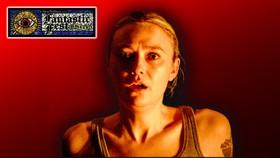
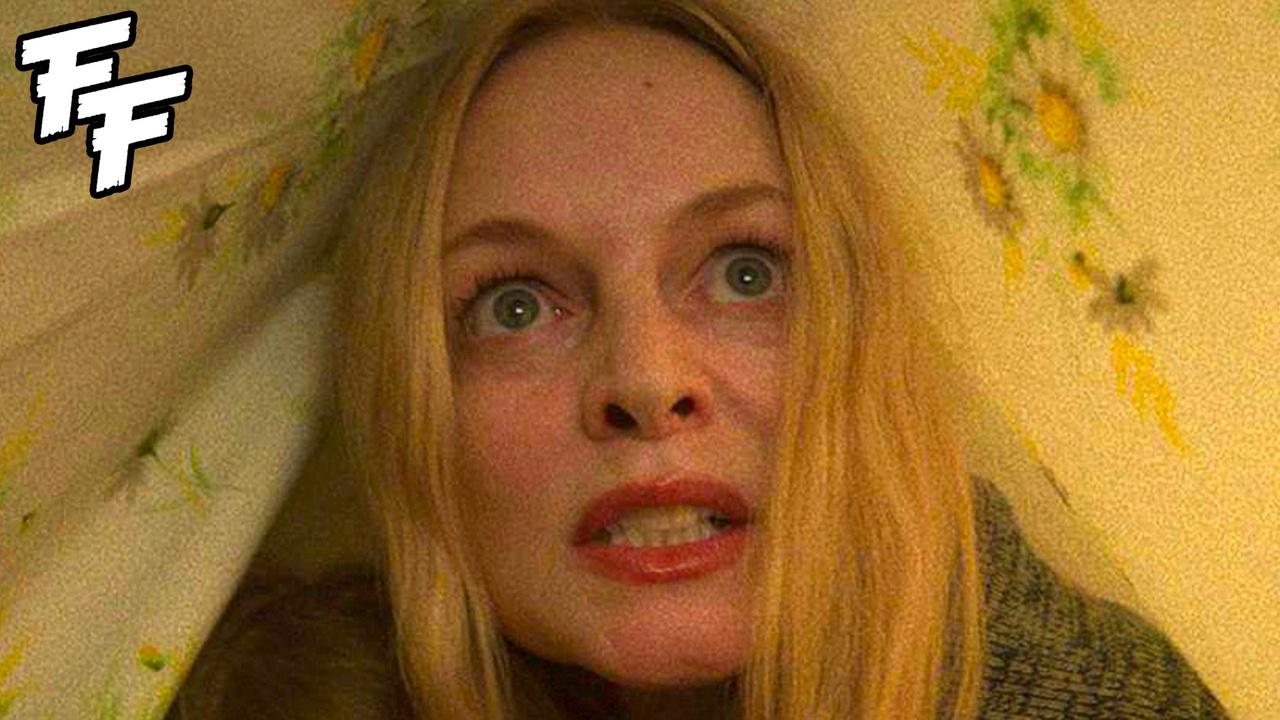
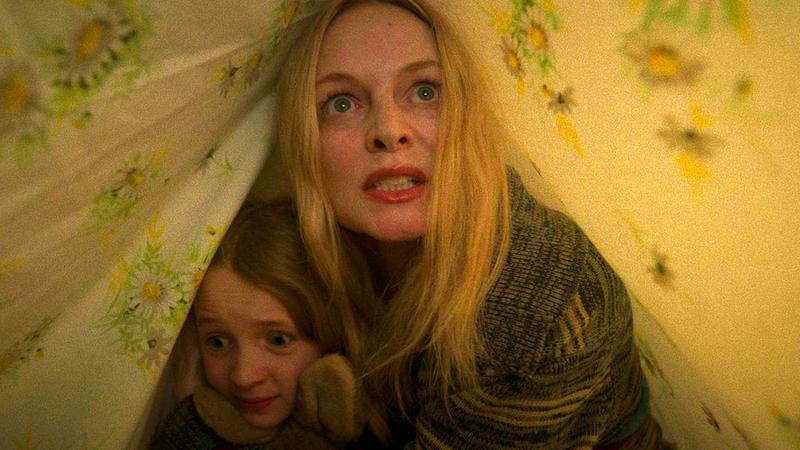
In the film, Heather Graham plays Doris Bither, a struggling single mother with three kids in 1974 suburban Los Angeles. Doris' life is turned upside down when she is violently and sexually assaulted by an unseen, invisible force inside her home. As the attacks escalate, in desperation, she's forced to turn to a team of paranormal investigators from UCLA to help figure out what is happening.
At Fantastic Fest, What Happened to Doris? Director Nick Simon, alongside stars Heather Graham (Doris) and Mimi Rogers (Dr. Thelma Moss), spoke with The Direct about how their new theatrical version of the real-life story balanced fact with fiction.
What Happened to Doris? premiered at Fantastic Fest 2026, but does not currently have a wider release date.
For more of The Direct's Fantastic Fest coverage, be sure to check out our interviews with the casts of the witch home invasion film The Heretiks and the filmmaker behind Bloody Tennis (which is basically a horror version of Zendaya's Challengers).
Doris Bithers' Real Life Vs a Fictional Film
"The Things We Made Up for the Movie Are Things That You Wouldn't Think We Made Up."
- The Direct: "This is based on a real-life event, or at least a real-life accounting. What was the blend of complete fiction versus the real or reported detail"
Nick Simon: I think that so much of it is well documented that you can find books written about it, and there are podcasts written about it. There's a lot of research there, and we also talked to her real son. That's [who we] ended [up with] the life rights from. So all these things that we put in the film are his stories.
"The things we made up for the movie are things that you wouldn't think we made up," the director went on to reveal.
Simon: So the things we made up for the movie are things that you wouldn't think we made up. Like in real life, she had four kids or four different dads... The house was much smaller... [we were a small budget movie] and we [had] very little time to do it. So we had to tell the story the best we could, which I felt was the most important part of it, her story.
- The Direct: "How much of the how [Doris] actually handled this [in real life] did you look into and make sure you incorporated how you acted in the film?"
Heather Graham: Well, I mean, my goal was to make it as close to reality as possible, and given that she's not alive and that the son was not totally available for me, I talked to Thomas Fenton a lot about it. I did all the research I could, and then I just made up—I mean, I think the main thing about her that I learned... was [that she was] just really afraid of getting her kids taken away. So her major thing was, 'How do I protect these kids? How do I be there for them? How do I you know make sure my kids are okay?'
Mimi Rogers, who plays Dr. Thelma Moss in What Happened to Doris?, also spoke about the research she did for her part and the paranormal threats that faced Doris Bither.
Mimi Rogers: Well, interesting because the name was changed, but there was a real woman who was the head of the parapsychology department at UCLA. I did a lot of research about that, and as Nick knows, I did a lot of research about incubus' [and] about the idea of possession or spirits or demons, and so that I got to incorporate [that].
One scene that Rogers loved in particular was a sequence in which her character explains to Doris what an incubus is, revealing exactly what its goals are.
Rogers: So that scene in the kitchen when I explained to her about the incubus and historically what it means and what I think he's trying to do because it's the male version of a succubus. I thought that was a fun thing that we brought into that scene because it also helps the audience more understand what this entity is trying to do to her, and why it's doing it to her, and what it ultimately wants to achieve, which makes the ending all the more chilling.