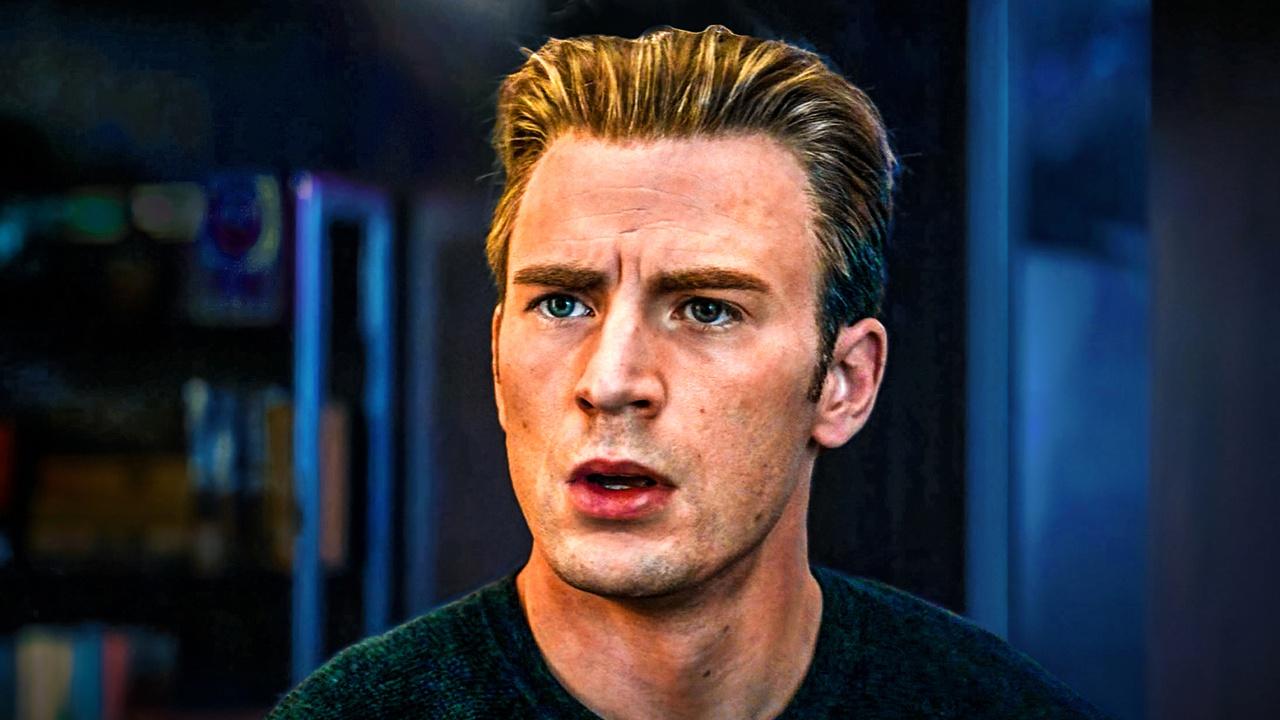
Avengers: Doomsday is officially revisiting one of the MCU's most beloved character endings, risking undermining the closure Avengers: Endgame gave one of its central heroes. Avengers: Doomsday, set to debut in theaters on December 18, 2026, has been positioned as the direct sequel to the record-breaking 2019 blockbuster.
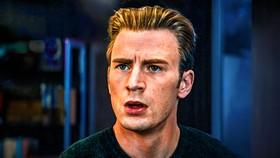
Doomsday is expected to explore the immediate aftermath of Endgame's final scene, in which Steve Rogers (Chris Evans) chose to live a quiet life with Peggy Carter (Hayley Atwell) after returning the Infinity Stones to their proper times and places. However, Marvel Studios' decision to bring Steve back has dramatically changed the meaning of his apparent happy ending.
Doomsday's directors, Joe and Anthony Russo, who also helmed Avengers: Endgame, Avengers: Infinity War, and two-thirds of Evans' Captain America trilogy, recently addressed their controversial decision to revisit Endgame's final moment. The filmmakers explained why Steve's ending was worth reconsidering and offered insight into how the MCU's storytelling approach lets canon events be reinterpreted and take on new meanings.
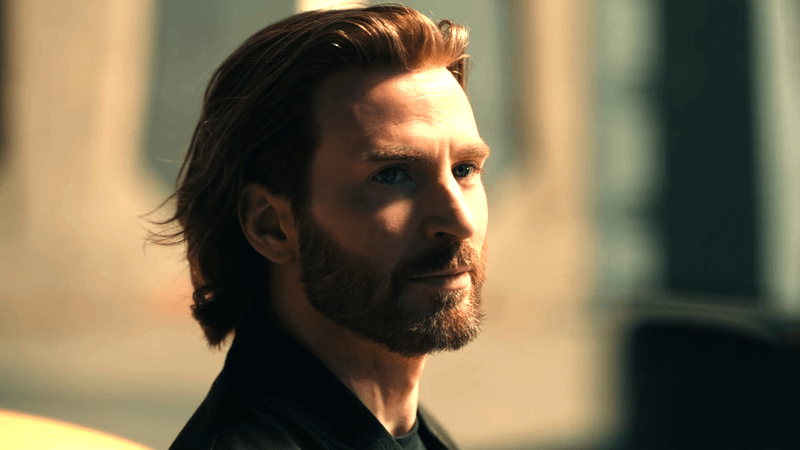
The Russo Brothers recently discussed their decision to revisit Avengers: Endgame's final scene through new footage introduced in the film's 2026 rerelease, Avengers: Endgame Encore. When asked why they decided to expound upon the former Captain America's conclusion, Anthony Russo explained that he and his brother originally saw Endgame's final scene as "the perfect ending" for the character:
"We really thought about that ending [in Endgame] as the perfect ending for Steve Rogers. And the idea of just going one moment past that perfect ending, and thinking about how radically that moment can change by just taking one step past it... That was a big part of the delight in the new idea for what Doomsday is and where the story goes."
Joe Russo expanded on his brother's comments in the same interview with Empire, arguing that the Marvel Cinematic Universe's interconnected nature creates ripe opportunities to revisit and recontextualize previous stories.
"Yeah. The Marvel Universe is a giant experiment, and has been for years. I think part of the fun of coming back was, we thought, 'Could we reach back to pull the story forward?' And nobody's done that before. Nobody's ever had an opportunity to do it before. And this is a fluid universe, right? So you could do it in this universe, and it felt like an interesting way to start the story of Doomsday."
Joe Russo's remarks suggest that the two directors view the retcon as a natural expansion of Endgame's final moments, rather than an attempt to invalidate the Infinity Saga's final chapter.
When asked if Steve's final exchange with Sam Wilson (Anthony Mackie), in which he cheekily refused to describe the life he lived after staying in the past, should now be interpreted differently, Anthony Russo responded, "You know what? We can't say yes to that." He went on to explain that he and his brother originally approached Endgame as a definitive ending and only considered continuing the story years later:
"...we were very committed to it being an ending. It was many years later before the idea – this idea, that we actually committed to – came up, on how to move past that moment."
Anthony Russo acknowledging that the final moments of Avengers: Endgame were originally supposed to be Steve Rogers' MCU swan song reinforces the idea that Avengers: Doomsday – and Avengers: Endgame Encore – are retroactively expanding the fan favorite character's storyline into new territory.
How Does 'Avengers: Endgame Encore' Retroactively Set Up 'Avengers: Doomsday?'
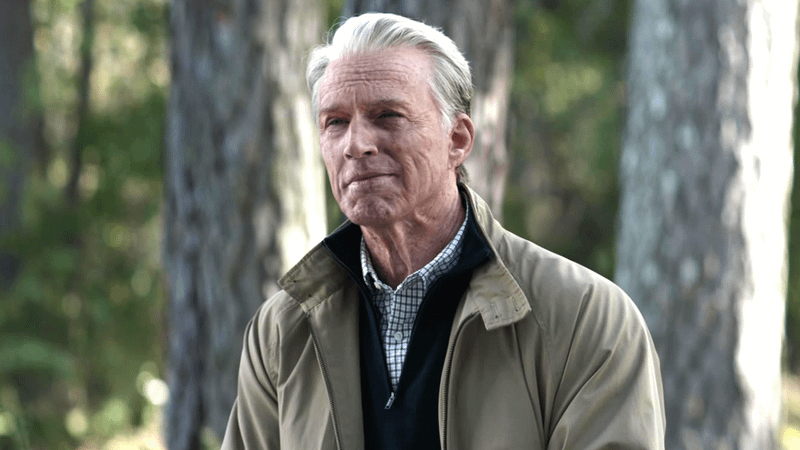
After an elderly Steve Rogers appears on the bench by the lake and passes Sam Wilson a modified version of his star-spangled shield, the longtime friends and teammates shake hands, revealing a wedding band on Steve's ring finger. Sam asks if Steve will tell him about the woman he married, with Steve responding, "No, I don't think I will." This prompts a flashback to young Steve Rogers dancing with Peggy Carter in their living room, with the couple kissing before the credits roll.
At the time, Steve's response to Sam implied that Steve had led a peaceful, uneventful life with the woman he loved, and simply wanted to keep those memories private. However, Avengers: Endgame Encore extends that final dance, revealing that Loki (Tom Hiddleston) arrives at their home and offers them help.
The sudden arrival of the God of Stories now confirms that Steve's retirement was not as uneventful as the original version of Endgame suggested, and that Steve – and possibly Peggy – found themselves in a multiversal conflict involving the remaining original Avengers, several new team members, the X-Men, and Doctor Doom before growing old and passing the Captain America mantle to Sam Wilson.
Will Avengers: Doomsday Ruin Steve Rogers' Ending?
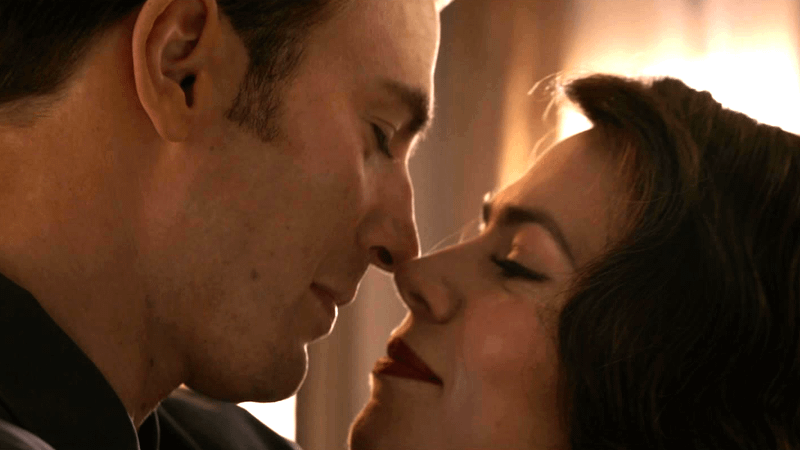
While Avengers: Endgame Encore and Avengers: Doomsday have fundamentally added new chapters to Steve Rogers' story, it doesn't necessarily change any established canon. Endgame suggested that Steve finally escaped the cycle of war and sacrifice, took Tony Stark's (Robert Downey Jr.) advice, and lived life for himself for once, settling into domestic life, and fathering a child with Peggy Carter.
Avengers: Doomsday simply reveals that Steve's domestic life with Peggy was only part of the former Captain America's post-Endgame story. This way, the MCU can expand Steve's history without changing the fact that he still winds up on that bench as an old man and passes the shield to Sam Wilson, especially if Doomsday adheres to the established but somewhat flimsy time travel rules established in Avengers: Endgame.
While the Russo brothers have not confirmed how Steve's adventures in Avengers: Doomsday will fit into the established continuity, they clearly understand the significance of Endgame's final minutes. Their decision to revisit the original ending demonstrates that Doomsday may be willing to explore other definitive MCU moments to tell a new story.
More than that, it suggests that Steve earning a life with Peggy can still be emotionally resonant, and the question surrounding Steve should be less about whether he survives Doomsday and more about how he survives it, and what he may have to endure and sacrifice to do so.