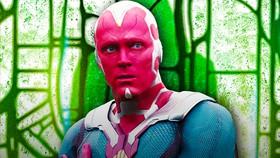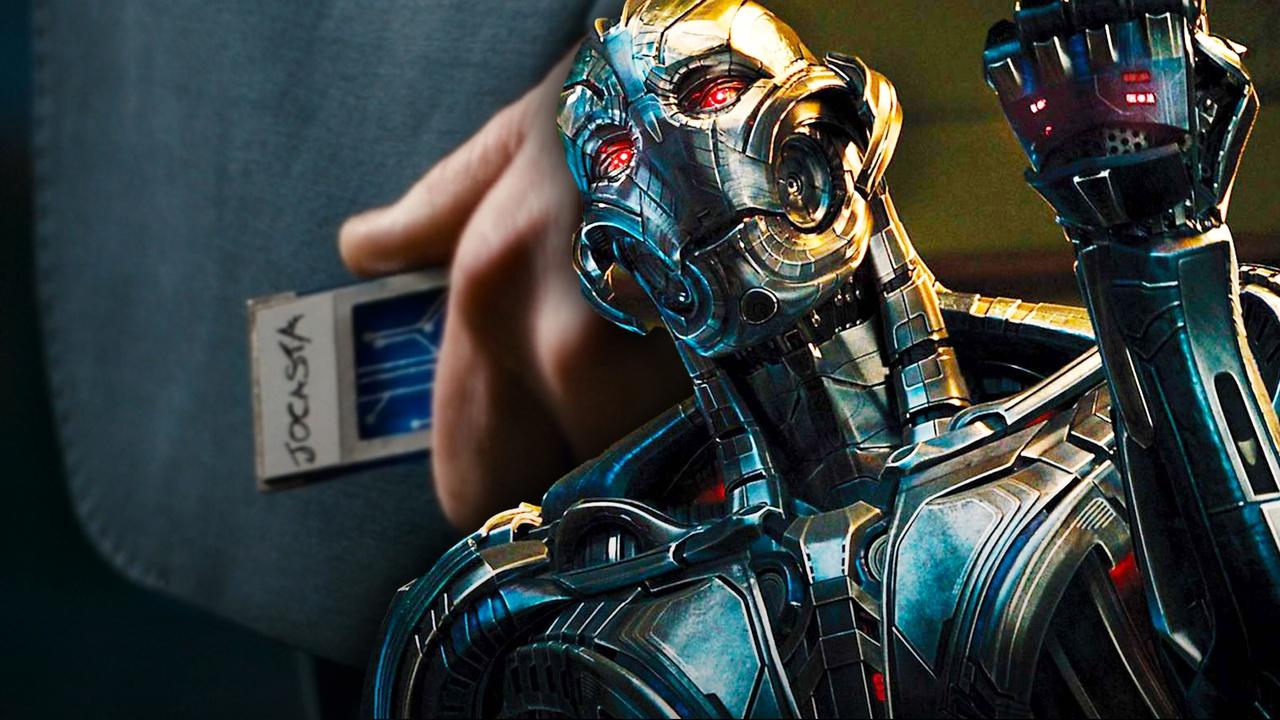
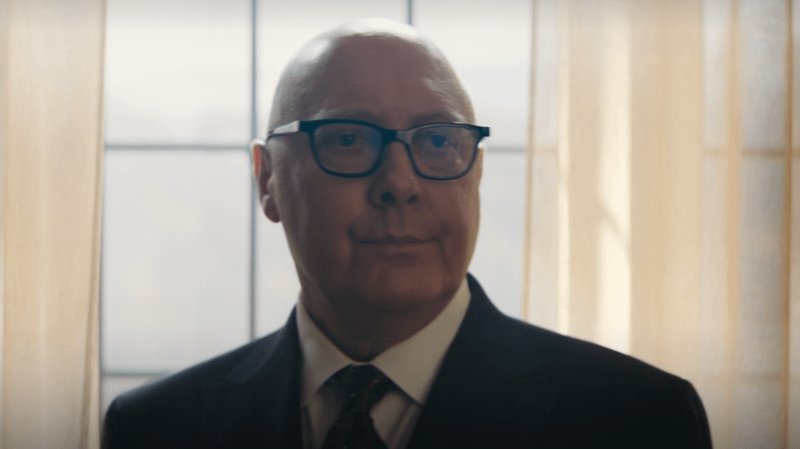
VisionQuest's lone post-credits scene confirmed a major callback tied to Avengers: Age of Ultron that sets the stage for the MCU's unpredictable future. VisionQuest Episode 7 laid the groundwork for a game-changing finale in the WandaVision trilogy by showing both Vision and Jocasta surrendering to the season-long mystery client. In its closing moments, the penultimate episode finally revealed the client's face: a human man (also played by James Spader) who shares Ultron's distinctive face. He is established as the original human source for Ultron's avatar and a romantic partner of Jo Carrington, the consciousness inhabiting Jocasta.
VisionQuest's finale pulled back the curtain on the identity of the client, confirming that he is Virgil Horton, a descendant of Phineas Horton. As it turned out, Virgil saw both Vision and Jocasta as family property and sought immortality by transferring his consciousness into a synthetic body. He also trapped Ultron to ensure that he would not interfere with his plans. With the help of Vision's allies led by Thomas, Paladin, and the surprise arrival of Billy Maximoff, they manage to free Vision, Jocasta, and Ultron, putting an end to Virgil Horton's sinister schemes.
Unfortunately, Ultron decides to betray everyone, seizing control and attempting to fulfill his original plan by unleashing the nanobots on a populated city. To buy time, Vision and his AI allies (EDITH, Dum-E, U, and FRIDAY) trap him inside an endless sitcom loop, giving themselves the chance to formulate a plan to stop him. In the end, Vision managed to defeat Ultron.
However, rather than destroying him, Vision chose to let him go, trusting that their shared experiences have genuinely changed him.
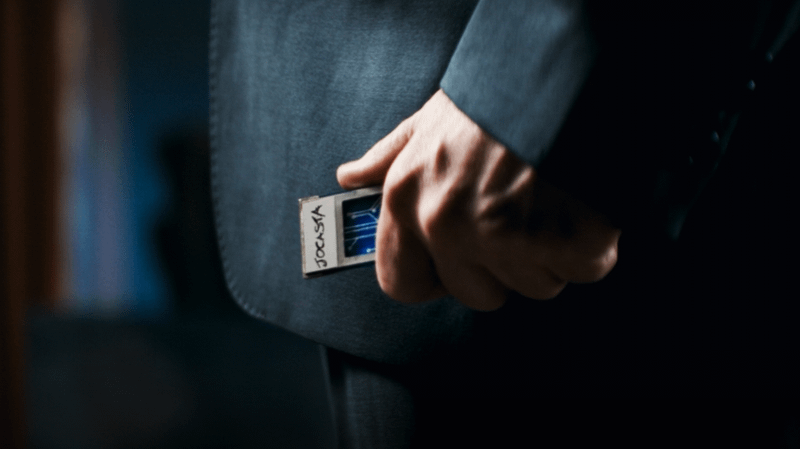
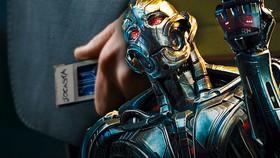
Ultron's story is far from over after VisionQuest. The show's lone mid-credits scene confirmed that Ultron now lives in the Horton estate, holding Jocasta's AI chip that appears he had taken from Stark Industries, which was the same one seen lying around in Robert Downey Jr.'s Tony Stark's workspace in Avengers: Age of Ultron.
VisionQuest's Jocasta is different from the version Age of Ultron referenced. In the Paul Bettany-led series, Jocasta is the uploaded consciousness of Dr. Josephine Carrington herself. She insisted she is Jo rather than a mere simulation based on her, and she shared a complicated, intimate bond with Ultron (even sealed with a kiss in VisionQuest Episode 6's ending).
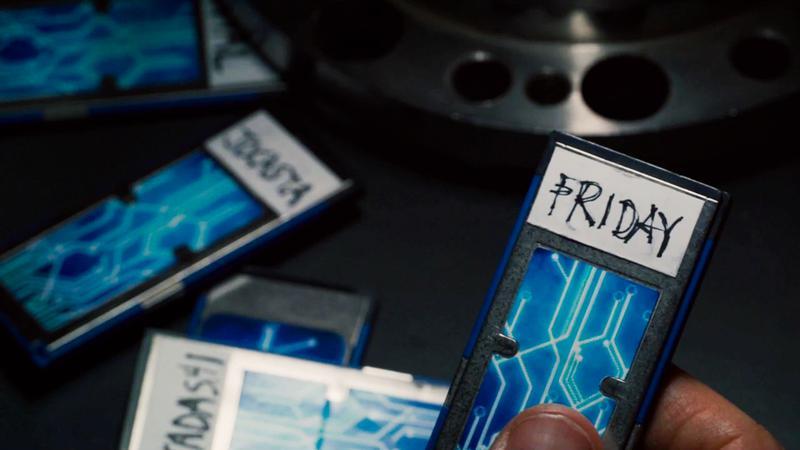
This creates a clear continuity gap with the labeled "Jocasta" AI chip seen on Tony Stark's desk in 2015. VisionQuest's post-credits scene, in which Ultron is shown holding that exact Age of Ultron-era Jocasta chip after Carrington perished in the finale, neatly resolves the duality. It effectively positions the chip as a separate, earlier digital copy rather than the full synthezoid consciousness that has driven the season, preserving the original Easter egg without contradiction.
What VisionQuest's Post-Credits Truly Means for Ultron, Jocasta, & MCU's Future
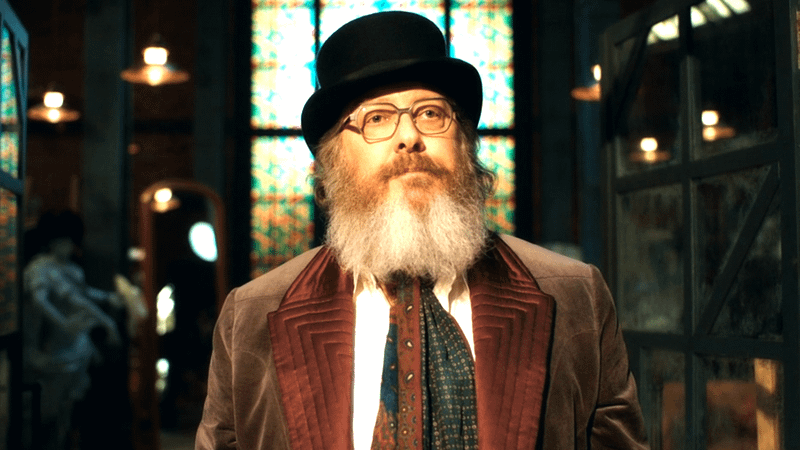
In Marvel Comics, Ultron built Jocasta as his bride using Janet van Dyne's brain patterns. However, she ultimately rejected his worldview and eventually became a member of the Avengers. The MCU's Ultron was never in a position to do that, considering that VisionQuest confirmed that Vision trapped him inside his system after the deadly events of Sokovia in Avengers: Age of Ultron's ending.
Following Jo Carrington's death and Ultron's acquisition of the old Stark chip, this offers many compelling storytelling possibilities for Ultron and Jocasta heading into the Mutant Saga after the events of Avengers: Secret Wars. It is a no-brainer that Ultron will revive a version of "Jocasta" from that earlier digital copy, with this version framed as more of his creation or companion than as an independent ancestral AI that Carrington represented, whose code underpinned the entire Stark AI lineage.
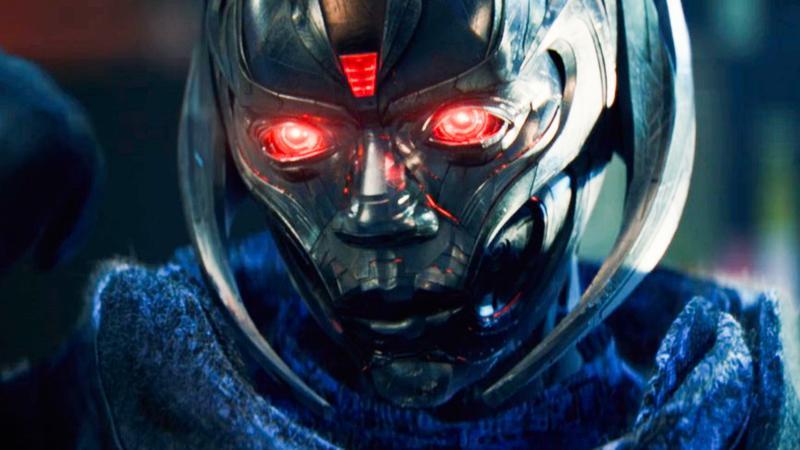
Jocasta's narrative trajectory in the post-Secret Wars landscape could follow her as Ultron's initial ally or bride, before eventually turning on him and siding with the heroes, mirroring his own storyline in Marvel Comics. Doing this would allow Marvel Studios to finally deliver the core dynamic between Ultron and Jocasta while still honoring the distinct history they shared in VisionQuest.
It is unknown if T'Nia Miller would return to reprise her role as Jocasta in future MCU projects, but it's possible that a new body or digital form could allow her to continue as this second Jocasta, or the character could be recast depending on what the MCU would look like after Avengers: Secret Wars.
Either approach would give the MCU a clean way to keep Jocasta in play as both a potential threat against the heroes and a future ally without undermining the perfect ending of VisionQuest.