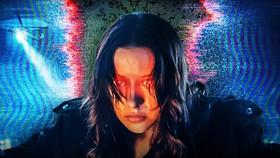
Spider-Man: Brand New Day revealed that Spider-Man accidentally created the greatest weapon against the X-Men, sending massive ramifications heading into the Mutant Saga. One of the central storylines in Spider-Man: Brand New Day centers on Tom Holland's Peter Parker's evolving powers, which at times become uncontrollable as his DNA mutates further. In a desperate bid to regain control, Peter consults Bruce Banner, who uses an inhibitor to keep his own gamma-mutated DNA (the Hulk) in check and become human again. Banner flagged the ethical problems of deciding which genetic traits to suppress.
Despite that, Peter still built a targeted chip for himself to control his own mutation, then made a more universal one designed to successfully neutralize Sadie Sink's Jean Grey long enough for the Department of Damage Control (DODC) to detain her.
Peter's personal inhibitor chip (adapted from Banner's gamma-suppression tech) and the universal version he builds serve as the accidental origin point for the broader power-suppression tech that the X-Men will have to confront in the Mutant Saga.
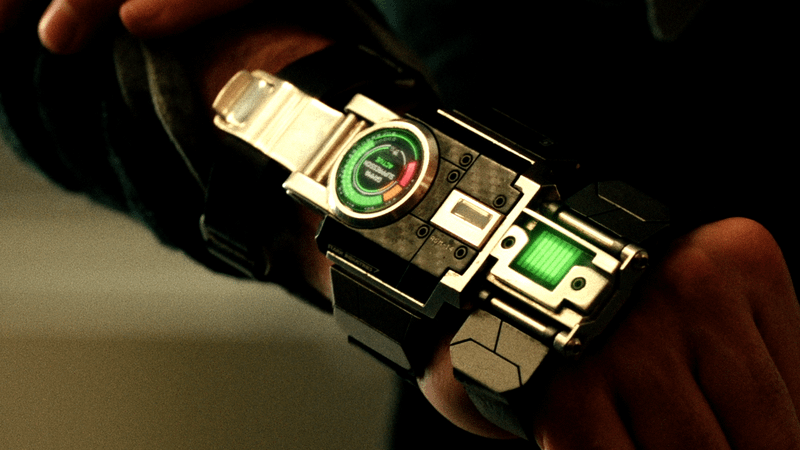
With Bill Metzger escaping at the end of Spider-Man: Brand New Day, there is a strong chance that the schematics are now in the hands of a figure perfectly positioned to refine them into the Inhibitor Collars that could one day be used to control and enslave the X-Men.
These inhibitor collars, as seen in Ryan Reynolds' Deadpool 2, are designed to suppress mutant powers. These devices were also used in Genosha and other slavery stories in X-Men: The Animated Series and in various comics timelines, including Days of Future Past-adjacent stories.
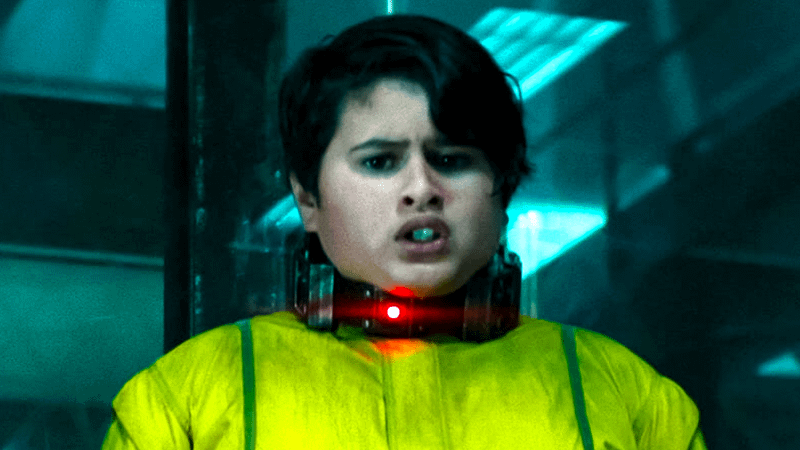
The chip serves as a natural precursor: an electronic gene-level suppressor that can be miniaturized, weaponized. mass-produced, and turned into collars or other similar restraints. These collars fit seamlessly with existing MCU technology and the larger X-Men setup now taking shape.
Notably, in Captain America: Civil War, Elizabeth Olsen's Wanda Maximoff was locked up in the Raft wearing a collar that both looks and functions like a classic Inhibitor collar.
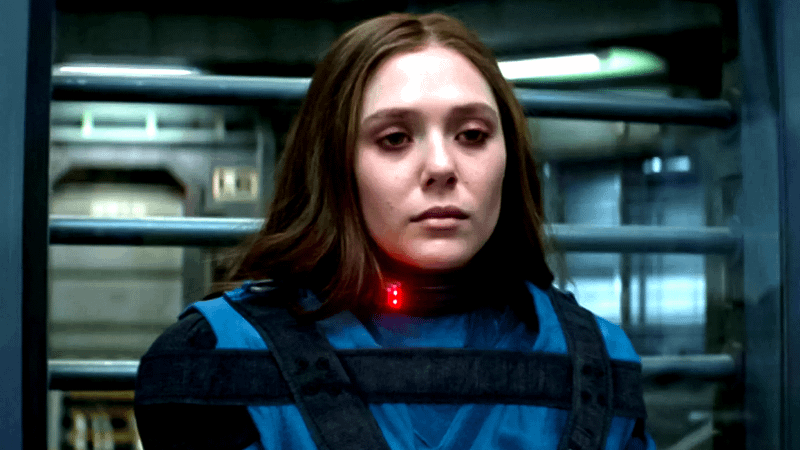
Little attention was drawn to the device at the time, and the X-Men did not yet exist in the MCU the way they do following Spider-Man: Brand New Day.
As a result, it is most likely that Wanda's collar was a specialized, one-off containment tool engineered solely for her specific abilities, much like Banner's personal Hulk inhibitor, rather than a universal system.
By contrast, Peter Parker's invention provides the first truly scalable foundation that anti-mutant forces can refine into the widespread Inhibitor Collars capable of suppressing an entire mutant population, starting with the X-Men.
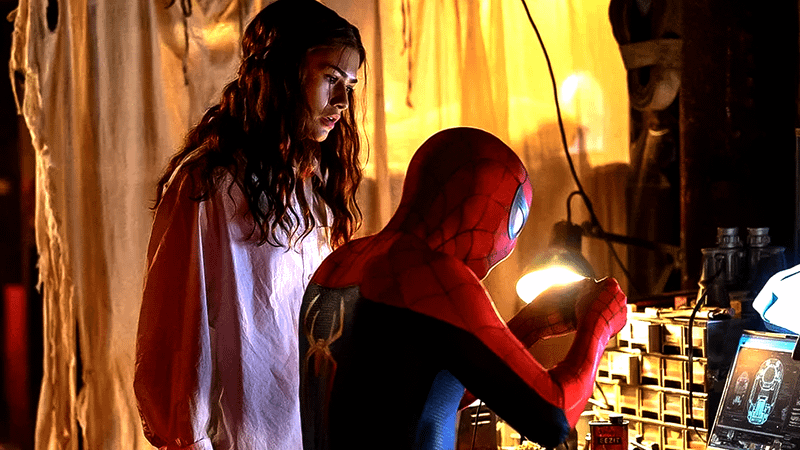
Jean Grey's presence in Spider-Man: Brand New Day serves as the direct on-ramp to the Mutant Saga. The inhibitor technology Peter creates transforms what begins as a personal struggle over control and ethics into a systemic threat that future mutants will have to deal with.
By introducing an omega-level telepath whose powers are forcibly suppressed by a device of Spider-Man's own design, Brand New Day not only establishes Jean as a key figure in the coming mutant era but also plants the seeds for the beginning of their potential downfall.
Why The X-Men Could Confront Spider-Man In The Mutant Saga & Beyond
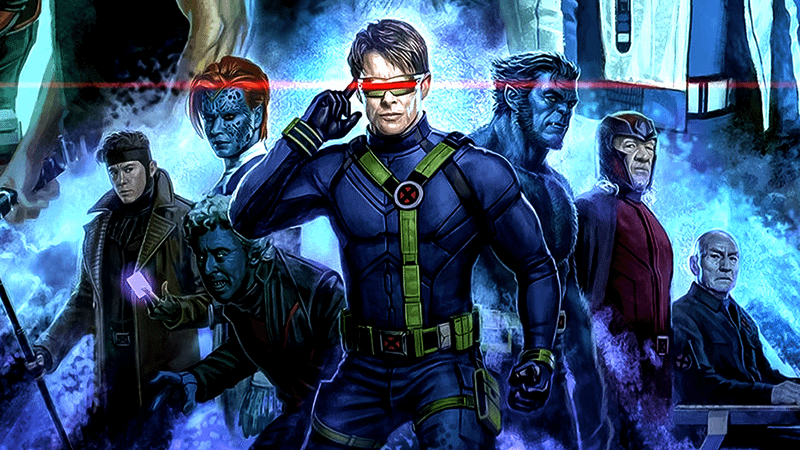
Peter Parker's well-intentioned inventions in Spider-Man: Brand New Day have quietly positioned him as the accidental architect of one of the most dangerous anti-mutant technologies in the MCU. That revelation alone creates a credible path for tension, or even outright confrontation, between Spider-Man and the X-Men as the Mutant Saga unfolds.
Sadie Sink's Jean Grey knows exactly who built the device that depowered her. As more mutants emerge and begin organizing, that knowledge will spread. In fact, with Bill Metzger escaping, it's also possible that he will use this information to set a collision course between Spider-Man and the X-Men in the future.
From the X-Men's perspective, Spider-Man didn't just invent a containment tool; he basically handed the government a ready-made method of control at the exact moment mutants were becoming a public reality. Even if Peter later rejects the technology and fights against its misuse (as seen in the climactic ending of Spider-Man: Brand New Day), the origin story remains. Mutants who have worn those collars, or lost loved ones to them, may not be quick to forgive the man who made them possible.
Whether these massive consequences led to direct conflict, hard-earned trust, or both, the foundation is already in place for the Mutant Saga and the stories that follow, giving Spider-Man a permanent stake in the X-Men's rise (and fall).